Anti-Poaching Operations
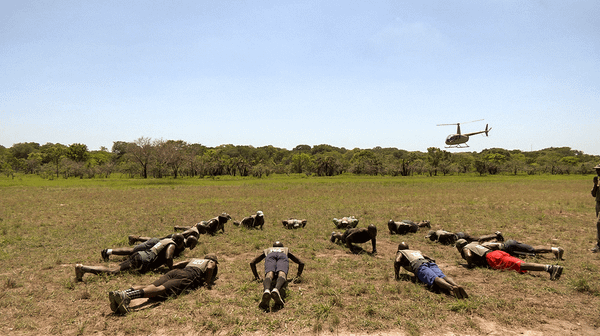
Patrol documents how anti-poaching units actually operate in the field. Not the action-TV version.
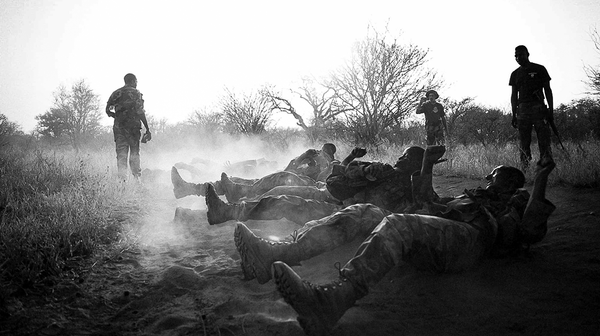
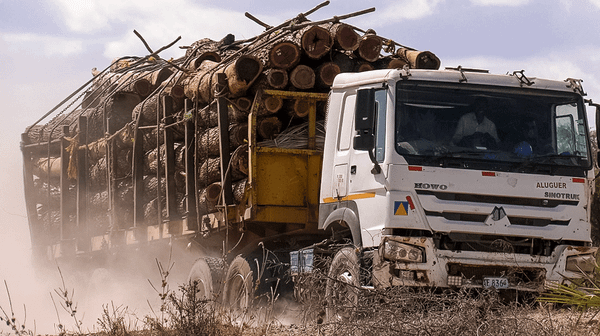
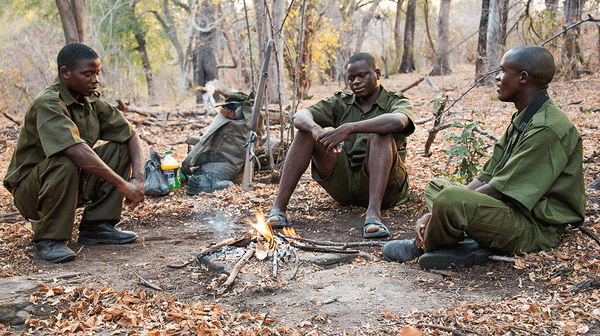
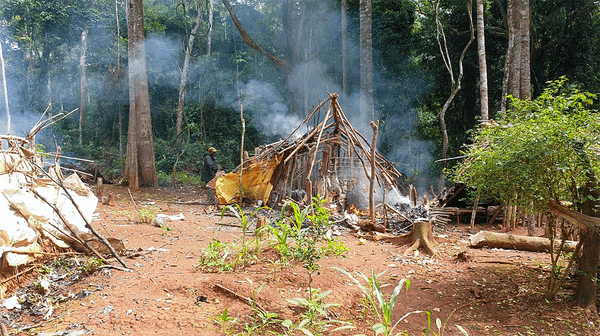
The real version, which is mostly walking, watching, waiting and recording, broken by occasional contact with poachers and a constant low-grade fight against snare lines, charcoal kilns, fish camps and incursions for timber and bushmeat.
The site tagline is "Plain, factual, no glamor." That is also a description of what the work looks like once you strip out the marketing. All Night in Ambush is a fair starting point if you want to know what an actual operation feels like.
What anti-poaching operations involve
Operations have three main components. The mix varies by operator, terrain and funding, but the basic structure is consistent.
Planning
Patrol routes are set based on the previous week’s incidents, recent informant reports, wildlife movement patterns, water availability, weather, and the operational patterns of known poacher groups in the area.
Routes rotate. Predictability gets rangers killed.
Patrolling
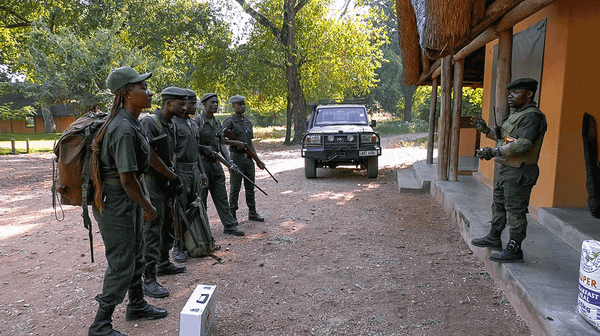
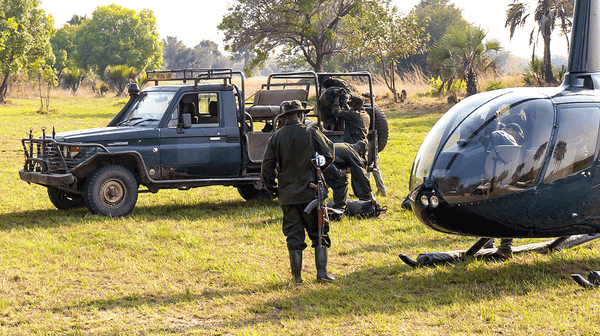
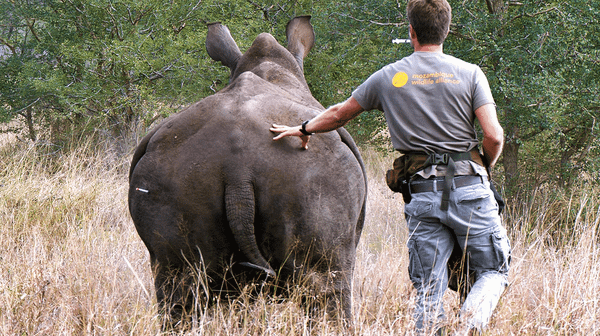
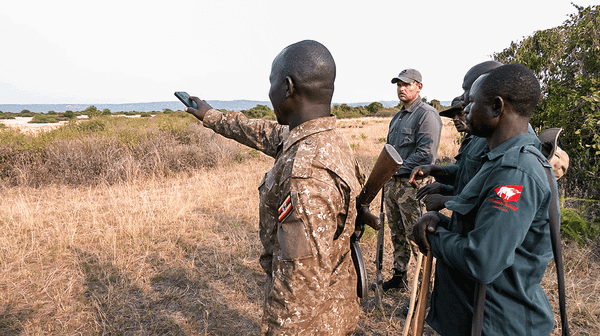
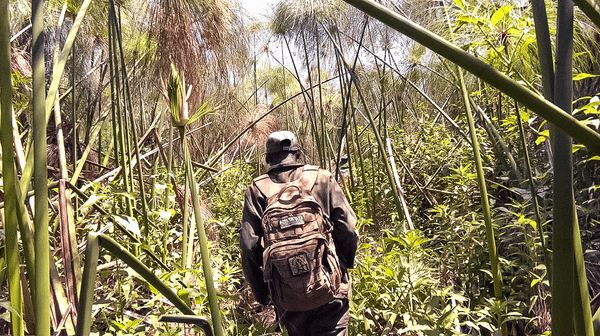
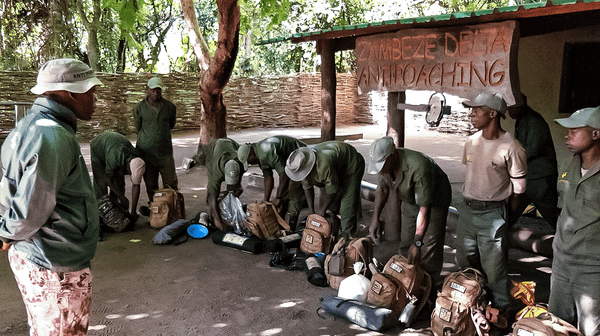
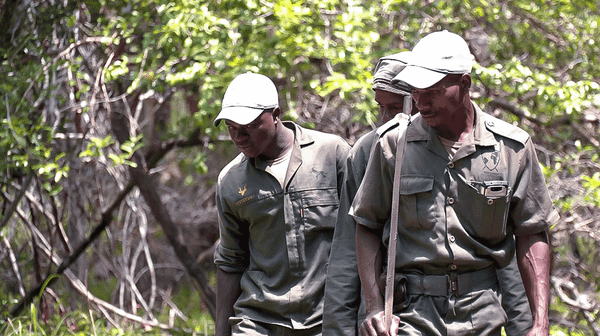
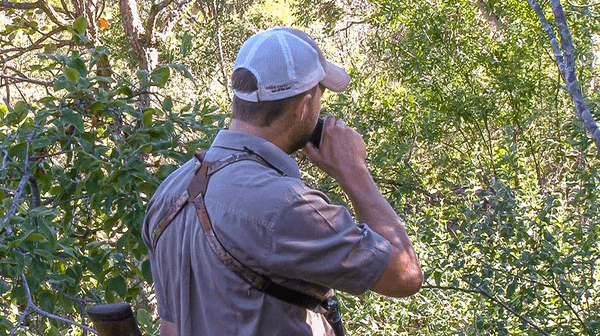
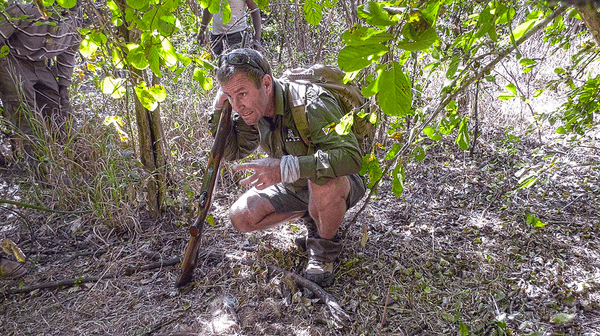
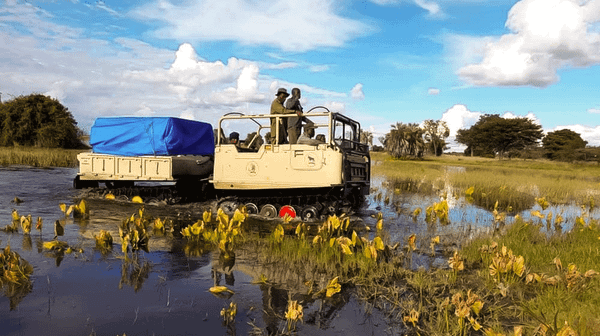
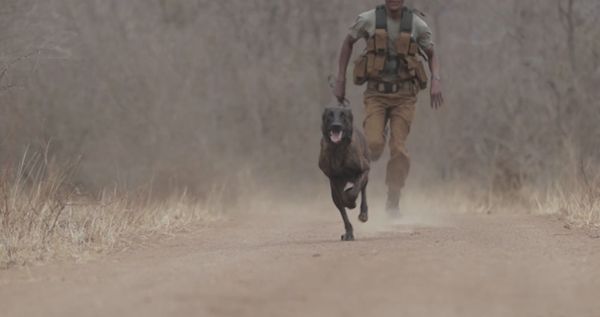
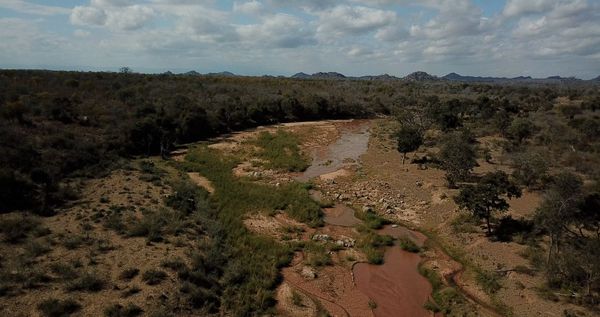
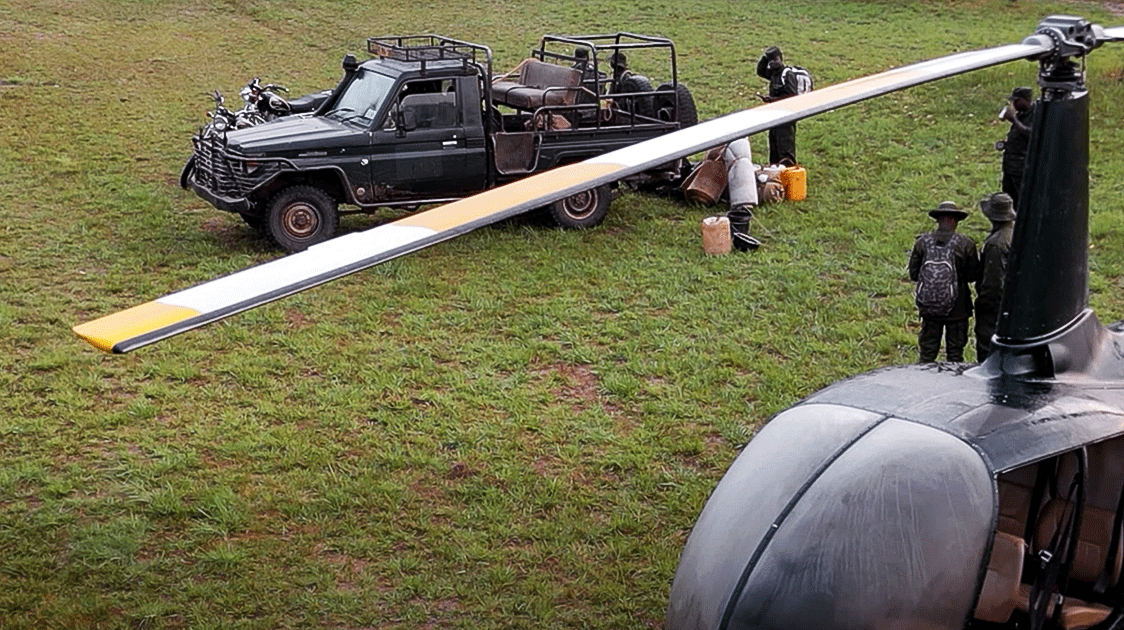
Rangers move on foot, by vehicle, by motorbike, by boat, and sometimes on horseback. The Zambeze Delta operation uses motorbikes to reach drop-off points and then conducts foot patrols from bush camps.
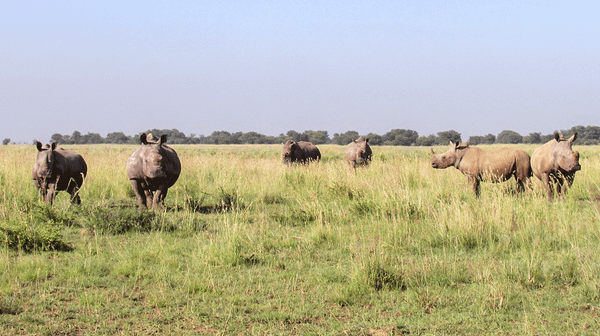
The Phalaborwa Natural Heritage Foundation (PNHF) conducts foot patrols in the areas surrounding the Kruger National Park from vehicles.
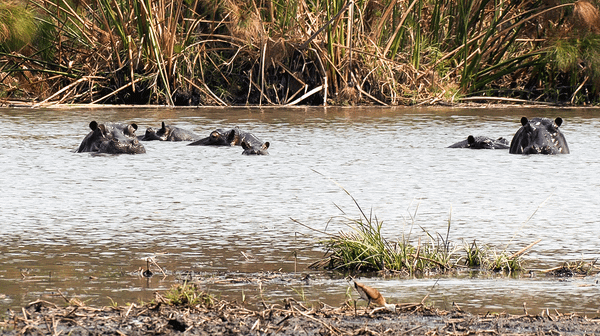
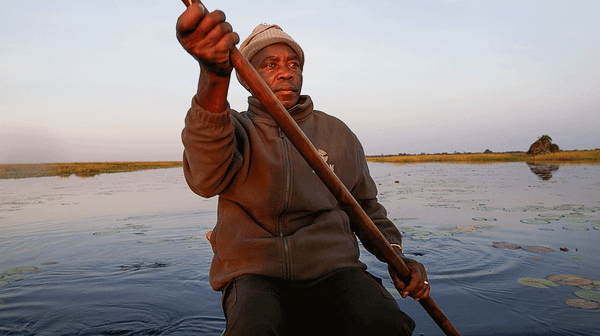
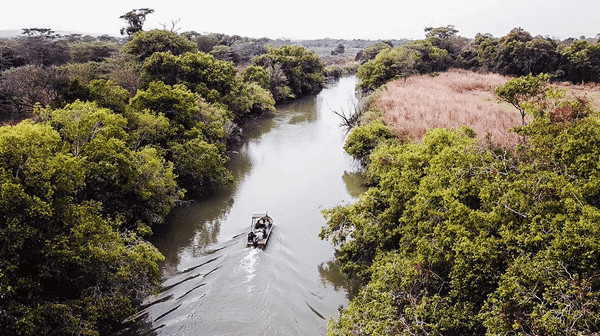
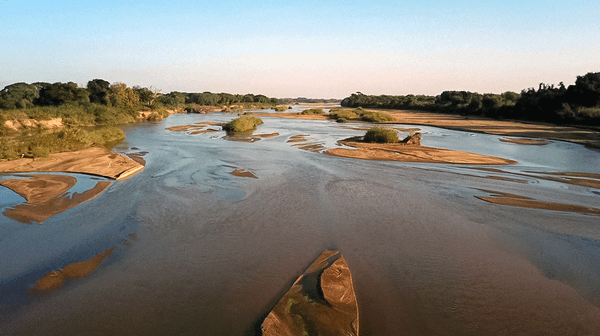
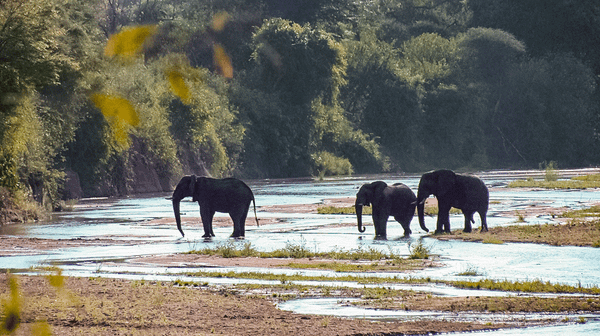
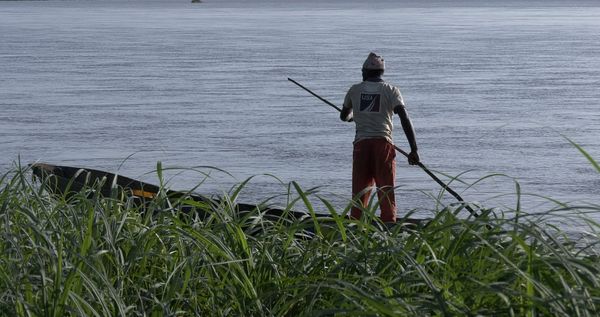
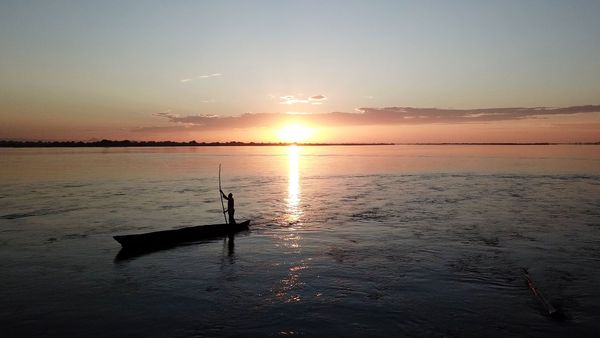
In the Moyowasi River system in Tanzania, patrols are conducted from boats.
Each patrol carries water, rations, a radio, GPS, a basic medical kit, and, on most operations, a rifle. The Weight of Protection walks through what a Zambezi Delta ranger actually carries.
Reporting
Every patrol produces a log: route walked, observations, snares removed, evidence collected, suspects identified, animals seen.
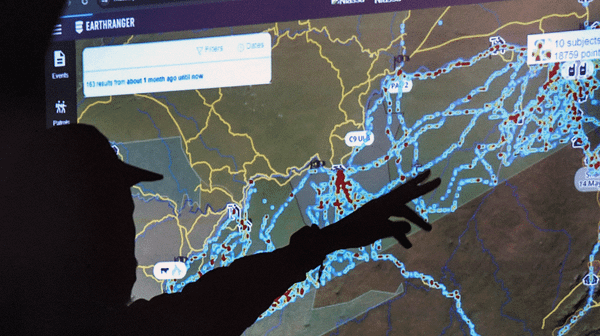
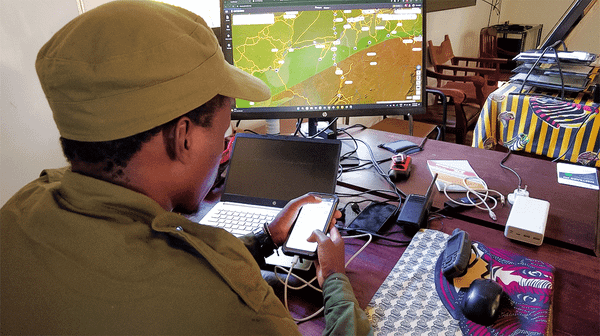
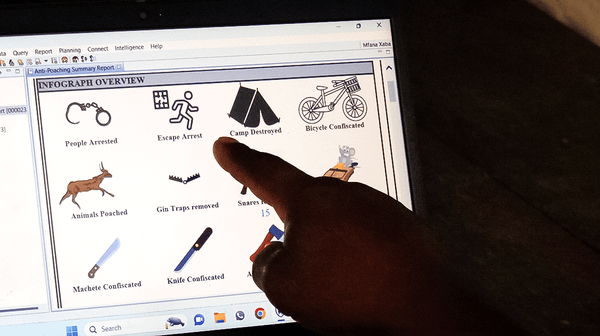
The data feeds into SMART or EarthRanger for operations that use those platforms, and into paper records for those that don’t.
Patterns emerge over months: poacher chokepoints, seasonal pressure, repeat actors. Inside the Ops Room shows how LUWIRE in Mozambique runs this side of the operation.
The cost
Globally, two rangers are killed in the line of duty every week. More than 1,000 rangers have been killed worldwide in the last decade.
Around 88.6 percent of those casualties are African rangers.
Patrol covered this in The Forgotten Heroes and again in Off-Duty Security Awareness for Rangers, which goes into the off-duty threat profile that rangers face in their own communities.
Causes include armed contact with poachers, vehicle and aircraft accidents, animal attacks, malaria and other illnesses. The ratio between those varies by operation.
What patrols actually find
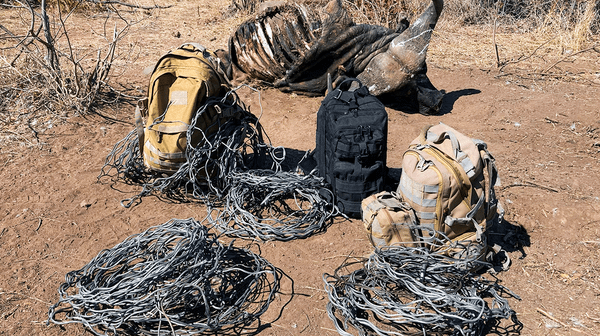
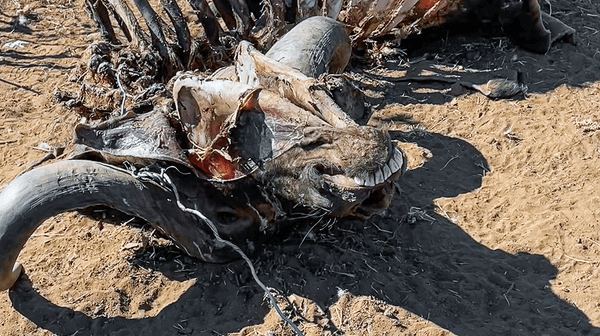
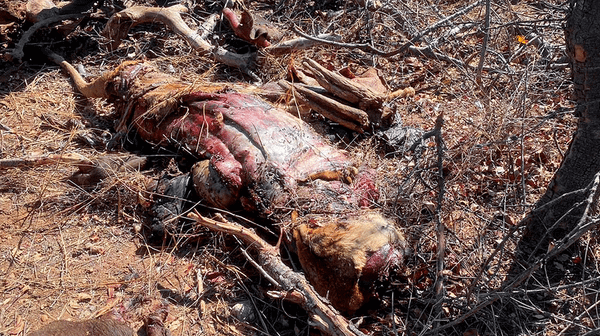
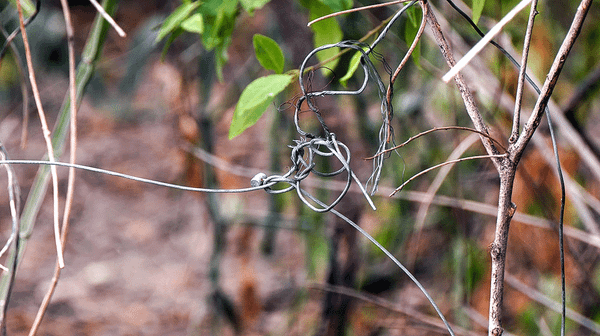
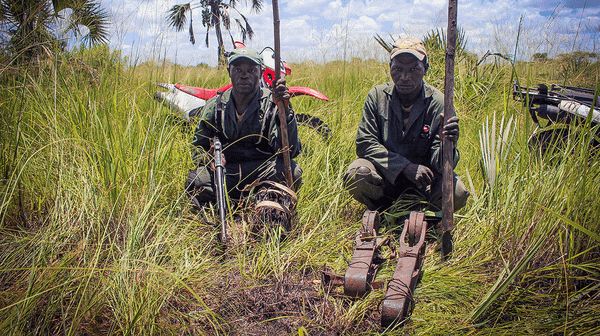
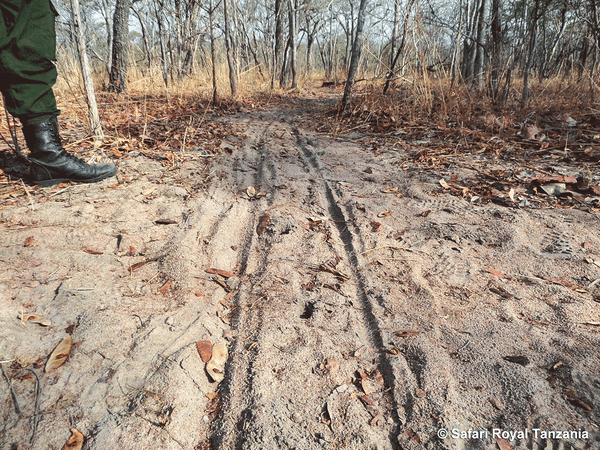
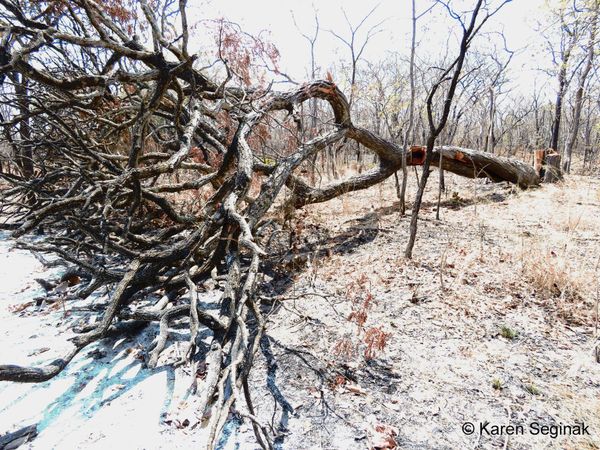
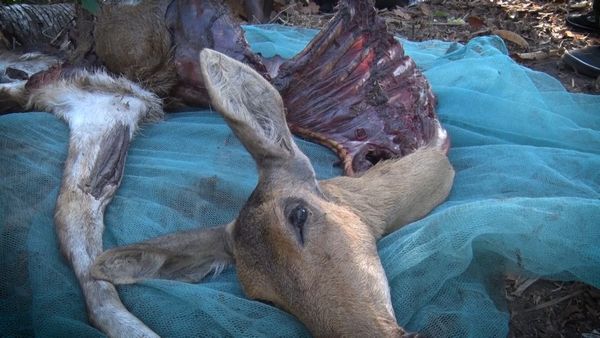
Most patrols don’t end in arrests. They end in evidence. A snare line cleared. A fish camp dismantled. A tree freshly cut for timber. A vehicle track that wasn’t there yesterday.
The work is cumulative.
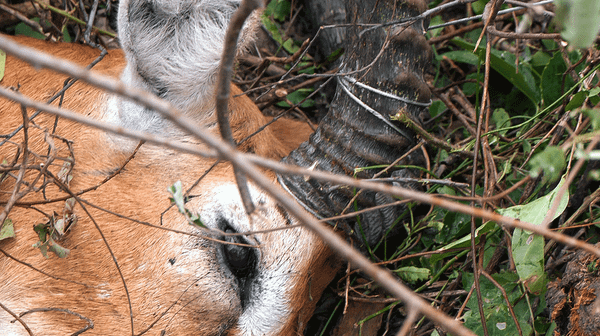
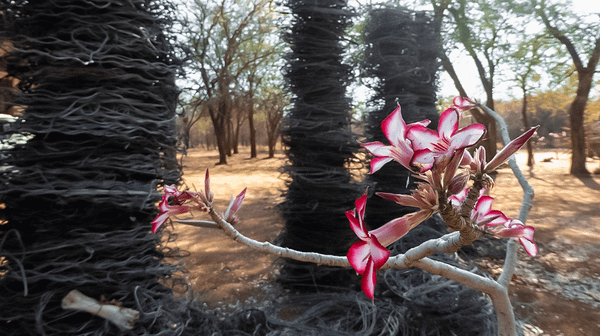
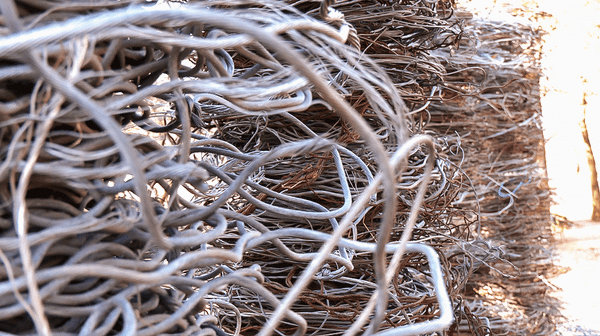
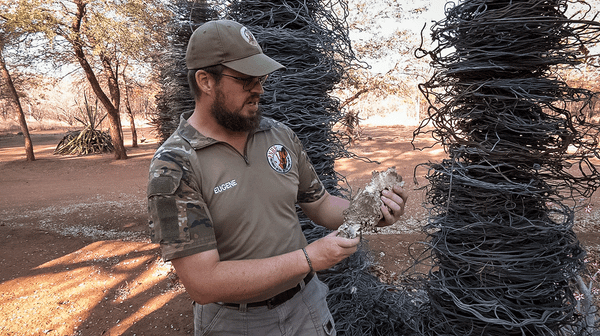
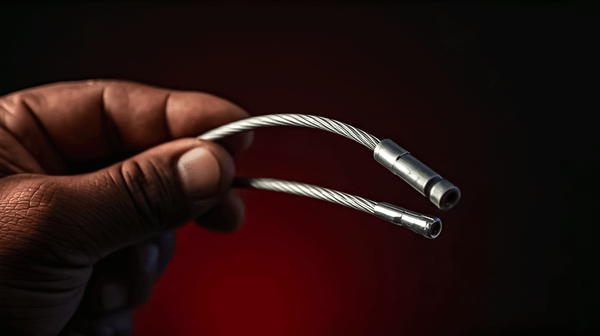
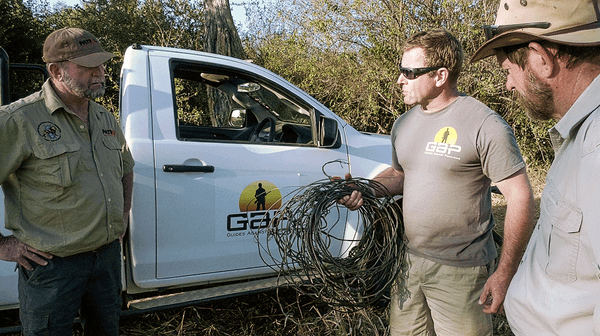
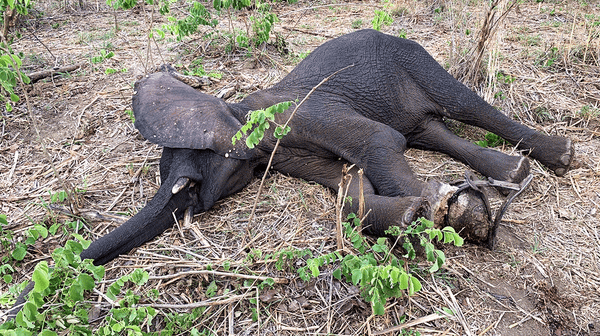
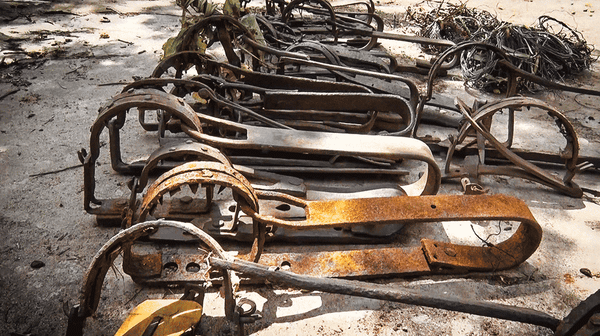
Snares are the dominant finding in most operations. The Phalaborwa Natural Heritage Foundation accumulated 10,000 snares on its snare poles between May 2023 and 2025, working the Kruger boundary on properties as small as 21 hectares.
See Snare Wars Casualties and Small-holding Snare Wars.
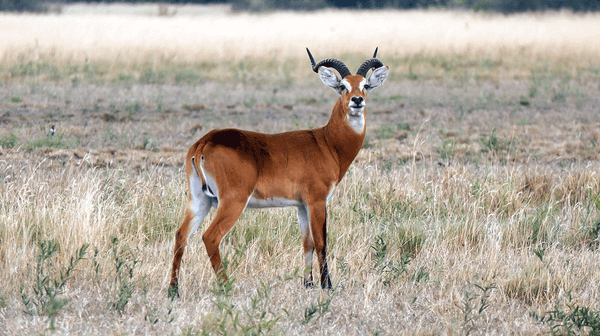
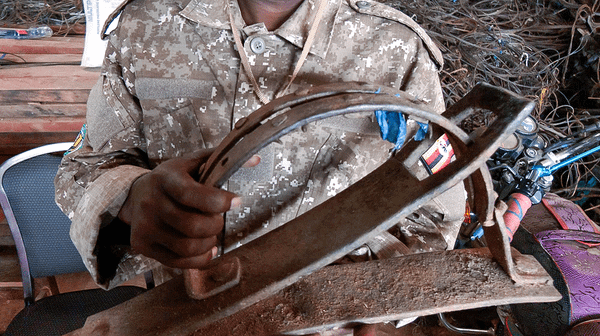
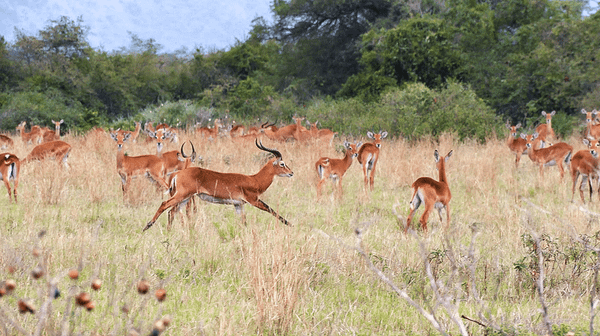
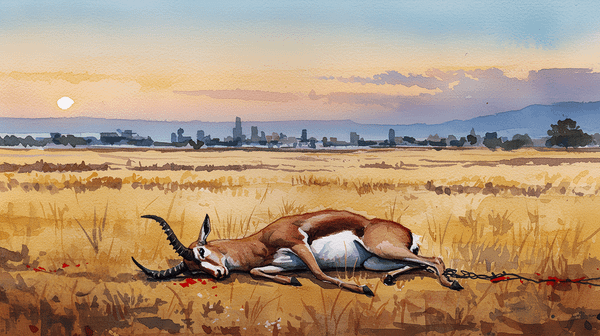
At Murchison Falls in Uganda, wire snares targeting Uganda kob are the primary daily threat. See Piles Upon Piles of Snares and Traps.
Field signs also tell rangers who they are dealing with. The materials, the spacing, the way a snare line is tied off, all carry a kind of signature. Signature Snarelines is Lake Albert Safaris’ director, Aston Sparks, reading the evidence at Kabwoya in Uganda.
Technology and intelligence
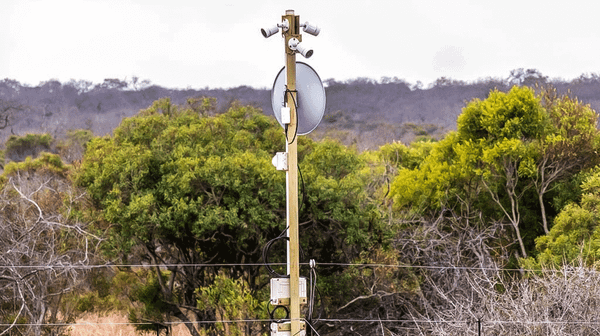
Operations have changed substantially over the last decade. Live tracking, thermal optics, drones, cellular trail cameras and integrated ops-room dashboards are now standard on better-funded operations.
None of that removes the need for a foot patrol; it enhances its effectiveness.
Patrol covered the shift in Wired for Wildlife, Watched by Default and in the Coutada 11 piece on using technology to combat poaching, which also flags the awkward truth that cellphone coverage works for poachers too.
Behind every operational process is an information network. Rangers cannot see what the surrounding community sees.
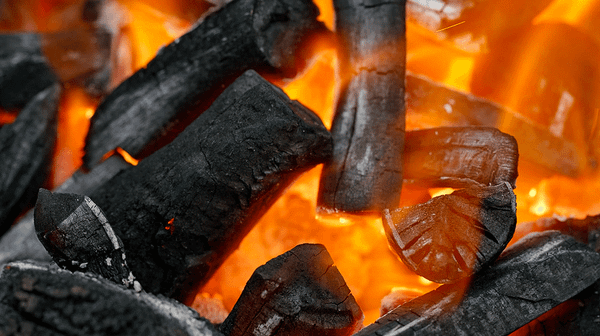
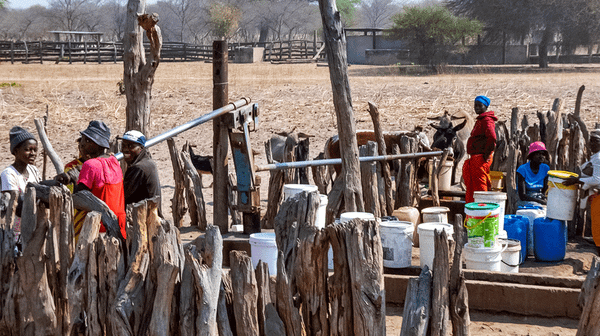
The community can: unfamiliar vehicles, fresh tracks leading off paths, the arrival of outsiders, butchery noises, and charcoal smoke.
The Informer Network System goes into how those relationships are built and run.
The funding reality
The reserves with the lowest poaching figures are not the ones with the most expensive equipment.
They are the ones running consistent patrols, paying their handlers regularly, and keeping community work funded through the lean years. Continuity of presence is the variable that matters.
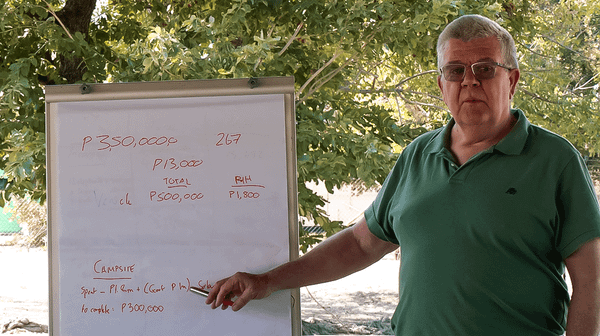
Most African anti-poaching operations are underfunded. Government wildlife authorities cover ranger salaries in some jurisdictions and rarely much beyond that.
The rest comes from a mix of safari-hunting revenue, photographic tourism, donor grants, and private trusts.
Patrol covered this in Fighting on Fumes, Conservation on a Shoestring, and Zambeze Delta Safaris’ ranger training piece, which sets out the funding gap from a safari operator’s perspective.
Where Patrol covers this
The site is organised by operation, threat and tactics. The three category pages are:
• Africa. Country-by-country operations.
• Poaching Threats. Bushmeat, ivory and rhino horn, timber and succulents, endangered species.
• Tactics & Technology. River patrols, aerial support, the informant network system, and community involvement.
For specific operations covered in depth, the following are good places to start:
• The Save Valley Conservancy. Southeastern Zimbabwe, one of Africa's largest private wildlife reserves.
• Mayo Oldiri. Anti-poaching operations in northern Cameroon.
• Everyone a Game Ranger. Building an operation from scratch at LUWIRE, Niassa Special Reserve.
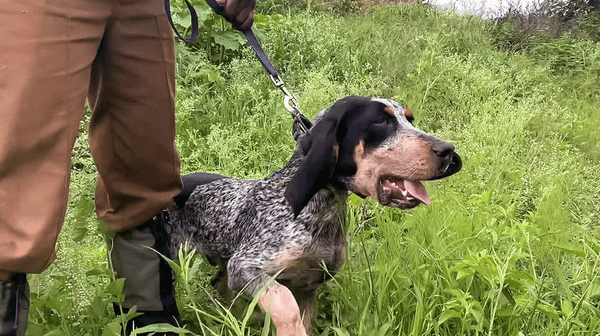
• Take Action Dog Unit. K9 work in anti-poaching.
• A Proactive Approach to Conservation. Eugene Troskie and the PNHF team on the Kruger boundary.