Documentaries
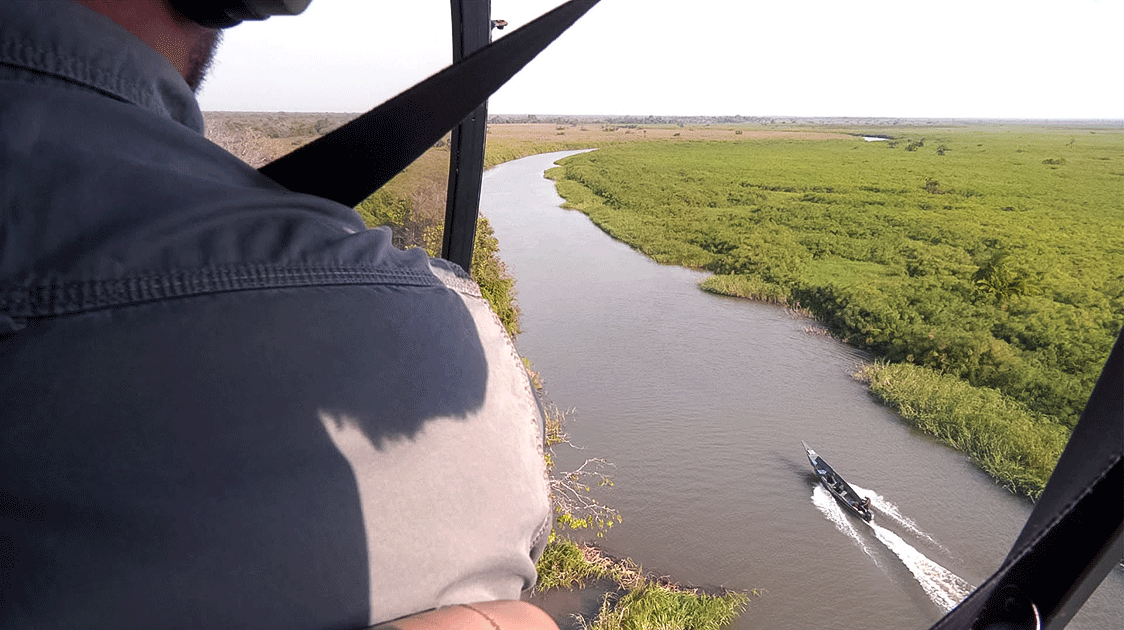
Patrol produces field documentaries and short video reports from active anti-poaching operations across Africa. The full back catalogue lives on the Patrol YouTube channel and is searchable through site tags.
This page is a curated entry point: a selection of starting points across four categories, with the longer documentaries at the top of each.
If this is your first visit, the four pieces in the "Start here" section below are the best place to begin.
Start here
Here are four picks that span the site's editorial range: a long-form conservation profile, an operational field report, a community story, and a short framing piece on the bushmeat trade.
• A Wilderness on the Edge (full documentary, 26 minutes)
Fico Vidale’s 1,800 km² Lunga-Busanga concession on the western boundary of Kafue, Zambia. The hunting concession as a buffer zone, the muzzle-loader poaching dynamic, and what regulated safari hunting funds.
• A Proactive Approach to Conservation (9 minutes)
Eugene Troskie and the Phalaborwa Natural Heritage Foundation pulling snares on the Kruger boundary. What snare-removal work actually looks like on the ground.
• When Conservation Meets Community (6 minutes)
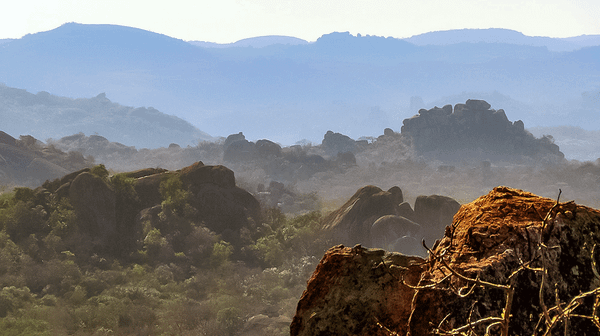
The Johnson brothers and the Matobo Hills in Zimbabwe. A working partnership between private wildlife operators and adjacent communal lands.
• The Hidden Crisis: Africa’s Largest Wildlife Crime (3 minutes)
The short framing piece on why bushmeat dwarfs ivory and rhino horn by volume.
Long-form documentaries
Sustained field documentaries of 15 minutes or more.
• A Wilderness on the Precipice: Northern Cameroon
The Bénoué Complex. Hunting concessions as the last line of defence against armed poacher incursions from Chad, CAR and Sudan. The Mbororo cattle encroachment problem.
A landscape restoration story. From intensive anti-poaching to water points to species reintroduction.
• How to Maintain a Game Reserve in Tanzania
The realities of running a Tanzanian hunting block: funding, infrastructure, anti-poaching, community work, all in one operation.
Operational field reports
Shorter pieces that show specific anti-poaching tactics, technologies and field-level decisions.
• Inside the Ops Room: Tech-Driven Wildlife Protection
A behind-the-scenes look at LUWIRE’s central operations room in Mozambique. How modern technology integrates with ground-level enforcement.
• Patrolling Versus Intelligence
Why LUWIRE’s intelligence network delivers 80 to 90 percent of successful interventions across a million-acre reserve.
Anti-poaching tactics on the Kafue floodplain. African Parks’ numbered-shirt fish weir registration system.
John Laing of Guides Against Poaching (GAP) on the Hwange boundary. How buffalo movement patterns get exploited by snare-setters.
Why Mayo Oldiri’s unarmed game scouts had to be backed up by military personnel as Northern Cameroon’s poaching threat escalated.
• Signature Snarelines: Unmasking Poacher Identities
• Lake Albert Safaris director Aston Sparks reads the field signs that identify which poacher set which line at Kabwoya in Uganda.
• Protecting a Fragile River Ecosystem
The Malagarasi River cuts through the Uvinza Open Area in Tanzania. Floodplain anti-poaching and rehabilitation.
Operator and landscape profiles
Portraits of specific operators and the places they protect.
• Lifeblood to a Wilderness: Niassa Reserve
Derek Littleton and LUWIRE in Mozambique’s 42,000 km² Niassa Special Reserve.
• From Devastation to Thriving Wilderness: Coutada 11
Mark Haldane and Zambeze Delta Safaris. A 500,000-acre Mozambican landscape rebuilt from post-war collapse.
• The Save Valley Conservancy Anti-Poaching Operations
3,400 km² of private conservancy in southeast Zimbabwe, holding a significant share of the country’s black rhino.
How the Save Valley Conservancy was formed from consolidated cattle ranches during the 1992 drought.
Community and economics
The pieces that focus on what makes conservation work or fail at the human level.
The Lugenda Foundation’s community work in Niassa. How long-term community engagement is structured.
• Room for Cattle and Wildlife
The Wilberforce Ranch in the Matobo Hills. Cattle and wildlife coexistence as a working model.
• Creating Safe Spaces for People and Wildlife
The Mozambique Wildlife Alliance's approach to human-wildlife conflict.
Where to find more
This is a selection, not a complete index. New documentaries and field videos are published fortnightly. Two places to find the rest:
Patrol’s YouTube channel carries the full video archive.
Field reports tagged by country: Zambia, Zimbabwe, Tanzania, Mozambique, Uganda, South Africa, Cameroon, Namibia, and Botswana. Each country page lists the documentaries set in that landscape.