Community Involvement
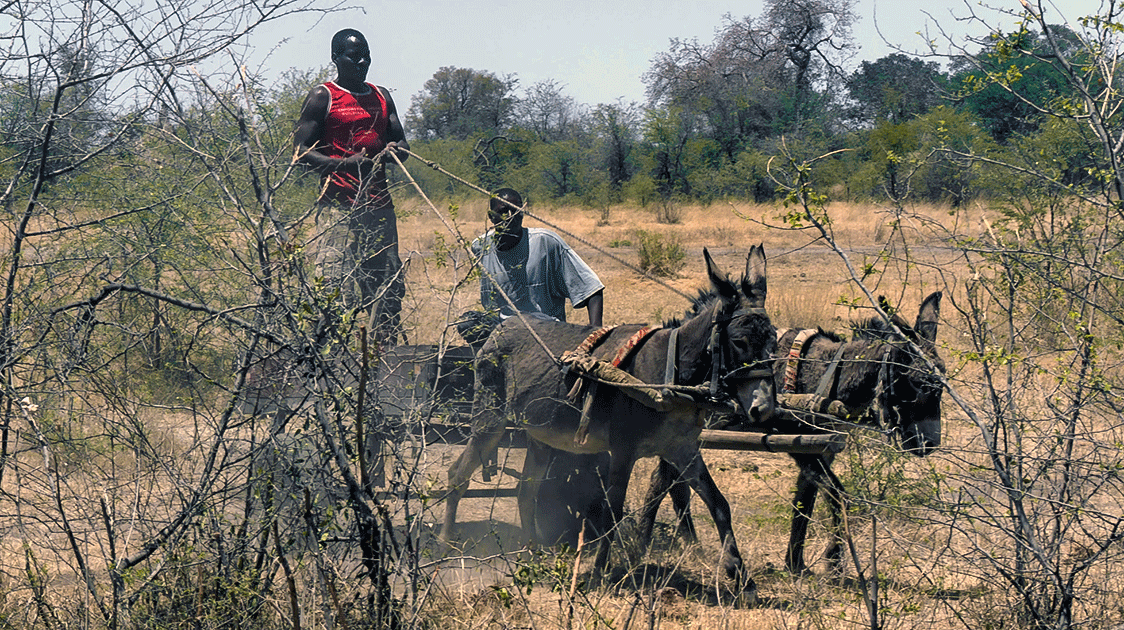
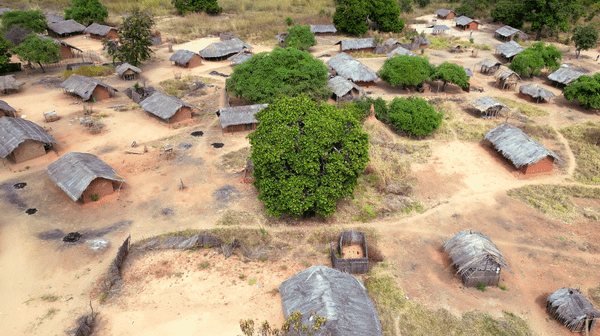
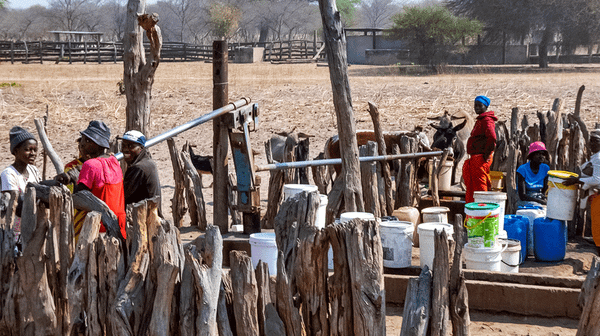
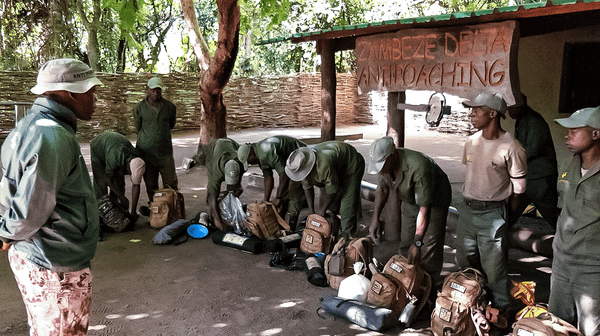
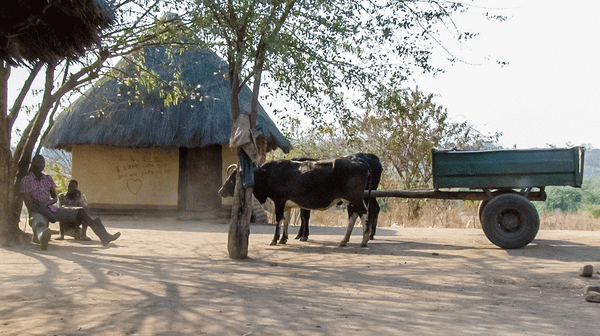
People living next to wildlife areas carry most of the cost of living next to wildlife: crop damage, livestock predation, and occasional human deaths. They also see most of what happens. The question for any anti-poaching operation is whether the communities on the reserve boundary are aligned with conservation outcomes or against them. The answer depends almost entirely on whether wildlife is worth more to them alive than dead.
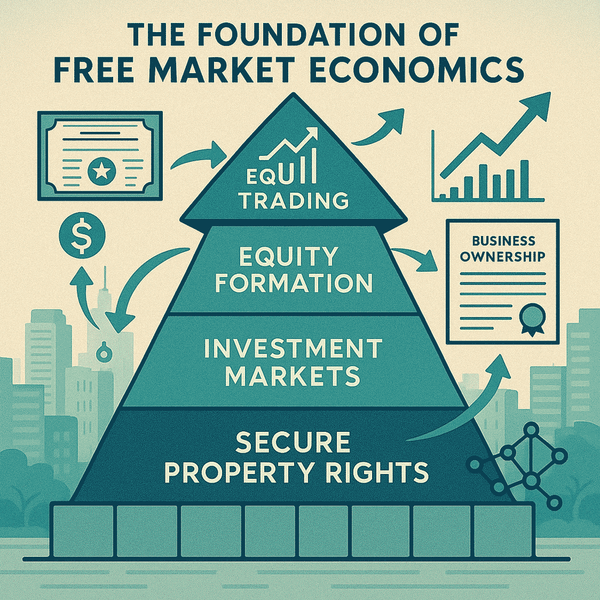
Patrol’s editorial line on this is that community-based natural resource management (CBNRM) works when communities hold real rights over the resource and capture real revenue from it.
Where they hold only token consultative rights, it does not.
Prof Brian Child sets out the underlying argument in Property Rights and Economic Efficiency and The Right to Decide?.
What CBNRM looks like in practice
Namibia’s communal conservancies
86 registered conservancies covering 166,179 km² (around 20 percent of the country) with 227,802 community members. Conservancies retain 100 percent of wildlife revenue at the community level, the highest retention rate in Africa, and generate approximately N$132 million (US$10 million) annually.
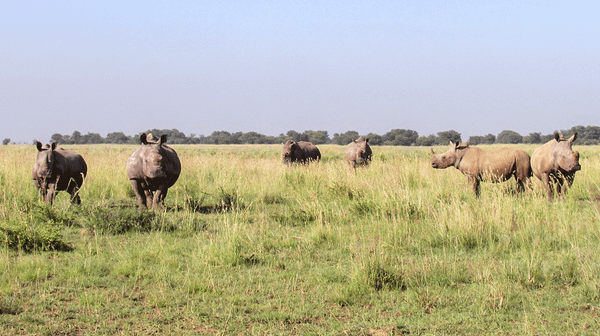
The elephant population tripled from 7,600 to 23,600 between 1996 and 2022. Namibia now hosts the world's largest free-ranging black rhino population.
Recorded poaching fell 60 percent in the years after the conservancy program reached scale.
Zimbabwe’s CAMPFIRE
Launched in 1989. Operates across 36 districts covering 12 million acres, benefits 2.4 million people directly. Between 1989 and 2001, CAMPFIRE generated US$20 million for participating communities, 89 percent from regulated sport hunting. Zimbabwe reformed the revenue split in 2022 to direct 100 percent of hunting revenue to communities, up from the previous 52-60 percent.
Zambia’s Game Management Areas
GMAs surround most major national parks. The revenue-sharing model returns 50 percent of trophy fees from regulated hunting to GMA communities, with an annual game meat distribution that runs to thousands of kilograms per community. Patrol covered the wider PES framework in Payments for Ecosystem Services in African Conservation.
Botswana’s mixed record
Botswana operates GMA-equivalent zones (the NG zones in the Okavango Delta region) with historically a 15 percent community revenue share, lower than Namibia or Zimbabwe.
The 2014-2019 hunting ban demonstrated what happens when the revenue stream disappears: community engagement collapsed in several areas, and human-wildlife conflict rose sharply.
Where community work goes wrong
Three patterns recur. First, revenue capture by intermediaries. When the share that reaches the household is too small to register against household income, the incentive evaporates.
Second, slow disbursement. A trophy fee earned in March that reaches the community account in December is psychologically detached from the activity that generated it.
Third, a mismatch between who pays the cost and who receives the benefit. A community on the edge of a national park bears the cost of elephant crop damage. If revenue flows to a national wildlife authority rather than to the affected community, the calculus of protection is broken.
Cameroon shows what happens when this breaks down.
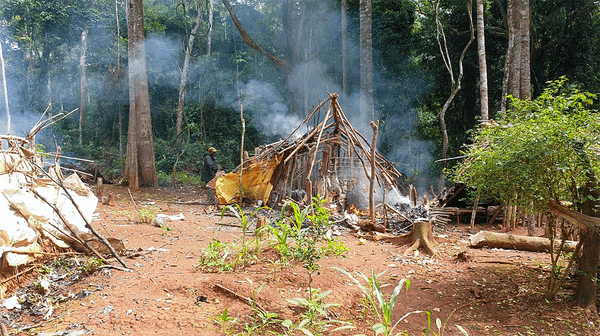
A single conservation program seized 1,392 kg of bushmeat, arrested 25 poachers and destroyed 260 hunting camps.
Poaching pressure resumed as soon as enforcement resources were withdrawn. Patrol covered this in Conservation vs. Livelihoods and The $200 Poacher vs. The $50,000 Safari Hunter.
Enforcement without alternative income for the communities adjacent to the park does not reduce hunting pressure. It just shifts it in time.
Practical mechanisms that work
Regulated safari hunting revenue shares
The single largest source of CBNRM revenue across southern Africa. Hunting concessions in Zambia’s GMAs, Zimbabwe’s CAMPFIRE areas, Mozambique’s coutadas and Cameroon’s northern zones generate revenue that flows to communities under formal agreements. The 100 percent retention models (Namibia, Zimbabwe post-2022) work better than the partial models.
Tourism employment and lodge revenue shares
Photographic tourism operations in the Okavango, Maasai Mara, Serengeti, Sabi Sand, and elsewhere employ thousands of rural community members directly and also provide community trust dividends.
Honey production, beekeeping and non-timber forest products
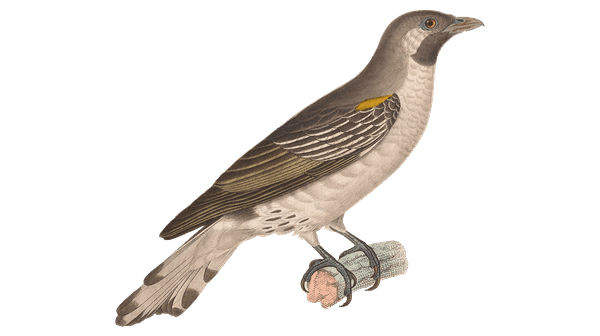
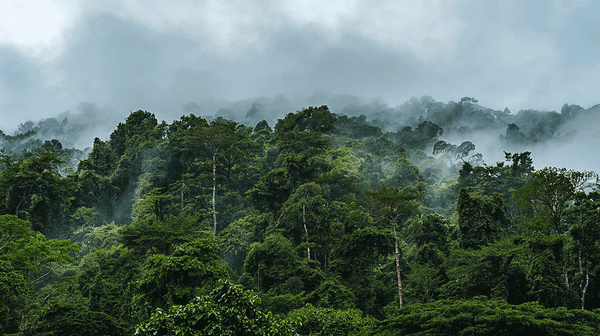
In LUWIRE, artisanal beekeepers are incorporated into the reserve’s security system because beekeepers in the forest are a deterrent to poachers and a source of intelligence.
Patrol covered the wider honeyguide-and-honey story in Mutualism and Murder and Honey for Money.
Game meat distribution
Zambia’s GMAs distribute thousands of kilograms of game meat annually to participating communities, generally from regulated hunting offtake. This converts wildlife into a tangible household benefit at the village level.
Human-wildlife conflict mitigation
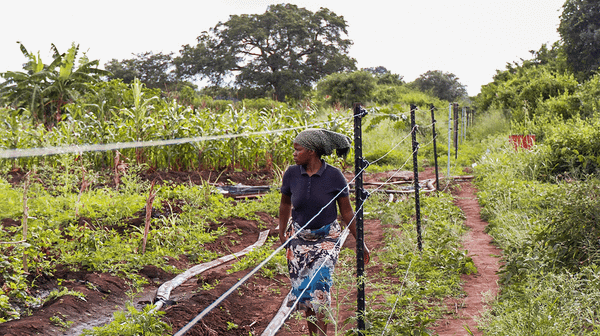
Predator-proof bomas (livestock kraals), elephant deterrent systems (chilli fences, beehive fences, GPS-tracked elephant herds), compensation schemes for livestock losses and crop damage.
Patrol covered the Wilberforce Ranch model in the Matobo Hills in Room for Cattle and Wildlife and the Mozambique Wildlife Alliance model in Creating Safe Spaces for People and Wildlife.
Changing community mindsets
The Lugenda Foundation in northern Mozambique has spent years on a program to address the underlying barriers to community success in food security and livelihoods.
The Foundation’s approach is not to force a program on communities but to engage with them to understand their needs first. Patrol covered the work in Changing Community Mindsets.
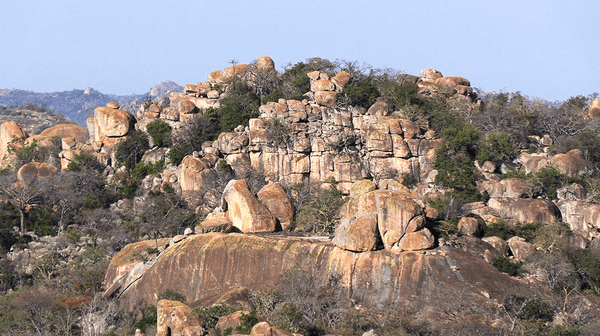
The Johnson brothers’ work in the Matobo Hills, covered in When Conservation Meets Community, uses a different model: long-term relationship-building between private wildlife operators and adjacent communal lands.
These programs work over decades, not over funding cycles. They are also not substitutes for the underlying economic structure.
Even the best community engagement program will fail if wildlife generates no income for the people who live alongside it.
The $30 billion question
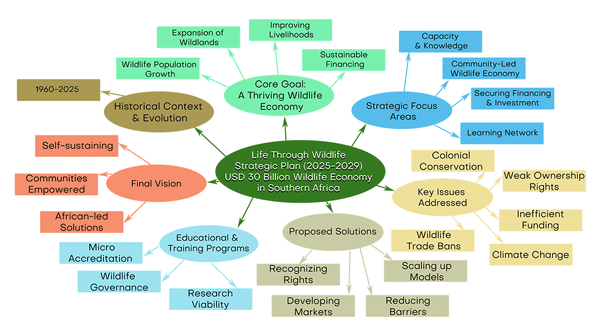
The largest single recent attempt to articulate what scaled community-based conservation could look like is the Life Through Wildlife Strategic Plan (2025-2029), which proposes an inclusive US$30 billion wildlife economy across southern Africa, built on community-led governance, sustainable financing and knowledge-based capacity-building.
Patrol covered the plan in The Life Through Wildlife Strategic Plan. Whether the funding will materialize is an open question.
The architecture of the plan, distributing revenue across thousands of community-managed units rather than concentrating it in a few flagship parks, is the structural change that matters.