Mozambique
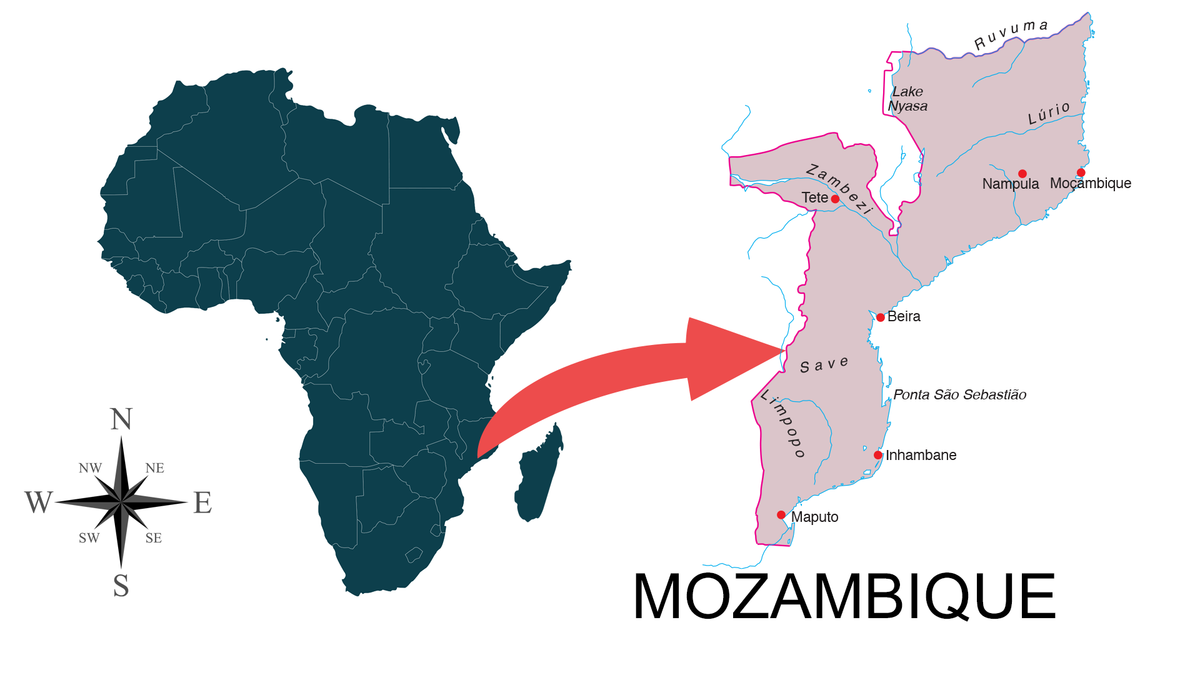
Mozambique’s conservation story is shaped by its post-war recovery. Between 1977 and 1992, civil war devastated wildlife populations across most of the country. Buffalo numbers in some areas dropped by 95 percent.
Selous-Niassa, Gorongosa, Coutada 11, and many other landscapes were left with remnant populations. The recovery has been led not by the government but by safari hunting operators, NGO partnerships, and a small number of private foundations that took over the work in the 1990s and 2000s when the state had no capacity to do it.
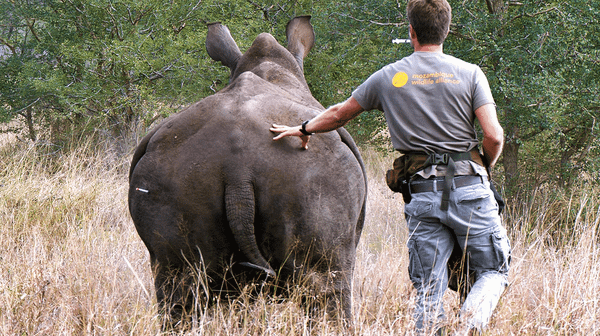
Mozambique is also the principal source country for the rhino poaching pressure on Kruger National Park in South Africa.
The Mozambican side of the Greater Limpopo Transfrontier Conservation Area has been the defining feature of southern African rhino dynamics for over a decade.
How conservation is organized
National Administration for Conservation Areas (ANAC)
The state agency, established in 2011, is responsible for the national park system (Gorongosa, Limpopo, Banhine, Zinave, Quirimbas, and others), the national reserves, and the coutadas. ANAC issues hunting licences and oversees concession leases.
Coutadas
Mozambique’s state hunting areas. Coutadas are National Conservation Areas where sustainable consumptive use is permitted, alongside ecotourism.
The original 15 coutadas were established in 1959. Today, most are leased to private safari operators who manage and protect the land. Coutada 11 (Zambeze Delta Safaris, 500,000 acres) and Coutada 9 (Rio Save Safaris) are the most-documented examples of post-war recovery.
National parks
Gorongosa is the headline park, managed under a long-running partnership with the Carr Foundation that has rebuilt populations from near-zero post-war. Limpopo National Park (10,000 km²) forms the Mozambican side of the Greater Limpopo Transfrontier Conservation Area with Kruger and Gonarezhou. Quirimbas, on the northern coast, includes marine and terrestrial components. Banhine and Zinave in the south are less visited.
Niassa Special Reserve
42,000 km² in the far north, the country’s largest protected area, roughly the size of Switzerland. Proclaimed 1954, with no formal protection until recently. Now subdivided into 17 blocks with mixed land-use classifications. Lugenda Wildlife Reserve (LUWIRE) is the most documented operation within Niassa.
Mozambique Wildlife Alliance (MWA) and other NGOs
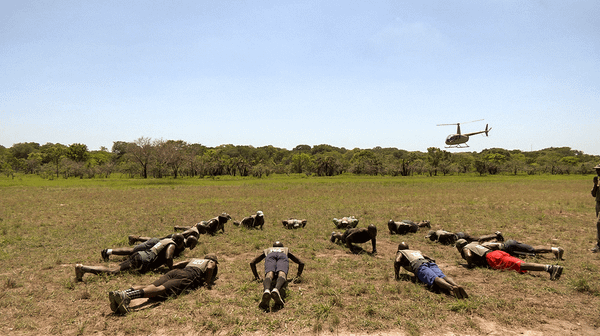
A growing network of NGOs working on specific landscapes and species, including community partnerships, human-wildlife conflict mitigation, and ranger training.
The major landscapes
Niassa Special Reserve
42,000 km² in northern Mozambique, bordered by the Rovuma River to the north (the Tanzanian border). Connected to Tanzania’s Selous via the Selous-Niassa wildlife corridor, this is one of the most important elephant landscapes in Africa.
Niassa lost a large percentage of its elephant population during the 2008-2014 ivory crisis, but has since stabilized. Patrol covered LUWIRE in Lifeblood to a Wilderness, Tackling Illegal Activities and Patrolling Versus Intelligence.
The Lugenda Foundation’s community work is covered in Changing Community Mindsets.
Zambeze Delta and Coutada 11
500,000 acres in central Mozambique, with sections within the Zambezi River delta. Before the war, Coutada 11 was one of Africa’s premier wilderness areas. Buffalo populations crashed from 45,000 to 1,200 during the war.
Mark Haldane of Zambeze Delta Safaris acquired the lease in 1992 and has rebuilt the area over three decades.
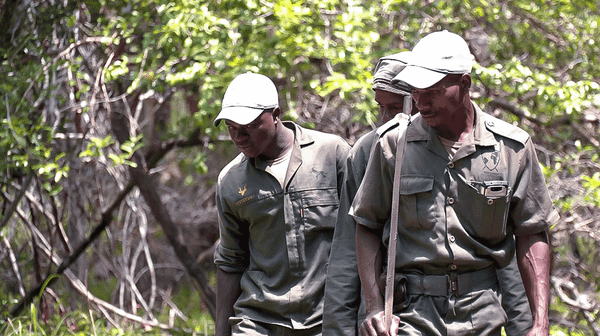
The anti-poaching unit was founded with five former poachers from the local community and now consists of 25 professionally trained rangers. Covered in From Devastation to Thriving Wilderness and Zambeze Delta Safaris: A Flagship Conservation Project.
Coutada 9
Manica Province in central Mozambique. Rio Save Safaris took over in 2002 with only remnant populations of buffalo, kudu, and a few other species. Jackal, hyena, wildebeest, and waterbuck were locally extinct.
The recovery has involved building four safari camps, opening 1,500 km of roads, constructing 13 dams, and reintroducing key species. Covered in Re-wilding Coutada 9.
Gorongosa
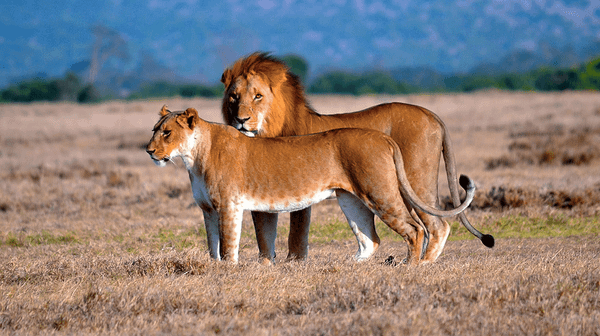
4,067 km² in central Mozambique. The most internationally publicized Mozambican recovery, led by the Carr Foundation partnership since 2008. Lion, elephant, buffalo, and other species have rebuilt from a near-zero baseline.
Limpopo National Park
10,000 km² in southern Mozambique, bordering Kruger. The Mozambican side of the Greater Limpopo TFCA, which has been the operational landscape for rhino-horn trafficking groups crossing into Kruger since around 2008.
The main threats
Rhino poaching (Limpopo / Kruger)
The Mozambican side of the Greater Limpopo has been the dominant source of rhino poaching pressure on Kruger for over a decade. Trafficking networks operate across the border, with rural communities in the Mozambican border districts providing recruitment, transit, and protection. South African enforcement has driven significant prosecutions, but the cross-border dynamic continues.
Ivory poaching (Niassa)
Niassa lost a large percentage of its elephant population during the 2008-2014 ivory crisis. Industrial-scale poaching has been reduced through a combination of LUWIRE’s operations and increased ANAC presence, but the population is rebuilding from a much lower base.
Bushmeat snaring
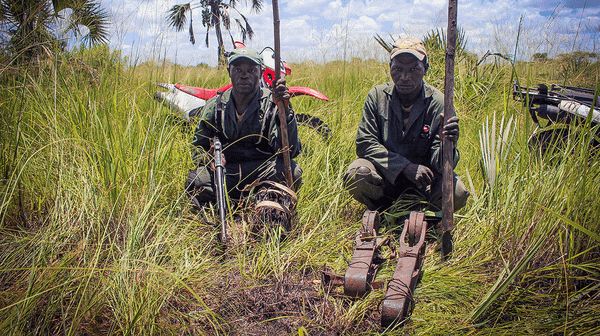
The daily threat across most operational anti-poaching work in Mozambique. Coutada 11 alone accounts for tens of thousands of snares removed over three decades.
Mukula timber trafficking
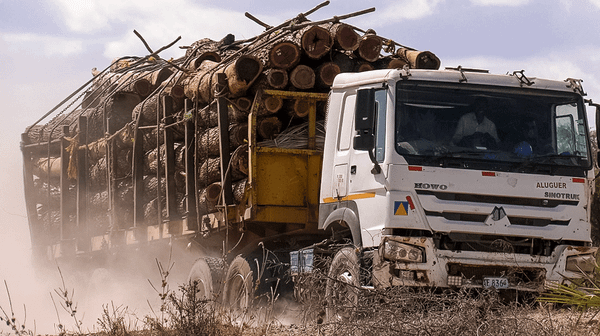
Mozambique is both a producer and a transit country for Zambian mukula. Northern Mozambican ports have been used to export rosewood to China when Zambian routes tighten.
The trade is covered in Timber & Succulents.
Charcoal production
Charcoal extraction for the Maputo and regional urban markets is a continuous pressure on woodland across the country. LUWIRE and other operations treat charcoal kilns as core anti-poaching workload alongside snares.
Fish poaching
Inland fish camps using fine mesh nets are a major problem in the various river systems.