Tactics & Technology
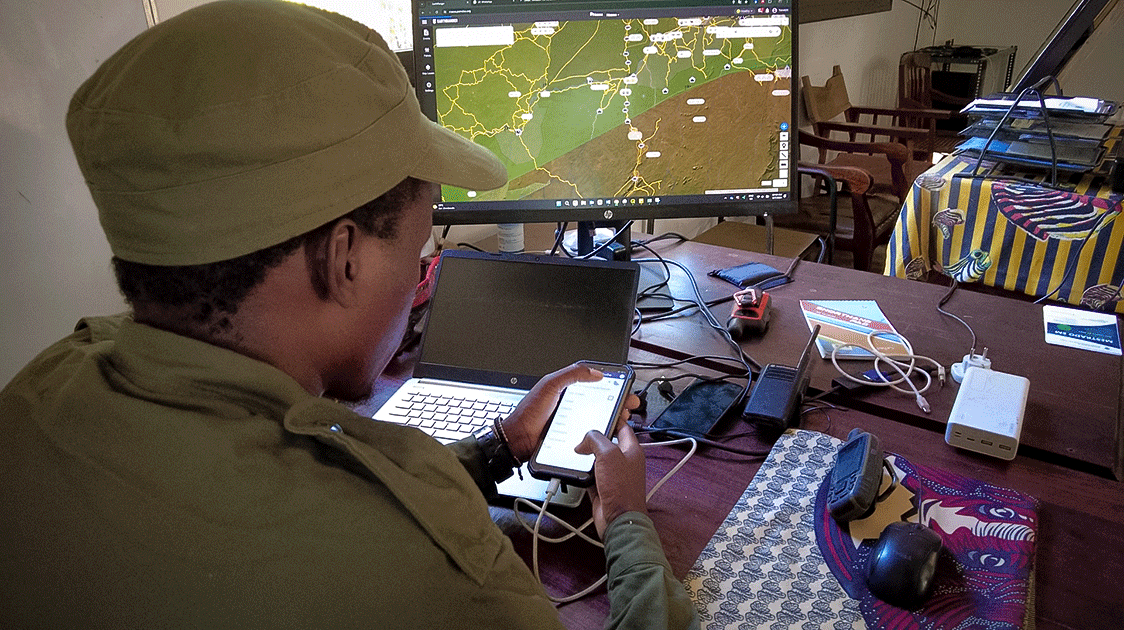
Anti-poaching operations are built on a small number of methods that have not changed much in 30 years and a wider toolkit of equipment and software that has changed substantially in the last decade.
The methods are foot patrols, vehicle and boat patrols, informant work, intelligence analysis and prosecution.
The toolkit now includes thermal optics, drones, cellular trail cameras, integrated ops-room dashboards, K9 units, helicopter and fixed-wing aerial support.
The point of this page is to outline what each component does, what it costs, and its limits.
The reserves with the lowest poaching figures are not the ones with the most expensive equipment. They are the ones running consistent patrols, paying their handlers regularly, and keeping community work funded through the lean years.
Foot and vehicle patrols
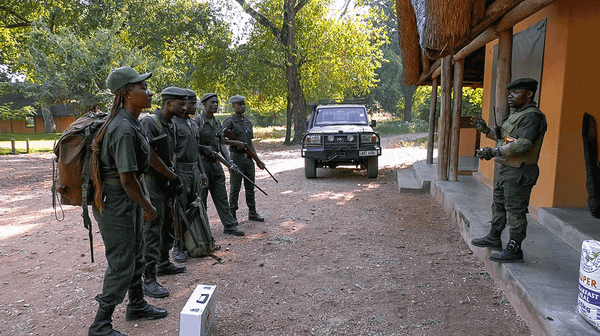
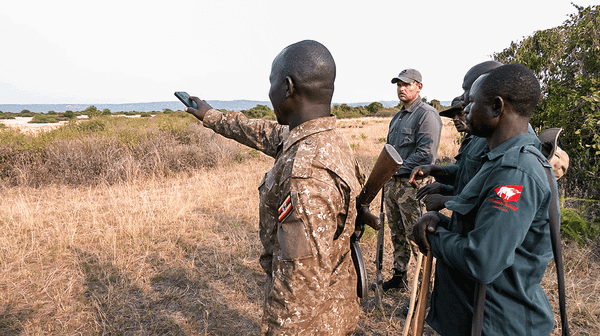
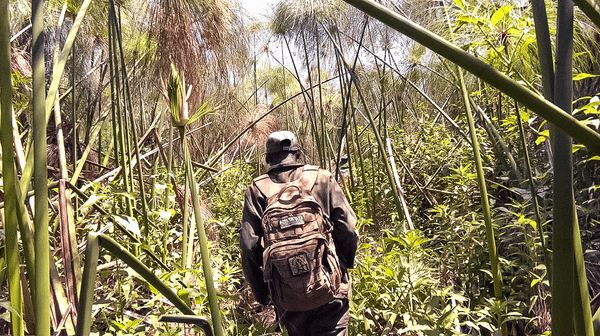
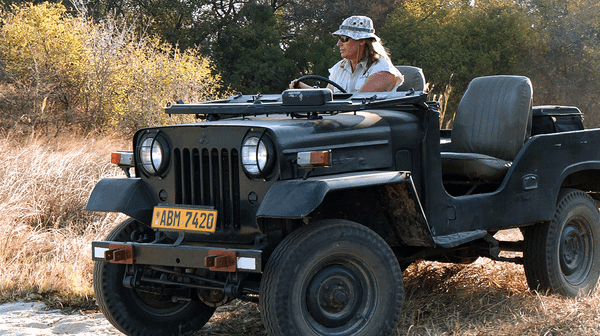
The base layer of any anti-poaching operation is the patrol. Routes are set against the previous week’s incidents, recent informant reports, wildlife movement patterns, water availability, weather and the operational pattern of known poacher groups. Routes rotate. Predictability gets rangers killed.
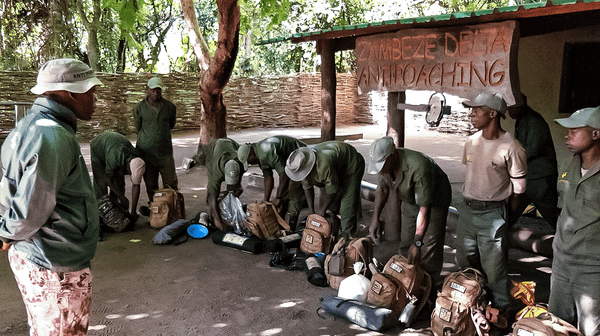
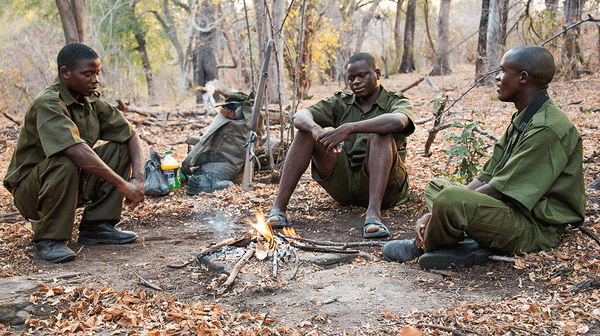
A typical patrol carries water, rations, a radio, GPS, a basic medical kit, and on most operations, a rifle.
The Weight of Protection walks through what a Zambeze Delta ranger actually carries on a multi-day operation. All Night in Ambush is a fair starting point if you want to know what an actual operation feels like.
River patrols
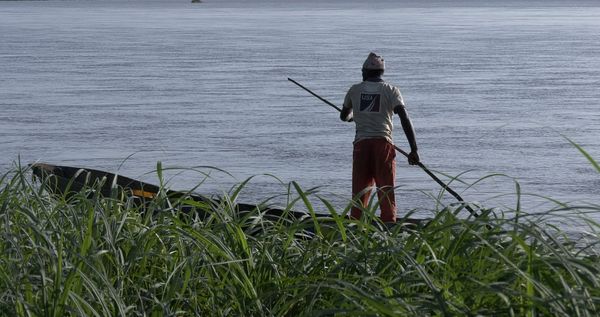
River patrols cover ground that neither foot nor vehicle patrols can reach.
The Zambezi, Kafue, Rufiji, Luangwa, Rovuma and Lugenda systems all run for hundreds of kilometers through wilderness where the river is the only practical line of access.
Outboard boats let teams approach landings, fish camps and crossings without engine noise. Engines are cut some distance from a target. Patrols recover gillnets, monofilament, bushmeat, ivory in transit and timber moving downstream.
Rivers are also the main lines of cross-border movement, which gives river patrols an intelligence value beyond the immediate interception. Read more on River Patrols.
Aerial support
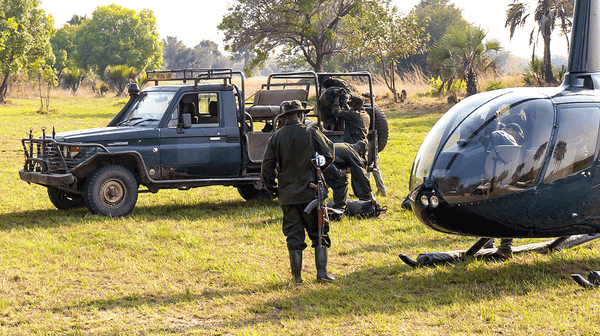
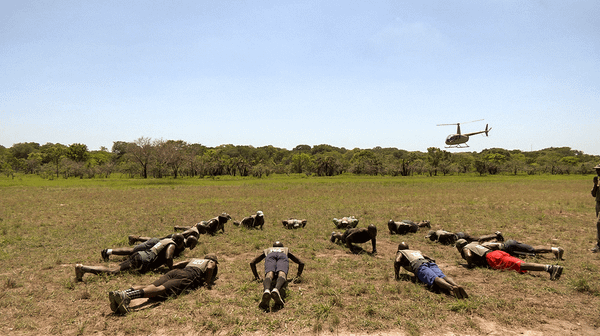
Aerial support covers ground that no foot, vehicle or boat patrol can. The standard fixed-wing platform across southern and eastern Africa is the Bat Hawk, a South African-built light-sport aircraft that has become the workhorse of African anti-poaching aviation.
Helicopters carry capabilities the fixed-wing platforms do not (hover, casualty evacuation, dehorning support) but at substantially higher operating cost.
Drones extend a unit's line of sight, but battery life, weather, and payload all constrain operations. The aircraft does not catch poachers. The ground team does. The aircraft tells the ground team where to walk. Read more on Aerial Support.
K9 units
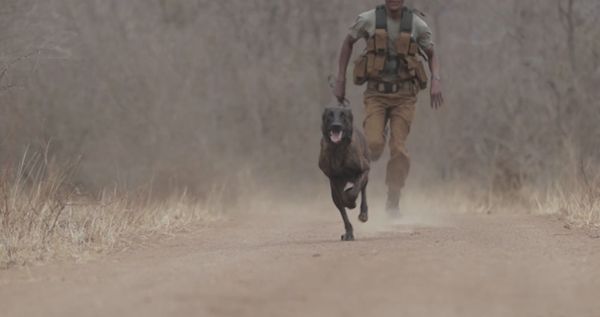
The numbers from Kruger National Park are the clearest evidence available. Before the K9 unit was established in 2012, foot patrols caught around 3 to 5 percent of known poachers entering the park.
With tracker dogs deployed, the rate climbed to 54 percent.
Free-running packs have pushed it as high as 80 percent on individual tracks. The unit grew from three dogs to about 55 in Kruger, with roughly 75 working across South African parks.
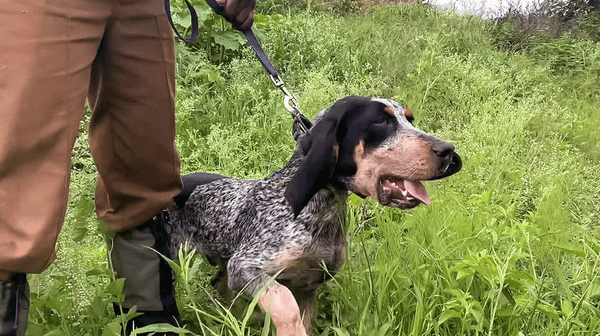
Belgian Malinois, Bloodhounds and crossbreeds dominate. Cold-scent breeds can follow a trail up to eight hours old.
A working K9 unit costs hundreds of thousands of US dollars per year once kennels, handlers, vet care, training, vehicles, and pack housing are included. Patrol covered the work in Take Action Dog Unit.
Informant networks
Behind every working anti-poaching operation is an informant network. Rangers cannot see what the surrounding community sees: unfamiliar vehicles, fresh tracks leading off paths, butchery noises, and the arrival of outsiders.
LUWIRE in northern Mozambique credits its intelligence network with 80 to 90 percent of successful interventions. The network extends to major towns hundreds of kilometers outside the reserve.
A handler holds the relationships and pays small cash rewards for actionable tips. The handler relationship is the asset, and it takes years to build. Read more on the Informant Network System.
Patrol data platforms
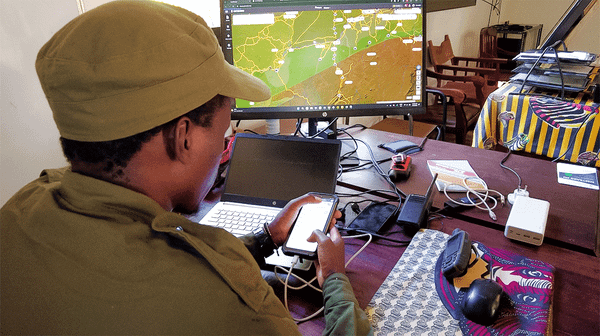
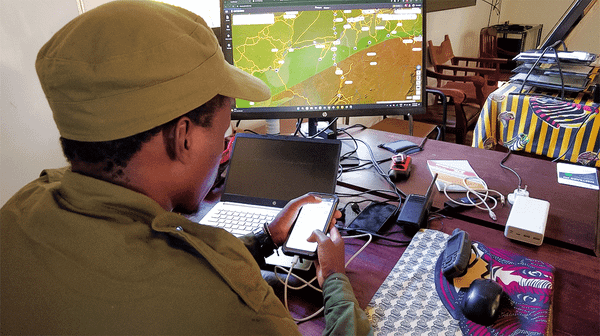
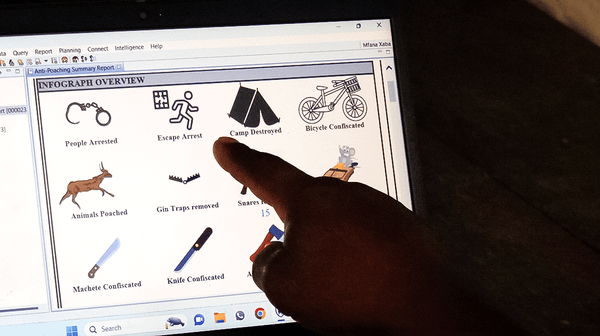
Two platforms dominate. SMART (Spatial Monitoring and Reporting Tool) is used at over 1,200 sites in more than 100 countries. It logs patrol effort, observations and incidents offline in the field, then syncs when connectivity is available.
Earth Ranger runs at over 900 sites in more than 80 countries. It handles live tracking of vehicles, collars and rangers in a single operational view.
The two organizations announced in 2026 that they would merge into a combined platform called SERCA, with rollout beginning late 2026.
The platforms matter operationally because they let an ops room turn months of patrol observations into patterns: poacher chokepoints, seasonal pressure, repeat actors.
Inside the Ops Room shows how LUWIRE uses this side of the operation. The data is only as good as the patrols and the discipline with which they log. The platforms do not solve poaching. They give an operations commander a map.
Cameras and acoustic sensors
Trail cameras are stronger evidence than live detection. A camera captures who passes a chokepoint and when, which supports prosecutions and maps poacher movement patterns over time.
Live alerting depends on cellular or satellite coverage, which most reserves do not have across their full area. Footage is usually reviewed after an incident.
Acoustic detection is a smaller but growing tool. Rainforest Connection’s AI-powered acoustic sensors detect chainsaws in real time and have been deployed in West and Central African forests. Gunshot localization systems exist at a handful of sites globally, but are not yet a regional standard.
The cellphone problem
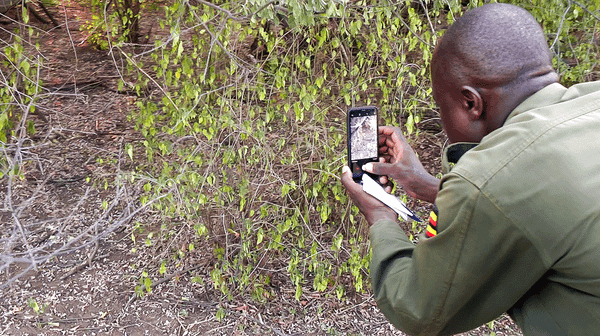
Cellphone coverage cuts both ways. Lake Albert Safaris in Uganda’s Kabwoya Wildlife Reserve has documented poachers tracking ranger vehicle movements by phone and shifting bushmeat caches when patrols are sighted.
Patrol covered this dynamic in Cellphones in Anti-Poaching and the wider technology piece, Wired for Wildlife, Watched by Default. The same tool that lets rangers photograph snares, log positions and stay in touch across remote terrain also lets poacher groups coordinate.
Rangers respond by rotating routes, maintaining radio silence during operations, and limiting the amount of information that moves over open networks.
In Coutada 11, Mozambique, poacher groups use phones to coordinate across the concession. The asymmetry is not going away. It is one of the reasons informant networks matter so much: phones move messages, but they do not move trust.
Community involvement
People living next to wildlife areas carry most of the cost of living next to wildlife: crop damage, livestock predation, and occasional human deaths.
They also see most of what happens. Where conservation pays them (through regulated hunting revenue shares, photographic tourism employment, game meat distribution, conservancy dividends), the calculus on poaching tilts toward protection.
Where it does not, it reverses. Patrol’s editorial line is that community-based natural resource management works when communities hold real rights over the resource and capture real revenue from it. Where they hold only token consultative rights, it does not. Read more on Community Involvement.
Reading the field
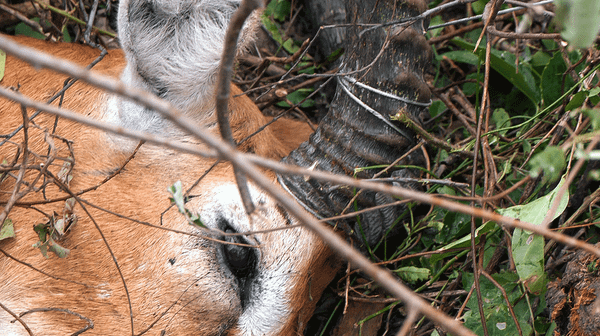
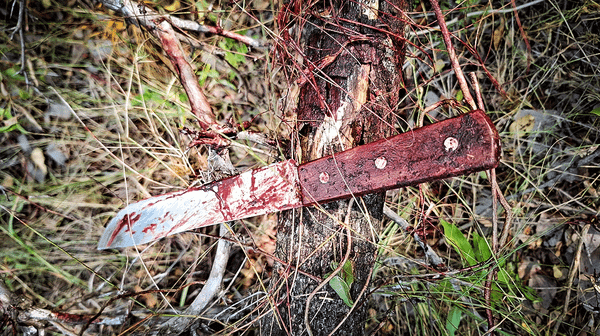
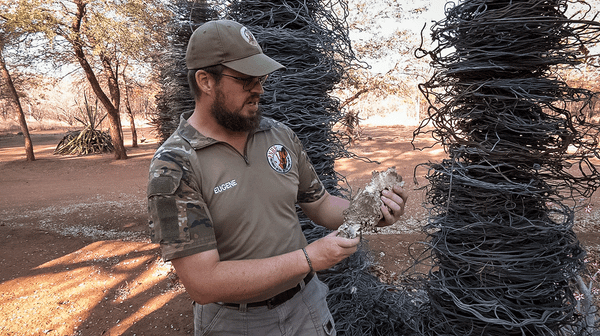
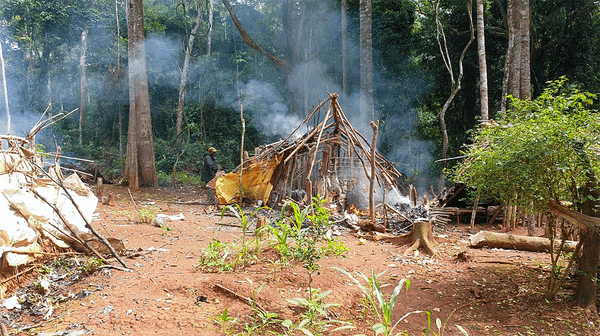
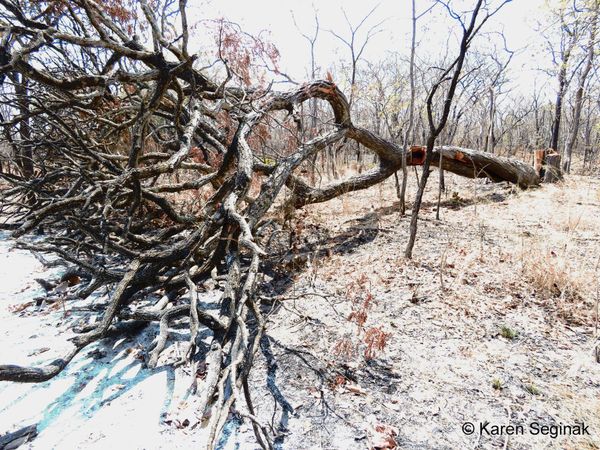
Most patrols don’t end in arrests. They end in evidence. A snare line cleared. A fish camp dismantled. A tree freshly cut for timber. A vehicle track that wasn’t there yesterday.
Field signs also tell rangers who they are dealing with.
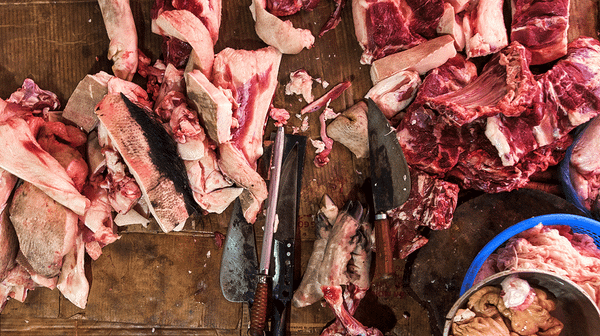
The materials, the spacing, the way a snare line is tied off, all carry a kind of signature. Signature Snarelines is Lake Albert Safaris’ Aston Sparks, reading the evidence at Kabwoya in Uganda.
The cost
Globally, two rangers are killed in the line of duty every week. More than 1,000 rangers have been killed worldwide in the last decade.
Around 88.6 percent of those casualties are African rangers. Patrol covered this in The Forgotten Heroes. Causes include armed contact with poachers, vehicle and aircraft accidents, animal attacks, malaria and other illnesses.
In the Niassa Special Reserve, vehicle accidents take more rangers than poachers do. In parts of eastern DRC and CAR, armed conflict is the leading cause.
Frequently asked questions
Are K9 units more effective than foot patrols alone?
The numbers from the Kruger National Park are the clearest evidence available. Before the K9 unit was established in 2012, foot patrols caught around 3 to 5 percent of known poachers entering the park.
With tracker dogs deployed, the rate climbed to 54 percent. Free-running packs have pushed it as high as 80 percent on individual tracks.
The unit grew from three dogs to about 55 in Kruger, with roughly 75 working across South African parks. Belgian Malinois, Bloodhounds and crossbreeds dominate. Cold-scent breeds can follow a trail up to eight hours old.
Why don’t drones solve the problem on their own?
Drones extend a unit's line of sight. They do not extend what a unit can do. A thermal camera picks up a heat signature in thick bush at night, but a ranger team still has to walk in, identify the target, and make the call.
Battery life, payload, weather and the cost of replacement airframes all constrain operations. Most reserves running drones also run dogs, foot patrols and an informer network. The drone is one input into the ops room. The operation runs on the people.
What software do rangers use to manage patrol data?
Two platforms dominate. SMART (Spatial Monitoring and Reporting Tool) is used at over 1,200 sites in more than 100 countries. It logs patrol effort, observations and incidents offline in the field, then syncs when connectivity is available.
EarthRanger runs at over 900 sites in more than 80 countries. It handles live tracking of vehicles, collars and rangers in a single operational view.
How do informant networks actually function?
A handler holds the relationships and pays small cash rewards for actionable tips. Informants come from the communities adjacent to the reserve.
They report unfamiliar vehicles, fresh tracks leading off paths, butchery noises, and the arrival of outsiders. Information is graded for reliability before it reaches a patrol commander.
The system works because rural communities see what rangers cannot. The handler relationship is the asset, and it takes years to build.
How do poachers use technology against rangers?
Cellphone coverage cuts both ways. Lake Albert Safaris in Uganda’s Kabwoya Wildlife Reserve has documented poachers tracking ranger vehicle movements by phone and shifting bushmeat caches when patrols are sighted. In Coutada 11, Mozambique, poacher groups use phones to coordinate across the concession.
Encrypted messaging makes intelligence gathering harder. Rangers respond by rotating routes, maintaining radio silence during operations, and limiting the amount of information that moves over open networks.
What does a river patrol cover?
River patrols operate where roads do not reach. On the Zambezi, Kafue and Rufiji systems, electric or muffled outboard boats let teams approach landings, fish camps and crossings without engine noise giving them away.
Patrols recover gillnets, monofilament, bushmeat, ivory in transit and timber moving downstream. Rivers are also the main lines of cross-border movement in much of the region, which gives river patrols an intelligence value beyond the immediate interception.
Are camera traps useful for catching poachers?
They are stronger as evidence than as live detection. A trail camera captures who passed a chokepoint and when, which supports prosecutions and maps poacher movement patterns over time.
Live alerting depends on cellular or satellite coverage, which most reserves do not have across their full area. Footage is usually reviewed after an incident.
Most operators use trail cameras for wildlife monitoring and post-event documentation, with patrols and informers carrying the real-time load.
What does anti-poaching technology cost?
A working K9 unit costs hundreds of thousands of US dollars per year once kennels, handlers, vet care, training, vehicles, and pack housing are included.
A small drone fleet with thermal optics, spares and a licensed pilot is similar. Operators typically fund anti-poaching efforts from a mix of safari-hunting revenue, tourism, donor grants, levies, and private trusts.
Government wildlife authorities cover ranger salaries in some jurisdictions and rarely much beyond that. Funding gaps, not technology gaps, are the binding constraint in most concessions.
How dangerous is ranger work?
Figures compiled by the International Ranger Federation and the Thin Green Line Foundation put line-of-duty ranger deaths at around two per week globally. Over the last decade, more than 1,000 rangers have been killed worldwide.
African rangers account for the largest share. Causes include armed contact with poachers, vehicle and aircraft accidents, animal attacks and disease.
Why does technology alone fail?
Equipment breaks. Donors move on. Software licenses lapse. Personnel change. The reserves with the lowest poaching figures are not the ones with the most expensive equipment.
They are the ones running consistent patrols, paying their handlers regularly, and keeping community work funded through the lean years. Continuity of presence is the variable that matters most.