Zimbabwe
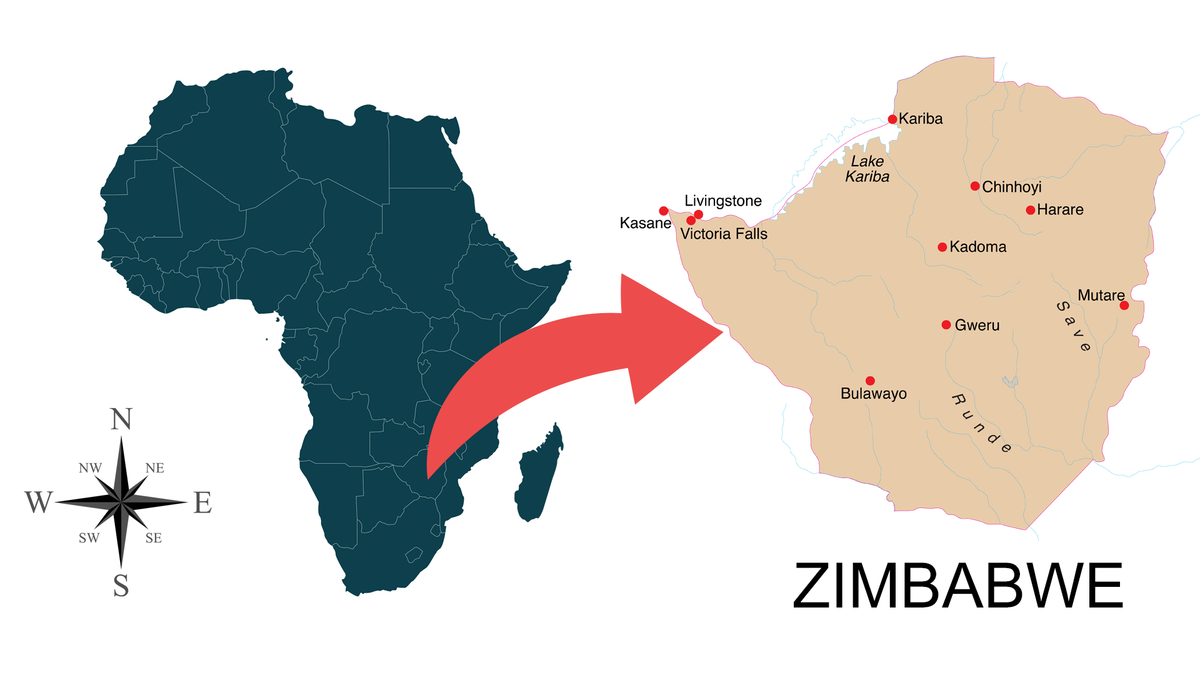
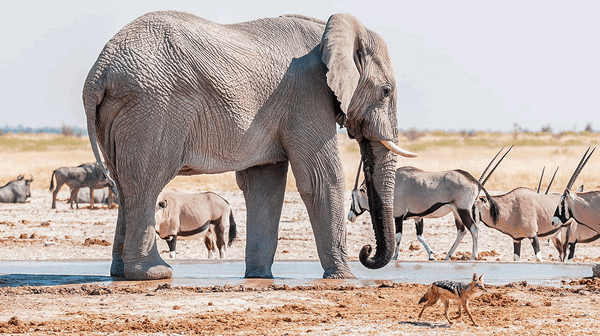
Zimbabwe holds the second-largest African elephant population (over 82,000 animals) and was the country that invented the modern community-based natural resource management model.
CAMPFIRE, launched in 1989, was the template that Namibia, Zambia and Botswana later adapted in their own forms. Zimbabwe also runs one of the largest and oldest private conservancy systems in Africa, including the Save Valley Conservancy in the southeast lowveld.
Conservation in Zimbabwe operates against persistent fiscal stress at the state level. The country’s wildlife has held up better than the government has, in large part because private operators, conservancy landowners, and community trusts have kept the work funded through successive economic crises.
How conservation is organized
Zimbabwe Parks and Wildlife Management Authority (ZimParks)
The state agency, established in 1949 and reformed multiple times since. ZimParks is responsible for the national parks system (Hwange, Mana Pools, Gonarezhou, Matusadona, Chizarira, and others). Like most African wildlife authorities, it is chronically underfunded.
CAMPFIRE
The Communal Areas Management Programme for Indigenous Resources operates across 36 districts covering 12 million acres. It benefits 2.4 million people directly and 600,000 households indirectly.
Between 1989 and 2001, CAMPFIRE generated US$20 million for participating communities, 89 percent of it from regulated sport hunting.
In 2022, Zimbabwe reformed the revenue split so that 100 percent of hunting revenue now flows directly to communities, up from the previous 52 to 60 percent. Patrol covered the wider PES framework in Payments for Ecosystem Services in African Conservation.
Private conservancies
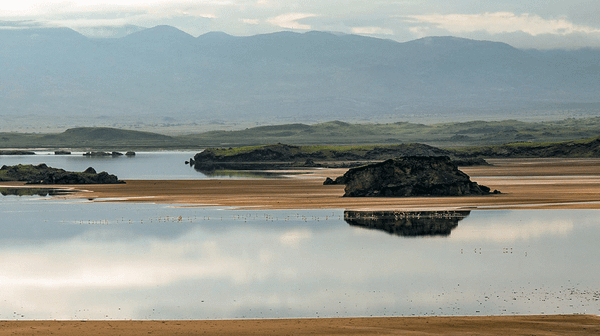
The Save Valley Conservancy (3,400 km², southeast lowveld) was formed in 1992 when the regional drought bankrupted cattle ranchers, who consolidated their properties as a wildlife area. Save Valley now holds a significant share of Zimbabwe’s black rhino population.
Bubye Valley Conservancy and Malilangwe nearby operate on similar private conservation models. Each conservancy member runs their own anti-poaching operation, with periodic discussions of consolidation into a unified force.
Safari hunting operators
Hunting concessions in the Sebungwe, Zambezi Valley, and Save Valley areas fund the bulk of the anti-poaching work on land outside the formal park system.
The major landscapes
Save Valley
A 3,400 km² private conservancy in the southeast lowveld, formed in 1992 from consolidated cattle ranches during the worst regional drought in a century.
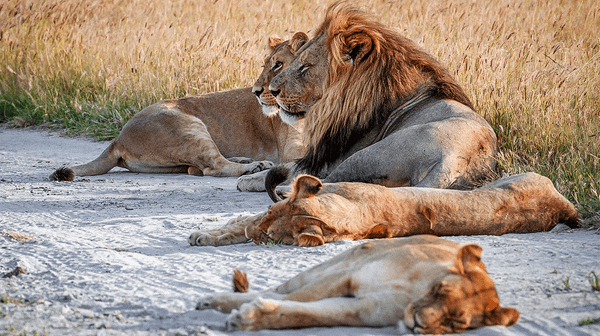
Now holds significant elephant, rhino, and predator populations. Bushmeat snaring is the daily threat; rhino poaching is the high-profile threat.
Patrol covered the area in The Save Valley Conservancy Anti-Poaching Operations and Birth of a Wildlife Refuge.
Hwange
Zimbabwe’s largest national park, at 14,650 km², is in the northwest of the country, forming the southeastern corner of the KAZA Transfrontier Conservation Area. Hwange holds one of the densest elephant populations in Africa.
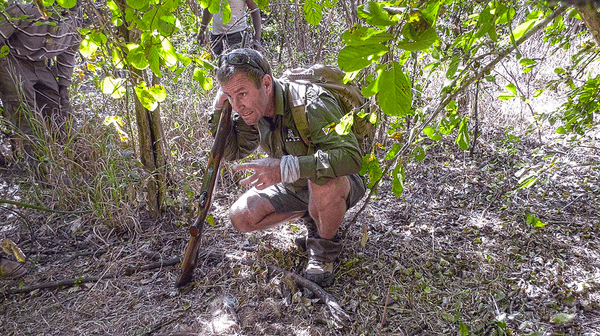
Snaring along the park boundary is the primary anti-poaching workload. Guides Against Poaching covers John Laing’s long-running snare-removal initiative working the Hwange boundary using old telephone wire collection as the starting point.
Matobo Hills
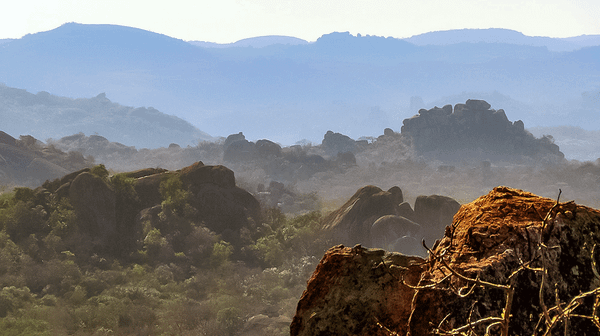
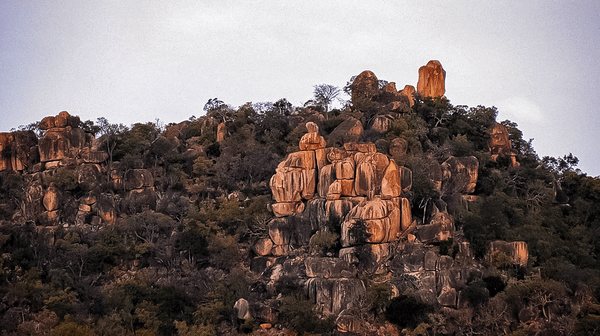
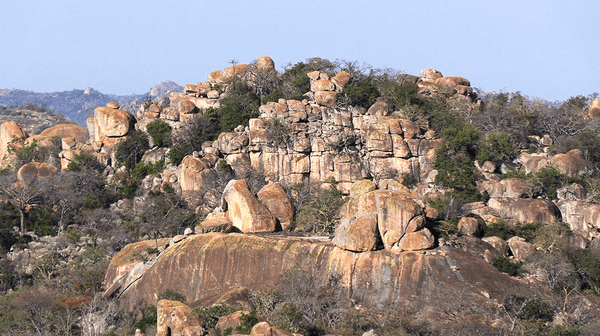
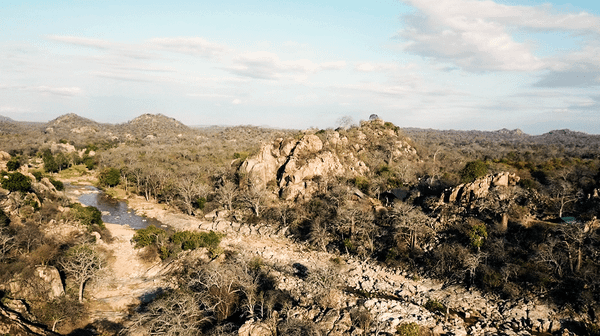
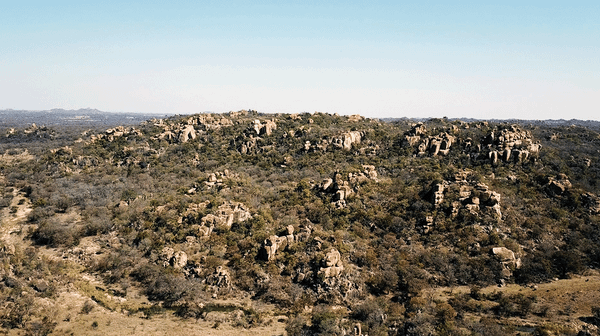
A granite kopjie landscape in Matabeleland South. The Matobo conservation model combines small-scale private ranches, communal land, and community-engaged conservation work led by operators like Guav and Courteney Johnson.
Patrol covered this in The Matobo Hills: A Unique Conservation Venture, When Conservation Meets Community, and Room for Cattle and Wildlife, which looks at the Wilberforce Ranch as a model for cattle-wildlife coexistence.
The Matobo also hosts the Isibaya Leopard Conservation Project and the Isibaya stock replacement system for predator-livestock conflict.
Zambezi Valley and Mana Pools
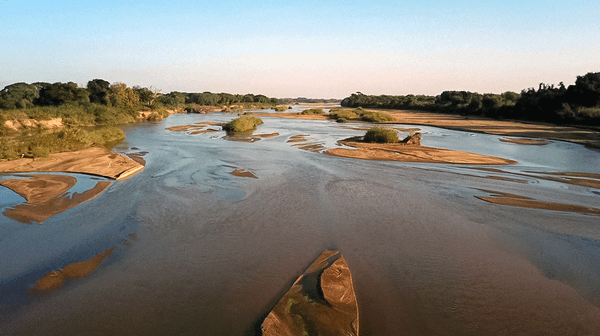
The Lower Zambezi forms Zimbabwe’s northern border with Zambia. Mana Pools National Park (2,500 km²) is the centerpiece, with adjacent Sapi, Chewore and Charara safari areas. Ivory poaching by groups crossing from the Zambian side has been the historic threat.
Gonarezhou
5,053 km² in the southeast, contiguous with Save Valley to the north and Mozambique’s Limpopo National Park to the east. Part of the Greater Limpopo Transfrontier Conservation Area connecting Kruger, Limpopo, and Gonarezhou.
Managed under a partnership between ZimParks and the Frankfurt Zoological Society.
The main threats
Bushmeat snaring
The largest daily threat across most of Zimbabwe. Wire is sourced from fencing, telephone cable, and anything poachers can get their hands on.
Rhino poaching
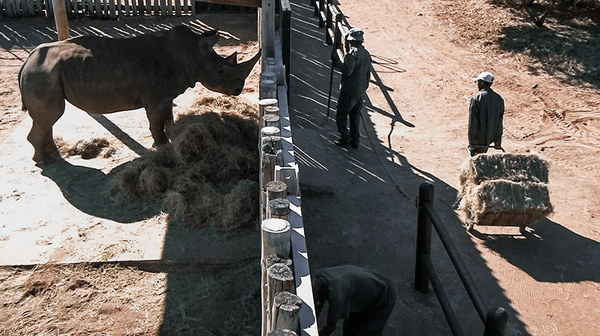
Save Valley, Bubye, and Malilangwe host most of Zimbabwe’s rhinos. Pressure has fluctuated over the past 15 years, in line with global rhino horn prices and crime trends on the Mozambican side.
Ivory poaching
Concentrated in the Sebungwe and Lower Zambezi areas. Cross-border movement from Zambia and Mozambique is a recurring feature.
Cyanide poisoning
Cyanide poisoning of waterholes for elephants and other wildlife became a significant threat in Hwange from 2013 onwards. The salt-based delivery method makes it indiscriminate; vultures, lions, hyenas, and other scavengers die alongside the targeted elephants.