Poaching Threats
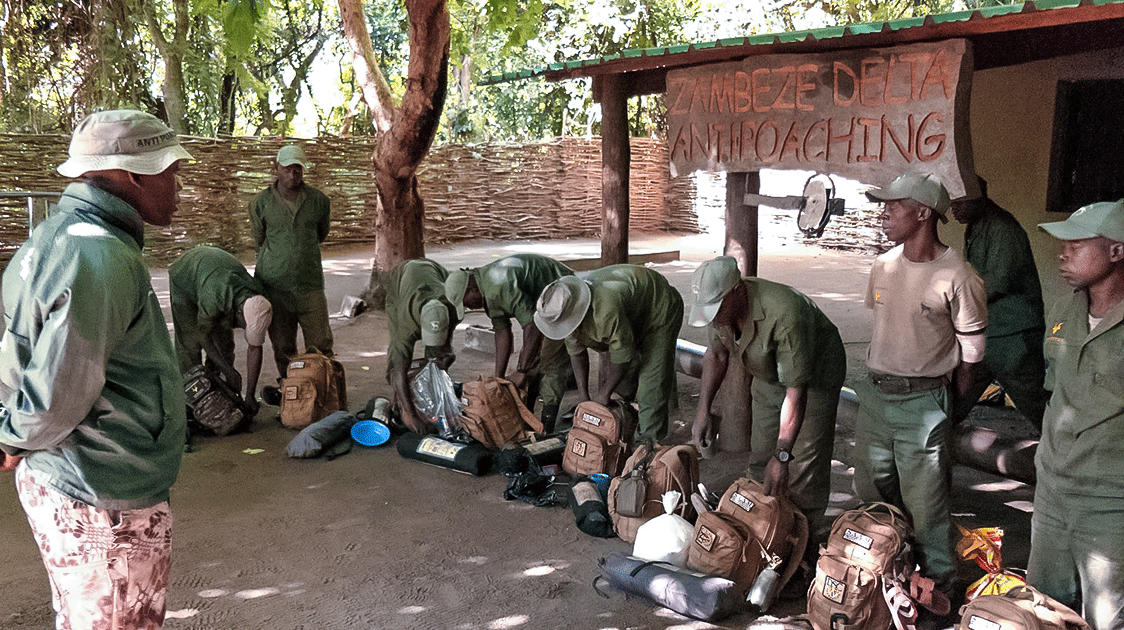
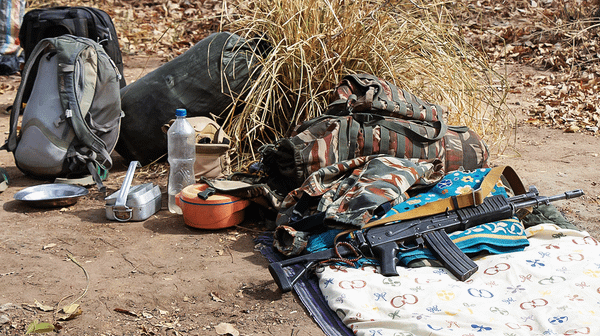
Poaching is not one problem. It is a spectrum, from the poacher setting wire snares on a game trail to the international trafficker shipping pangolin scales by the tonne. Patrol covers the full range because the same enforcement gaps and economic drivers run through it all.
Below are the four threat categories covered on this site, ranked by volume rather than headline value. Each links to the relevant section.
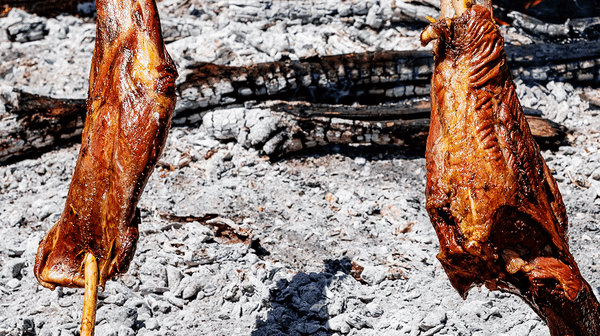
Bushmeat trade
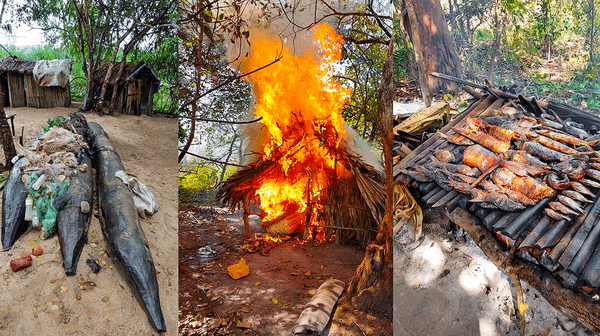
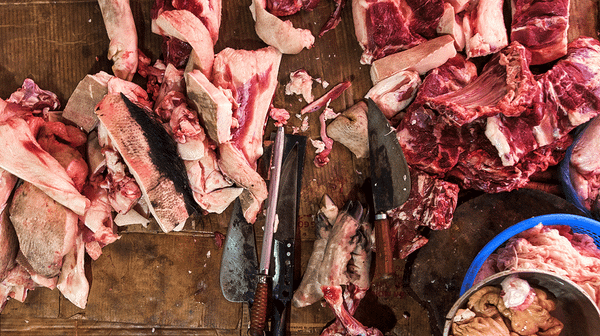
The largest illegal wildlife trade in Africa by volume. West and Central Africa alone account for an estimated 1 to 5 million tonnes per year.
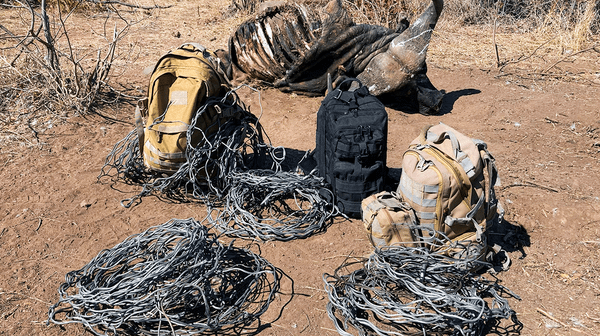
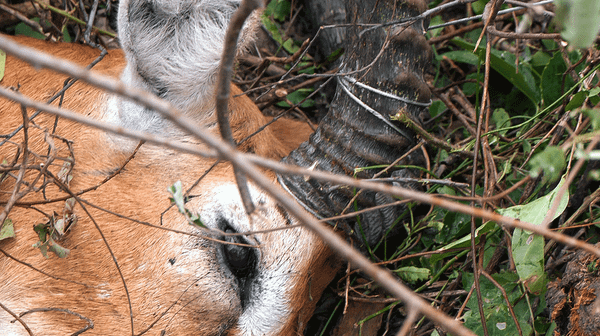
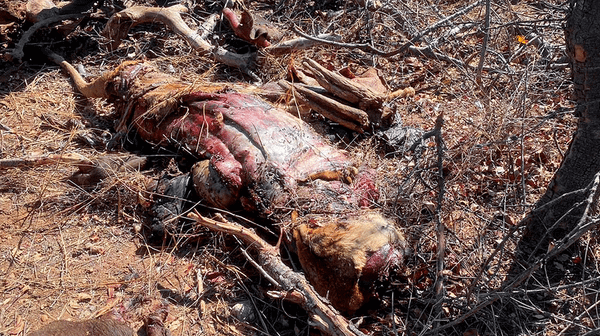
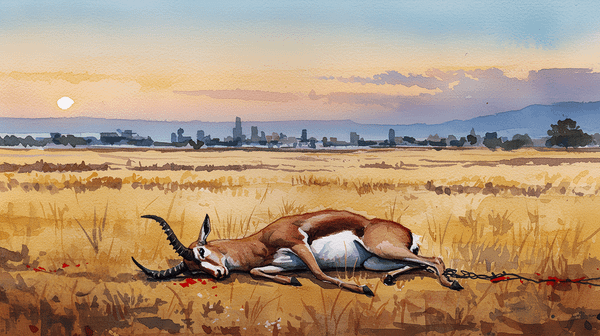
Most of it is taken with wire snares made from fencing wire, telephone cable and motorbike clutch and brake cable. The poacher is the lowest-paid participant in a chain that runs through transporters, urban traders and city restaurants. Bushmeat Trade is the landing page for this section.
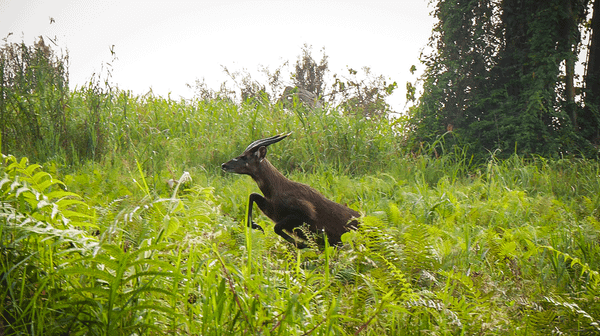
The framing piece is The Hidden Crisis, and Treat the Symptoms or Solve the Problem? traces a single antelope from snare to plate.
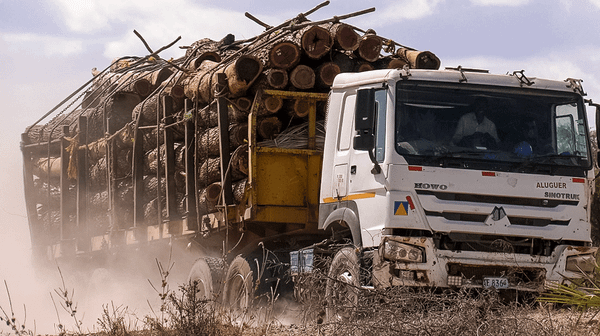
Timber and succulents
Africa loses an estimated US$17 billion a year to illegal logging. The dominant story since 2010 has been rosewood, driven almost entirely by Chinese demand for hongmu furniture.
Mukula, kosso, and African blackwood are the main species traded. Succulents and medicinal plants are a smaller but rising threat, particularly in South Africa’s Karoo, where rare conophytum and lithops species are taken to order for collector markets in Asia and Europe.
Timber & Succulents is the landing page for the section.
Tackling Illegal Activities explains how Mozambique’s Lugenda Wildlife Reserve addresses charcoal, timber, poaching, and overfishing as interconnected problems.
Ivory and rhino horn
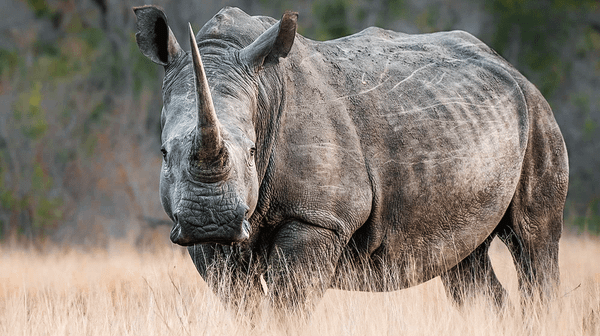
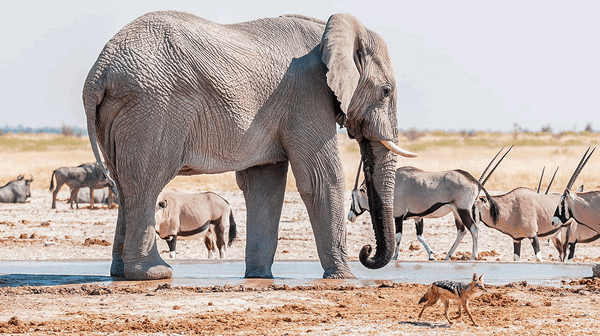
Around 20,000 elephants are killed for ivory each year. Rhino horn moves in smaller volumes but at a higher unit value.
The demand drivers are not primarily medicinal, as they are often described. For rhino horn, the current drivers in Vietnam and China are traditional medicinal, status, gift-giving, the persistent cancer-cure myth, and post-binge hangover use.
For ivory, the driver is decorative carving, particularly in China and Southeast Asia.
Prof Brian Child’s Whose Rhino is it Anyway? sets out why the public-goods framing of rhino conservation has produced the current outcomes.
Endangered species
Pangolins are now the most trafficked mammal in the world by volume, taken for scales used in Chinese and Vietnamese traditional medicine and for meat.
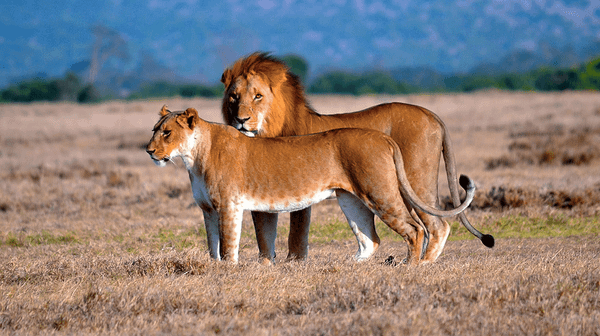
Lion poaching for body parts (teeth, claws, bones, fat) has emerged as a discrete threat over the last decade, partly displacing the older tiger-bone trade. Dr Daniel Stiles covered this in Targeted Poaching of Lions for Body Parts Trade.
Big cats also face a separate pressure from the global market in captive specimens, examined in Where have all the Big Cats gone?.
Threats that don’t fit the categories
Some threats sit outside the standard four-bucket framing.
Commercial gambling poaching in northern KwaZulu-Natal: gangs release large packs of trained dogs to chase and kill wildlife for bets on the outcome. This is not subsistence, and it's not bushmeat; it's recreation.
Killing hummingbirds for love: dried hummingbird carcasses sold as folk-magic love charms (chuparosas) in parts of Latin America. Not African, but covered on Patrol because the trafficking model is recognisable.
How Patrol covers this
Patrol’s editorial line is factual and data-led, with a bias toward economic evidence and ground-level reporting over advocacy framing. Three things matter consistently across the threat categories above:
The market drivers are the binding constraint. Demand from China for rosewood, ivory and pangolin scales, demand from Vietnam for rhino horn, and demand from African cities for bushmeat.
Demand-reduction work that ignores these specifics tends to fail. Do Trade Bans Protect Wildlife? covers the evidence on bans.
The poacher is rarely the beneficiary. Across timber, ivory and bushmeat, the poacher captures the smallest margin in a long chain. The $200 Poacher vs. The $50,000 Safari Hunter makes the comparison directly.
Devolved rights work better than bans alone. Property Rights and Economic Efficiency sets out the underlying argument.
Where rural communities hold secure rights over the resource and its income, illegal off-take falls. Where they do not, it doesn’t.