Cameroon
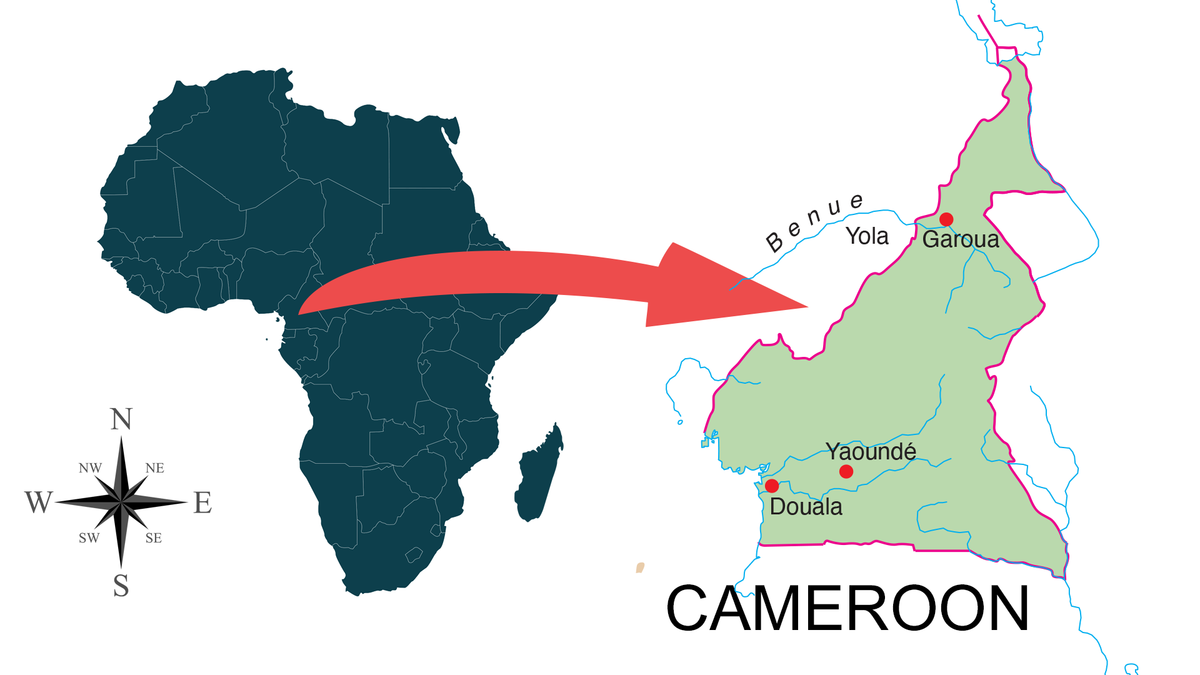
Patrol’s in-depth coverage of Central Africa concentrates on northern Cameroon and the Bénoué Complex. The wider region (Cameroon, Gabon, the Republic of Congo, the Central African Republic, the Democratic Republic of the Congo, Chad, and Equatorial Guinea) faces a different set of conservation pressures from southern and eastern Africa.
Forest ecosystems, logging-road access, transboundary armed groups, and great ape sensitivity dictate anti-poaching tactics.
Cameroon is divided into a northern savanna conservation landscape and a southern forest landscape. The two are functionally separate systems with distinct threats, operators, and solutions.
Northern Cameroon: the Bénoué Complex
The Bénoué Complex covers 23,394 km² in northern Cameroon and is structured as three national parks (Bénoué, Bouba Ndjida, Faro) surrounded by approximately 28 hunting concessions.
The concession share is around 70 percent of the total complex area. The hunting concessions carry most of the anti-poaching funding across the complex.
The economics of the complex are set out in The $200 Poacher vs. The $50,000 Safari Hunter. A bushmeat poacher operating in the complex earns roughly $200 for an animal that, if taken legally by a safari hunter, generates $50,000 in trophy fees, conservation fees, community payments, and operator revenue.
The financial geometry of the complex relies on the second figure to fund protection against the first.
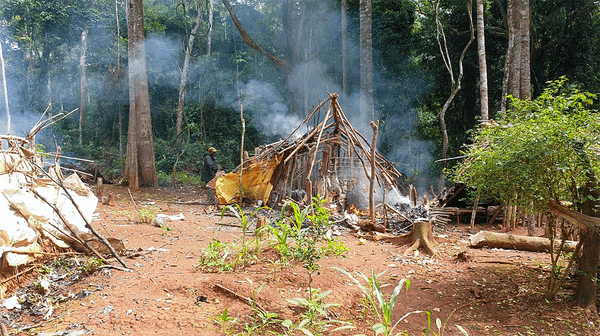
The enforcement reality is set out in Conservation vs Livelihoods. A single Cameroon conservation program seized 1,392 kg of bushmeat, arrested 25 poachers, and destroyed 260 hunting camps. Hunting pressure resumed as soon as enforcement resources were withdrawn.
Mayo Oldiri
Mayo Oldiri runs four hunting concessions in northern Cameroon, two of which border Bouba Ndjida National Park. The operation works closely with His Majesty Abdoulaye Aboubakary, the Lamido of Rey Bouba, and the director of Boubandjida National Park, Patrick Tadjo.
The traditional Lamido system of authority remains operationally significant in northern Cameroon. Covered in Mayo Oldiri, Anti-poaching Operations in Cameroon.
Southern Cameroon: the forest belt
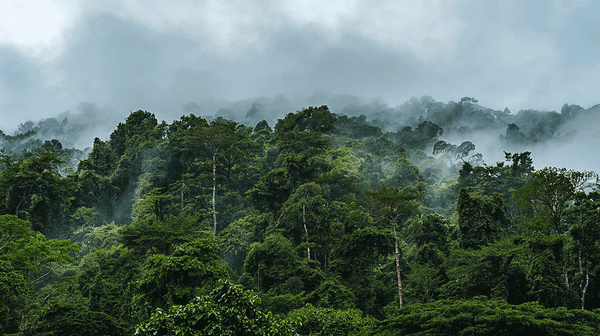
Southern Cameroon contains the country’s forest national parks (Korup, Lobeke, Boumba-Bek, Nki, and Dja) and lies at the northern edge of the Congo Basin. The conservation picture here is closer to the neighboring Republic of Congo and Gabon than to northern Cameroon. Great apes (lowland gorillas and chimpanzees) are the most sensitive species.
The Wildlife Conservation Society and WWF run significant operations across the southern forest parks.
The dominant threats are logging-road bushmeat extraction (the same dynamic across the Congo Basin), trophy poaching for forest elephant ivory, and the ongoing pressure on great ape populations.
The cross-border threat
Local commercial poachers are a daily threat across most of Cameroon. Foreign armed gangs are the higher-stakes threat.
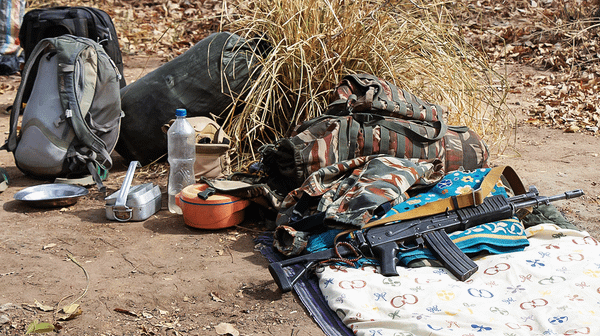
Heavily armed poaching groups from Chad, CAR, Sudan, and Nigeria periodically infiltrate northern Cameroon.
In 2012, an estimated 300 to 400 elephants were killed in Bouba Ndjida National Park in a single coordinated incursion by armed Sudanese groups, one of the largest single-event ivory poaching incidents on record.
This dynamic shapes how anti-poaching operations work in northern Cameroon: they sometimes draw on military special forces support, and the security framing of conservation work is closer to a counter-insurgency model than to a traditional ranger operation.
Wider Central Africa
Chinko, Central African Republic
A 64,000 km² wilderness in eastern CAR, bordering DRC, South Sudan, and Sudan. Managed by African Parks since 2014. One of the most remote and least-visited conservation landscapes in Africa, with a persistent armed group presence in the surrounding region.
Eastern Democratic Republic of the Congo
Virunga National Park (a gorilla stronghold) and the surrounding areas are among the most dangerous conservation landscapes in the world. Multiple armed groups draw operational financing from the illegal timber, charcoal, and bushmeat trades. Ranger fatalities at Virunga are among the highest of any park globally.
Gabon and the Republic of Congo
Both countries have made significant conservation investments. Gabon’s 13 national parks cover around 11 percent of the country.
The Republic of Congo’s Nouabalé-Ndoki National Park has been a long-running WCS partnership. Both face logging-driven bushmeat extraction as the primary daily threat.