Uganda
Uganda’s conservation history reads as a cautionary tale and a recovery story in equal measure. At independence in 1962, Uganda had close to 30,000 elephants. By 1985, after Amin’s rule and the subsequent bush war, the population had been reduced to around 2,000.
Safari hunting was banned in 1979. The wildlife authority lost capacity. Most of the country’s large mammal populations crashed.
The current Ugandan wildlife system is the product of a deliberate rebuilding effort starting in the 1990s.
The Uganda Wildlife Authority has been reestablished, regulated hunting has been reintroduced in limited form, and private safari operators working on a safari hunting model have restored several formerly degraded reserves.
Bushmeat poaching remains the dominant daily threat.
How conservation is organized
Uganda Wildlife Authority (UWA)
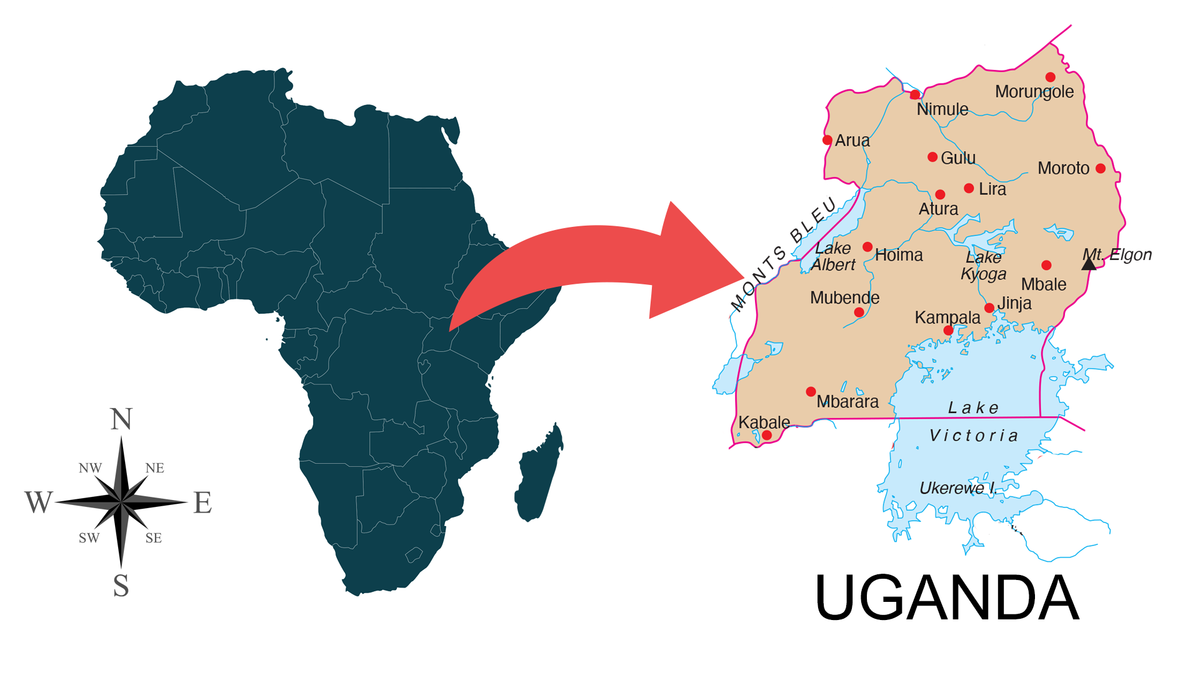
The state agency was established in 1996 by merging the previous national parks and game departments. UWA manages the 10 national parks (Murchison Falls, Queen Elizabeth, Kidepo Valley, Bwindi Impenetrable, Mgahinga, Lake Mburo, Kibale, Mount Elgon, Rwenzori, Semuliki) and the wildlife reserves.
The Joint Operations Command Centre (JOC) at Murchison Falls coordinates inter-agency anti-poaching.
Wildlife reserves and controlled hunting areas
Several reserves operate on a model of private safari-hunting concessions in partnership with UWA. Kabwoya Wildlife Reserve on Lake Albert and Ziwa Rhino Sanctuary are the most documented. The safari hunting concession model has driven significant wildlife recovery in these areas.
Community-based conservation
Uganda has revenue-sharing arrangements between national parks and adjacent communities. The mechanism is less developed than in southern Africa, but the principle is similar: a share of park-derived revenue flows to surrounding communities to align local incentives with conservation outcomes.
Private safari operators
Lake Albert Safaris (Bruce Martin and Aston Sparks) operates in Kabwoya Wildlife Reserve.
Patrol has covered their work in Cattle Out, Wildlife In, Cellphones in Anti-Poaching, and Storehouse Full of Snares and Traps.
The major landscapes
Murchison Falls Conservation Area
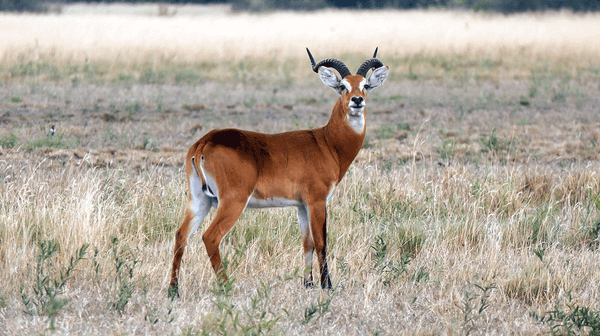
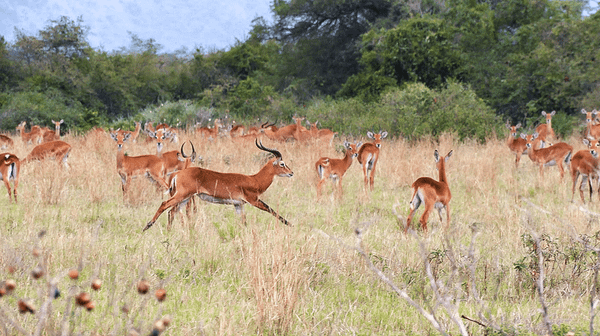
5,663 km² in northwestern Uganda, the country’s largest protected area. Bisected by the Nile. Holds Uganda’s largest elephant population and significant Uganda kob, buffalo, and giraffe populations.
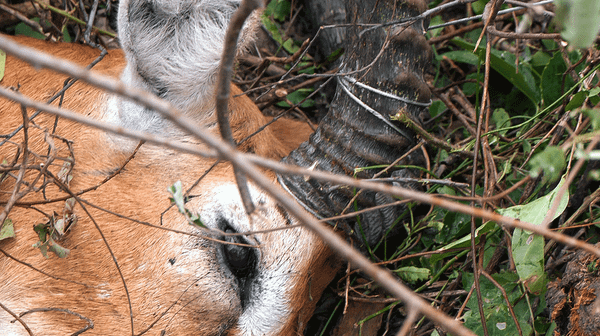
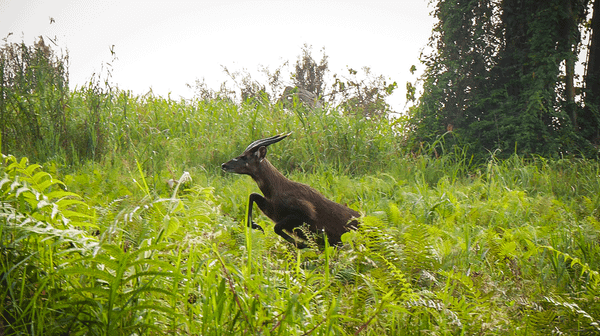
Wire snare poaching is the dominant threat, with Uganda kob as the primary target species. Patrol covered the operational picture in Piles Upon Piles of Snares and Traps, featuring Chief Warden Fred Kiiza and the Joint Operations Command Centre.
Kabwoya Wildlife Reserve
On the eastern shore of Lake Albert in Hoima District. The only ecologically intact savanna along a 200 km stretch of lakeshore. Established as a controlled hunting area in 1963, devastated through the 1970s-1990s civil unrest, gazetted as a wildlife reserve in 2002, with safari hunting rights leased to Bruce Martin.
The reserve hosts chimpanzees in riverine forest, leopards, spotted hyenas, and over 460 bird species, including Albertine Rift endemics. Patrol covered the restoration in Cattle Out, Wildlife In.
Queen Elizabeth National Park
1,978 km² in southwestern Uganda, bordering the DRC’s Virunga. Tree-climbing lions, elephants, and buffalo. Increasing tourism revenue, ongoing snare poaching pressure from surrounding fishing communities.
Bwindi and Mgahinga
Forest parks hold around half of the world’s remaining mountain gorillas. Gorilla tourism is the highest-value-per-visitor conservation product in Africa. Anti-poaching here is about snare removal and the gorilla habituation program rather than the savanna-style threat profile elsewhere in Uganda.
Ssese Islands
84 islands in Lake Victoria with 66,000 residents. Patrol covered the pressure on forest ecosystems here in Islands of the Gods. Different threat profile from the mainland: forest clearing, fishing pressure, and limited enforcement reach.
The main threats
Wire snare poaching
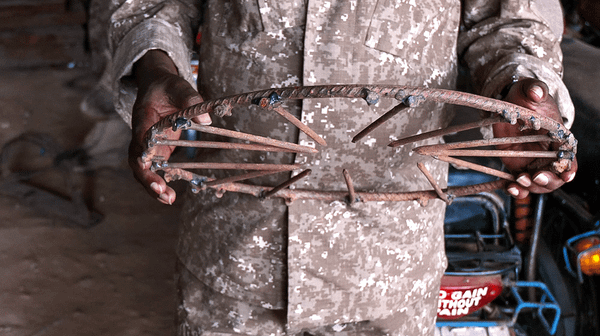
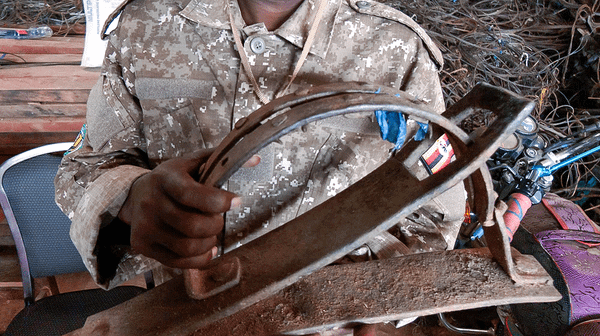
The primary threat across most Ugandan conservation areas. Uganda kob is the principal target species; buffalo, giraffe, and other large mammals are bycatch. Snares are typically made from fencing wire and motorbike clutch and brake cables.
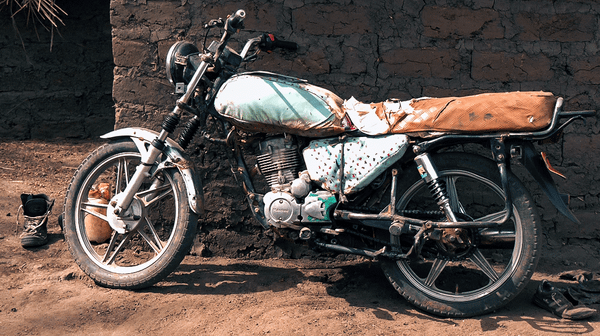
Boda boda (motorbike taxi) culture is particularly developed in Uganda, which is reflected in the volume of cable available for snare manufacture.
Cellphone-enabled poaching
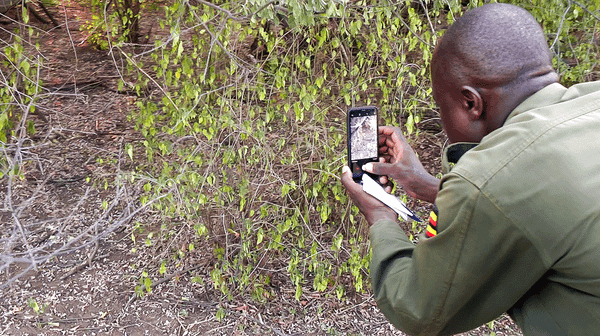
A specifically Ugandan feature, well documented at Kabwoya. Poachers use phones to track ranger vehicle movements and to coordinate the bushmeat trade.
Patrol covered this in Cellphones in Anti-Poaching and the wider piece on surveillance technology, Wired for Wildlife, Watched by Default.
Elephant poaching
Ivory poaching in Murchison Falls and Queen Elizabeth, lower volume than in southern or eastern Africa today, but persistent. Cross-border movement from South Sudan and the DRC is a recurring feature in the north and west.
Habitat encroachment
Uganda has one of the highest population growth rates in the world. Pressure on protected area boundaries from agriculture, settlement, and grazing is intensifying.
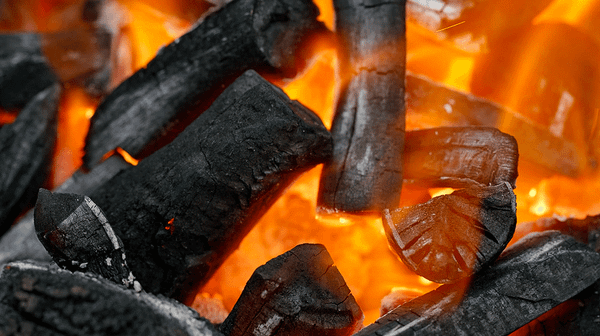
Charcoal production and timber extraction add to the load on forest reserves.