Interview with Dr Chris Comer



By Zig Mackintosh Key Takeaways * In 1975, Zimbabwe changed wildlife law to give landholders rights and economic incentives to keep wildlife on their land. * At the same moment, CITES and the animal-rights movement signaled a new era of international influence over wildlife decisions. * Over the next fifty years, conservation
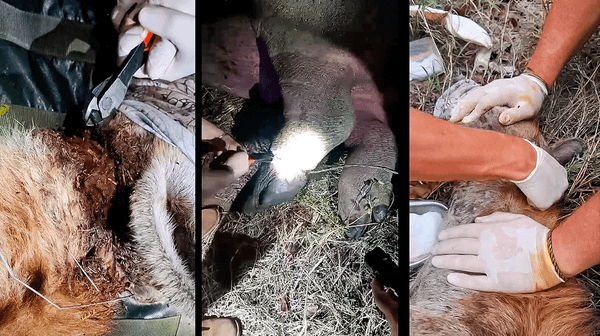
In this video, the Phalaborwa Natural Heritage Foundation outlines its long-term vision and strategic future plans for wildlife conservation. From acquiring safe release sites for rescued animals to deploying cutting-edge anti-poaching technology, learn about the foundation's efforts to protect South African wildlife and expand ranger
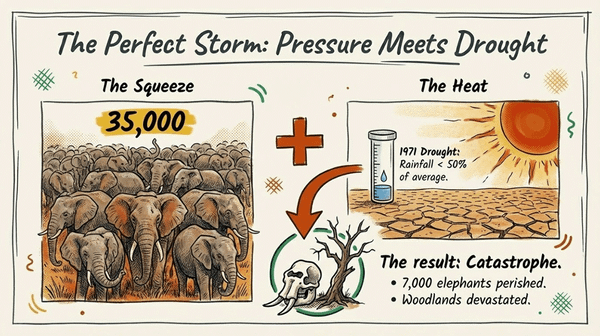
❮ ❯ 1 / 12 Kenya's Tsavo National Park was established in 1948. It was a vast sanctuary of Commiphora–Acacia woodland, dotted with iconic baobab trees. At the time, elephants moved across a vast landscape, but as human settlement and agriculture expanded beyond the park’s boundaries, their historical range

In Botswana's far west lies a safari concession called NG3. A million hectares of wild country, full of elephants, where the people who live among them are among the poorest in the country. A community, a small NGO called Life Through Wildlife, and a donor organization, JAMMA International,