South Africa
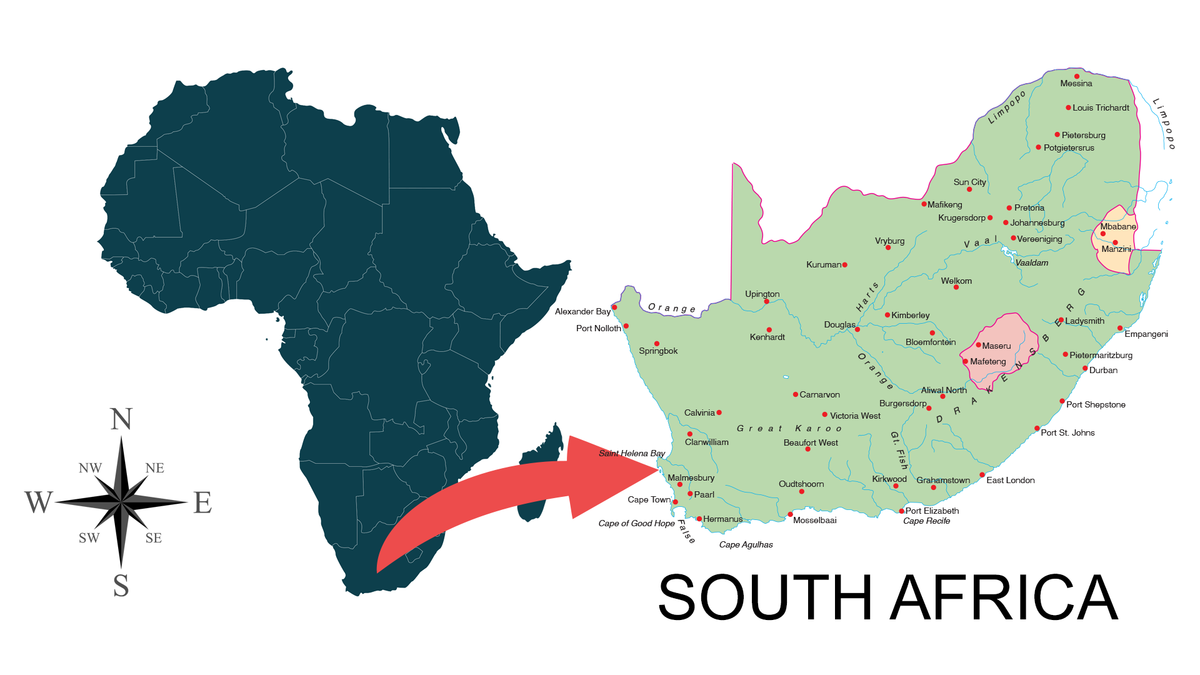
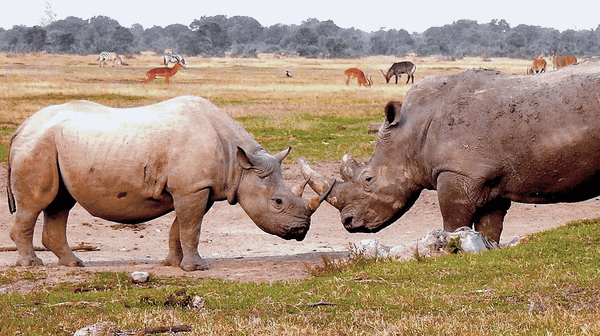
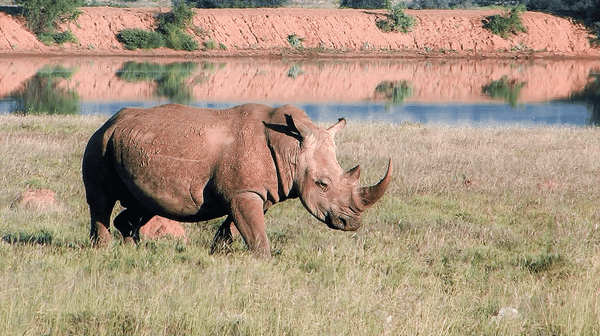
South Africa runs the most developed wildlife economy on the African continent. Around 17 to 20 million hectares of land are under private game fencing, in thousands of separate properties, holding the largest white rhino population in the world, significant black rhino, and most of the country’s game ranching infrastructure.
State-managed national parks (SANParks) include Kruger, Addo, Mountain Zebra, Karoo, Mapungubwe and the wider system. Provincial reserves add another layer.
South Africa is also where the 21st-century rhino poaching crisis hit hardest. Kruger National Park lost approximately 70 percent of its rhino population between 2010 and 2020.
The country’s response has reshaped what anti-poaching looks like everywhere: militarized response, drone and thermal-optic operations, intensive prosecution work, and a fundamental shift toward treating wildlife crime as a national security issue.
How conservation is organized
SANParks (South African National Parks)
Manages 19 national parks, including Kruger (19,485 km²), Addo Elephant, Mountain Zebra, Mapungubwe, Garden Route, Camdeboo, Karoo, Kgalagadi (jointly with Botswana), and others. Kruger is the operational and political center of the South African anti-poaching system.
Provincial wildlife authorities
Each province operates its own conservation agency: Ezemvelo KZN Wildlife in KwaZulu-Natal, Eastern Cape Parks, CapeNature in the Western Cape, North West Parks, Mpumalanga Tourism and Parks Agency, and so on.
Provincial reserves include some of the most important rhino strongholds: Hluhluwe-iMfolozi, Ithala, and Pongola.
Private game reserves and game ranches
The largest single component of the South African wildlife estate by land area. Private reserves such as Sabi Sand, Timbavati, Klaserie, Balule (collectively forming the Greater Kruger), Phinda, Madikwe, and Welgevonden are home to significant numbers of rhinos and other rare species.
Game ranches operate on a commercial wildlife economy model funded by photographic tourism, regulated hunting, live game sales, and breeding.
NGO snare-removal operations
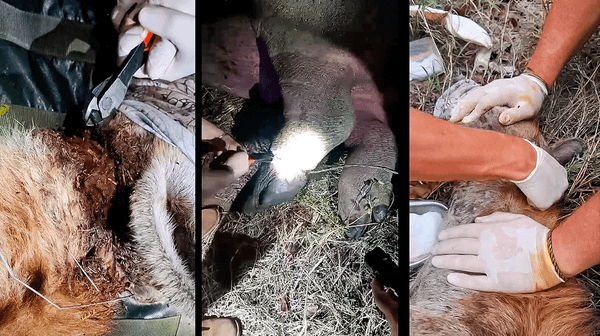
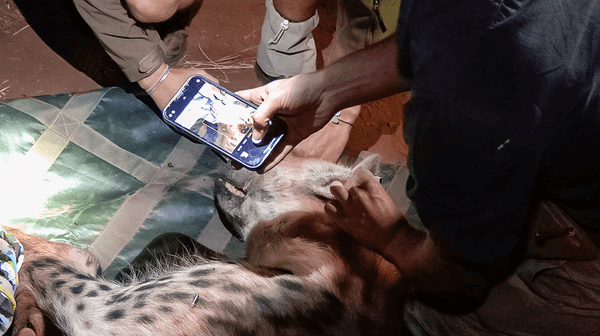
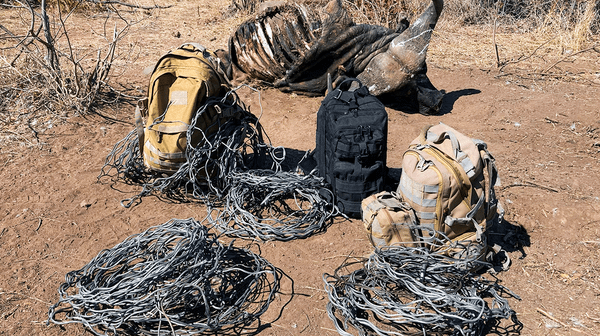
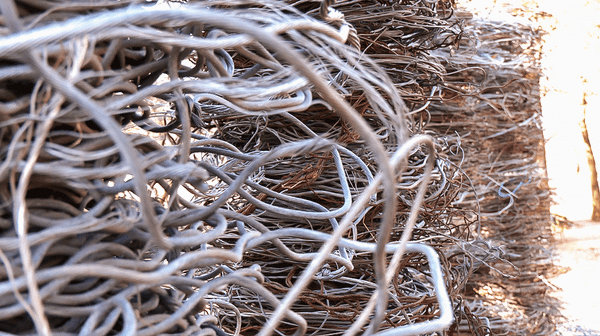
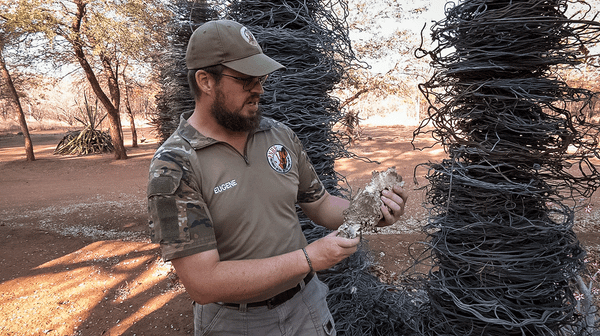
The Phalaborwa Natural Heritage Foundation (PNHF), led by Eugene Troskie, has accumulated more than 10,000 snares on its snare poles since May 2023, working the Kruger boundary, including properties as small as 21 hectares.
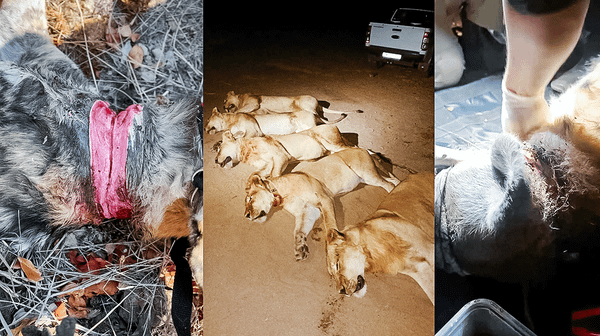
Patrol covered the work in A Proactive Approach to Conservation, Snare Wars Casualties, and Small-holding Snare Wars.
SA Hunters and Game Conservation Association (SAHGCA).
A national hunting organization with significant conservation involvement. Funds and partners with PNHF on snare-removal work via Snare Busters: Wildlife Rescue.
South African National Defence Force
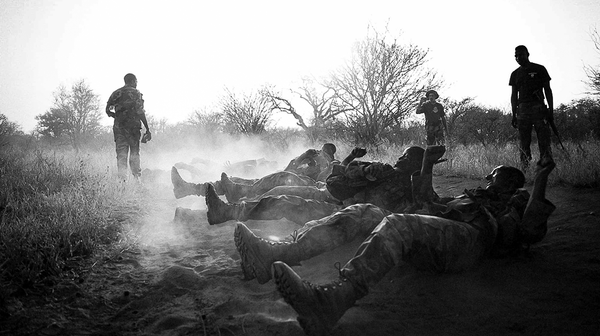
The SANDF supports anti-poaching operations around Kruger under initiatives such as Operation Corona. The militarization of wildlife crime response is more developed in South Africa than anywhere else on the continent and has drawn periodic criticism for the security framing it brings to conservation work.
The major landscapes
Kruger National Park
The headline park: 19,485 km² along the Mozambican border. Lost approximately 70 percent of its rhino population between 2010 and 2020.
The Greater Kruger ecosystem includes the adjoining private reserves of Sabi Sand, Timbavati, Klaserie, Balule, Umbabat, and Manyeleti, which together add another roughly 1,800 km² of contiguous wildlife habitat.
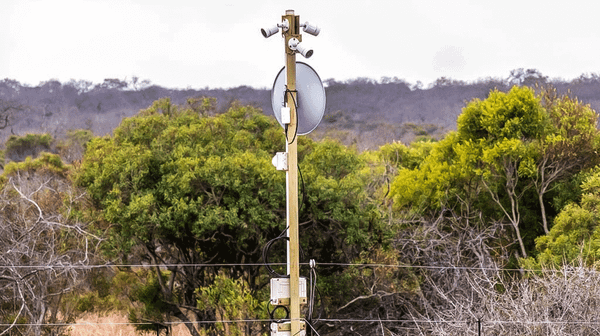
Patrol covered the broader technology and surveillance landscape in Wired for Wildlife and Watched by Default.
Hluhluwe-iMfolozi Park
960 km² in KwaZulu-Natal, managed by Ezemvelo KZN Wildlife. The historic stronghold of the white rhino: Operation Rhino at iMfolozi in the 1960s was the foundation of all subsequent white rhino conservation work globally.
Hluhluwe-iMfolozi still holds one of the most important rhino populations in the country.
KwaZulu-Natal reserves
Beyond Hluhluwe-iMfolozi, the KZN system includes Ithala, Mkhuze, Tembe Elephant Park, Phongolo, and the iSimangaliso Wetland Park. KZN also faces commercial gambling poaching: organised gangs running dogs to hunt wildlife for bets on the outcome, a uniquely KZN dynamic.
Eastern Cape and Karoo
Addo Elephant National Park (a major recovery success), Mountain Zebra National Park, Camdeboo, and the wider Karoo, where succulent plant poaching for the international collector market has become a significant new threat. The Eastern Cape also hosts several private rhino-stronghold reserves.
Kgalagadi Transfrontier Park
38,000 km² of the Kalahari is shared between South Africa and Botswana, established in 1999. One of the earliest transfrontier conservation areas in Africa.
The main threats
Rhino poaching
The defining South African wildlife crime issue since around 2008. Kruger has been the principal target. Trafficking networks operate cross-border with Mozambique, with rural communities on the Mozambican side providing recruitment, transit, and protection.
Counter-measures include dehorning operations, intensive intelligence work, prosecution of trafficking networks, and the SANDF presence. Rhino poaching peaked at 1,215 animals nationally in 2014; current figures remain in the hundreds annually.
Bushmeat snaring
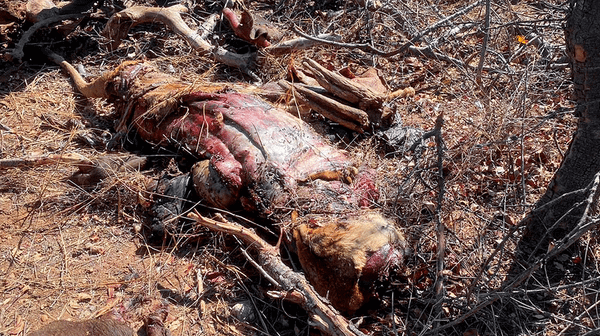
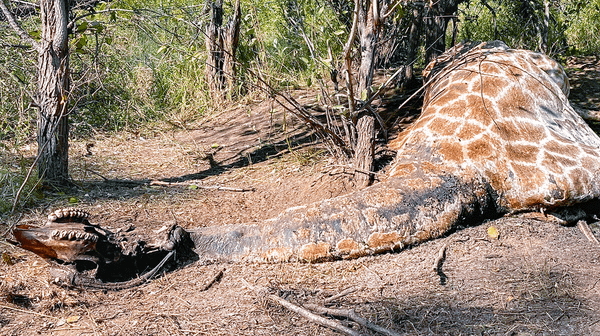
The daily anti-poaching workload across most reserves is particularly on park boundaries adjacent to populated rural areas. The Kruger boundary, the KZN reserves, and the Eastern Cape parks all carry significant snaring pressure.
Patrol covered the prosecution challenges in The Challenges of Prosecuting Snare Poachers in South Africa.
Commercial gambling poaching
Organized gangs running large packs of trained dogs to chase and kill wildlife for bets. Not subsistence, not bushmeat in the conventional sense, but recreational. Covered in The Curse of Commercial Gambling Poaching.
Succulent plant poaching
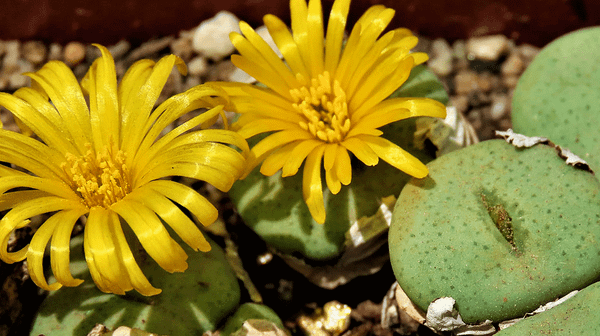
Rare Karoo succulents (conophytum, lithops, and others) are taken to order for collector markets in Asia and Europe. A trade that did not exist at scale a decade ago and that has emerged as a serious conservation issue across the Northern Cape and Western Cape since around 2019.
Elephant poaching
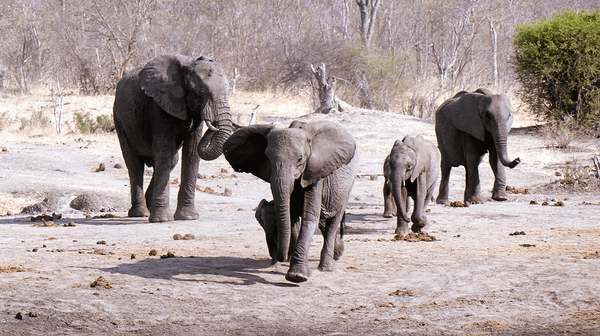
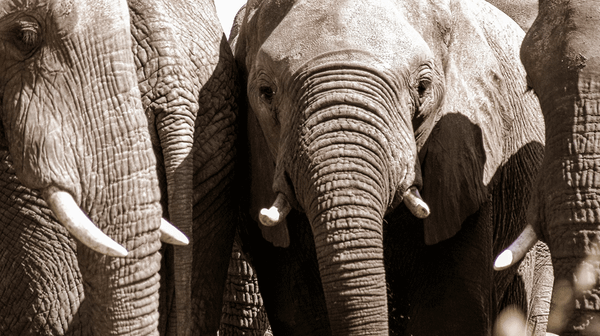
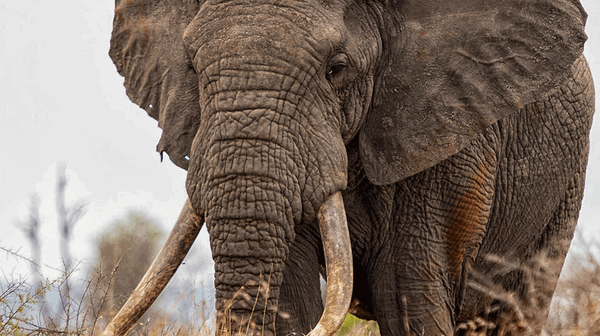
Less acute than rhino poaching in South Africa, but persistent in Kruger and the cross-border landscapes.
Lion bone trade
A complex regulatory area. South Africa’s captive lion breeding industry has been the subject of repeated policy review. The 2025-2026 court rulings on captive breeding operations have shifted the legal landscape, but the lion-body-parts trade remains a distinct and growing threat to wild populations.