Namibia
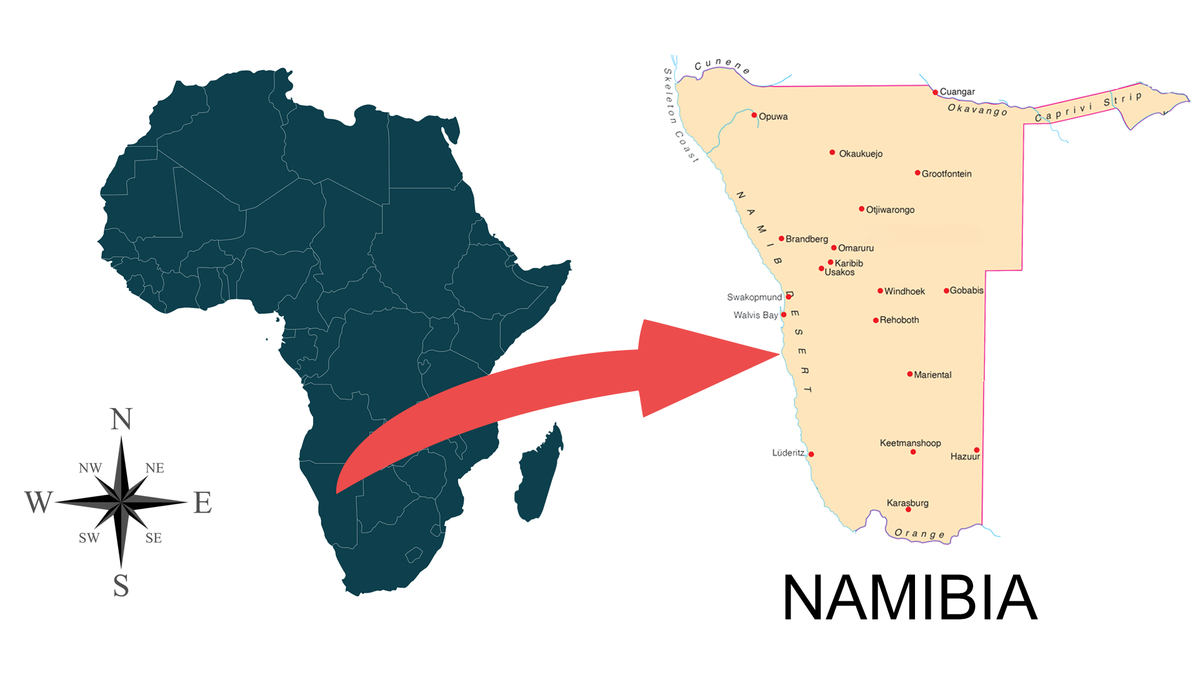
Namibia operates the most successful community-based conservation program in the world. The conservancy model devolved wildlife rights from the state to rural communities in 1996, three years after independence, and the result has been a four-decade recovery in wildlife populations across a country where most of the relevant species had been heading toward local extinction.
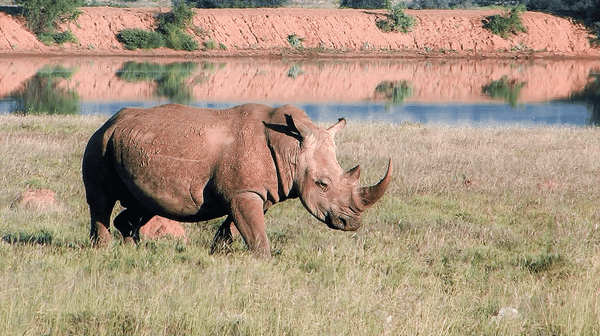
Namibia’s elephant population tripled from 7,600 to 23,600 between 1996 and 2022. The country now holds the largest free-ranging black rhino population in the world.
Recorded poaching fell 60 percent in the years after the conservancy program reached scale. These outcomes are the strongest single piece of evidence in Africa for the property-rights argument set out in Prof Brian Child’s Patrol piece.
How conservation is organized
Ministry of Environment, Forestry and Tourism (MEFT)
The state agency is responsible for the national park system (Etosha, Skeleton Coast, Bwabwata, Mudumu, Nkasa Rupara, Khaudum, Namib-Naukluft, and the wider arid-zone parks). The state agency is the legal authority; the operational anti-poaching workload is shared with the conservancy program and with private operators.
The conservancy program
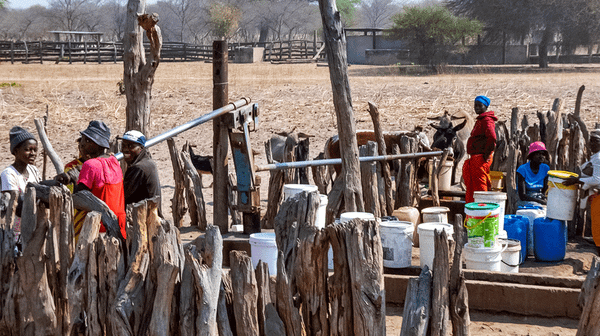
Namibia has 86 registered communal conservancies covering 166,179 km², around 20 percent of the country, and home to 227,802 community members. Conservancies retain 100 percent of wildlife revenue at the community level (the highest retention rate in Africa) and generate approximately N$132 million (around US$10 million) annually in direct cash and in-kind benefits.
Safari hunting contributes around 26 percent of conservancy revenue, and photographic tourism most of the rest. Patrol covered the framework in Payments for Ecosystem Services in African Conservation.
Black Rhino Custodians
In the Kunene region, communities act as Black Rhino Custodians under a formal arrangement with the MEFT. Custodian rangers, recruited from local villages, patrol black rhino territory on foot using traditional tracking skills. The model puts responsibility for the species into the hands of the people who live alongside it.
Save the Rhino Trust (SRT)
A long-running NGO focused on the desert-adapted black rhino population of the Kunene. SRT works alongside the Custodian program and the MEFT.
Hunting operators and private reserves
Private game reserves and hunting operators carry out significant conservation work outside the conservancies and parks. Namibia is a major safari hunting destination, with the industry providing substantial revenue to both private landowners and conservancies.
The major landscapes
Etosha National Park
22,270 km² in the north-central highlands. The headline wildlife area in Namibia is centred on the Etosha salt pan. The Etosha buffer zones to the south are where most of the anti-poaching dynamics play out, with conservancies acting as a layered protection system around the park.
Kunene (Damaraland and Kaokoland)
The northwest of the country. Sparse rainfall, vast distances, the desert-adapted elephant, and the desert-adapted black rhino population. Several of Namibia’s most successful conservancies are here, and the Black Rhino Custodian program operates across the landscape.
Zambezi Region (formerly Caprivi)
The narrow strip of land in the northeast that forms Namibia’s share of the KAZA Transfrontier Conservation Area. Bwabwata, Mudumu, and Nkasa Rupara national parks. The Zambezi region is the Namibian piece of the elephant corridor connecting Botswana, Zambia, Angola, and Zimbabwe. Cross-border poaching pressure from neighboring countries is a recurring threat.
Namib-Naukluft and the Skeleton Coast
Arid coastal parks. Conservation here focuses on desert endemics, the desert-adapted lion population, and the marine ecosystem along the coast. Lower poaching pressure than in the Kunene or Zambezi regions.
The main threats
Rhino poaching
The highest-stakes threat. The desert-adapted black rhino population of the Kunene has been the principal target since the 2008 rhino poaching surge. Dehorning operations have been an increasingly common defensive measure: rhinos are tranquillized and their horns safely removed under veterinary supervision, reducing their value to poachers.
Ivory poaching
Concentrated in the Zambezi region and the Etosha buffer. Less acute than in some neighboring countries because of the conservancy program’s deterrent effect.
Bushmeat poaching
A continuous workload, particularly in conservancy areas with lower wildlife density and in landscapes adjacent to densely populated regions. Snaring is the dominant method.
Cross-border movement
Poaching groups are crossing from Angola, Zambia, and Zimbabwe into the Zambezi region. The KAZA framework provides for cross-border coordination; operationally, much of the work falls on individual conservancies and park rangers.
What makes Namibia different
Three structural features set Namibia apart in African conservation. The full devolution of wildlife rights to communities under the 1996 Nature Conservation Amendment Act.
The 100 percent retention of wildlife revenue at the conservancy level. And the sustained political commitment across multiple governments to maintaining the framework, including resisting external pressure to ban regulated hunting.
The result has been a generation of conservation outcomes that other countries are now studying as a model. Prof Brian Child’s The Right to Decide? sets out the underlying argument for why this works.