Tanzania
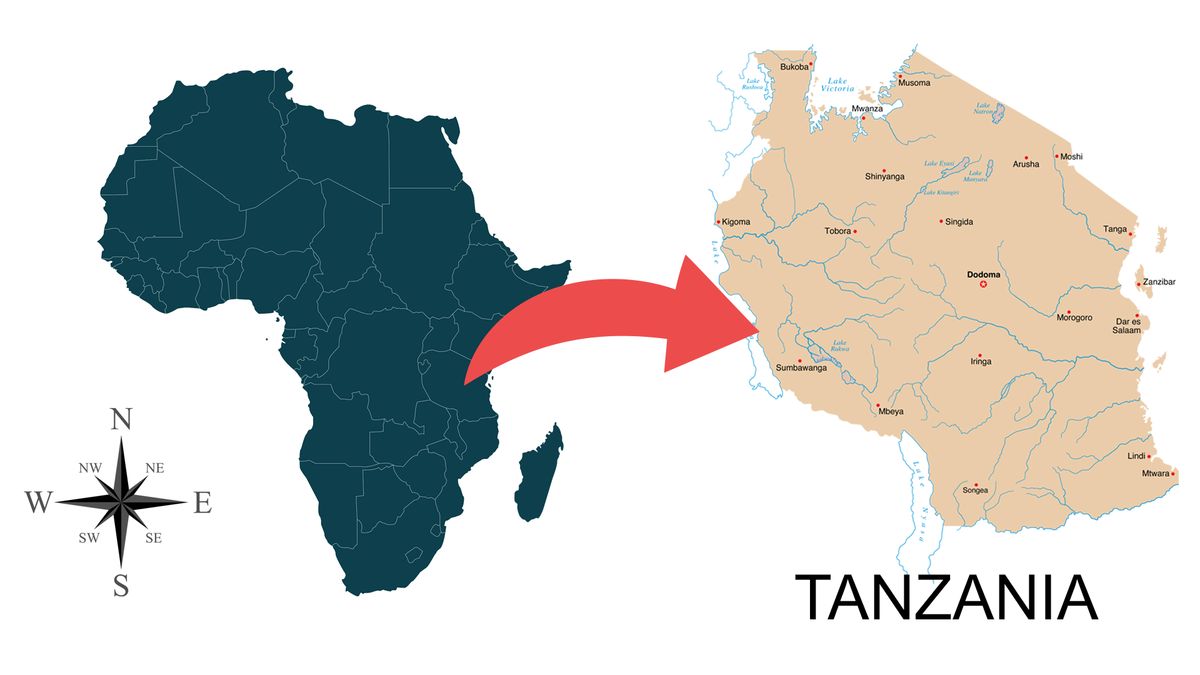
Tanzania has more land under formal wildlife protection than any other country in Africa. Around 38 percent of the country is under some form of conservation designation: national parks, game reserves, wildlife management areas and game-controlled areas.
The protected landscape includes the Serengeti, the largest single elephant population stronghold of the recent past (Selous, now Nyerere National Park), and the largest Ramsar wetland in Africa (the Malagarasi-Muyovozi system).
Tanzania is also the country where the 21st-century ivory poaching crisis hit hardest. Selous lost roughly 90 percent of its elephants between 1976 and 2014. The current rebuilding is recent and fragile.
How conservation is organized
Two state agencies
TANAPA (Tanzania National Parks Authority) manages the 22 national parks, where no hunting is permitted, and revenue comes from photographic tourism. TAWA (Tanzania Wildlife Management Authority) manages the game reserves, game-controlled areas, and open areas where regulated hunting is part of the management mix.
The division matters: photographic tourism and hunting fund different parts of the conservation estate.
Hunting blocks
Tanzania has historically had around 150 hunting blocks across the game reserves and game-controlled areas.
These concessions are leased to professional hunting operators who fund the anti-poaching work on the block in addition to paying license
fees, trophy fees, conservation fees, and community contributions. The operators carry most of the funding load for conservation in western and southern Tanzania.
Wildlife Management Areas (WMAs)
Tanzania’s community-based conservation model. WMAs cover around 7 percent of the country and allow village land to be designated for wildlife management with shared revenue.
The model has been less successful than Namibia’s conservancies or Zimbabwe’s CAMPFIRE, partly because the revenue share to communities has historically been 25-50 percent rather than the 100 percent now used by Namibia and Zimbabwe.
The major landscapes
Selous / Nyerere
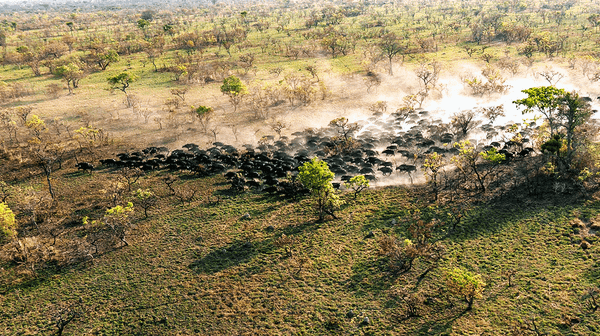
Africa’s largest game reserve, at over 50,000 km², was designated a UNESCO World Heritage Site in 1982. Selous was the centre of the East African ivory poaching crisis from the early 2000s.
The northern section was redesignated as Nyerere National Park in 2019. Hunting blocks in the remaining Selous Game Reserve still carry the conservation funding load in much of the wider ecosystem.
Serengeti
14,750 km² in northern Tanzania, contiguous with Kenya’s Maasai Mara to the north. The Serengeti-Mara ecosystem is the most-studied wildlife system in Africa.
The wildebeest migration (around 1.3 million animals) is the headline feature; the snaring threat along the migration corridor accounts for an estimated 120,000 to 160,000 wildebeest losses annually.
Ruaha and Rungwa
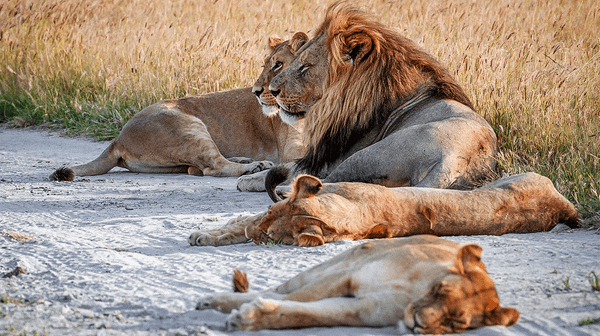
Ruaha National Park (20,200 km²) and the surrounding Rungwa-Kizigo-Muhesi game reserves form the largest contiguous lion and elephant landscape in East Africa. Less visited than the Serengeti, less written about, and more dependent on hunting concession funding.
Moyowosi-Kigosi and the Malagarasi system
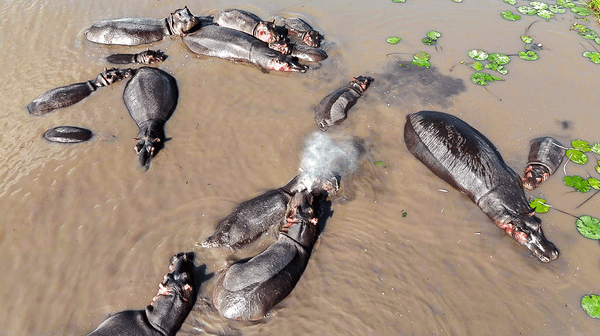
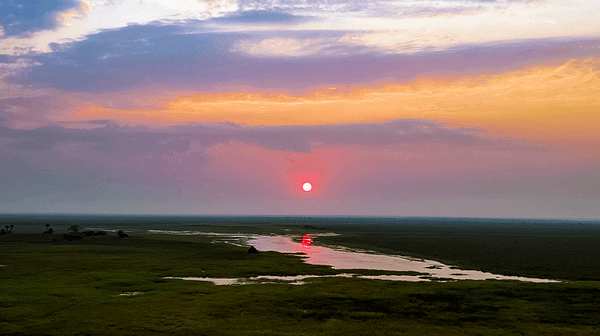
In western Tanzania near the Burundian border. The Malagarasi-Muyovozi Ramsar Site is Tanzania’s first Ramsar wetland, designated in 2000, and the third-largest Ramsar site in the world. Moyowosi Game Reserve (11,430 km²) holds shoebill stork, wattled crane, sitatunga, and large elephant herds.
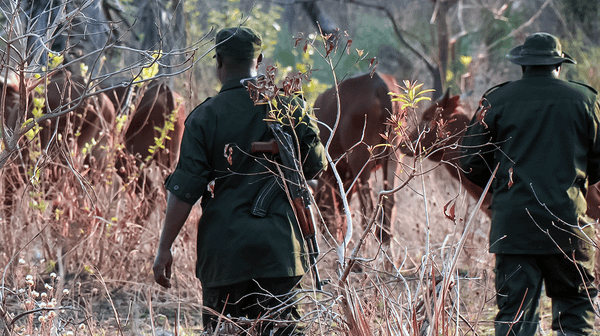
Patrol covered the area in Anti-Poaching in the Moyowosi Game Reserve (Adam Clements Safaris, Tristan Peacock) and World Wetlands Day 2026 (Alistair Group helicopter support).
Uvinza and the western open areas
Open Areas are the lowest formal protection category in Tanzania, permitting safari hunting alongside honey gathering, fishing, and, in some cases, cattle grazing.
Uvinza was facing serious wildlife loss when Game Frontiers acquired the concession; the ongoing work to upgrade it toward full game reserve status is the kind of conservation rescue that rarely makes headlines.
The main threats
Ivory poaching
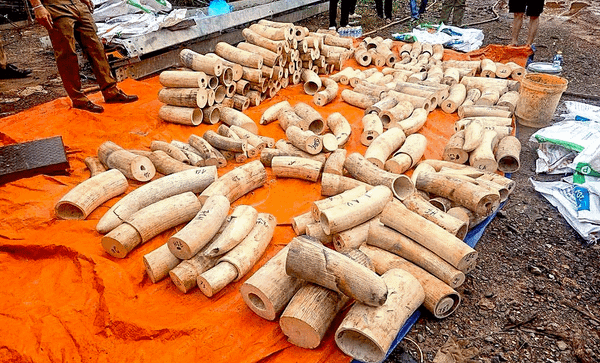
The defining crisis of the past two decades. Tanzania lost an estimated 60 percent of its elephants between 2009 and 2014. Heavy enforcement, prosecutions, and a global ivory price collapse have reduced the rate; the population is now rebuilding from a much lower base.
Bushmeat snaring
Snaring is the daily anti-poaching workload across most of the country. Robin Hurt Safaris destroyed 60,000 snares between 1986 and 2022 on its concessions, an indication of the volume.
Bicycle-based poaching
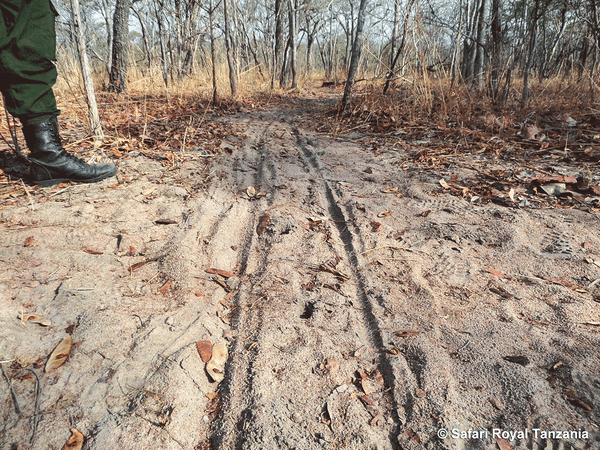
In western Tanzanian hunting blocks, poachers use bicycles for stealth and access into areas where vehicles cannot go, and rangers cannot easily follow. Covered in Skinny Tracks, Wide Impacts.
Habitat encroachment
Slash-and-burn agriculture and livestock grazing damage ecosystems more severely than direct poaching across many WMA and Open Area landscapes.
The wider East African shift from wildlife to cattle to camels is the long-term backdrop. Patrol covered this in The Inevitable Cascade and Wildlife Versus Livestock: The Numbers Game.
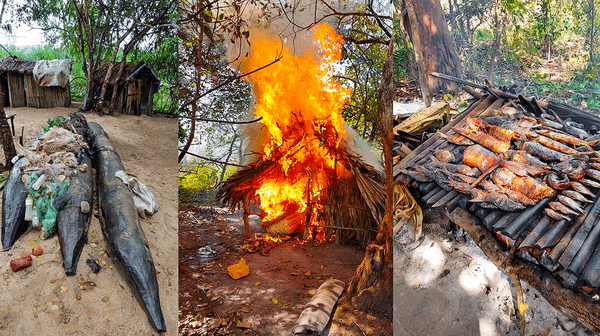
Fish poaching with mosquito netting
Fish camps using fine mesh netting are a major threat in the Moyowosi-Kigosi wetlands. Aerial reconnaissance is the most reliable detection method, hence the Alistair Group helicopter program.