River Patrols
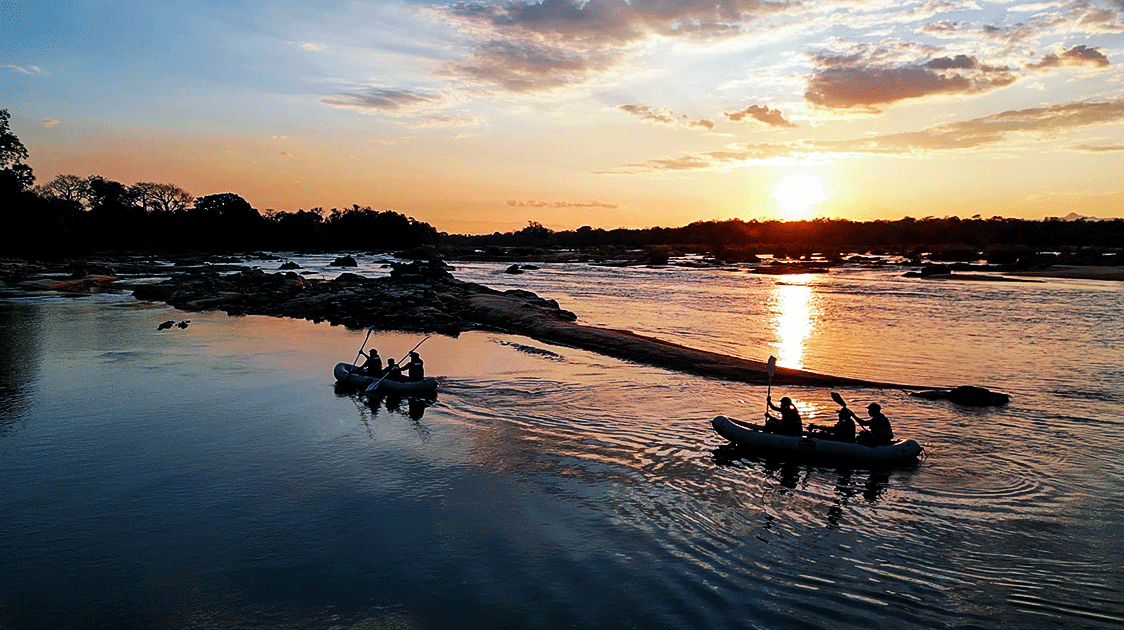
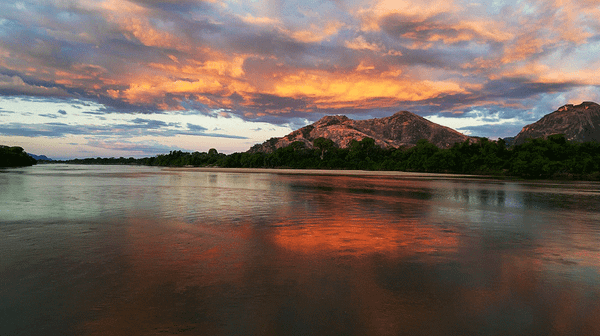
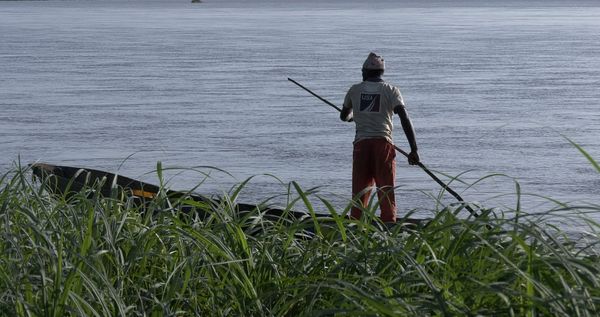
River patrols cover ground that foot or vehicle patrol can't. The Zambezi, Kafue, Rufiji, Luangwa, Rovuma and Lugenda systems all run for hundreds of kilometers through wilderness where the river is the only practical line of access.
River patrols deliver three distinct patrolling methods: silent approach, access to landings and fish camps that vehicles cannot reach, and a continuous line of intelligence along the river itself.
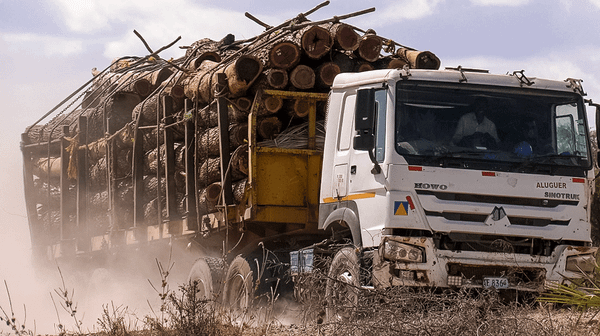
Most cross-border movement of bushmeat, ivory, fish and timber across the southern and eastern African region happens by river. A river patrol is therefore also an intelligence operation, as well as a deterrence one.
What a river patrol does
Boats run from established outposts along the river. Patrols typically last several days, with overnight stops at scout camps or remote landings. The operational pattern varies by system, but the core activity is similar across operators:
• Recovering illegal fishing gear. Gillnets, monofilament, mosquito netting used as fish-catching mesh, and fish weirs built without permits. In the Moyowosi-Kigosi system in western Tanzania, fish camps using fine mesh nets are a major threat, with aerial reconnaissance complementing boat patrols to find them.
• Inspecting fish camps and dismantling unlicensed ones. In African Parks-managed Kafue, licensed fishermen are registered with numbered shirts at official fish weirs to separate legal from illegal effort.
• Intercepting cross-border movement. Bushmeat, ivory, timber and live wildlife often move along rivers because they are the route of least resistance.
• Monitoring water-point access. In the dry season, animals concentrate at rivers and waterholes. Poacher activity concentrates there too.
The boats
Most operations use aluminum or fiberglass outboard boats or rubber dinghies . Engines are typically cut some distance from a target so the patrol can drift or paddle in for the approach.
Operating cost is the binding constraint. Fuel, engine maintenance, propeller replacement, hull repair and the cost of replacement craft when one is damaged or stolen all add up.
Most operations run the smallest workable fleet that can cover the patrol commitment.
Operational examples
LUWIRE, Niassa Special Reserve, Mozambique
LUWIRE runs boat patrols along the Lugenda River, monitoring fishing camps and enforcing compliance with fishing regulations.
The Lugenda has around 200 miles of frontage along the reserve’s northern boundary. Patrol covered the operation in Lifeblood to a Wilderness and Tackling Illegal Activities.
African Parks, Kafue, Zambia
The Kafue floodplain is one of the most productive wildlife systems in southern Africa and one of the highest-pressure fish-poaching landscapes. African Parks combines numbered-shirt registration at licensed fish weirs with continuous boat patrols. Patrol covered the tactics in To Catch a Poacher.
Moyowosi-Kigosi, Tanzania
The Malagarasi-Muyovozi Ramsar Site (Tanzania’s first Ramsar wetland, designated 2000) sits between the Burundian border and Tanzania’s western hunting blocks. Fish camps using mosquito netting are a major threat.
The Alistair Group provides helicopter support for aerial reconnaissance alongside ground-based boat patrols. Patrol covered the work in World Wetlands Day 2026.
Lower Zambezi and Mana Pools
The Zambezi forms the border between Zambia and Zimbabwe over hundreds of kilometers. Boat patrols on both sides of the river are part of how the cross-border ivory dynamic gets managed. The river is itself the operational landscape.
Limits and trade-offs
River patrols are not a substitute for foot patrols. A boat covers riverbank and water but cannot work inland. Most operations use river patrols as one layer of a wider patrol system, with foot patrols, vehicle patrols and aerial support working in combination.
Risk profile is also different. Crocodile and hippo attacks, capsize in flood conditions, and the difficulty of evacuating injured rangers from remote river stretches all weigh in.
The Niassa Special Reserve has historically lost more rangers to vehicle accidents than to poacher contact, and the Lugenda boat patrols carry comparable working-environment risks.