Patrol Dispatches: Fish Poaching, Kilombero Valley (5-minute Video)

The Kilombero Valley is a Ramsar-listed wetland in the Rufiji River Basin and is one of Africa's most important ecosystems.
It holds hundreds of bird species, several endemic reptiles, and around 75 percent of the world's puku antelope.
When commercial fish poaching operates in a system like this, the damage runs deeper than a few too many fish coming out of the water. This is how poaching affects the wider ecosystem.
1. Endemic and juvenile fish stripped out
Legal fishing nets must have a minimum mesh size so that young fish can pass through the net and live long enough to breed.
The poachers use long, small-mesh nets which catch everything that swims into them: juveniles, breeding adults, everything. The Rufiji Basin holds fish found nowhere else on Earth, so non-selective netting like this can collapse a local stock quickly.
2. Wood cut for canoes and to smoke the catch
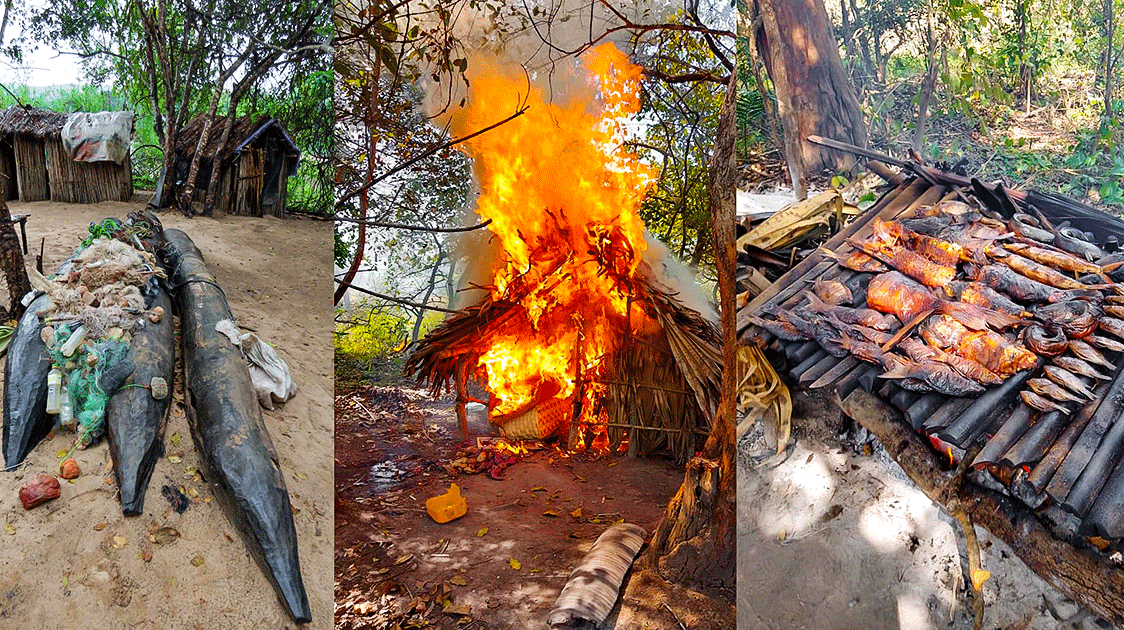
The poachers cut down large trees to make canoes. Wood is also used to make shelters and drying racks, and to feed fires that burn day and night, smoking and drying thousands of fish for the trip to market.
The result is heavy clearing along the riverbanks. Once the cover is lost, soil erosion sets in, and nesting sites for birds and amphibians are destroyed.
3. The food web goes hungry
The wetland's predators, including crocodiles, monitor lizards, and a long list of waterfowl, depend on a healthy fish population. When tens of thousands of pounds of fish are pulled out of one stretch of river, those predators have nothing to eat. They either move into areas where they come into conflict with people, or their numbers drop.
4. Bycatch and pollution
The nets dragged through the reed shallows take more than fish. They drown turtles, trap aquatic mammals, and tear up the submerged plants where fish spawn. The camps themselves dump human waste, ash, and debris straight into the water, which fouls it for everything downstream.
The scouts burn everything that they seize.
Instead of just handing out fines, the scouts burn the shelters, canoes, racks, and nets to hit the syndicates financially. In a country the size of Tanzania, there is no way to permanently secure the areas, so destroying the gear is the only reliable way to break the commercial cycle.