How Did African Conservation Become Everyone's Business?

By Zig Mackintosh
Key Takeaways
- In 1975, Zimbabwe changed wildlife law to give landholders rights and economic incentives to keep wildlife on their land.
- At the same moment, CITES and the animal-rights movement signaled a new era of international influence over wildlife decisions.
- Over the next fifty years, conservation evolved from a largely state- and landholder-led enterprise into a global system involving NGOs, donors, foreign governments and social media.
- As many African parks became chronically underfunded, NGOs increasingly moved beyond advocacy to finance and manage protected areas in partnership with governments.
- The central challenge remains unchanged: wildlife will endure only where the people living with its costs have real authority, meaningful benefits and a reason to protect it.
Wildlife conservation in Zimbabwe took an extraordinary turn in 1975.
That year, the Parks and Wildlife Act fundamentally changed the relationship between private landholders and the wildlife occurring on their land.
The legislation made the owner, purchaser or lessee of private land the "appropriate authority" for wildlife on that property, conferring extensive rights over its management and use.
Dr Graham Child, Director of Zimbabwe’s Department of National Parks and Wildlife Management, was central to the philosophy behind the change.
His son, Prof Brian Child, explains the principles behind this transfer of proprietorship in The Right to Decide.
The article's central theme is what the legislation embodied: a deliberate attempt to shift wildlife decision-making away from central government toward the people living on the land.
A remarkable crossroads
1975 was remarkable for another reason.
As Zimbabwe moved wildlife authority downward to landholders, a new international system began moving other wildlife decisions upwards.
The Convention on International Trade in Endangered Species of Wild Fauna and Flora, CITES, entered into force on 1 July 1975.

It created an international mechanism through which decisions made collectively by governments could affect the economic use and trade of wildlife within individual countries.
In the same year, Peter Singer published Animal Liberation, one of the most influential works in the modern animal-rights movement.
Concern for animal welfare was already established, but the emerging animal-rights philosophy went further, questioning not only how animals should be used, but whether any human use of animals was morally acceptable.
These three powerful currents were beginning to converge.
One sought to move authority closer to the people living with wildlife.
Another aimed to place aspects of wildlife trade within an international regulatory system.
Whilst the third challenged the morality of using animals at all.
For the next fifty years, all three would profoundly shape African wildlife policy.
Sustainable use was already conservation
The conservation world of 1975 was not devoid of NGOs, and sustainable use was part of mainstream conservation thinking.
In 1976, the International Union for Conservation of Nature (IUCN) published Wildlife Utilization and Game Ranching, describing the sustainable use of wild species as a critical tool for conservation and development by creating economic incentives to conserve species and habitat.
Today, more wildlife now lives on private land in South Africa than in all its national parks combined, across some 20 million hectares.
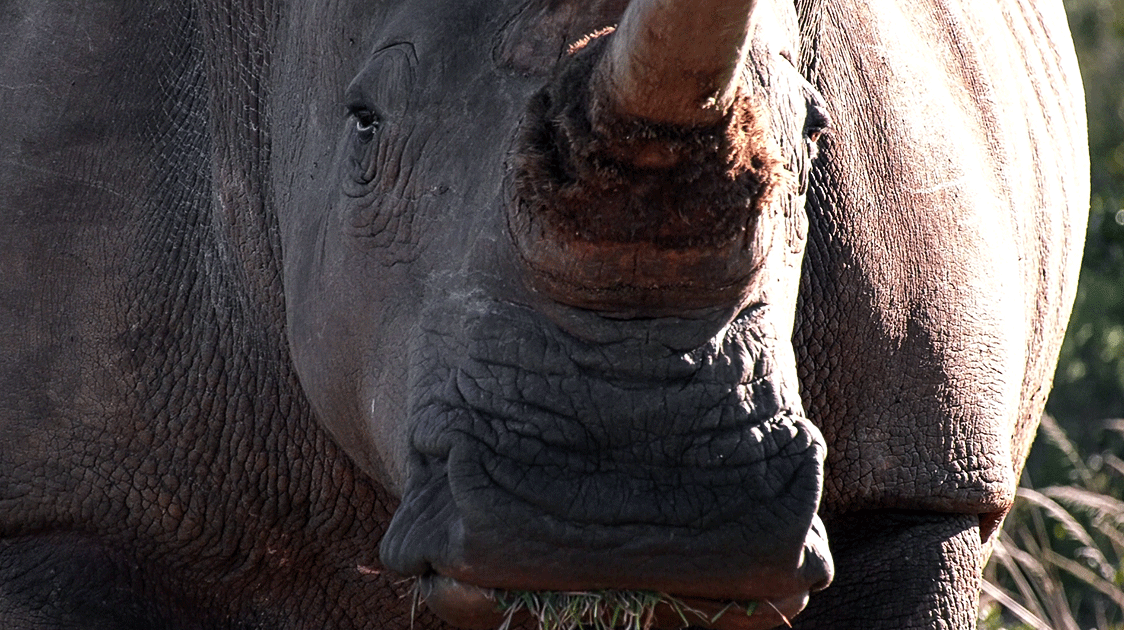
The southern white rhino is the clearest case, recovering from fewer than a hundred animals a little over a century ago to roughly 16,00, about half of them in private hands.
Conversely, Kenya banned safari hunting in 1977 and stripped wildlife outside of its parks of commercial value; between 1977 and 2016, wildlife numbers there fell by an average of 68%.
The advocacy sector has since grown much larger, more professionalized, and more digitally connected.
Modern NGOs employ scientists, economists, lawyers, lobbyists, and large communications teams to shape policy globally.
Founded in 1980, the animal-rights organization PETA illustrates this scale: in 2025, it reported over 10.4 million members and supporters, with social-media posts seen 180 million times a month and videos receiving over 1.7 billion views that year.
That level of communications reach was unimaginable in 1975.
From landholder to community
The original 1975 experiment had glaring limitations: commercial landholders gained valuable rights, while rural African communities living alongside wildlife continued to carry its costs without comparable authority or benefit.
After Zimbabwe’s independence in 1980, the Communal Areas Management Program for Indigenous Resources (CAMPFIRE) addressed this.
The objective was to give communities real authority and a meaningful share of wildlife's economic value.
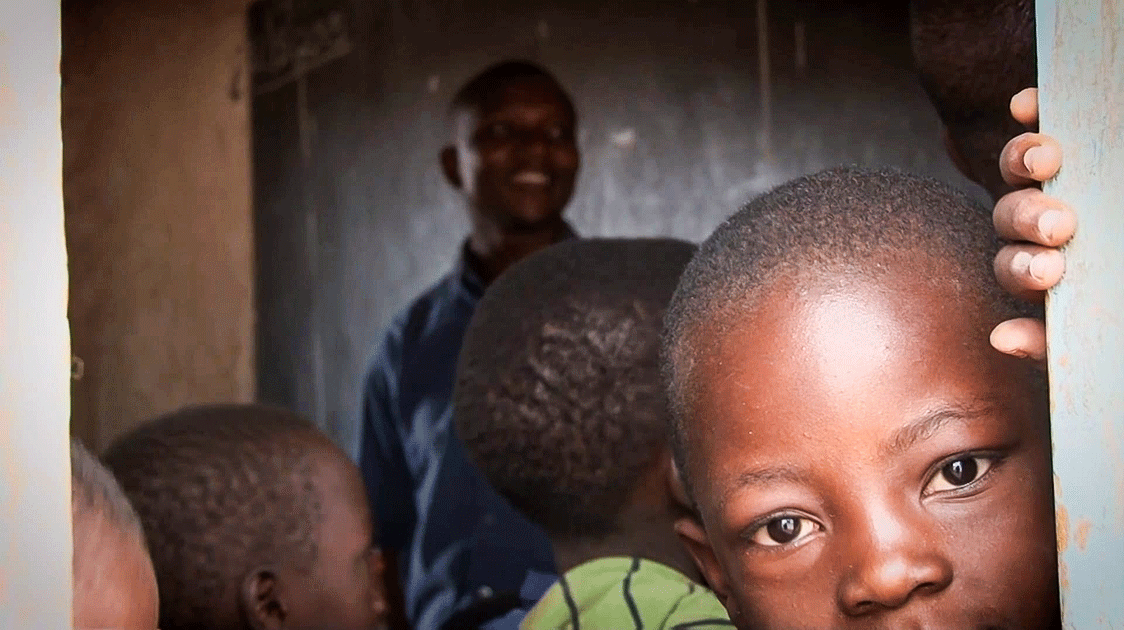
The first districts began exercising appropriate authority in the late 1980s.
Between 1989 and 2001, CAMPFIRE generated over USD 20 million for participating communities, with safari hunting accounting for 89% of revenue.
However, of the 37 authorized districts, just 12 generated 97% of the revenue.
This highlighted a critical lesson: transferring wildlife rights to a district council was not the same as empowering households or villages.
Professor Brian Child explores these dynamics in Patrol's Beyond the Fence: Reimagining Wildlife Conservation in Africa.
Power was moving outward
While Southern African conservationists worked to devolve authority locally, CITES placed international limits on that authority.
The ivory debate of the 1980s demonstrated how international decisions could override local economic choices. In 1989, CITES placed the African elephant on Appendix I, imposing a global ban on ivory trade starting in 1990.
Zimbabwe, Namibia, Botswana, and South Africa, home to the largest and healthiest elephant populations, opposed the ban.
This created a lasting pattern in which range states managing the most wildlife are frequently outvoted by foreign governments and external coalitions.
The other revolution: states ran short of money
As international influence over African wildlife policy expanded, many wildlife authorities faced a deepening financial crisis.
In The Conservation Funding Paradox, Patrol looked at the extraordinary imbalance between what African protected areas require and where conservation money actually goes.
Who Pays for Africa's Wildlife? examines the different revenue streams that keep wildlife areas functioning, from tourism and government budgets to hunting, philanthropy, and newer mechanisms such as carbon finance.
Chronic underfunding fundamentally reshaped ground-level management and created space for a new type of NGO.
NGOs became park managers
African Parks (AP)was founded in 2000 in response to declining protected areas, inadequate funding, and weak management capacity.
Its model differs profoundly from that of politicking NGOs.
Rather than lobbying politicians on conservation policy, it enters long-term partnerships with governments and assumes substantial responsibility for managing protected areas.
AP currently manages 24 protected areas across 13 countries, covering approximately 20 million hectares.
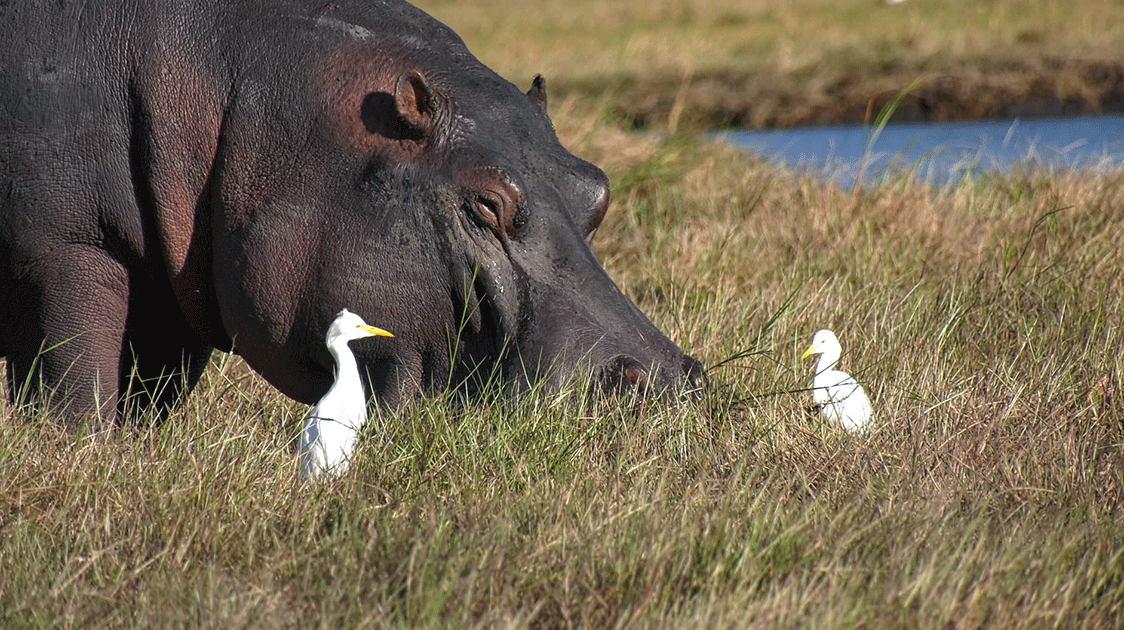
This reflects a broader movement.
A recent peer-reviewed study identified 127 collaborative management partnerships across 16 sub-Saharan African countries by 2023.
Researchers found that tree-cover loss, used as an indicator of habitat protection, was, on average, 55% lower in protected areas under collaborative management than in comparable areas without such partnerships.
In areas already experiencing high human pressure, the reduction was 66%.
In relatively undisturbed protected areas, the partnerships had little measurable effect.
The results matter because they caution against portraying NGO involvement as simply foreign organizations taking over African conservation.
Governments enter these partnerships because NGOs can provide money, expertise, and management capacity that the state itself can’t.
In some of Africa's most threatened landscapes, this model works and represents a remarkable change in conservation governance.
But it also raises legitimate questions.
Who sets priorities? Who is accountable when things go wrong? How are local communities represented? What happens when donor priorities change? Can a state retain meaningful conservation capacity if external organizations become indispensable?
The COVID-19 pandemic offered a warning about another form of dependence.
When international travel stopped, tourism revenue collapsed across much of Africa’s wildlife estate. Parks, conservancies, lodges, operators and communities dependent on foreign visitors lost income almost overnight.
The pandemic showed that a conservation model dependent on international tourism can be vulnerable even when it succeeds in ordinary times.
Foreign aid proves just as fragile.
Namibia’s celebrated conservancy system was built on the United States’ LIFE program, which began in 1993.
When American development funding was cut sharply in 2025, programs treated as settled successes suddenly faced difficulties.
Along came Cecil
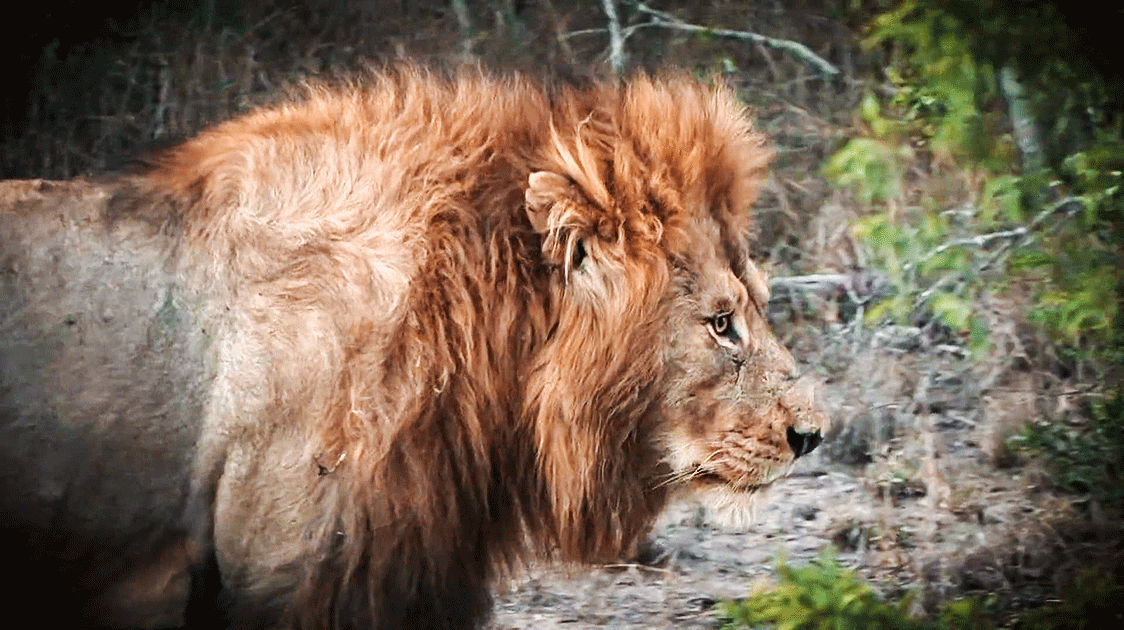
Cecil the lion needs little introduction, given the unprecedented international response to the incident.
Media coverage expanded from 15 stories a day to nearly 12,000 at its peak, while social-media references peaked at 87,533.
The response didn’t stop at outrage. Within months, more than forty airlines refused to carry hunting trophies.
Cecil highlighted a stark modern reality: a single incident in rural Africa can trigger swift global policy changes regardless of local management plans.
Yet, after the international news cycle moves on, the daily human and financial realities of living alongside dangerous wildlife remain.
Conservation versus rights
The distinction between conservation, animal welfare, animal rights, and human rights matters because they are not interchangeable.
A conservation biologist may ask whether removing an individual animal will harm the population.
A wildlife economist may ask whether that animal creates enough value to retain the habitat on which an entire population depends.
A rural family may ask whether living with the animal improves or damages its livelihood.
An animal-rights advocate may ask whether killing that individual is morally acceptable in the first place.
As Patrol explored in Frames of Reference, much of the contemporary conservation debate is therefore a collision of different values as much as a disagreement over science.
The distance between costs and decisions
Wildlife produces enormous benefits.
It supports tourism, employment, safari hunting, ecosystem services, national identity, and a conservation economy worth billions of dollars.
It also has its costs. Wild animals can destroy crops and infrastructure, kill livestock, and injure and sometimes kill people.
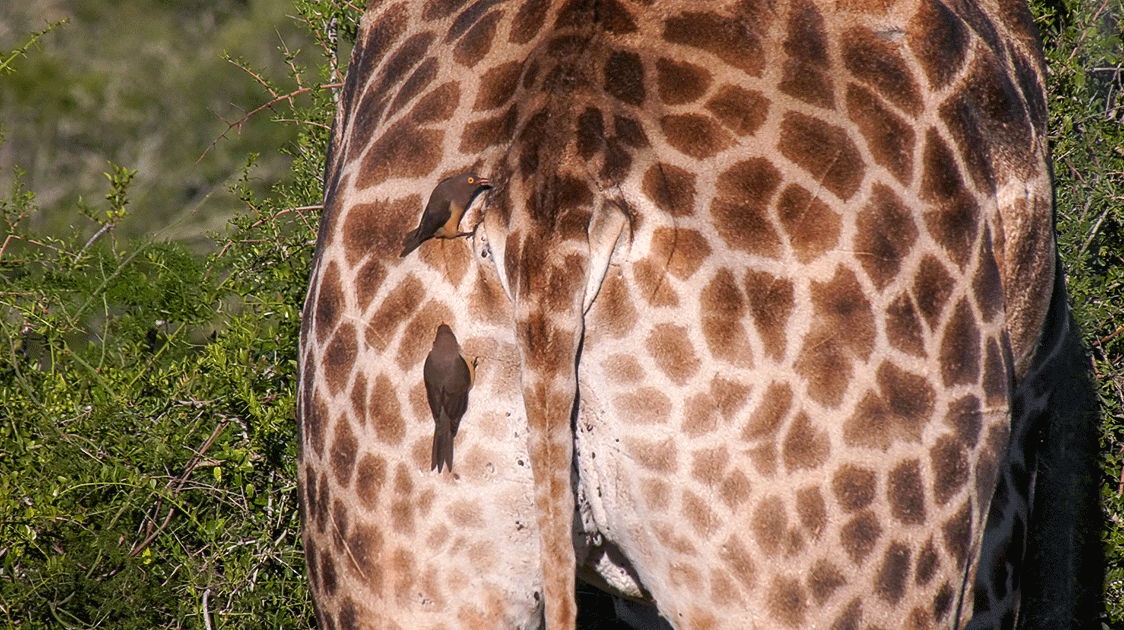
Land retained as wildlife habitat cannot simultaneously be converted entirely to crops, cattle, or development.
Those costs fall most heavily on the people living closest to wildlife.
But some of the authority affecting that wildlife has steadily moved farther away.
A community may hold legal rights over wildlife, while an international decision determines whether a market exists for its products.
An African government can permit an activity, while another government can prohibit its citizens from importing the resulting product.
A national park may remain entirely under African sovereignty while depending heavily on international donors or an NGO to finance its daily operations.
A campaign headquartered thousands of kilometers away can influence public opinion and legislation affecting wildlife management in a country whose rural inhabitants have little comparable access to the international media.
This doesn’t mean that global conservation involvement is inherently toxic.
International organizations have brought enormous financial resources, scientific expertise, political attention and management capacity to African conservation.
Some national parks would function far less effectively without them.
Nor does wildlife use automatically produce conservation. It can be overexploited just as easily as any other natural resource.
Sustainable use depends on ecological limits, sound quotas, enforcement, monitoring, accountable institutions, and local legitimacy.
The conservation focus, therefore, should not be NGOs versus governments, hunters versus animal-rights activists, or Africa versus the West, but whether conservation systems bring rights, incentives, funding, and accountability together where wildlife actually lives.
Fifty years on
In 1975, wildlife management was a relatively localized function of state departments, scientists, and landholders.
Fifty years later, African conservation is embedded in a complex global network of treaties, international donors, managing NGOs, foreign import laws, and instant global media.
Graham Child’s generation sought to move conservation decisions closer to the people living alongside wildlife.
The defining challenge today is ensuring that an increasingly globalized governance structure does not disconnect conservation policy from the local communities whose tolerance ultimately determines the survival of Africa's wildlife.
Zimbabwean native Zig Mackintosh has been involved in wildlife conservation and filmmaking for 40 years. Over the years, he has traveled to more than 30 countries, documenting various aspects of wildlife conservation. The sustainable use of natural resources as an essential conservation tool is a central theme in his film productions.