Beyond the Fence: Reimagining Wildlife Conservation in Africa
By Prof Brian Child
Key Takeaways
- Conservation was imported. Colonial powers transplanted American-style parks and state-owned wildlife through the London Conventions of 1900 and 1933. Little has changed since.
- Fences, not hunters, did the damage. Livestock, farming, and fences drove the real historical losses.
- Early rangers were not the villains. Colonial and militarized, they often worked with local people, and park formation frequently followed years of negotiation.
- The good-versus-bad debate is a dead end. Shrinking budgets and politicized agencies pushed managers away from neighboring communities, opening the door to militarization and abuse.
- Local people want parks to succeed. What they resent is being mistreated and shut out of the wildlife economy on their own land.
By the end of the 19th century, European colonial powers were increasingly concerned about preserving African fauna (Heijnsbergen, 1997).
Some 20 million wild animals were eliminated in southern Africa between 1780 and 1880, resulting in the extinction of the bluebuck (Hippotragus leucophaes), Cape lion (Panthera leo melanochaita), and quagga (Equus quagga quagga).
Hunters and adventurers, such as the well-published Frederick Courtney Selous, set out in wagons to bring back ivory from the interior, and many farmers also survived off game meat and selling skins (Carruthers, 1989).
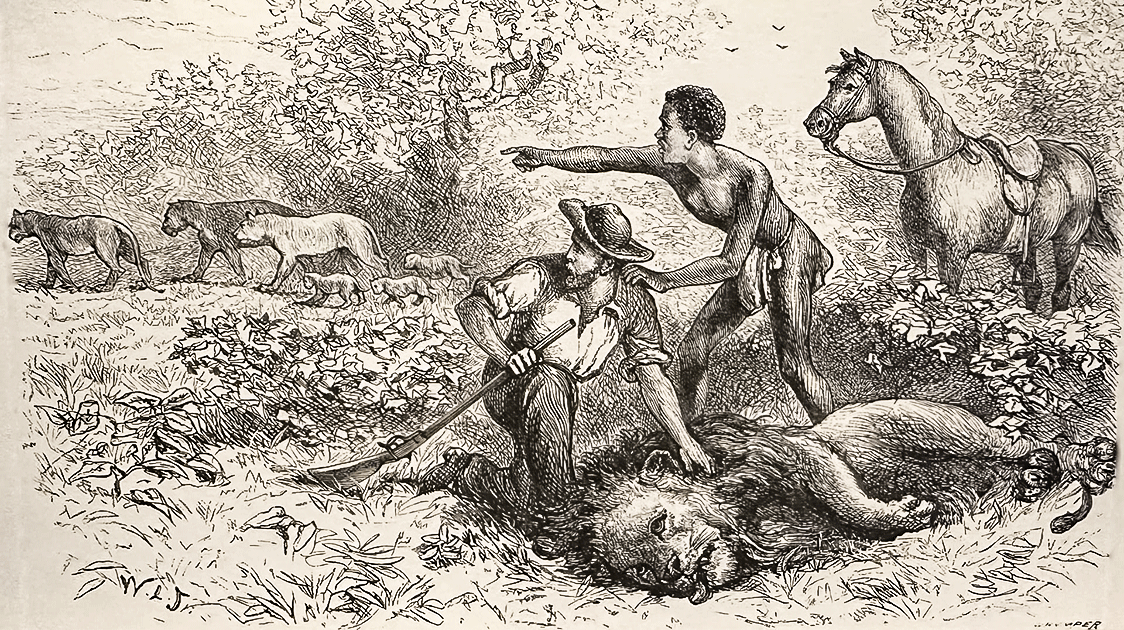
Hunting no doubt killed a lot of wildlife, but it is always likely that the expansion of livestock, farming, and fences was the real cause of the loss of wildlife.
The European Powers implemented norms very similar to American models in their African colonies through the London Conventions of 1900 and 19334 (Heijnsbergen, 1997).
Mirroring Roosevelt and American ideas, the London Convention of 1933 emphasizes the same points: national parks without hunting or settlements; the nationalization of wildlife and public management; and considerable restrictions on the trade and commercial use of wildlife.
The Convention specifically seeks not to prejudice the hunting and other rights of native chiefs or tribes. Today's conservation policies (except for native rights) have hardly evolved.
The public management of parks in Africa
African countries began to set aside national parks - managed by Parks departments – from as early as 1898, many decades before other continents, and this accelerated after World War II (UNEP-WCMC, 2012).
Separate 'game departments' were set up to manage wildlife outside parks, primarily to 'control' human-wildlife conflict by, for instance, killing elephants or exterminating wildlife to reduce the risk of tsetse flies or diseases to domestic animals.
Many of these agencies were amalgamated after the 1960s as the contemporary Parks and Wildlife Department.
The administrative and economic relationships between parks and rural communities have been changing rapidly.
The game rangers that staffed early parks and wildlife agencies were always white and very often military. Living in remote areas, their companions on patrols and hunts were invariably black assistants, and they worked much more sensitively with local people than modern perceptions suggest.
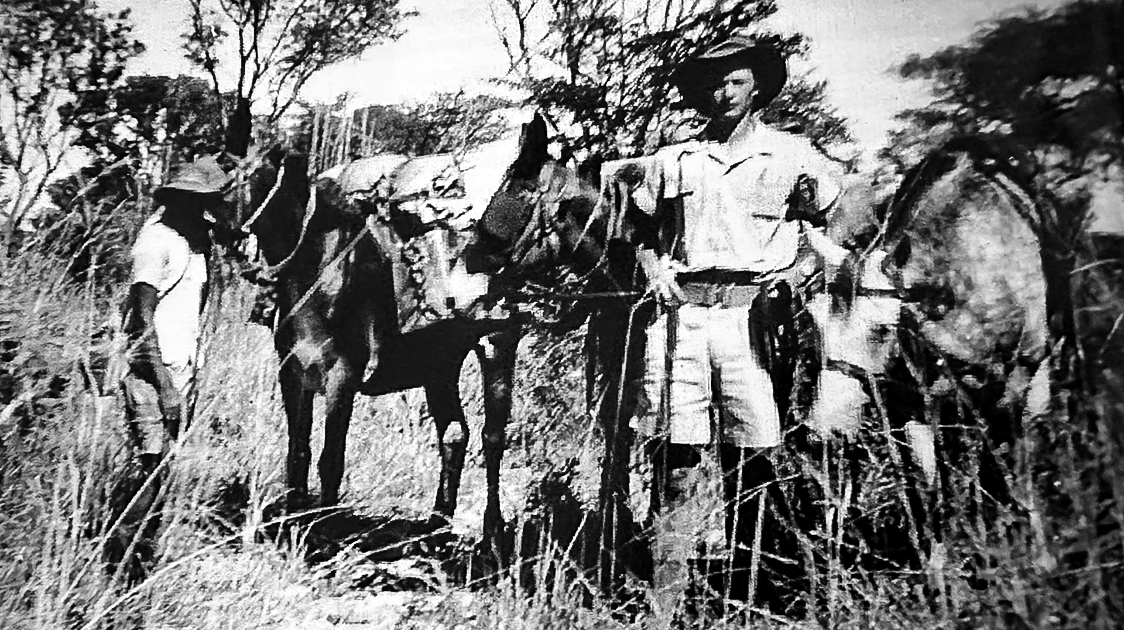
For example, Ian Parker sought synergies between the elephant hunting culture of the Walunguli tribe and Tsavo National Park in Kenya (Parker, 2004), and Norman Carr promoted community benefits from tourism in the Luangwa.
Some game reserves in Botswana - Moremi and Central Kalahari Game Reserve - were established with considerable sensitivity to the needs of the local bushmen (Child, 2009).
Early game rangers and administrators believed that the major threat to wildlife was "big white hunters, not the local people who had lived with wildlife since time immemorial (Parker, 2004), and even the London Convention explicitly recognized 'hunting or other rights already possessed by native chiefs of tribes'.
National Parks are a positive force in the African landscape, especially when managed well.
However, parks provide a much larger suite of benefits than prescribed by biologists, and the potential of parks as economic engines in remote rural areas, and synergies between parks and the livelihoods of rural people, has not yet been realized.
There is considerable controversy about the relationships between parks and local people.
Anthropologists and political scientists often cast parks in a negative light, following the narrative that parks displaced poor black people and are associated with human rights abuses and loss of land and access to resources (Brockington & Igoe, 2006).
Environmentalists sing the opposite tune, perceiving communities as the enemy, so they get caught in the crossfire over illegal wildlife trade and green militarization (Duffy, 2016; Cooney et al., 2017).
The real picture is more nuanced.
As in North America, many of Africa's parks were established between 1920 and 1960 on 'useless land' (Carruthers, 1995), or in critical watersheds such as mountain catchment forests.
In their heyday, African wildlife departments were tiny, with a few dozen dedicated field rangers setting up game parks with limited resources and considerable ingenuity.
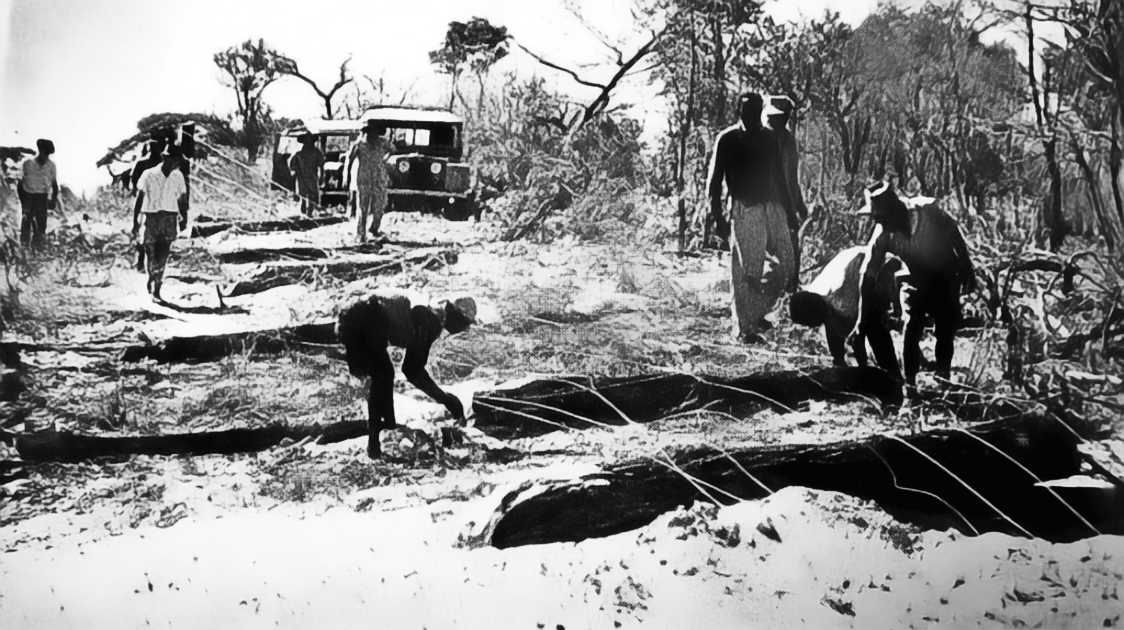
Africa's population was one-tenth of today, and the number of people moved to make way for parks is minuscule compared to those now affected by these parks.
Moreover, the narrative of park administrators running roughshod over local people may not be the whole picture.
Certainly, in Botswana and Zambia, park formation was sensitive to local people and followed years of negotiation with them (Campbell & Child, 1971; Astle, 1999), and citizen hunting was allowed for many years because wildlife hunting was integral to local livelihoods (Astle, 1999).
Of course, the formation of parks, even on useless land, affected some local people.
Even in America, Roosevelt evicted white farmers and miners to establish Grand Canyon National Park. Still, it would be hard to look back on the Grand Canyon and say Roosevelt's vision did not provide far more livelihoods and jobs today than if the area had remained fragmented into ranches and mines.
In Africa, clumsy laws and high-handed actions in the name of parks and wildlife still cause long-term resentment and hostility to conservation, especially where traditional livelihoods were arbitrarily made illegal, sometimes directly, but more often by defining traditional hunting methods as 'primitive' and illegal.
Rather than getting stuck in a narrative and counter-narrative about whether parks are good or bad for people, it is more productive to ask how changing administrative realities have affected relationships between parks and neighboring communities, and where this can be improved.
Parks in developing countries are a low economic priority, with shrinking budgets but swollen staffing levels.
Consequently, park agencies become office-bound bureaucracies, gradually losing contact with and sensitivity to local people. In neo-patrimonial economies, state agencies, including park agencies, become politicized, lose technical proficiency, and even public accountability (Grindle & Thomas, 1991; Hyden, 2006).
Officials distrust the private sector, which they don't understand (Gibson, 1999; Hyden, 2006), especially in post-socialist states, so they miss opportunities to develop parks as economic engines.
Underpaid park managers can become distanced from, and distrustful of, local people, and when this is combined with pressures to stop poaching and the illegal wildlife trade, human rights abuses are not uncommon.
In these circumstances, frustrated professionals then leave government service to work for NGOs. International NGOs fill the growing gap in national capacity, and their short funding cycles are often even more distant from local realities.
Without holistic, long-term thinking and investment, parks lose their potential to conserve wildlife and promote local economic growth. The scale of these opportunity costs in terms of lost wildlife and lost income can be large (Lindsey et al., 2014).
There is also a wrong perception that local people don't like parks.
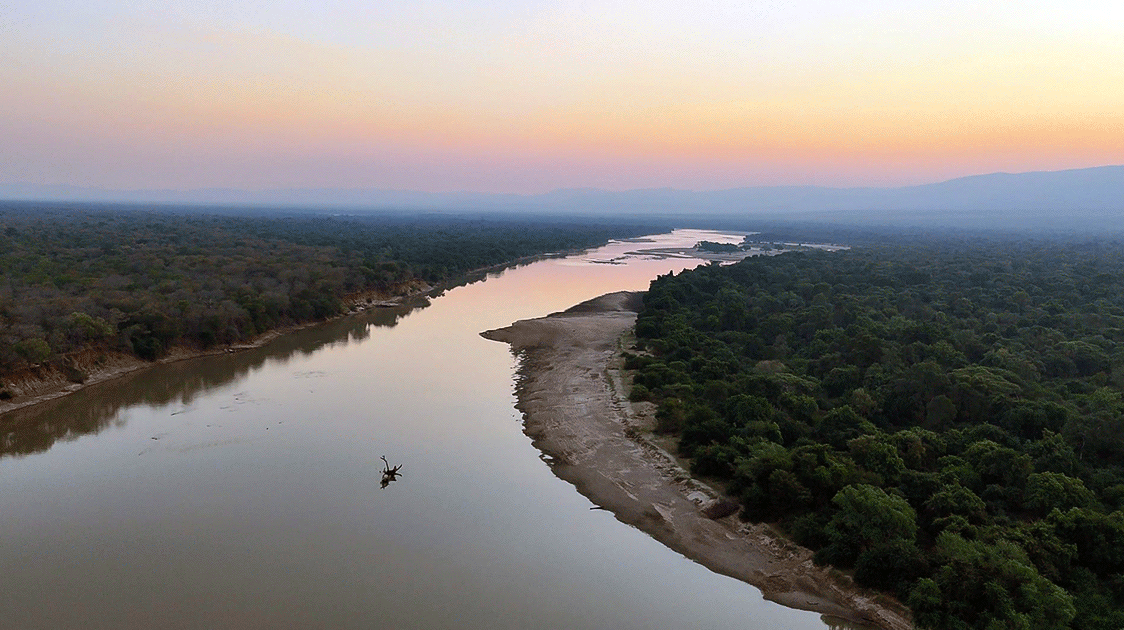
Many people living around parks in Africa appreciate existence values ('I want my children to see wildlife'), ecosystem services ('the park brings rain'), and economic opportunities ('they bring jobs and development') (Mulindahabi, 2017).
People might not like apes and elephants that raid their crops, especially when park managers do not manage them effectively.
But they resent most of all how some park managers treat them, and the unfairness of park and wildlife policies.
Rather than building on most local people's underlying desire to see the park succeed, policies alienate them.
They are excluded from the wildlife economy on their own land.
Through "green militarization", communities are treated like criminals and made vulnerable to organized crime in a way very similar to blighted urban communities and the illicit drug trade.
Consequently, even if local people like parks, they do not necessarily like park managers or wildlife policies.
This situation can be reversed by managing parks specifically to create local economic growth, by providing local people with the safety and security they need to resist organized crime, and by involving them in the wildlife economy through community-based natural resource management (CBNRM).
When parks are well managed and publicly accountable, they contribute significantly to the local rural economy, as we see around many parks in North America and some in Africa.
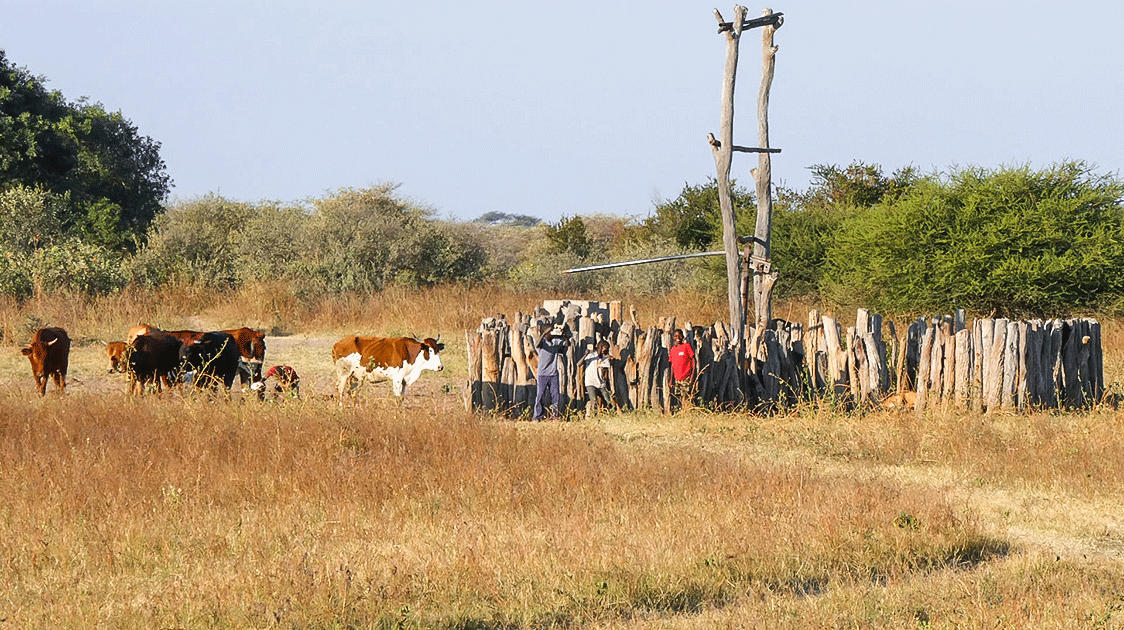
Indeed, most viable examples of CBNRM are in park buffer zones, where they can feed off the wildlife economy generated by the park, as well as excess animals.
Proactively managing parks as engines of economic growth is therefore an important, if indirect, way to encourage rural development, including CBNRM.
However, parks are seldom geared up for this challenge.
Parks seldom include goals of economic growth and social upliftment (to which they are well suited) alongside metrics like biodiversity and tourism in their key performance areas.
Moreover, parks' staff are rarely trained in these capacities - namely the economics and governance of the wildlife economy and CBNRM.
Nonetheless, the return on investment in an effective park-community relationship and a wildlife economy is usually large.
Even small, thoughtful actions can significantly improve relationships, such as providing medical and veterinary assistance to Bedouin in Egyptian parks or micro-projects around parks in Rwanda (Mulindahabi, 2017).
Thus, strategies for integrating parks and communities as more sustainable social-ecological systems include:
- Respectful park outreach, where nothing is more effective than accessible and respectful park managers
- Revenue sharing and other support
- Tourism and purchasing policies that deliberately include and benefit local communities
- The provision of security to prevent the disruption of local society by criminality linked to wildlife
- Devolving proprietorship so that communities can enter the wildlife economy as equal partners, to extend the wildlife economy and conservation landscape well beyond the park (i.e. CBNRM)
There is a considerable need to build these principles into protected area management.
Prof Brian Child is an associate professor in the Department of Geography and the Center for African Studies at the University of Florida, and the director of the Life Through Wildlife Project. His book, “Sustainable Governance of Wildlife and Community-Based Natural Resource Management”, is available on Amazon.