Pig-piling on the Dead
By Hank's Voice
In 1673, German political philosopher Samuel von Pufendorf wrote, “More inhumanity has been done by man himself than any other of nature’s causes.”
Now, over 350 years later, this theme is played out regularly on social media and in the legacy media, in the despicable attacks that anti-hunters savagely inflict upon hunters.
What is particularly vile is the hateful public vitriol spewed upon hunters and their families in the case of a fatal encounter with wildlife.
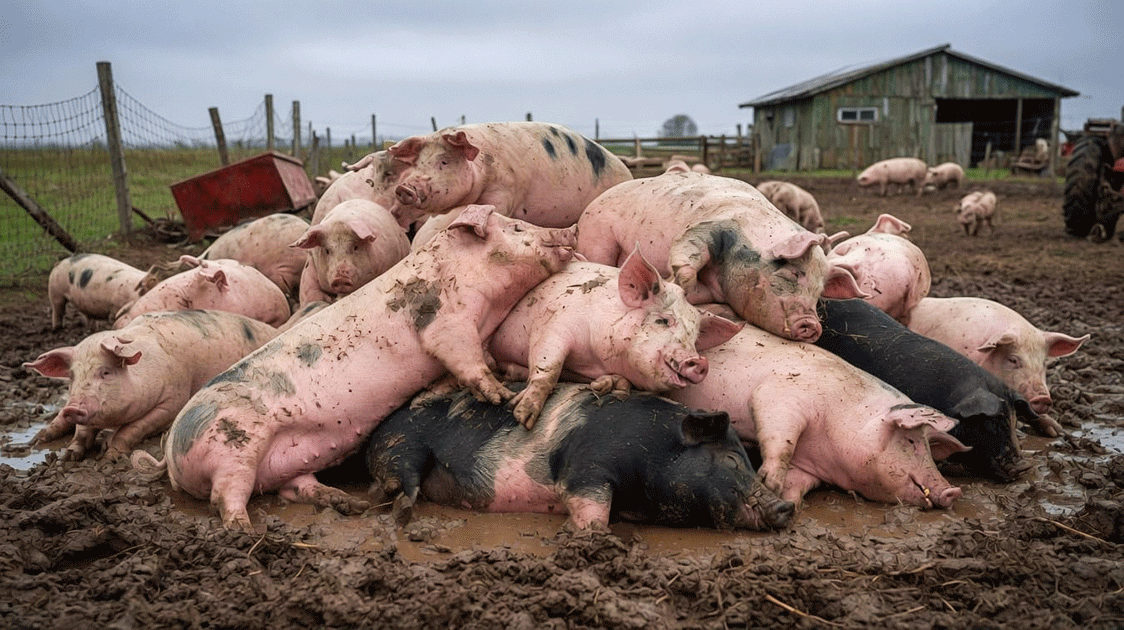
Every time a hunter gets killed, they pull out their hate templates, repeating the same persecutory phrases and accusations, pig-piling onto every relevant post or comment thread, desecrating them all with their mob-style scorn.
Reading through them should readily make people with any sense of common decency wonder - what is wrong with these people?
Social media and journalism platforms claim to have community standards and codes of ethics that serve as guidelines for ensuring accuracy, fairness, and accountability, with the goal of minimizing harm.
Yet content targeting hunters that contains hate speech and atrocious persecution is not only never removed but actively encouraged.
The sociopaths in the audience and the algorithms love to lead with the bleed. And persist in flogging the deceased months and years afterward through reposting the stories.
They perpetuate a utopian view of what it’s like to share landscapes with wild animals. Always peaceful coexistence unless you’re hunting them.
If this is so, why, in growing numbers, do people get killed while simply tending their fields or going about their daily lives?
Why aren’t these stories being told in the news and going viral on social media?
An example of the viciousness and hateful focus of these mobs is their abhorrent reactions to the recent death of an American hunter, killed by elephants in Gabon, when he was hunting yellow-backed duikers.
One comment was, "We hope the elephants are okay!”

But did any of them bother to investigate, to find out who else is getting killed by elephants there?
Most of the hunter-haters have probably never even heard of Gabon, or that the forest elephant is not the same as a savanna elephant.
Gabon is roughly the size of the U.S. state of Colorado, and its small human population of 2.23 million people lives mostly in urban centers, while around 10% live in rural forest communities.
Nearly half of the country’s population lacks access to clean water, health and education services are often inadequate, and 60% poverty rates in rural areas prevail.
Around 65% of rural households depend on small-scale low-input farming, typically cultivating plots of cassava, maize, and plantains, averaging just 1.5 hectares.
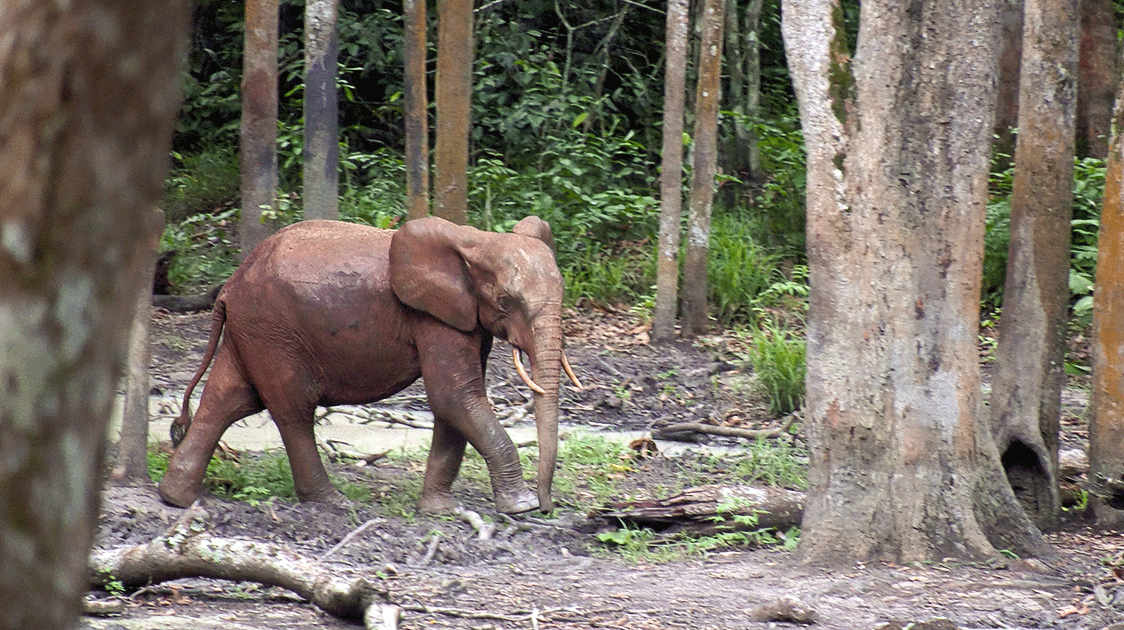
Gabon is home to over 95,000 forest elephants; roughly 60% of Africa’s total.
Forest elephants roam across 98% of Gabon, with 47 out of 48 districts experiencing escalating human-elephant conflict, making it the world's highest conflict zone.
Elephant densities in some rural areas range from 0.24 to 2.9 elephants per square kilometer, resulting in frequent encounters. Over 90% of farmers in some areas report crop raiding.
Between 2016 and 2021, nearly 12,000 complaints about crop destruction were registered. In one day, elephants can destroy crops that can support a family for one year.
On average, elephants kill about ten people a year in Gabon. And, despite their protected status, humans retaliate by killing around 50 elephants annually.
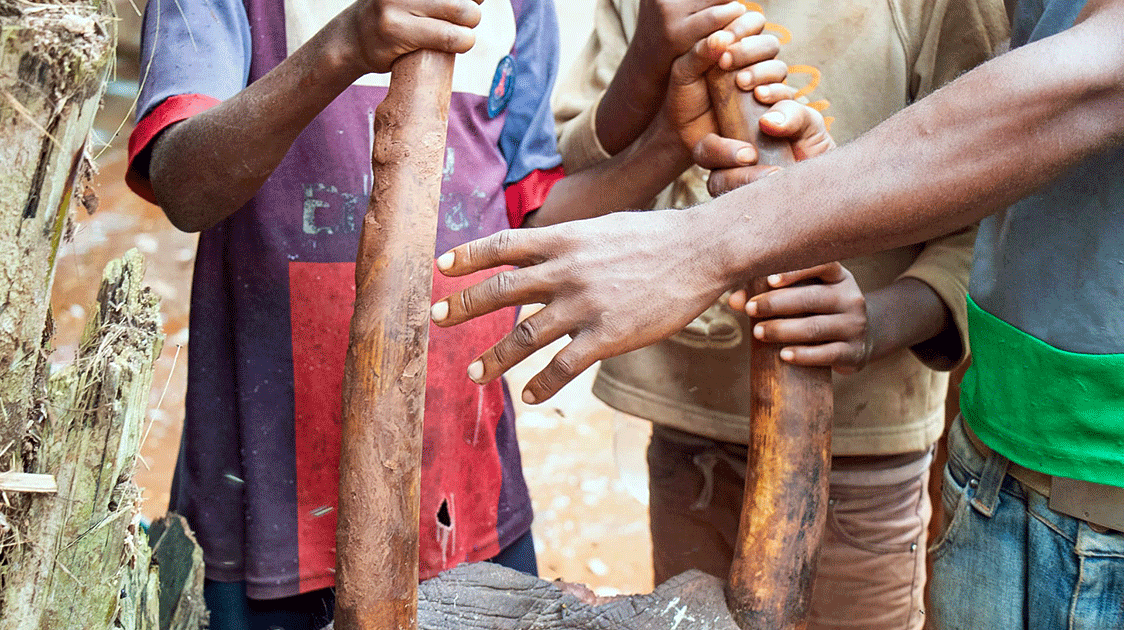
Although these elephants are known as important forest “gardeners” for their ecological roles in seed dispersal and shaping forest structures, it is understandable that villagers view them instead as garden intruders.
Ineffective measures implemented against their destruction, like fencing using lianas or metallic cables with noisemakers like cans and metal sheets, staying on guard by living in camps in the fields, chasing them away by noise, fire, or light, are physically exhausting, mentally taxing, and often result in a reduction of income sources and exodus from rural areas.
Elephants aren’t the only marauders. Village farm plots also experience problems from gorilla, chimpanzee, cane rat, and porcupine raids.
Rural dwellers consider killing elephants to be an accepted option, but previously, that was problematic because requests for permits were rarely accepted, they did not have guns, and there were no hunters in the village. But now, they’re allowed to kill elephants in self-defense.
Additionally, the Gabonese government and the NGO Space for Giants (specializing in mitigating human-elephant conflict across Africa) are implementing non-lethal mitigation measures, including solar-powered electric fences, community compensation, early warning systems based on elephant movement data, community awareness campaigns, and rapid-response training.
The goal is to install 1800 mobile fences in all 9 provinces in the country. These single-strand fences usually deter repeat attempts and are around 95% effective in preventing crop raiding, if it’s a single elephant offender.
Herds may bust through them, but more monitoring is needed via camera traps. Such technology is affordable, practical, and adaptable to rural conditions, but many communities are inaccessible by road and can only be reached by river, and suitable boats are in short supply.
Across Central Africa, between 1991 and 2021, 86% of forest elephant populations were lost due to poaching, habitat loss, and political instability.
In Gabon’s Minkebe National Park alone, poachers killed more than 25,000 elephants in a single decade (2004-2014).
88% of the park’s population was swiftly wiped out, mostly unknown to authorities, as detection in the impenetrable rainforests is very difficult.
Minkebe National Park is the largest protected forest in Gabon, and sits on the border with Cameroon, a far poorer country with roughly 15 times as many people as Gabon.
In 2011, the National Parks Agency expelled over 6,000 illegal immigrants (mostly Cameroonians) from an illegal gold mining camp at the center of the park.
This camp enabled poachers to deplete forest elephant populations from 35,000 to 7,000 in only ten years. And the social media mobs worry about a legal hunter killing ONE elephant elsewhere?
Gabon has managed to maintain 88% of its tropical rainforest cover, much of it primary. Therefore, unlike most elephant range states, potential elephant habitat covers almost the entire country, permitting resident forest elephants to rebound whilst also serving as a refuge for transient ones.
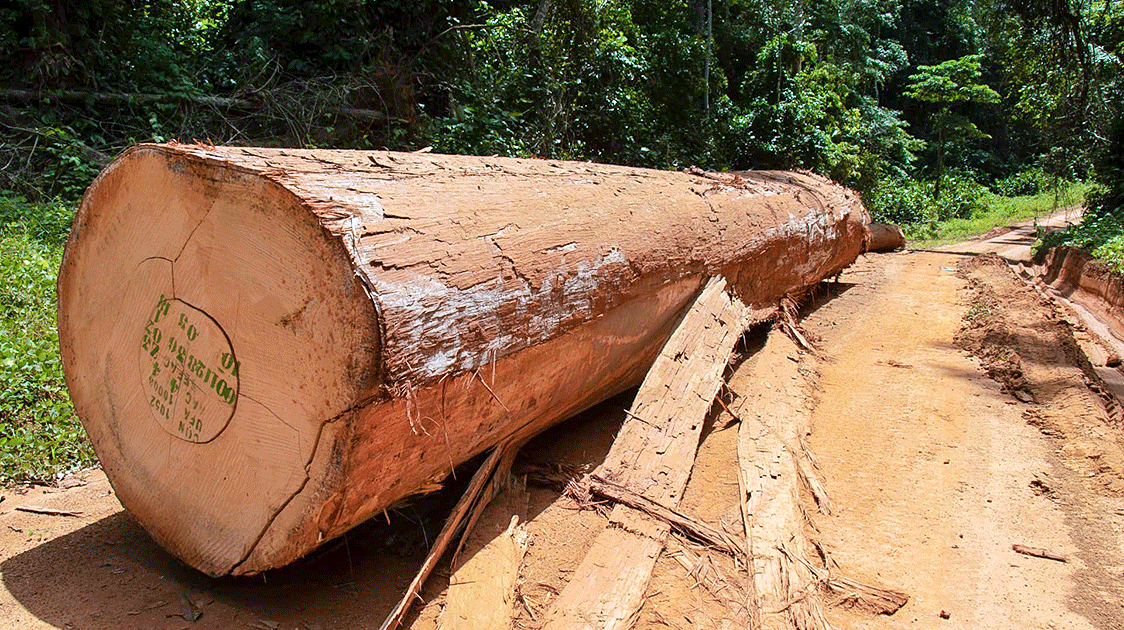
In 2011, Gabon granted full protection to forest elephants and doubled the budget for National Park development. In 2012, they created a National Park police force, and in 2014, they joined a global elephant protection initiative.
Despite supporting significant biodiversity and being called the “Second Lung” of the world (after the Amazon), Gabon remains one of Africa’s least-visited wildlife destinations, with its 13 national parks attracting only small numbers of visitors, and hunting tourism is limited. But along with governments, NGOs, and international coalitions, each contributes at least to some extent.
But who is responsible for exacerbating these problems?
The vicious ignorants who expend time and energy hating hunters, distorting and warping public perception, misguiding others away from the true conservation issues needing to be addressed, and completely omitting the plight of local people dealing with dangerous wildlife continuously.
Human-elephant conflict is but a part of all human-wildlife conflict, and realistically, it won't be fully eliminated; it will only be mitigated. But one aspect that SHOULD and CAN be eliminated is human-to-human conflict.
In 1784, Scottish poet Robert Burns penned the term “Man’s inhumanity to man”, referring to human cruelty, barbarity, or lack of compassion toward other humans.
Mankind’s inherent ability to see and treat other people as less than human, especially in situations where people exploit or harm others to fulfill their own desires.
It's a shame that over 240 years later, these sentiments are thriving in the anti-hunters persecuting hunters whilst ignoring the plights of local peoples, on an unconscionable level of viciousness.