Africa
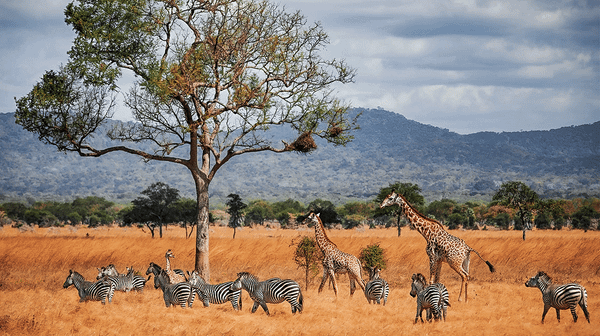
Africa holds around a quarter of the world’s biodiversity and produces most of the world’s ranger casualties. Patrol’s coverage concentrates on the parts of the continent where active anti-poaching operations matter most: southern, eastern and parts of central Africa.
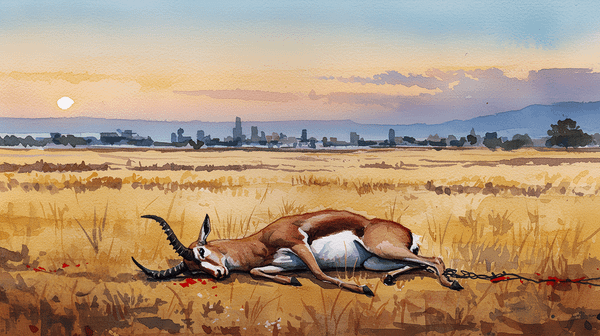
The world’s largest illegal wildlife trade by volume happens in Africa: bushmeat, which dwarfs ivory and rhino horn by orders of magnitude.
How conservation is organized across Africa
The continent has no single conservation system. Each country runs its own wildlife authority, has its own legal framework for hunting and trade, and has its own mix of government, NGO and private operators on the ground. Some general patterns:
National parks and government wildlife authorities
Every country with significant wildlife has a state agency responsible for it: ZimParks in Zimbabwe, KWS in Kenya, TAWA and TANAPA in Tanzania, SANParks in South Africa, ANAC in Mozambique, MEFP in Cameroon, DNPW in Zambia.
Funding levels vary enormously. Most are understaffed and underfunded relative to the territory they cover.
Co-management partnerships
Many of Africa’s most successful parks are run under co-management agreements between the state agency and a conservation NGO. African Parks manages 22 parks in 12 countries. Frankfurt Zoological Society has worked in the Serengeti and North Luangwa for decades.
The Wildlife Conservation Society runs major operations across the Congo Basin.
These arrangements tend to outperform government-only management in operational continuity, but they depend on long-term donor funding.
Community-based natural resource management (CBNRM)
Where rural communities hold rights over wildlife and the income from it, anti-poaching tends to work. Namibia’s conservancy program is the standard reference: 86 conservancies covering 20 percent of the country, 227,000 community members, and around US$10 million in annual benefits. Zimbabwe’s CAMPFIRE program covers 12 million acres.
Zambia’s Game Management Areas return 50 percent of trophy fees to communities. Patrol covered the framework in Payments for Ecosystem Services in African Conservation and the underlying argument in The Right to Decide?.
Hunting concessions
Across much of southern and eastern Africa, safari hunting concessions carry most of the funding for anti-poaching on land that is neither in a national park nor under direct community control.
Concessions in Mozambique’s coutadas, Tanzania’s hunting blocks, Zambia’s GMAs, Cameroon’s northern hunting zones and Zimbabwe’s conservancies fund the rangers, the vehicles, the fuel and the community programs.
The $200 Poacher vs. The $50,000 Safari Hunter walks through the economics on a single concession in northern Cameroon.
Private conservancies
South African and Kenyan private game reserves, and Zimbabwean conservancies (Save Valley, Bubye Valley), host significant rhino and other rare species populations.
They are funded primarily through safari hunting, along with some photographic tourism and breeding programs.
Regional patterns
The differences between African regions matter more than the similarities.
Southern Africa
The most developed CBNRM systems on the continent. Strongest revenue-sharing models, largest elephant populations, and the only remaining significant white rhino populations.
Safari hunting plays a substantial economic role in conservation. Photographic tourism is well-developed. Bushmeat snaring is the most common daily threat to rangers. Mukula timber trafficking is the largest regional crime story.
East Africa
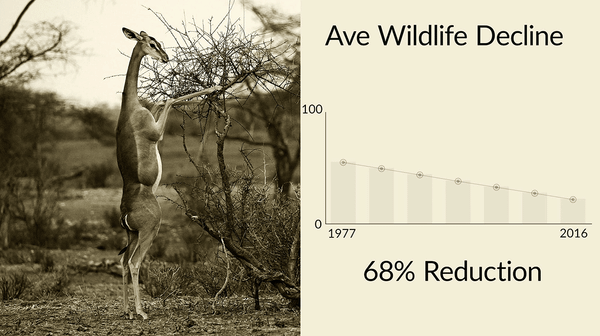
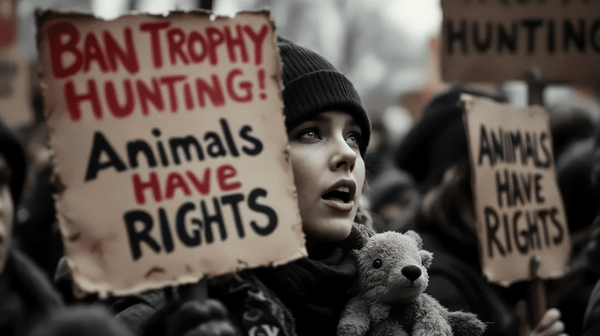
Higher human populations near wildlife areas lead to greater human-wildlife conflict. Kenya banned safari hunting in 1977 and, since then, has seen wildlife populations plummet by around 80%. The reasons for the ban on safari hunting can be traced back to this incident.
Tanzania retains hunting blocks. Pastoralism is replacing wildlife across vast tracts of rangeland. Patrol covered this in The Inevitable Cascade. The Serengeti-Mara system is the most-studied ecosystem in Africa.
Central Africa
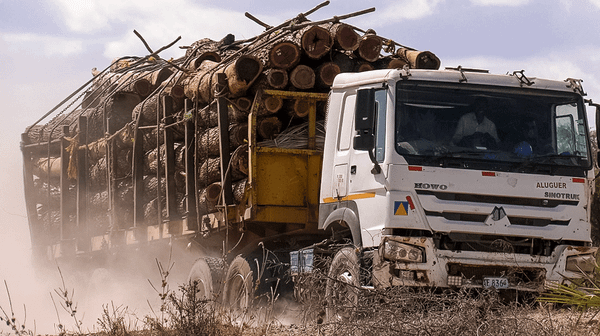
Forest ecosystems. Logging roads cut access into formerly inaccessible forest, and the same trucks carry timber out and bushmeat back.
Armed group involvement is the largest single threat in the eastern DRC, Central African Republic, and parts of Cameroon. Great ape populations are the most sensitive headline target. Northern Cameroon’s savanna and the Bénoué Complex are covered in Conservation vs. Livelihoods.
West Africa
Most large wildlife is gone. The reasons include high human population densities, long histories of poaching, low rainfall, and the absence until recently of effective CBNRM structures.
Pockets remain: Niokolo-Koba in Senegal, Pendjari and W in the W-Arly-Pendjari complex across Benin, Burkina Faso and Niger. Most West African bushmeat trade now sources from Cameroon and Central African forests.
North Africa
Outside Patrol’s active coverage. The conservation challenges here (Barbary macaques, Atlas Mountain wildlife, Saharan ungulates) are real but operate on a different scale from those in sub-Saharan Africa.
Transfrontier conservation
Wildlife does not respect borders. Several of the most important conservation landscapes in Africa span two or more countries.
Kavango-Zambezi (KAZA)
The largest transfrontier conservation area in the world: 520,000 km² spanning Angola, Botswana, Namibia, Zambia and Zimbabwe. KAZA contains roughly half of Africa’s remaining savanna elephants. The cross-border framework enables coordinated anti-poaching efforts, joint management of elephant corridors, and shared tourism revenue.
Greater Limpopo
A 35,000 km² area combining Kruger National Park (South Africa), Limpopo National Park (Mozambique) and Gonarezhou (Zimbabwe) was established in 2002. Persistent rhino-poaching pressure on Kruger from the Mozambican side has been a defining feature of the past 15 years.
Selous-Niassa
Connects Tanzania’s Selous Game Reserve with Mozambique’s Niassa Special Reserve via a wildlife corridor. Among the most important elephant-range areas in Africa, both reserves have lost large fractions of their elephant populations to commercial poaching during the past two decades.
The cost
Two rangers are killed in the line of duty every week globally. More than 1,000 rangers have been killed worldwide in the last decade. Around 88.6 percent of those casualties are African rangers.
Patrol covered this in The Forgotten Heroes. Causes include armed contact with poachers, vehicle and aircraft accidents, animal attacks, and disease. The ratio varies by operation.