The State of the Ranger: Africa’s Frontline Workforce Under Pressure

Key Takeaways
- Africa’s rangers are frontline conservation workers under intense pressure. Many are underpaid, undertrained, and lack insurance.
- Staffing and resource shortages are weakening protection efforts.
- Rangers are doing more community engagement, but training has not kept pace.
- The report calls for greater recognition, better conditions, and professional reform.
The International Ranger Federation’s first world State of the Ranger report was based on surveys conducted in 2023.
The report collated responses from 1,286 rangers in 81 countries and 287 ranger employers in 65 countries. The purpose was to document working conditions and establish a baseline against which the profession could be measured over time.
The authors acknowledged sampling bias and access issues; a survey conducted through email and social media relies on connectivity, which is not always reliable in Africa.
This resulted in uneven regional and country representation, leaning heavily towards Southern and East Africa while the Central and West Africa results were thin, the francophone and lusophone blocs even thinner.
The figures show the shape of the problem rather than a clear-cut definition of it.
The report is intended to become a recurring assessment, published every three to four years around the IRF World Ranger Congress. The second volume is expected in 2027, creating an opportunity to assess whether governments, conservation agencies, donors and other employers have acted on the first report’s findings.
A profession still seeking recognition
The report describes rangers as “planetary health professionals”, people responsible not only for wildlife, but also for ecosystems, cultural and historical heritage, and the well-being of present and future generations.
Their responsibilities extend from biodiversity monitoring and law enforcement to public safety, community engagement and conservation education.
Yet the report suggests that the conditions under which many of them work do not match what is expected of them.
Globally, 65% of ranger respondents believed that the public regards rangers as essential service workers, comparable in importance to nurses, police officers and firefighters.
At the same time, 36% of employers said that rangers were not officially recognized as a profession or essential service in their countries. This is an important point as recognition is not simply symbolic.
It can influence pay scales, access to benefits, training standards, insurance, professional qualifications and the degree to which rangers participate in policy decisions affecting protected areas.
In many African countries, rangers are the visible face of conservation authority in remote areas.
They may be the first, and sometimes only, representatives of the State or conservation agency that local communities engage with.
They are expected to enforce regulations, manage conflict, protect wildlife and support conservation objectives, often in places where roads, telecommunications and public services are limited.
Africa’s pay gap
Globally, 86% of rangers said they were paid at least the country’s minimum wage obligation, but 37% said their income was insufficient to cover their basic needs.
Only 72% of African ranger respondents said they were paid at least the minimum wage, compared with 99% in North America, 92% in Europe and 93% in Oceania.
A ranger working in a remote wilderness must consider factors such as transport costs, family responsibilities and the cost of living in or near protected areas that shape whether a wage is genuinely adequate.
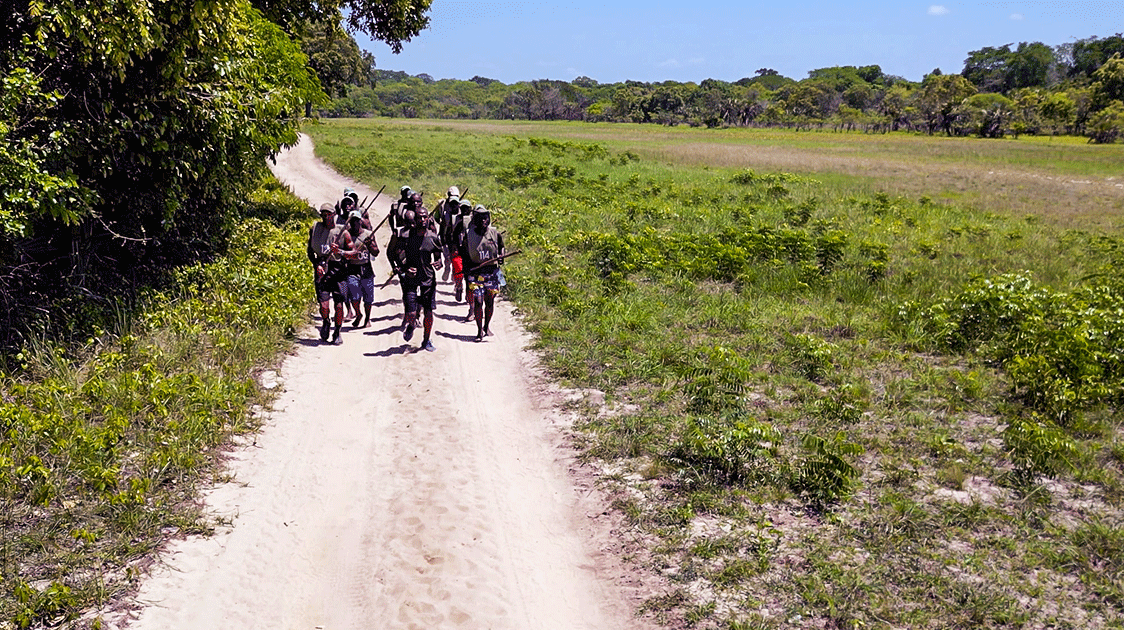
Fewer than half of African rangers have had adequate training while doing life-threatening work. The most recent IRF and Thin Green Line Roll of Honor, with a full name-by-name breakdown covering the year to May 2025, recorded 174 ranger deaths worldwide.
Of these, 67 were in Africa, and 38 of the 49 ranger homicides logged anywhere in the world that year occurred on the continent.
Most were conflict-zone killings across the Sahel, the DRC, and northern Mozambique, or poaching-related shootings in Tanzania, Kenya, Uganda, and Malawi.
Tanzania alone lost 15 rangers.
The following cycle, to May 2026, brought the global total to 147 across 40 countries, with Africa and Asia together above 80 percent. The Roll of Honor counts only reported deaths, so the real figure is most likely higher.
Globally, less than 40% of rangers reported to have insurance, and in a profession where injury, illness and death can occur far from medical facilities, these benefits matter.
An African ranger is therefore statistically likely to be underpaid, undertrained for the hazards of the work, and uninsured against injury or death in it.
This affects morale and retention and can make conservation work less attractive as a long-term career and harder to retain experienced personnel.
Rangers are frequently expected to operate under pressure, sometimes carrying weapons, exercising arrest powers and making decisions that have serious consequences. Professional expectations are difficult to sustain indefinitely if the profession itself does not offer a sustainable livelihood.
This is one of the report’s most important findings: it separates the opportunity for employment from its quality.
Too few people, too few resources
The report also exposes a staffing problem. Sixty-five percent of employers said that the number of rangers operating in their areas was inadequate for the responsibilities assigned to them.
At the same time, 47% of rangers said they had fewer resources than they needed to perform their work.
This goes beyond just vehicles or firearms and encompasses personnel, operations, training, equipment, facilities, information, technology, leadership and budgets.
This is especially relevant in Africa, where conservation areas can cover immense distances and where rangers may be required to operate in difficult terrain with limited infrastructure.
A shortage of personnel increases the distance between patrol teams, reduces the frequency of coverage and places greater pressure on individual rangers. It can also contribute to fatigue, stress and weaker relationships with surrounding communities.
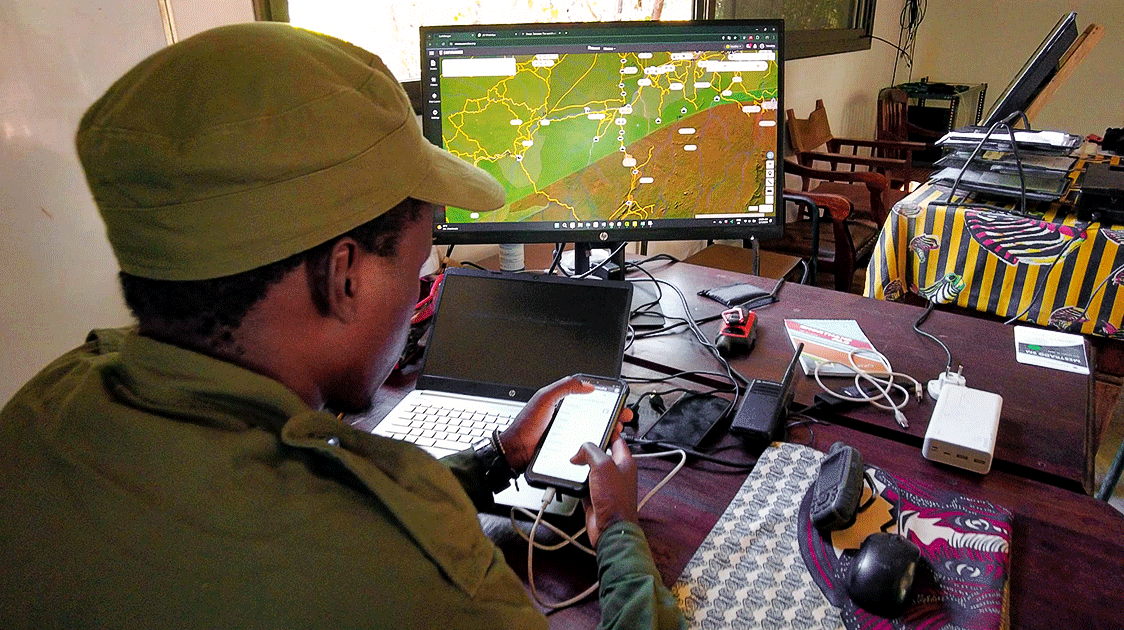
Thirty-nine percent of rangers globally said they lacked the right communication tools to do their jobs.
Only 51% reported reliable internet access in the areas where they worked. Mobile data and phone calls were the most common means of communication, while only around 30% reported using computers or two-way radios.
Training does not always reach the field
The report presents a stark contradiction: employers often report more training than rangers say they have received.
For example, 83% of employers said they offered an introductory course for new rangers, but only 62% of rangers said they had received one.
Similar gaps appeared in other areas, including field skills, law enforcement, emergency response, first aid and equipment use.
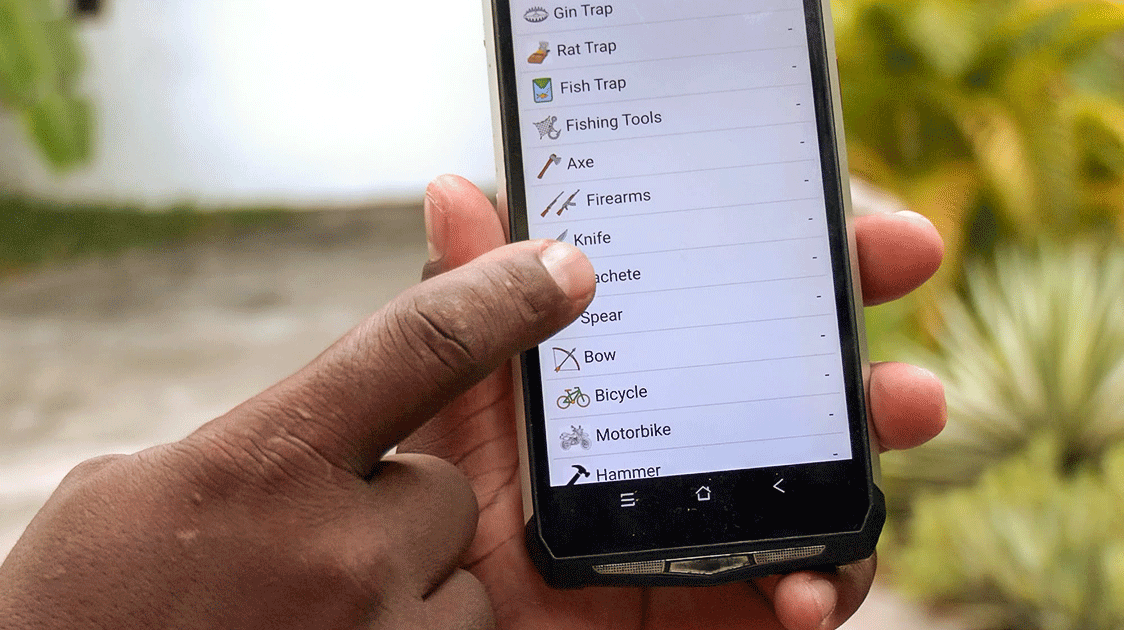
The discrepancy may reflect differences in how employers define “offered” and how rangers define “received”.
A course may be available in principle but inaccessible due to scheduling, distance, staffing shortages or operational demands. It may also be delivered once, without sufficient refresher training or practical follow-up.
The most disturbing finding is that 23% of rangers had received no training at all during the previous 24 months. A further 27% had received less than a week of training.
This is difficult to reconcile with the expanding responsibilities of modern rangers.
Their work increasingly involves first aid, conflict management, law enforcement, evidence handling, digital tools, biodiversity monitoring, community relations and, in some settings, responses to organized wildlife crime.
Despite these gaps, approximately 80% of both rangers and employers believed rangers were adequately trained for their duties.
Rangers also reported feeling competent and confident in several key areas, including emergency response and first aid, field skills, law enforcement and the use of equipment.
At the same time, they said they needed more training across every aspect of the profession.
This may imply that rangers are making a professional success of deficient systems. Confidence and commitment can carry a team a long way, but they cannot replace regular training, competent supervision and properly maintained equipment.
The report recommends that training curricula should cover safety, first response, law enforcement standards, social safeguards, equipment use and accountability.
It also emphasizes the need for stronger training in community relations, rights and communication skills, areas that are particularly important in Africa’s complex conservation landscapes.
The community dimension
More than 90% of ranger respondents globally reported engaging with local communities at least some of the time. Yet only 22% of those working alongside such communities had received training on their needs, lifestyles, priorities or cultures.
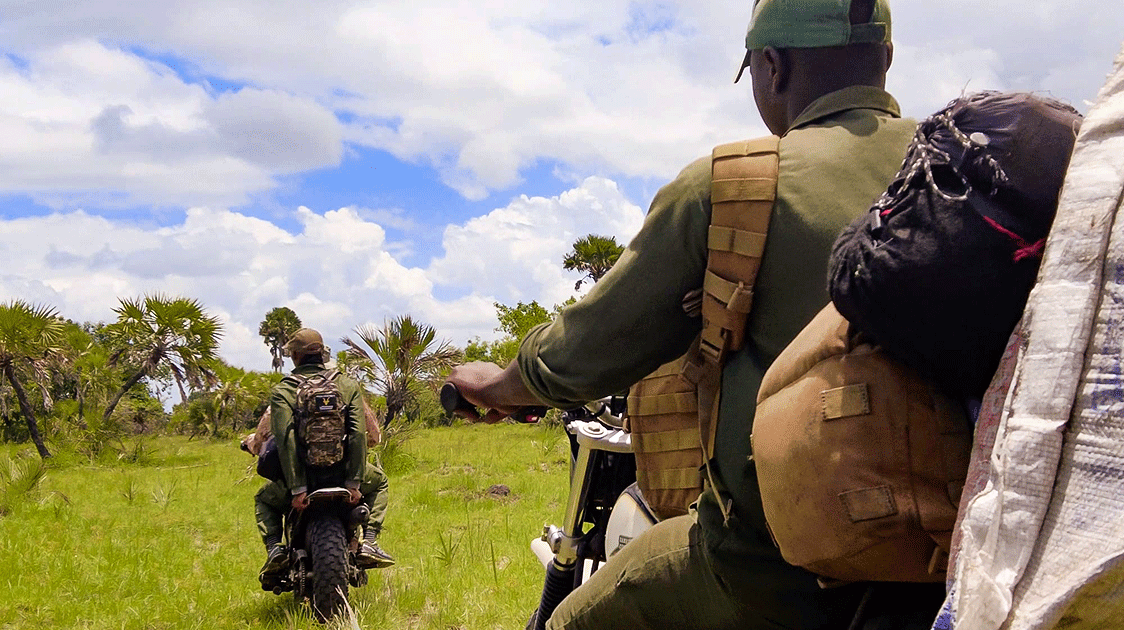
The report found that 58% of rangers said they had not received even a basic overview of these issues. It also found that 57% felt they had reciprocal opportunities to interact with surrounding communities, while 56% were aware of a formal mechanism for community-ranger engagement.
However, 19% said such a mechanism existed but was not used.
This points to an important distinction between contact and meaningful engagement. A ranger may interact with community members frequently, but interaction alone does not guarantee trust, accountability or shared decision-making.
In many areas in Africa, community members are not simply neighbors to protected areas; they are residents, land users, traditional authorities, employees, partners and, increasingly, rangers themselves.
Employers reported that in 41% of cases, more than half of the rangers working in their areas were from local communities.
This suggests that local recruitment is an important feature of the ranger workforce. But recruitment without cultural training, institutional respect and genuine mechanisms for dialogue can leave both rangers and communities carrying unresolved tensions.
Women entering a male-dominated profession
Almost 80% of respondents to the global ranger survey were men, while the report notes that women are estimated to make up only 3–11% of the ranger workforce. One in four employers reported having no female rangers in their areas, and just over 30% said women represented less than 5% of the workforce.
More than 30% of female respondents in Africa and Asia believed they had been unfairly excluded from roles because of their gender. Only 68% of female rangers in Africa believed they were paid the same as male colleagues, compared with more than 80% in Asia and North America.
The survey also found that 62% of female rangers globally believed that sufficient on-site measures were in place to ensure their safety; a substantial minority did not share that view.
Women rangers can play an important role in strengthening community engagement, improving access to women and children in local communities, and bringing different skills and perspectives to conservation operations.
But recruitment must be accompanied by safe accommodation, appropriate equipment, fair pay, career progression and protection against harassment and discrimination.
A changing profession
Africa and Asia recorded the highest levels of adoption or implementation of ranger codes of conduct, either through an organization’s own system or the IRF Code of Conduct.
African ranger organizations are also becoming increasingly organized.
The 2022 African Ranger Congress in Kasane, Botswana, brought together more than 90 participants from 12 countries and resulted in the Kasane Call to Action.
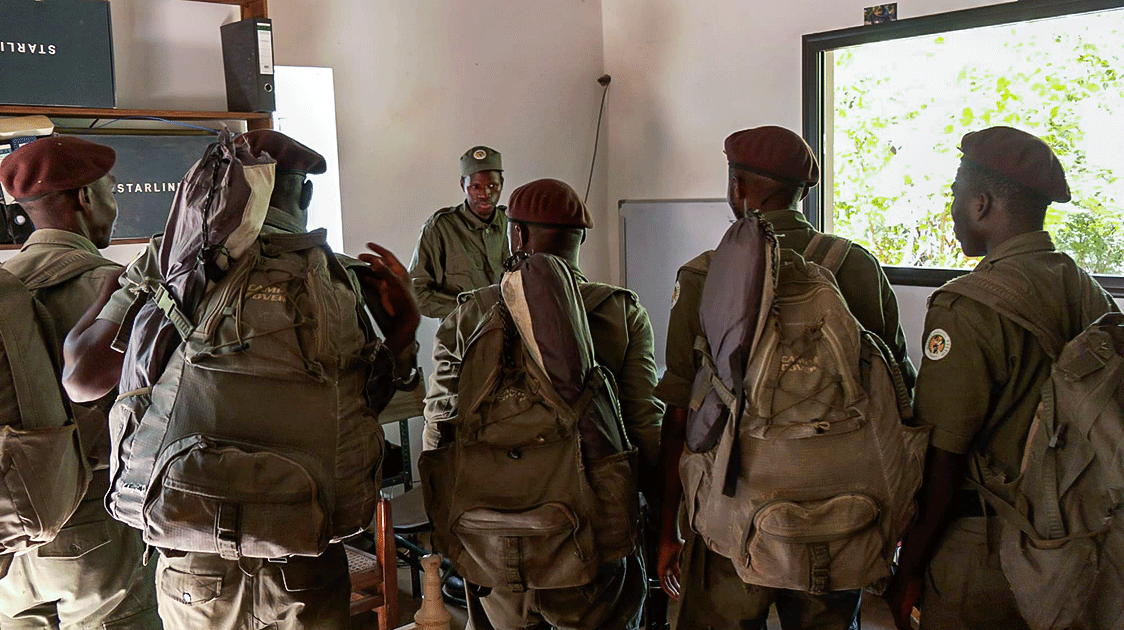
Globally, 62 percent of respondents belonged to an international, regional or national ranger association. Among those members, 48 percent said their association had positively affected their profession “a lot”, while another 31 percent said it had helped “a little”.
Among rangers who were not members, half said they would be interested in joining.
The significance goes beyond conferences and professional networking.
Ranger associations provide a collective voice to a profession whose members often work in isolated locations and have little influence over national policy.
Recruitment is only one part of inclusion. Equal pay, access to roles, training, promotion and safety all matter if ranger services are going to draw from the widest possible pool of talent.
Rangers and communities
Perhaps the biggest transformation in modern ranger work is occurring outside of traditional law enforcement.
More than 90 percent of rangers surveyed said they engaged with neighboring communities at least some of the time. Only 3.5 percent said community interaction was not part of their work.
Yet only 22 percent reported receiving formal training on the needs, lifestyles, priorities, or cultures of local communities. Fifty-eight percent said they had received none.
This matters enormously in Africa because in many conservation landscapes, successful protection depends less on simply catching poachers than on maintaining relationships with neighboring communities, building trust, obtaining information, helping manage conflict, and creating confidence in conservation authorities.
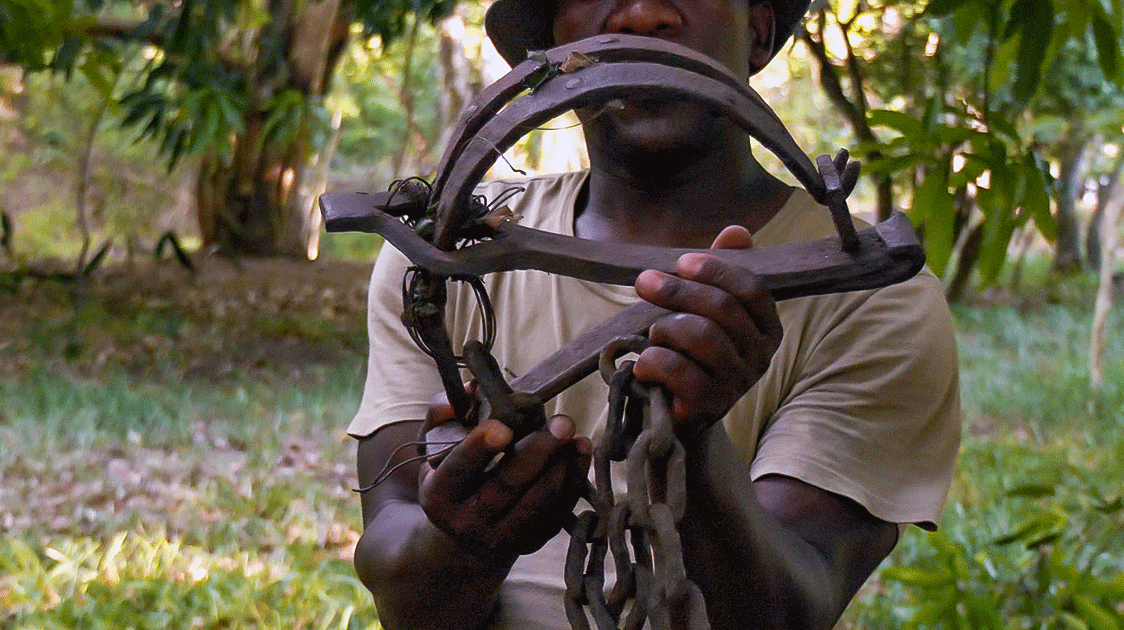
Rangers increasingly operate at the interface between protected areas and the people living around them.
That requires a different set of skills from traditional paramilitary training.
But in many places, the employment system surrounding them has not evolved at the same speed.
Africa appears to be professionalizing the ranger institution faster than it is professionalizing the conditions under which individual rangers work.
Codes of conduct are spreading. Training needs are being assessed. Ranger associations are becoming stronger. International standards are being developed.
A call for reform
The IRF calls for rangers to be recognized as essential planetary health workers, for the profession to be positioned within international labor policy, and for rangers to have greater opportunities to participate in decisions about area-based conservation.
It also calls for more personnel, regular training, better emergency medical care, insurance for serious injury or death, adequate equipment, and stronger ranger associations.
For Africa, several indicators should be scrutinized in the next report, including whether:
- the share of rangers earning at least minimum wage has risen above 72%
- more rangers can cover their basic needs
- health and safety training has become routine
- insurance is becoming standard rather than exceptional
- whether women are entering and progressing on the same footing as men within the profession
- there are more rangers on the ground
- rangers are being recognized institutionally, as professionals performing an essential service
- community engagement has become more meaningful and interactive
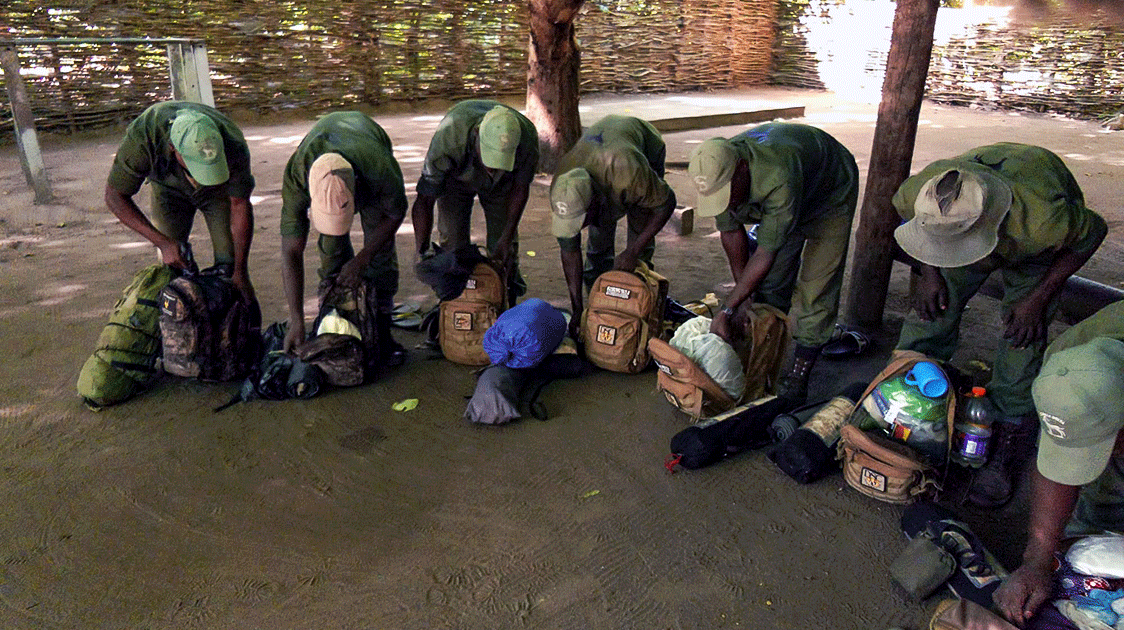
A glaring omission
There is one important and stark issue that the first State of the Ranger report does not address.
Governments, NGOs, communities and private operators employ Africa’s rangers.
But the published figures do not distinguish between rangers working in photographic tourism areas and those employed on hunting concessions.
This matters because safari hunting organizations and the safari operators themselves are significant funders of anti-poaching operations in parts of Africa.
Safari Club International Foundation, Dallas Safari Club Foundation, the Shikar Safari Club and others have financed ranger training, vehicles, aircraft, canine units and entire anti-poaching teams from Mozambique and Zimbabwe to Tanzania and Cameroon.
So the question is: are these critical efforts being recognized, and if not, won’t the survey’s results be skewed?
And if the anti-hunting movement succeeds in eliminating safari hunting, who will look after the 344 million acres of wilderness currently in their care?
Take part in the State of the Ranger Volume Two by clicking on the links below.
Ranger survey: https://tinyurl.com/4f5nu26m
Employee survey: https://tinyurl.com/29dmf7ad