Does a Locust Have Feelings?
By Zig Mackintosh
Key Takeaways
- The Constitutional Court is weighing whether "well-being" belongs in NEMBA, with hunting, fishing, and wildlife management hanging on the answer.
- The new definition shifts the law away from regulated, humane use toward a rights-based stance.
- "Well-being" extends to an animal's mental state, with no objective way to measure compliance.
- Conservation work, including relocation, population control, and collaring, could all be challenged.
- A R44 billion sector is exposed, and even Parliament and the DFFE admit the provision needs a rethink.
Most South Africans will be unaware of the case currently before the Constitutional Court, but the outcome could shape how the country handles hunting, fishing, wildlife management, scientific research, pest management, and even rural food harvesting.
The case centers on one seemingly innocuous word, “well-being”.
The National Environmental Management Biodiversity Act (NEMBA) defines "biodiversity" as the variability among living organisms from all sources, and defines an ecosystem as a dynamic complex of animal, plant, and micro-organism communities and their non-living environment.
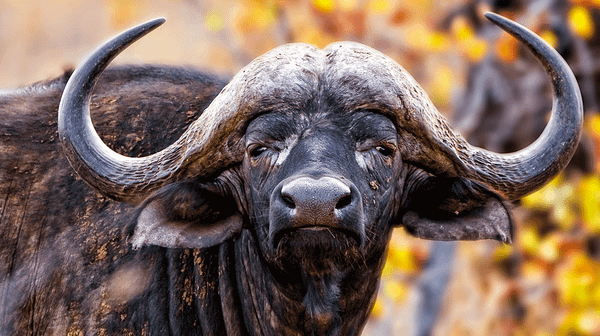
The animal column covers everything from insects and fish to reptiles, birds and mammals.
The South African Hunters and Game Conservation Association (SA Hunters) is challenging amendments to the Act that introduced a new definition, "animal well-being", into South African law.
They contend that the definition is so vague and subjective that it creates legal uncertainty and threatens the practical management of wildlife.
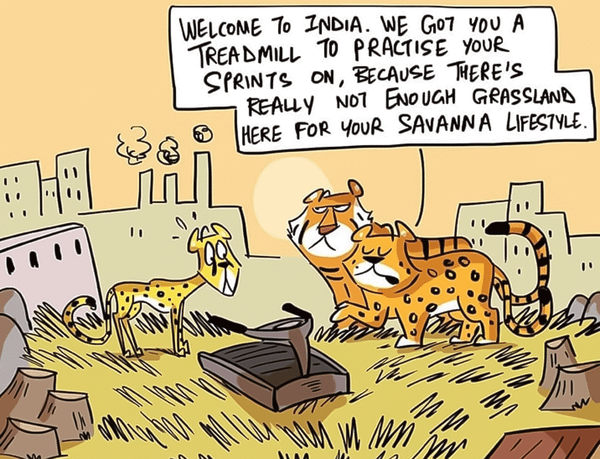
Beneath the legal arguments lies a more ominous question about the direction conservation is heading towards. What's next? Plants as sentient creatures?
Animal welfare versus animal rights
Animal welfare (where humans use animals for food, research, and other legitimate purposes in a humane manner, without unnecessary suffering) is supported by most rational people.
Animal rights is a different kettle of fish. This doctrine holds that animals should have the same rights as humans and should not be used by people at all.

No hunting, fishing, farming, or research should be allowed, no matter how humanely these activities are carried out. The more radicalized activists believe in no pet ownership.
This is a critical issue because South Africa’s successful conservation policies have worked within the welfare framework.
Wildlife can be used in a regulated and humane way.
This new “well-being” definition shifts policy away from a practical, sustainable-use approach to a rights-based protectionist one.
So how did the word get snuck in?
“Well-being” entered NEMBA through the National Environmental Management Laws Amendment Act of 2022.
The National Council of SPCAs (NSPCA) proudly declares that it was instrumental in securing the inclusion, working with the Department of Forestry, Fisheries and the Environment (DFFE).
The definition reads: “well-being is the holistic circumstances and conditions of an animal that are conducive to its physical, physiological and mental health and quality of life, including the ability to cope with its environment.”
Wait, what? How the hell do you measure this?
A veterinarian can assess body condition, disease, reproductive success, injury, and nutrition. These are objective indicators.
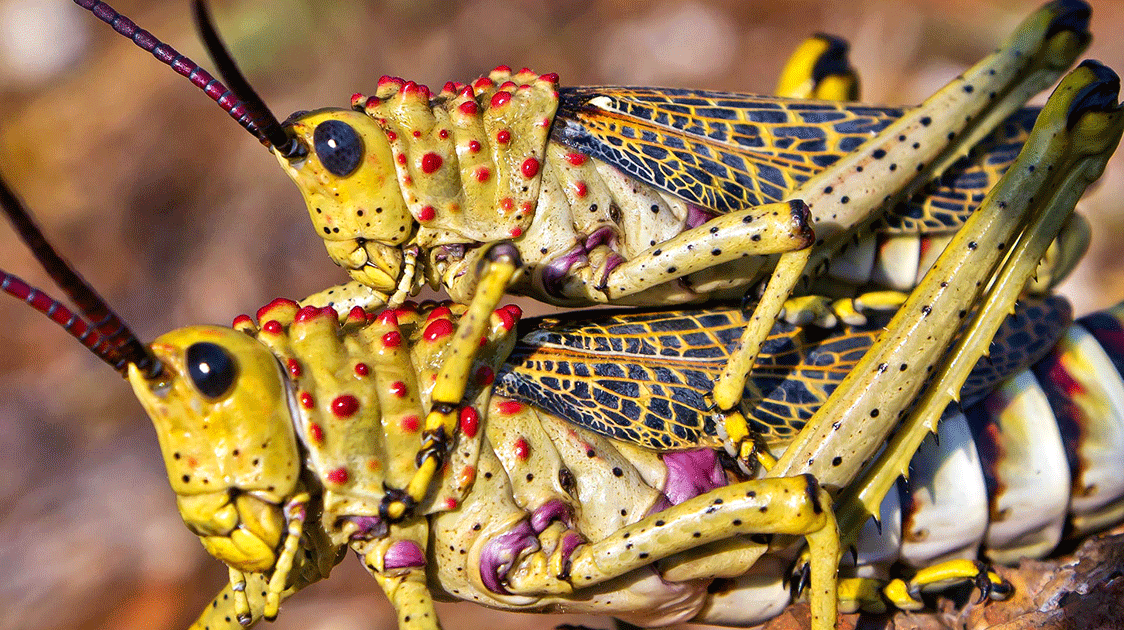
But how do you figure out the mental health of a crocodile or a locust?
SA Hunters logically points out that no workable standard exists, and that without an objective way to measure compliance, almost any activity involving wildlife becomes open to challenge.
Conservation requires intervention
We don't live in Eden, and wildlife does not manage itself.
In conservation practices:
- Animals are captured and relocated.
- Populations are controlled, and dangerous animals are removed.
- Radio collars are fitted on animals to track movement.
- Fisheries harvest marine stocks, and communities gather natural products for food.
- Locust swarms are sprayed to prevent crop damage.
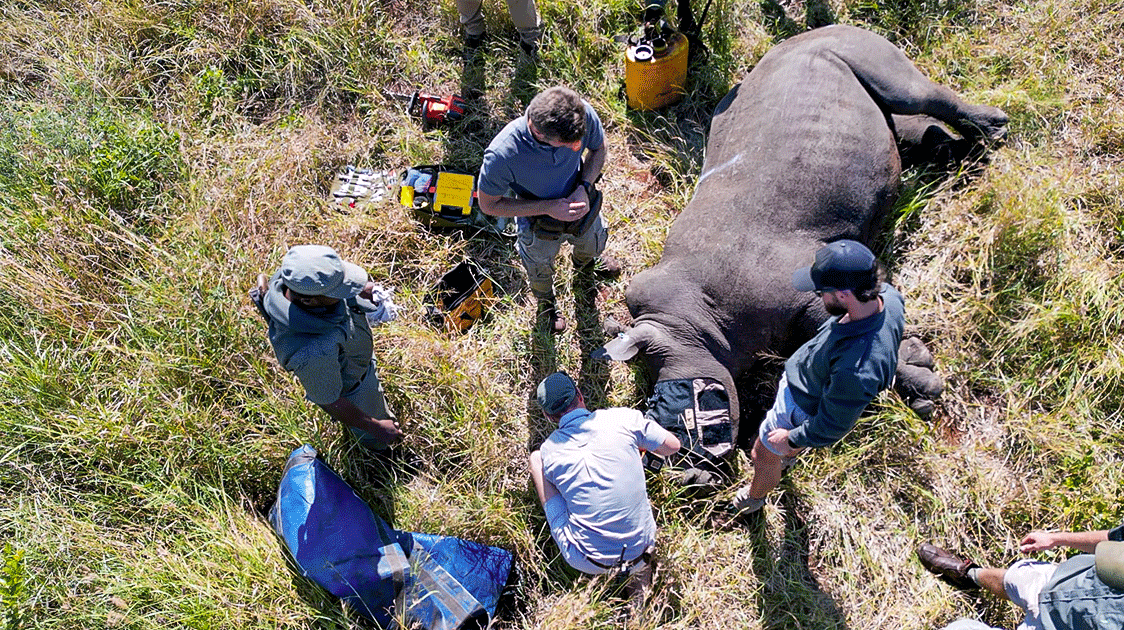
SA Hunters argues that the new definition could expose many of these activities to legal challenge, since opponents could claim that any one of them harms an animal’s mental state or quality of life.
The likely result is regulatory paralysis, with officials hesitating to approve necessary management because the law provides no clear standard by which to judge.
Two words, two departments
There is also a jurisdictional muddle.
The Department of Agriculture already holds the statutory mandate for animal welfare under the Animals Protection Act of 1962.
NEMBA now hands the DFFE a separate duty for animal well-being, with no clear line between the two.
Supporters of the new definition argue that well-being is distinct from welfare, but when pressed to explain the difference, they resort to welfare-related language.
The result is two departments with overlapping and competing mandates, a recipe for delays and arbitrary decisions rather than better protection for animals.
The money and the habitat
SA Hunters quantifies what’s at stake.
South Africa has 250,000 local, licensed hunters who harvest free-range protein.
These hunters, together with international hunters, contribute about R44 billion annually to the economy.
The wider wildlife and biodiversity sector employs more than 418,000 people across ecotourism, game ranching, hunting and conservation.
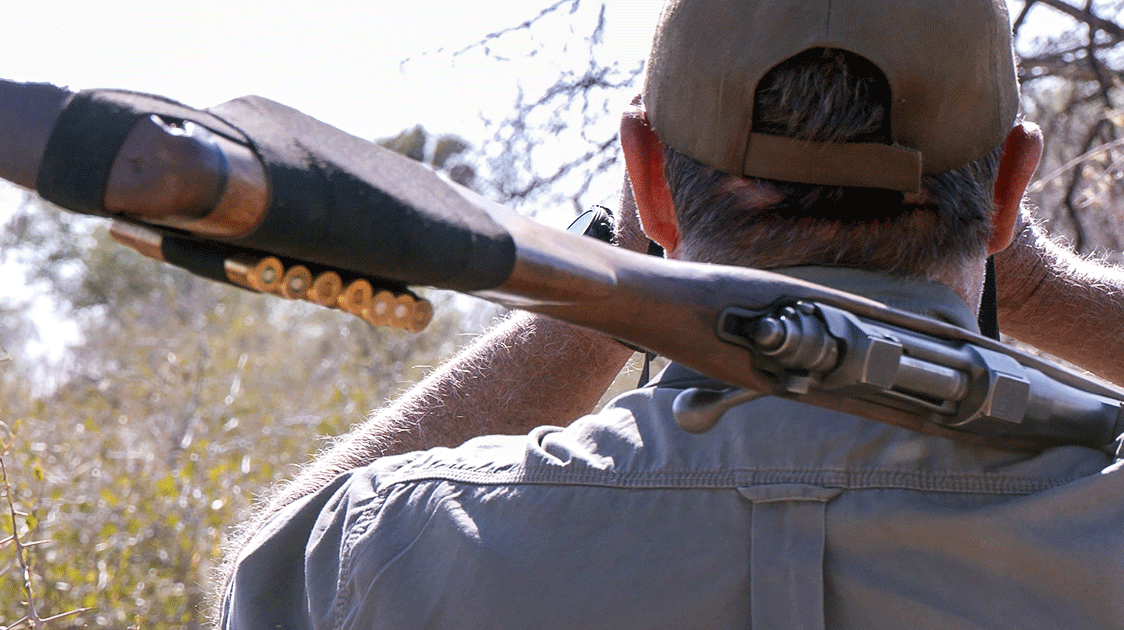
The fisheries sector has an annual turnover of around R6 billion and employs over 27,000 people directly.
Regulated hunting helps fund private reserves and game ranches, which in turn support landscapes, anti-poaching efforts, and biodiversity.
If game management becomes too legally risky, the landowner will quit and turn to the cheaper option of domestic livestock, which generally results in habitat degradation.
Where to from here?
SA Hunters want the word “well-being” struck from NEMBA or the relevant provisions suspended for two years so the public can be consulted.
The organization argues the provisions were inserted without the public participation the Constitution requires.
What is encouraging is that, in court, both Parliament and the Department of Forestry, Fisheries and the Environment (DFFE) supported the call for a 24-month suspension to facilitate public participation.
Judgment is pending.
If the clause is struck, cruelty law remains, but the bridge between welfare and conservation law is removed.
If it stands, decision-makers must weigh the individual animal alongside the population.
Whichever way it goes, SA Hunters' position is valid: a contested concept with no workable standard was written into conservation law through a process the government now declines to defend, and which Parliament admits fell short.
The fix is not rocket science.
Consult the people the law affects, draw a clear line between welfare and well-being mandates, and write a standard that both an official and a layman can understand and adhere to.
The Court has been asked to send it back for exactly that.
Bravo, SA Hunters and Game Conservation Association!
Zimbabwean native Zig Mackintosh has been involved in wildlife conservation and filmmaking for 40 years. Over the years, he has traveled to more than 30 countries, documenting various aspects of wildlife conservation. The sustainable use of natural resources as an essential conservation tool is a fundamental theme in the film productions associated with him.