A Declaration Signed by People Who Will Never Live with Wildlife
By Hank's Voice
Key Takeaways
- CBTH has failed for seven years to get a UK import ban through Parliament, so it has taken its Abolition Declaration global, launching at the UN on 1 July 2026.
- The campaign is misnamed. The UK cannot ban hunting abroad, hosts trophy hunters itself, and the real target was always imports.
- The evidence is faulty. Blue whale recovery came from ending industrial whaling, not trophy bans, and Kenya, Costa Rica, and India are poor models.
- Wealthy celebrity signatories are dictating resource use to rural communities earning USD 30 to 200 a month, who lose anti-poaching funding, conflict mitigation, and jobs.
- Hunting requires habitat and healthy populations to be sustained for decades. Anti-hunting requires wildlife to look perpetually doomed.
Although the Campaign to Ban Trophy Hunting (CBTH) was officially launched in 2018, in 2019, a dysfunctional relationship began among some manipulated members of the UK Parliament, various clueless but attention-seeking celebrities, charlatans posing as conservation charities, and so-called scientists who stubbornly cling to debunked and flawed papers.
All “fearlessly” led by Eduardo Goncalves, a talking head who enjoys reading hunting books and profiting from re-hashing their contents, all in the name of his dubious “charity” - the Campaign to Ban Trophy Hunting.
Odd, misleading name, as the UK cannot ban trophy hunting in other countries, hosts many trophy hunters within its own borders each year, and originally focused on banning the import of hunting trophies rather than the act of hunting itself.
For seven years now, this effort has failed passage by the UK Parliament, despite the theatrics presented by the CBTH clowns.
Eduardo and his goons foolishly view themselves as undisputed heroes, whose manufactured drama will save the animals.
Those in the know, however, with plenty of boots-on-the-ground experience, direct investments in conservation, and knowledge of relevant history, quite rightly assert that banning any conservation tool that legitimately contributes to nature’s maintenance will only result in tragedy.
Effective conservation is not a spectator sport, scripted according to what people not involved like or don’t like. It is accomplished only by what works in which areas.
Since 2019, the UK Parliament has wasted time and energy on the follies of the CBTH. Truly shameful, as the UK is officially recognized as one of the most nature-depleted countries on the planet, with more than 1 in 7 species facing extinction, and more than half in decline.
The country also faces serious environmental problems such as water pollution, raw sewage discharges, agricultural runoff, and water scarcity.
Throw in a variety of economic and sociological issues creating challenges too, and it’s unbelievable that the legal hunting of any animal, anywhere, would be a top concern for any British citizen.
But continuing to be dismissed in his own country and refuted by many who refuse to swallow his swill, Eduardo Goncalves brashly took his frustrating, impotent seven-year itch crusade to the United Nations, or so he claims.
On 1 July 2026, he announced that his Abolition Declaration would get trophy hunting banned globally.
Full stop!
The social media video announcing this is comically reminiscent of an Austin Powers Dr. Evil skit.
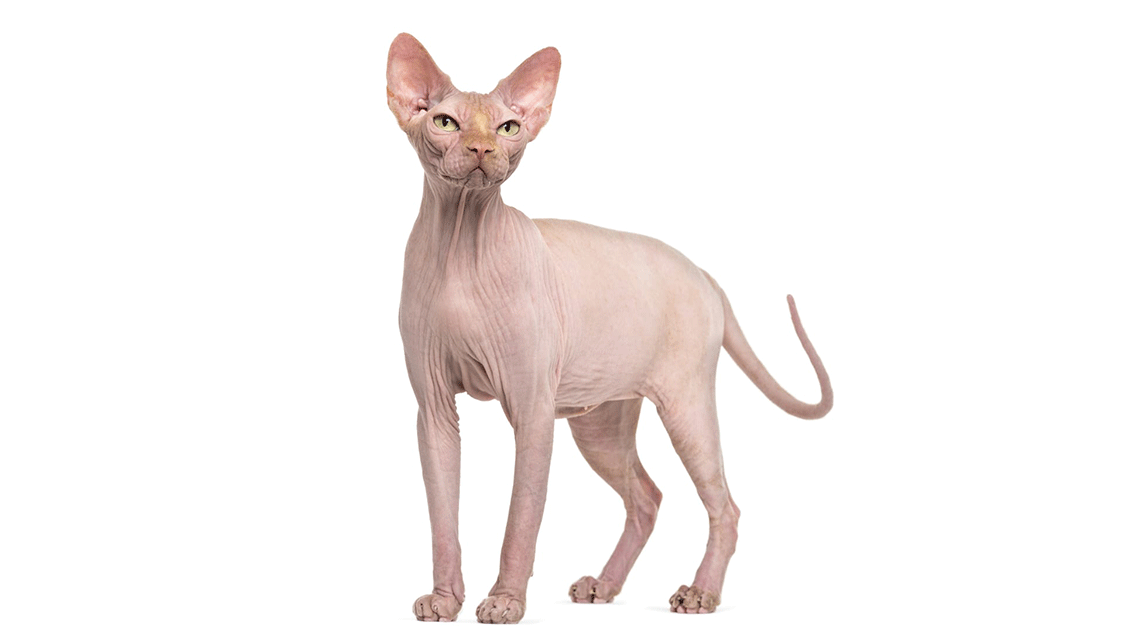
The only thing missing is a hairless cat for him to stroke whilst he announces his plans to take over the world. Maybe his emotional support, Hollyweird friend Joanna Lumley, could fill that role?
His delusion is real. Given that he hasn't gotten his way in the UK thus far, why does he think taking it global would work better?
Maybe because he feels he can tell the rest of the world what they can and can’t do? Maybe because he’s completely ignorant of and disrespectful to the way the UN operates, and what other global institutions primarily deal with such topics instead?
Or maybe he’s just seeking attention; he and his cronies aren’t garnering attention at home.
In his speech, he unveils the new Wildlife and Conservation Foundation, which has a cheesy tiger logo that looks like a high school mascot.
And it is quite misleading, because his campaign will not accomplish conservation.
But it could have significant impacts on the preservation of myths and misinformation, and on how both increase his bank balance.
He claims that 500 founders from all corners of the planet proudly support this historic declaration. Undoubtedly, no one will run out of ink if they try to highlight anyone on the list whose opinions deserve respect.
And of course, Jane Goodall is invoked from the grave as a driver of this initiative. She’s a popular puppet for this staged show of lying about trophy hunting.
Eduardo implores that the question everyone needs to be asking, the one that Jane would ask, is how on earth have we allowed this to go on for so long?
Answer – because it can and does contribute to conservation, it buffers national parks, it has enabled photo tourism to get started, etc., and, to be perfectly blunt, approval and permission from anti-hunters have never been, and should never be, required.
There are plenty of conservation projects that need commitment and support that don’t directly involve hunting.
If critics were really concerned about wildlife, they would focus on these areas rather than continue wasting time trying to eliminate safari hunting.
And, more importantly in critics’ eyes, the only animal they truly want to keep alive is their cash cow. Just like most parasites, they honestly don’t want to kill their host.
They just want to drain it to support themselves.
Eduardo asserts that it was only in 2015 when many people suddenly realized that lions were still being hunted.
Are these the types of people most qualified to dictate how Africa uses its wildlife?
Or anywhere for that matter?
Some people have been professional hunters, outfitters, game wardens, rangers, scientists, etc., who have shed 25 –60 years or more of blood, sweat, and tears whilst grappling with the realities and challenges of working in Africa.
And yet their perspectives should be dismissed in favor of someone who has only learned in the past few years from social media that lion hunting occurs?
But then again, the CBTH still conflates captive-bred lion hunting with that of wild lions. All whilst maintaining their own big cat, fenced, money-making collection.
The supermodels, musicians, comedians, has-beens, wannabes, heavily biased scientists, and others who have signed this declaration are in denial if they think banning trophy hunting will stop wildlife from getting killed.
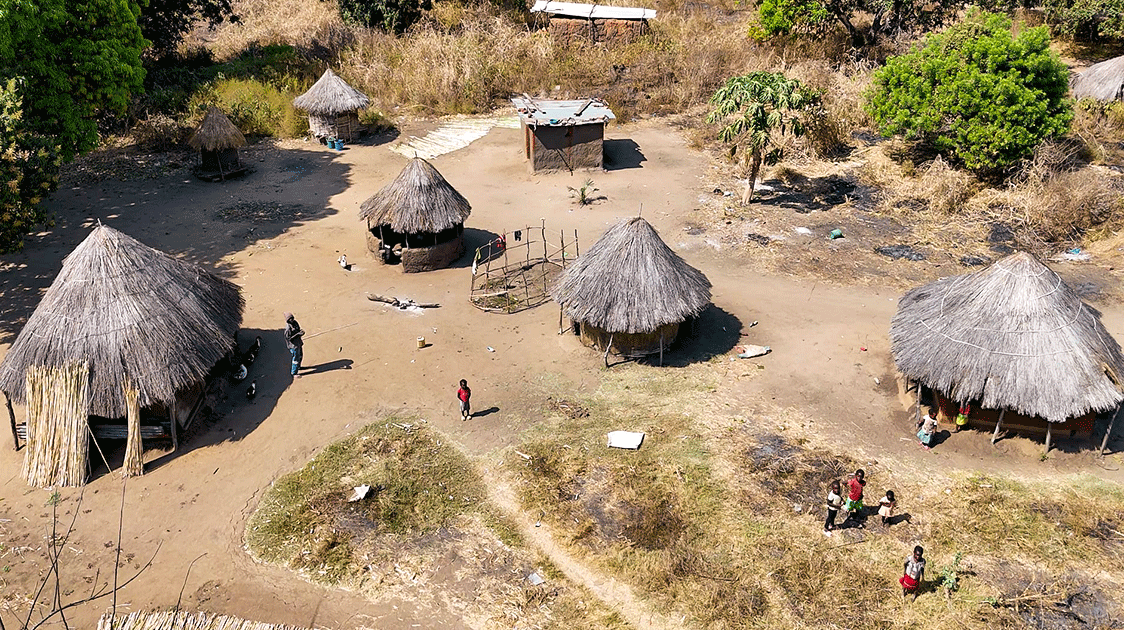
As wildlands become more fragmented and human populations, with their associated agricultural and livestock needs, increase, so will conflict.
But then, with no hunters to help legally mitigate in any way, or to fund community protection and anti-poaching efforts, CBTH’s begging for donations to help save the animals will become even more lucrative.
But antis often conflate to illustrate that either they don’t actually know what’s going on or they just prefer to manipulate their naïve audiences via conflation.
For instance, Eduardo claims blue whale populations recovered once trophy hunting of them stopped. Wrong. It was commercial, non-selective killing on an industrial scale.
He praises countries that have banned trophy hunting as great successes because of increases in some animal populations, all whilst ignoring that many more countries permit trophy hunting and support even larger populations because habitats have been protected as well.
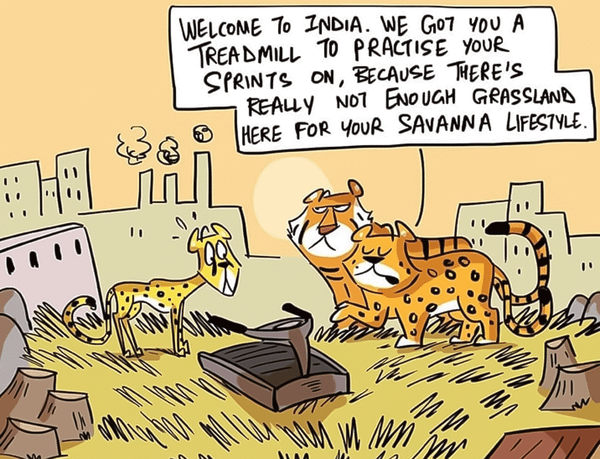
He purports that Kenya, Costa Rica, and India are exemplary.
Kenya didn’t ban hunting in the 1970s for ecological reasons or public opposition. It was a political move that allowed those in power to profit from easy poaching.
Costa Rica never really had extensive trophy hunting. It had poorly regulated commercial and subsistence hunting instead.
All three of his star countries may have gotten rid of evil trophy hunters, but a simple internet search readily illustrates that wildlife continues to get killed in all of them via poaching, conflicts, and subsistence hunting.
And in the case of India, animal rights advocacy for maintaining feral dogs results in much cruelty to wildlife and serious endangerment of vulnerable groups such as ground-nesting birds.
Eduardo’s rallying cry is that if “we’re serious about conservation, we must invest in it and in the local communities,” which implies that groups like his aren’t.
That’s one of the rare truisms he’s ever stated.
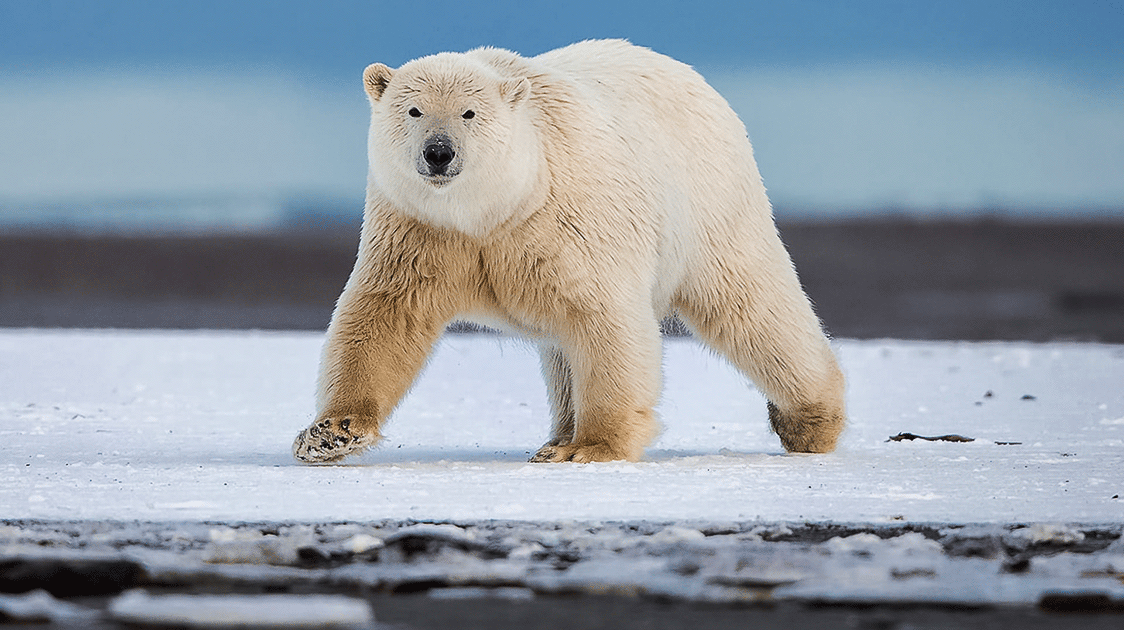
Yet he wants to abolish polar bear hunting in Canada. A hunt where indigenous people have chosen to wisely utilize their polar bear quotas by generating income from trophy hunters, many of whom aren’t even allowed to take any parts of the bears back to their home countries.
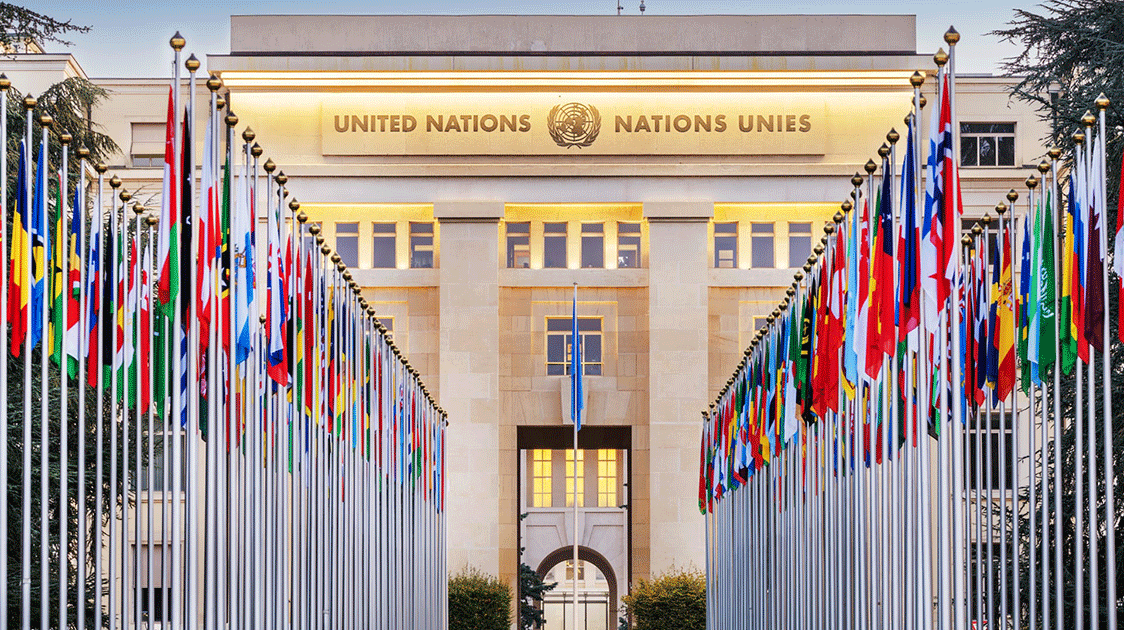
If the UN even responds to the presentation of the CBTH’S Abolition Declaration, it could be quite interesting.
On 15 January 2026, UN Secretary General Antonio Guterres delivered a speech on the year’s priorities.
In it, he mentioned that “the top richest people, the ultra-wealthiest, are calling the shots like never before, wielding outsized influence over economies, information, and even the rules that govern us all.
When a handful of individuals can bend global narratives, sway elections, or dictate the terms of public debate, we are not just facing inequality; we are facing the corruption of institutions and our shared values.”
Places, everyone!
Which signatories of the CBTH’S ABOLITION DECLARATION fit this definition?
Ricky Gervais has a net worth of around USD 170 million. Ed Sheeran earns between USD 60 million and 210 million per year.
Alec Baldwin's net worth is USD 70 million, and he earned USD 3 million per season hosting game shows during his peak television career.
Rod Stewart has an estimated net worth of USD 300 million. Joanna Lumley earns roughly USD 13,000 per week, with an annual income of around USD 650,000.
A relative “pauper” amongst these thieves was Jane Goodall, whose paltry net worth at the time of her death was estimated at around USD 5 million.
Is this the demographic that should be dictating the use of renewable natural resources, potentially affecting many people in rural sub-Saharan Africa whose monthly wages typically range from USD 30 to USD 200?
Most mega celebrities maintain 5 to 10+ luxurious properties over 10,000 square feet across multiple states and countries.
They don’t have to worry about potentially dangerous wildlife wrecking their lives and livelihoods, their children receiving education, health care, retirement, insurance, etc.
For them, wildlife is entertainment – a pleasure to divert their attention whilst on holiday.
Yet they advocate devaluing rural people’s lives by making them donor-dependent rather than gainfully employed.
The UK’s Institute of Economic Affairs produced a relevant video that apparently Eduardo and his cronies either haven’t watched or have dismissed.
There are many other things easily scrutinized and refuted in Eduardo’s claims. Depleting gene pools, threatening species with extinction, and overwhelming public support, to name a few.
No to all of those.
Whether all people “like” something or not doesn’t determine its value or utility.
As usual, incendiary buzzwords are employed - tobacco industry, fossil fuel industry, apartheid, slavery.
Grasping for straws in an attempt to confuse people when honestly the only true thing that antis like the CBTH and its newly associated Wildlife and Conservation Foundation could say is – we are generating hatred via any and all methods to garner attention to ourselves and to profit from it.
Because what is the end game of anti-hunters?
Whether you like hunting or not, to continue hunting, habitat and game populations must be maintained.
If it’s trophy hunting, these requirements must be maintained over the long haul, as operators must continue producing age-based specimens.
What does anti-hunting require? Perpetuating the rescue mentality by either gaslighting people into thinking everything is imperiled or actually making sure it is.
Remove hunting as a conservation tool, and voila! Their self-fulfilling prophecies will be realized.
Nature deserves a better future than the one that a global hunting ban would doom it to. Hopefully, those who do care about wildlife hate being lied to by the antis far worse than they may dislike hunting.
How might the CBTH more responsibly scratch its seven-year itch? Similar to how counselors recommend for anyone in any situation who feels stagnant and ineffective.
Return home and get their own house in order instead of creating more problems elsewhere that won’t solve anything effectively.