The Controversy of Introducing African Cheetahs to India

By Dr. Daniel Stiles
Key Takeaways
- India’s effort to reintroduce African cheetahs has revived a species declared extinct in the country more than 70 years ago.
- The project has made Kuno National Park the center of a major conservation experiment, and a major controversy.
- Critics question whether Kuno has enough suitable habitat, prey and connected landscape to sustain a genetically viable wild cheetah population.
- The program has also drawn criticism for prioritizing imported cheetahs over the long-delayed relocation of endangered Asiatic lions from Gujarat.
- Supporters argue that the cheetahs are breeding, may strengthen grassland conservation and could have a better survival outlook in India than in conflict-prone parts of southern Africa.
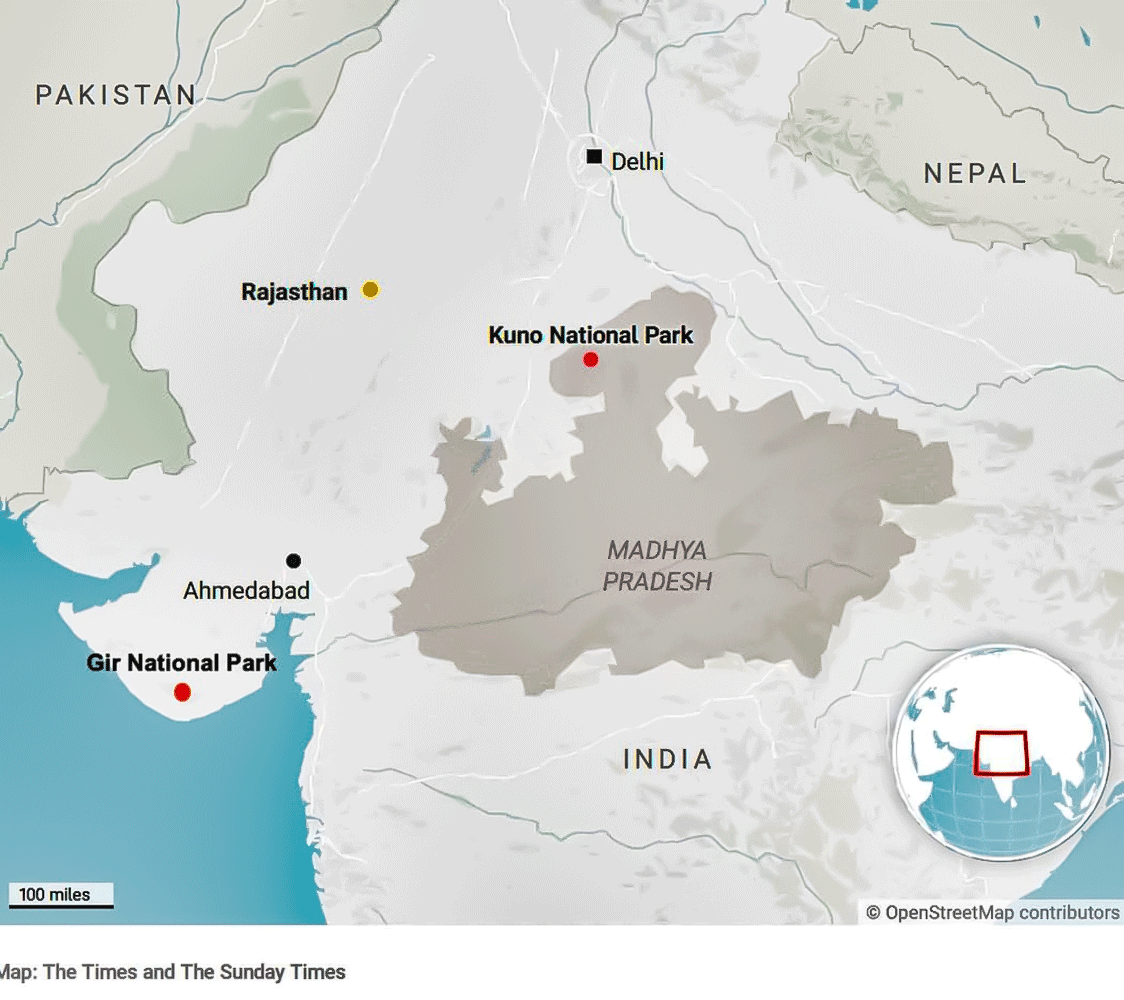
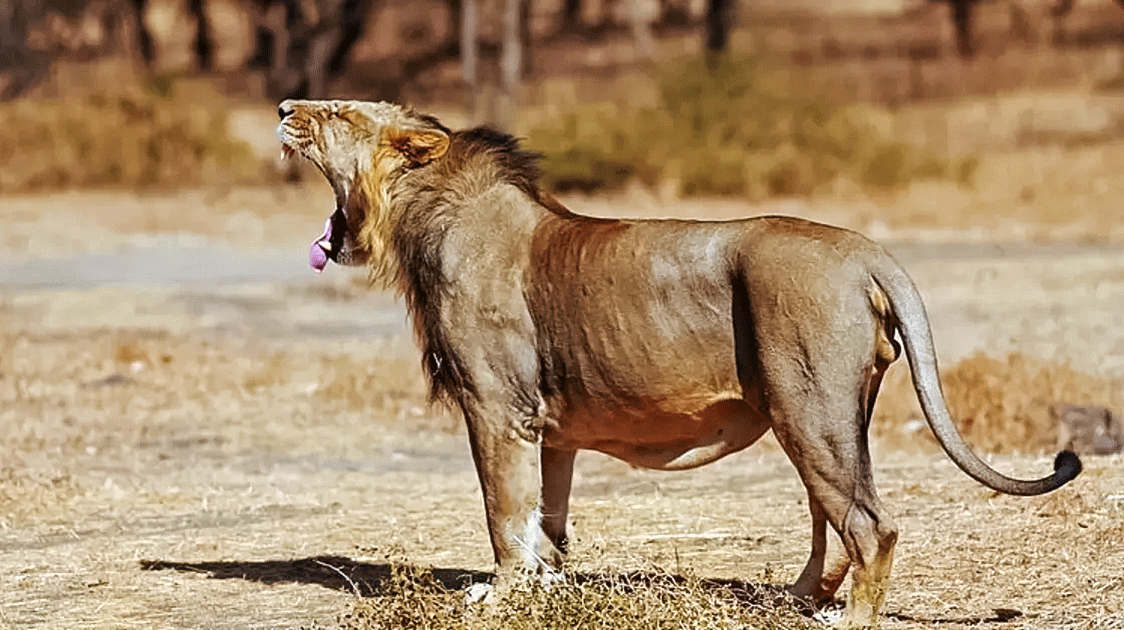
In an order dated April 15, 2013, the Supreme Court of India ordered the translocation of Asiatic lions from Gir forest in Gujarat to Kuno National Park (KNP) in Madhya Pradesh.
The Supreme Court stated in relation to the issue of translocating lions: “We may indicate that our top priority is to protect Asiatic lions, an endangered species, and to provide a second home. MoEF [Ministry of Environment and Forest] is therefore directed to take urgent steps for re-introduction of Asiatic lion from Gir forests to Kuno.
The order be carried out in its letter and spirit and within a period of 6 months from today.”
While the case was pending in court, MoEF decided in 2010 to re-introduce the cheetah in India.
The Gujarat government, then led by Chief Minister Narendra Modi, argued that lions should not be introduced in Kuno, as MoEF’s priority was to bring cheetahs to the sanctuary. Modi is currently India’s Prime Minister.
Nevertheless, the court put the cheetah project's implementation on hold in May 2012.
More than 13 years later, there has been no noticeable movement in the Asiatic lion case, while rapid progress has been made on African cheetahs, despite the court’s order. The difference in the fortune of these two conservation projects is quite remarkable.
Instead of threatened Gir lions going to KNP, African cheetahs are being introduced. Why was the Supreme Court order ignored?
More importantly, why are cheetahs being translocated from Africa, and is it appropriate from conservation, ecological, and animal welfare perspectives? Patrol will try to unpack all of the issues involved.
Background
Cheetahs were declared extinct in India over 70 years ago because of habitat loss, prey reduction, and “rampant Raj-era poaching for luxury fashion”.
The word cheetah itself comes from Sanskrit citra, meaning spotted. Royals kept them as pets, and Mughal emperor Akbar is believed to have collected about 9,000. In the 12th century, they became a popular animal to hunt.
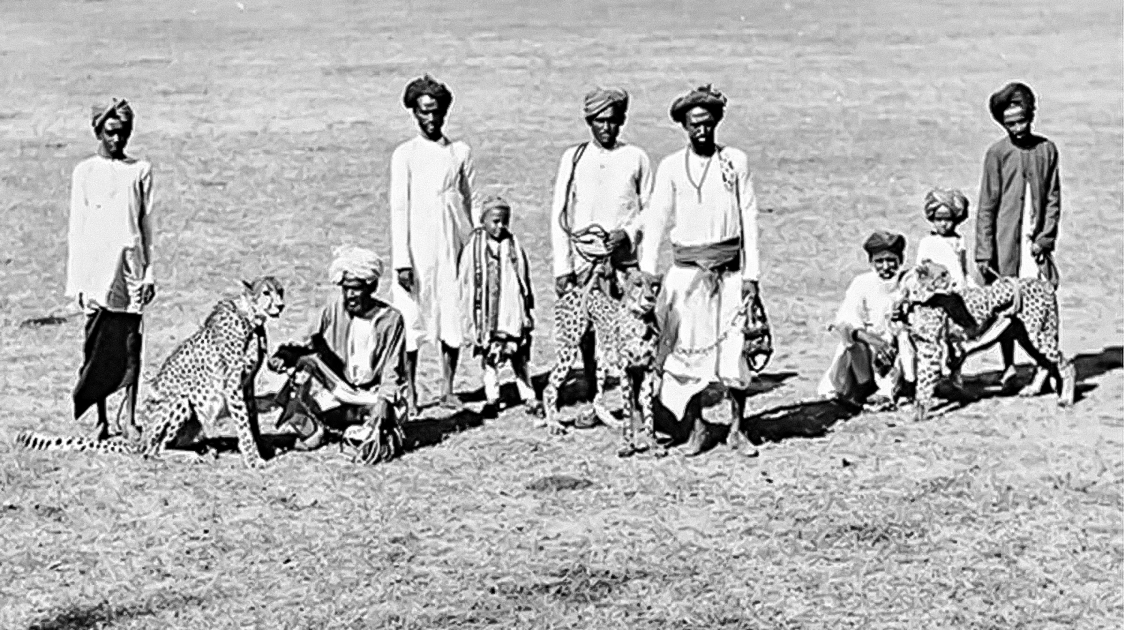
Legend has it that the last three cheetahs in India were shot dead by the Maharajah of the historical state of Koriya, on a nighttime drive in 1947. Sightings were reported intermittently after that, but the country declared the big cats extinct in 1952.
The only known extant free-ranging Asiatic cheetahs, Acinonyx jubatus venaticus, numbered 12 in Iran as of 2025.
The Cheetah Conservation Fund (CCF) and Dr Laurie Marker, CCF’s Founder and Executive Director, began consulting with the Indian government in 2009 about the introduction of African cheetahs to India.
Along with other members of the International Union for Conservation of Nature (IUCN) Cat Specialist Group, Veterinary Specialist Group and Reintroduction Specialist Group, Dr Marker travelled to India to attend a series of meetings on the utilisation of the southern African subspecies, Acinonyx jubatus jubatus, for introduction.
In 2011, Dr Marker returned to conduct site visits to determine habitat suitability, prey base, and the presence of natural predators. She delivered recommendations based on her findings to Indian wildlife authorities.
After a series of hearings spanning almost a decade to review the documentation, the Supreme Court of India agreed in 2020 to allow the cheetah pilot program to move forward.
“To save cheetahs from extinction, we need to create more permanent places for them on Earth. India has areas of grassland and open forest habitat, which are ideal for this species. The government has a progressive mindset. They view cheetah reintroduction as a way to encourage healthy biodiversity. They are looking at the big picture. We think they are setting a marvelous precedent with this reintroduction”, said Dr Marker.
It wasn’t until 17 September, 2022, to mark the 72nd birthday of India’s Prime Minister Narendra Modi, that eight African cheetahs were transported from Namibia to India, supervised in part by Laurie Marker.
Since then, two more translocation shipments have occurred: 12 from South Africa in February 2023, and nine more from Botswana in February 2026.
All 38 started in a fenced compound, called a “Soft Release Boma”, with artificial feeding and veterinary care while they were prepared for release into the wild in Kuno NP.
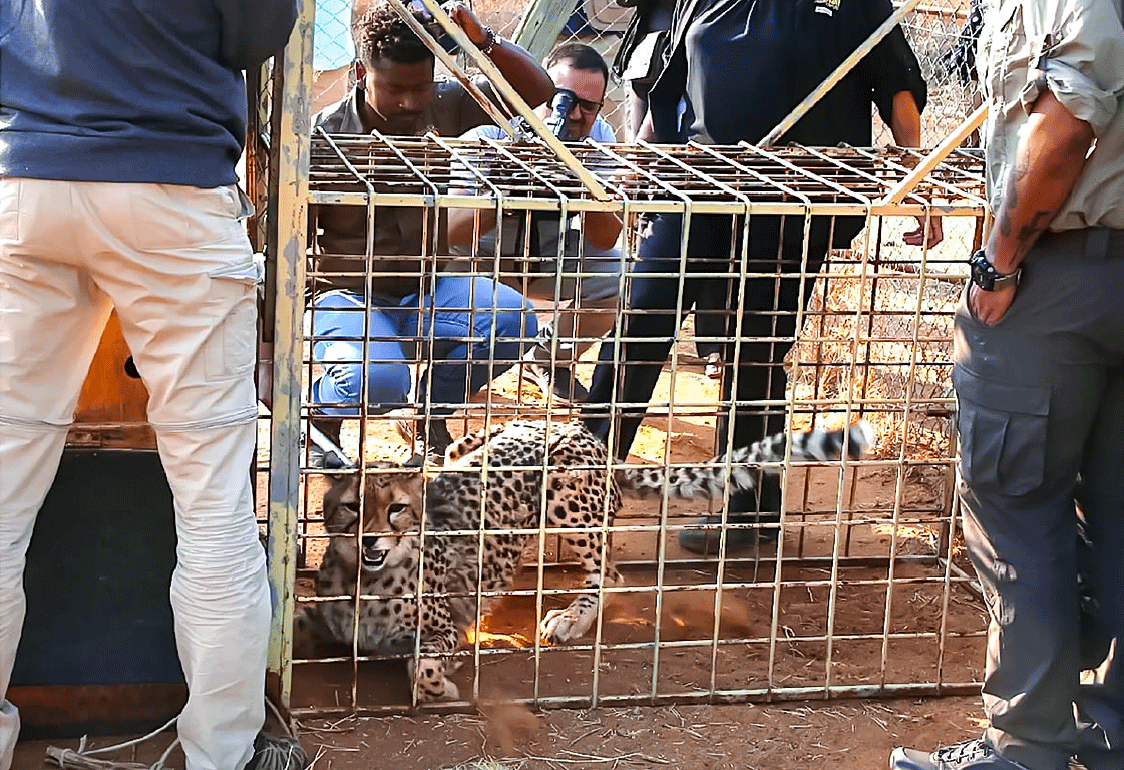
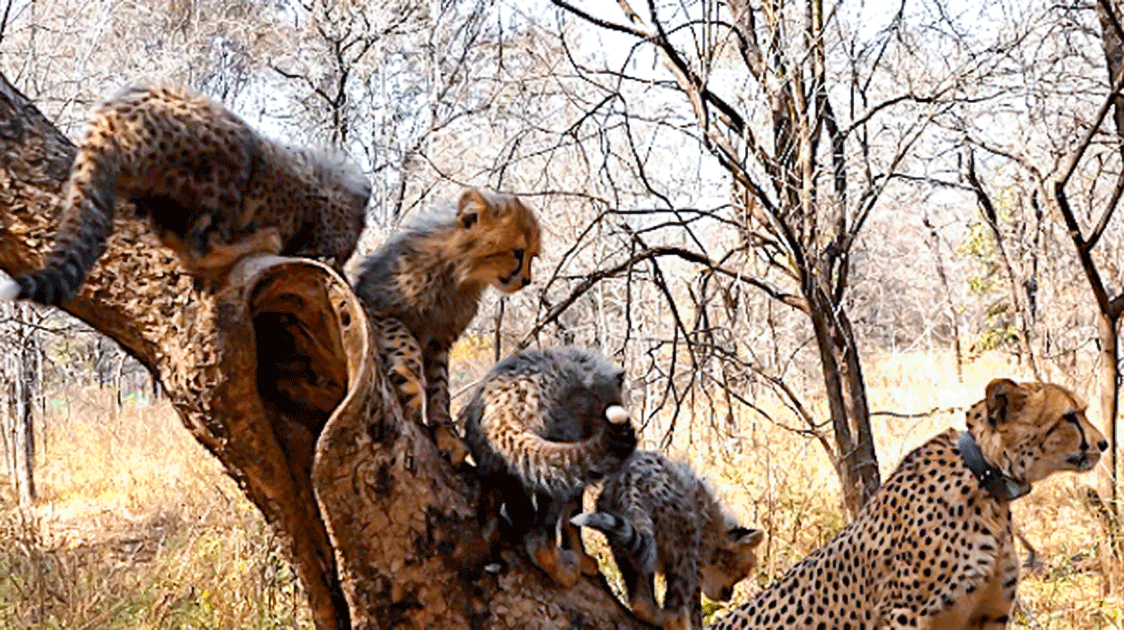
As of June 2026, 49 cubs had been born in KNP, with 33 surviving, a mortality rate of 33%.
“The cubs in Kuno have a high survival rate… and it’s getting better each litter,” said Laurie Marker. “As they’ve gotten more experienced, they’ve gotten much better at motherhood.
Cheetahs in captivity alone have a 30 percent infant mortality rate. In the wild, in the Serengeti, you can have up to a 90 percent infant mortality rate.”
Opposition to the introduction
Shortly after the first eight cheetahs arrived at KNP in September 2022, a group of Indian and international conservation biologists and ecologists published an opinion piece in a scientific journal describing the introduction of African cheetahs to India as “an ill-advised conservationist attempt”.
They argued that “the current action plan is ecologically unsound, costly and may serve as a distraction rather than help global cheetah and other science-based conservation efforts.”
The authors claimed that India's plan is based on three unsubstantiated claims:
- that cheetahs have run out of space in Africa,
- that India currently has sufficient and suitable space for them, and
- that conservation translocations have been successful in wild cheetah range restoration efforts. The action plan also speculates that this translocation will trigger conservation of grassland and open forest ecosystems in India.
The main criticisms were: “The derived carrying capacity of about 3 cheetahs per 100 km2 for Kuno was based on an out-of-date density estimate from Namibia, where the study area size (around 365 km2) was far lower than the home range size (1,650 km2), which can cause overestimates in density owing to apparent transience.
Range quality is also important, requiring open or semi-open habitat with sufficient, suitable wild prey, free from anthropogenic pressure and free-ranging dogs.
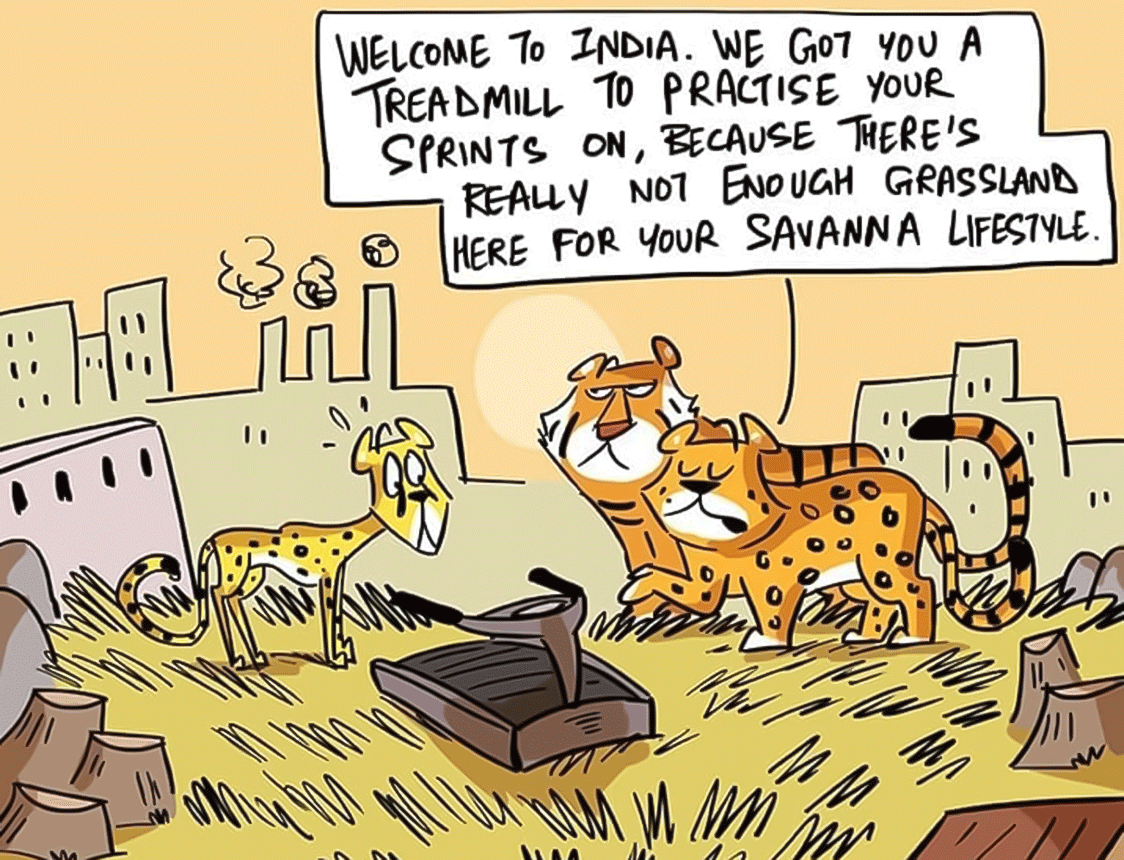
Therefore, we anticipate that neither Kuno National Park, which is only 748 km2 in area, unfenced, harboring about 500 feral cattle and surrounded by a forested landscape with 169 human settlements, nor the other landscapes considered are of the size and quality to permit self-sustaining and genetically viable cheetah populations.”
The authors were particularly concerned about the prospects for human-cheetah conflict, as the cheetahs were envisioned to move freely in India, where average human population densities are 150 times higher than in Namibia.
The authors recommended that “India redirect its initial, massive 'Project Cheetah' investment of £48 million (~USD 64 million) towards global cheetah conservation efforts involving extensive habitat protection, ensuring adequate wild prey, ensuring connectivity between populations and enhancing human-cheetah relations.
These should preferably be in other parts of Asia (for example, Iran) but could also be in Africa, where cheetahs – though under severe pressure – still remain extant in 3.1 million km2."
Other opponents have published several articles echoing these criticisms. Ravi Chellam, wildlife biologist and conservation scientist, has been one of the most vocal. Even before the introduction of any cheetahs, he questioned why they were being introduced to KNP in preference to the Gir lions.
“The introduction of cheetahs is not mentioned at all in the NWAP (India’s National Wildlife Action Plans) 2017-2031”, said Chellam.
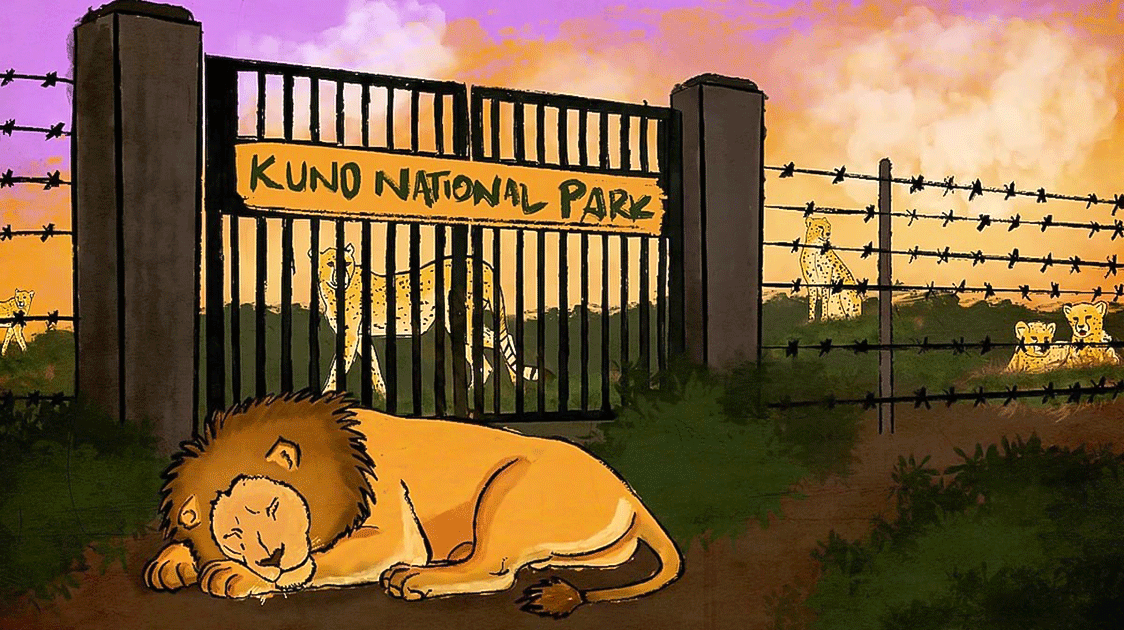
Chellam pointed out that in October 2018, the Supreme Court-appointed Central Empowered Committee advised against introducing African cheetahs, saying, among other things, that India does not have the required habitat and prey density to support cheetahs.
Reintroducing lions to establish additional free-ranging populations has been a national priority since the 1950s. Over the decades, it has been a part of India’s National Wildlife Action Plans (NWAP).
The current NWAP, covering 2017-2031, calls for establishing additional wild populations for species that currently exist as one or two isolated populations, and it specifically mentions the lion.
This was to start in 2018 and be completed by 2021.
No progress has been made here.
An article from 2013 may explain why no lions have been translocated to KNP, while African cheetahs have been.
The Gujarat government, with then Chief Minister Narendra Modi, argued for years that the Gir lions are the "pride of the state". In court, the lions were described as "family members who could not be parted with."
After Modi became Prime Minister, the Supreme Court finally decided in January 2020 to allow the introduction of African cheetahs to the Kuno-Palpur Wildlife Sanctuary (now KNP) on a trial basis to see whether they can adapt to living in India.
On World Lion Day 2025, Prime Minister Modi celebrated ‘Project Lion’ and the fact that Gujarat’s lions had increased to 891.
As shown above, it was Modi who officially launched ‘Project Cheetah’ in September 2022. It appears clear that Modi may have been behind the Supreme Court reversal and African cheetahs being introduced at the expense of India’s lions to Madyha Pradesh.
In 2025, an article appeared that agreed with the criticisms enumerated above, but added the issues of possible political, not conservation, agendas being involved, the fact that most cheetahs were not free-ranging yet, and that local communities had received unjust treatment from the government.
They projected that establishing a viable cheetah population could take 30–40 years, with an average of 12 cheetahs imported from southern Africa every year to support population growth and account for high mortality.
Regarding social justice concerns, the authors argued that the original 2010 report on the suitability of the Kuno landscape did not use proper methodology to assess the local community’s “economic well-being”, “sources of livelihood”, and “perceptions about wildlife”.
The authors did not ask respondents questions; instead, they calculated a well-being index based on visual assessments of interviewees’ age, sex, attire condition, the quality/quantity of ornaments/wristwatches, and transportation.
These subjective assessments were weighted to calculate an index determining which populations may accept compensation.
This disparity led to distributive injustice, where socio-economic impacts, the distribution of benefits, and the burdens of conservation efforts were markedly unequal.
Statements like, “The people residing in the forested areas outside KNP are poor and backward and a good compensation package…would be irresistible” suggest that they were deemed susceptible to one-off compensation.
This lack of community engagement can lead to disenfranchisement and exacerbate existing power imbalances.
Such language raises concerns about research ethics and motivations that may be tailored to support displacing local communities, leading to unjust outcomes such as the creation of “conservation refugees”.
Displacing communities from their land to create protected areas has been termed “fortress conservation”.
The article also discusses several animal welfare practices harmful to the cheetahs, including translocation, veterinary treatment after arrival, and living in the Soft Release Bomas (SRBs), i.e., captivity.
Cheetahs are quite susceptible to stress, and it is thought that many of the mortalities were related to this.
Questions have also been raised about transparency in implementing Project Cheetah.
Over the past few years, the Madhya Pradesh government has refused to provide certain information sought under the RTI Act regarding the project’s management.
Ravi Chellam argues that a significant gap exists between what the government has publicly stated about Project Cheetah, what the Cheetah Action Plan contains, and what has actually been implemented on the ground.
“The project has been characterized by a lack of transparency and accountability,” Chellam said, pointing to instances where information sought through RTI applications was denied on grounds of national security.
According to him, the project suffers from a more fundamental problem: it is not grounded in established science.
He argues that establishing a viable cheetah population requires thousands of square kilometers of connected habitat, a condition India currently does not meet.
“Even after almost four years of the arrival of the first batch, we are still keeping many cheetahs in captivity,” he said.
Another article published in The Caravan in 2025 titled “Wild Dreams: Modi's cheetah project is falling apart” leveled many criticisms of the cheetah introduction and reported the mauling of a child by a cheetah. Caravan responded to point-by-point.
Support for the introduction
In 2023, a group of Indian and international conservation biologists and ecologists, including Laurie Marker, published a rebuttal in the same scientific journal in which critics had described the introduction of African cheetahs to India as “an ill-advised conservationist attempt” presented above.
The proponents' main point was that population density depends on the prey base and human tolerance.
Using current data from Africa and applying it to India was not valid, as conditions in Africa in the past were different.
The authors noted that historical cheetah population densities in East Africa were likely higher before marked declines in their prey base, and that cheetahs were likely more abundant in more productive areas of their historical range that have since been taken over by livestock farming.
In a reserve in southern Botswana, with fences that are permeable to predators, a mean true density of 5.23 cheetahs per 100 km2 has been reported, indicating that higher densities are possible.
The general recommendations made by the critics regarding how India should redirect their efforts in global cheetah conservation were intriguing, but the proponents suggested that they are unlikely to be feasible in the current political climate.
Governments, particularly those of developing countries, tend to prioritize investment in their own jurisdictions over conservation projects in other countries.
In the proponents’ view, the data and arguments laid out above sufficiently support the experimental reintroduction of cheetahs into India, and they look forward to assessing the project's outcome over time.
Dr Eric Verreynne is the Botswanan wildlife veterinarian who supervised the capture, quarantine and translocation of nine cheetahs from Botswana on behalf of the Indian Government.
In an email exchange with Patrol in early April this year, he strongly defended the introduction of African cheetahs to India and made some important observations.
Regarding the question of ecology and prey availability, Dr Verreynne said, “The areas selected for release are very much like African savannah, with a variety of trees similar to Africa, with an abundance of prey species such as spotted deer and antelope such as blackbuck, chinkara and nilgai.
Kuno NP is the initial release Park with interconnectivity to another park, and 3 others for eventual release once the population is stable. The parks were selected for habitat, prey abundance, and low tiger and leopard density.”
As to reproduction and mortality, Verreynne’s observations were, “They had losses initially, which is to be expected as any introduction of a population follows the sigmoid curve.
Mortalities ranged from one that had underlying kidney failure, fungal infections under the satellite collars after exceptional rain, being hit by a car, and intra-species fighting. The cheetahs are breeding well, with 4-5 litters.
The initial 19 have increased to 44, with the first-generation litters now reaching 2 years old. Ten litters have been born in India so far. The 9 from Botswana bring the total to 53, and the population will be supplemented with new genetic material from Southern Africa annually.”
All of the Botswanan cheetahs were captured in one cattle farming area of Ghanzi.
Verreynne commented, “I have been assisting Cheetah Conservation Botswana with collaring projects in the area, and none of our collared individuals survive 2 years post-collaring.”
The most significant observation was, “I am convinced, after seeing the conflict and number of cheetahs we lose in the farming areas, that the cheetahs I took to India have a much better chance of survival than those staying behind.”
If this high mortality from HWC applies across southern Africa, the trade-off of losing cheetahs in Africa to gaining them in India would seem a conservation benefit.
More would be lost to human-wildlife conflict if they remain in Africa.
In addition, cheetahs are having an unforeseen ecological benefit in India.
Vultures and hyenas are returning to KNP after the reintroduction of cheetahs.
Tigers and leopards, as apex predators, either consume most of their prey and/or hide it in thickets or trees where it is difficult for vultures and hyenas to reach.
Cheetahs, hunting more in open plains, leave much more of the prey carcass for scavengers to feed on.
Yadvendradev V. Jhala, Senior Scientist at the Indian National Science Academy and a leading member of the team that spearheaded Project Cheetah in India, also says the project is on the right track but faces a few challenges.
“Project Cheetah is on the right track. We brought in a total of 29 cheetahs from Namibia, South Africa and Botswana, and today we have 53, which is a positive development. The only problem I see is that only 17 animals are outside the enclosures. The rest are in enclosed areas.”
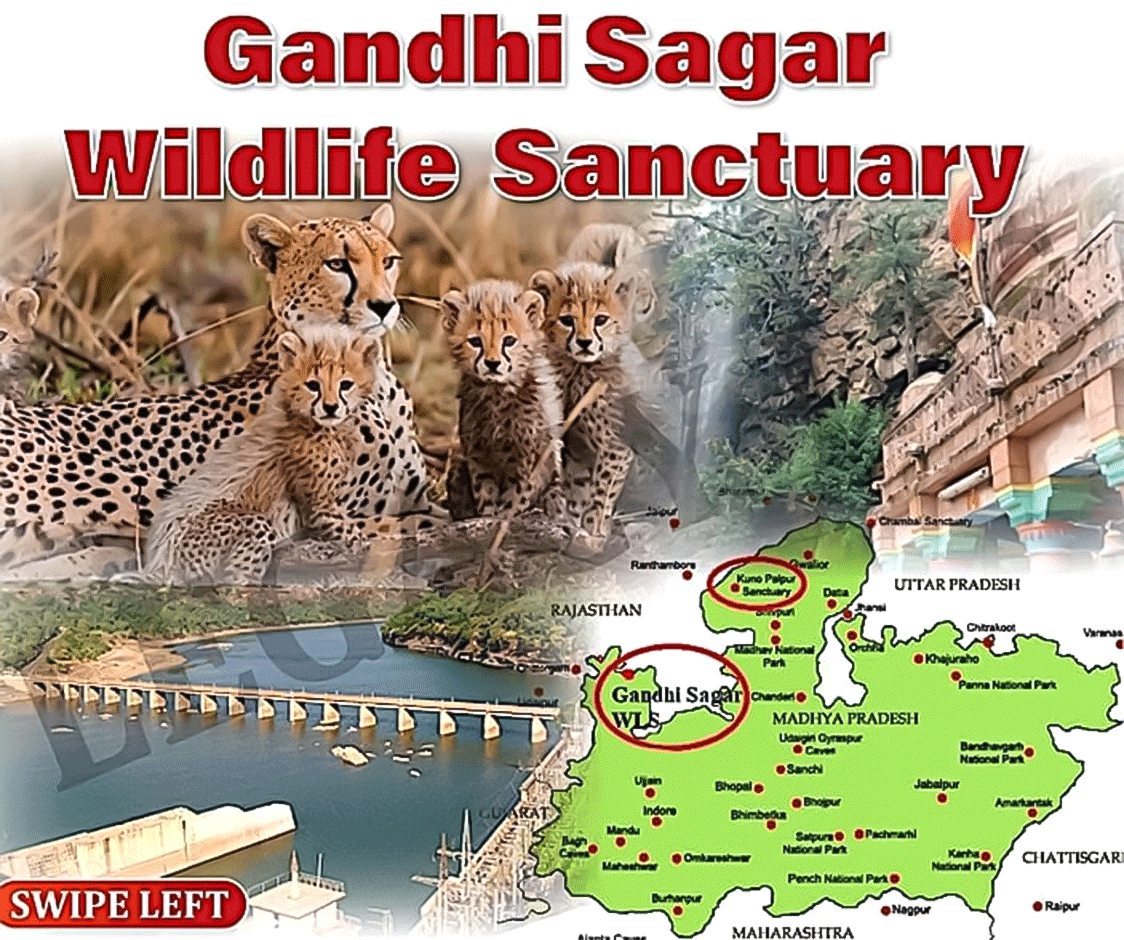
As of last count, there are 51 cheetahs in KNP and five more ranging in the 368 km2 Gandhi Sagar Sanctuary, another planned release area for cheetahs, totaling 58.
Conclusions
The future status of cheetah populations in India will ultimately show whether Project Cheetah has achieved its objectives.
Unfortunately, there is no centralized source of data reporting on the current number of adult and infant cheetahs, births and mortalities, their location, and how many are free-ranging or in SRBs; thus, accurate monitoring and assessment by independent observers is not possible.
As things stand, the situation of Asiatic lions is also precarious. With the entire population confined to one area of Gujarat, a natural disaster of some kind could wipe them out.
Prime Minister Narendra Modi should reconsider his opposition to the translocation of some to outside of his home state.
Dr. Stiles started in anthropology and archaeology, researching past and present natural resource use among hunter-gatherers and pastoralists, and later moved to the UN system, working on desertification control. In 1999, he began investigating wildlife trade, producing reports and publications for UN agencies, the IUCN, TRAFFIC, and various NGOs.