When Wildlife Became Worth Protecting
By Prof. Brian Child
Key Takeaways
- "Use it or lose it": African conservationists argued wildlife could survive only if communities living with it also benefited from using it.
- Centralization backfired: Kenya banned hunting in 1977 and lost two-thirds of its wildlife — the opposite of what was intended.
- Pragmatic civil servants drove change: Zimbabwe's science-driven administrators championed devolved wildlife ownership.
- The 1975 Parks and Wildlife Act was pathbreaking: It gave landholders full rights to use and profit from wildlife on their land, with minimal state interference.
- Collective self-regulation worked: Grassroots landholder communities managed wildlife's shared challenges through democratic self-governance — echoing Ostrom's principles before they were formalized.
Gamekeepers of Africa
Beginning in the 1960s, pragmatic, field-based wildlife conservationists in southern and East Africa adopted the phrase 'use it or lose it'.
They saw that wildlife could survive long-term only if the African people who lived with it also prospered by using it (IUCN, 1963; Parker, 2004).
In the late 1950s, experimental game-cropping schemes of hippo, elephant, and other species were tested in countries ranging from Uganda to Zambia (IUCN, 1963).
In East Africa and Zambia, charismatic game wardens like Ian Parker (Kenyan Game Department) and Norman Carr (southern Luangwa Valley in Zambia) were convinced that African communities must be involved in wildlife management and revenue sharing (Parker, 2004).
The winds of change blew through Africa, and these nascent ideas were never tested as Kenya gained independence in 1963 and Zambia in 1964.
Shifting direction, newly independent countries renationalized and centralized control of wild resources under the guise of African Socialism (Matheka, 2008), including fisheries, forestry, water, and wildlife, as Zambia exemplified (HURID, 2002). As Matheka (2008, p. 633) emphasizes:
For the politician, wildlife was not only a national asset but also a source of patronage, while to the bureaucrat and the emergent rancher it was a source of easy wealth. Conversely, local communities gained little from conservation even after the establishment of game reserves in their names.
Wildlife in East Africa was renationalized. Kenya banned hunting in 1977 and has lost two-thirds of its wildlife since then (Ogutu et al., 2011).
Zimbabwe: crucible of change
We can describe Zimbabwe's wildlife policy transformation using Williamson's four-tier economic framework (Box 4.5).
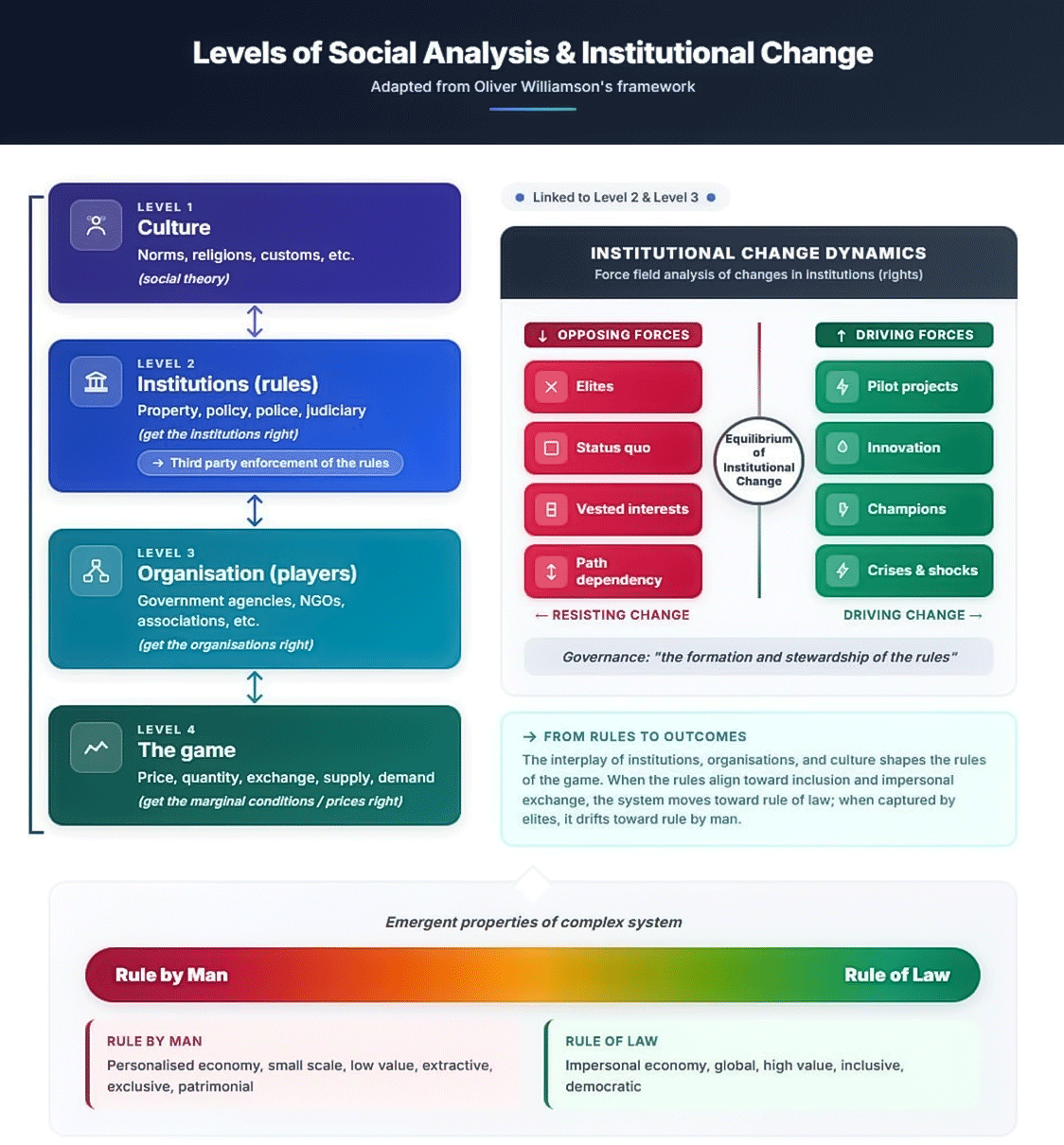
Professional wildlife administrators unlocked institutional path dependency by proposing an alternative vision for wildlife's future and changing the rules to make it happen (Level 2). Pilot programs (Level 4) delivered short-term wins.
They were then used to convince society (Level 1) that change was necessary, leading to further legal changes (Level 2), more field-level results (Level 4), and eventually a new cultural understanding of wildlife and society (Level 1).
The wildlife economy is now widely accepted in southern Africa, whereas before 1960 wildlife was perceived as a public good and an impediment to the sound use of productive land.
Wildlife policy changes in Zimbabwe were driven by professional civil servants. Emerging from the British South Africa Company in 1923, Southern Rhodesia had a professional Victorian-style public service, with a strong emphasis on education, agriculture, research, and the environment.
Zimbabweans had a reputation for pragmatism, for not running with the herd, and for letting facts, rather than opinions or conformity, shape outcomes.
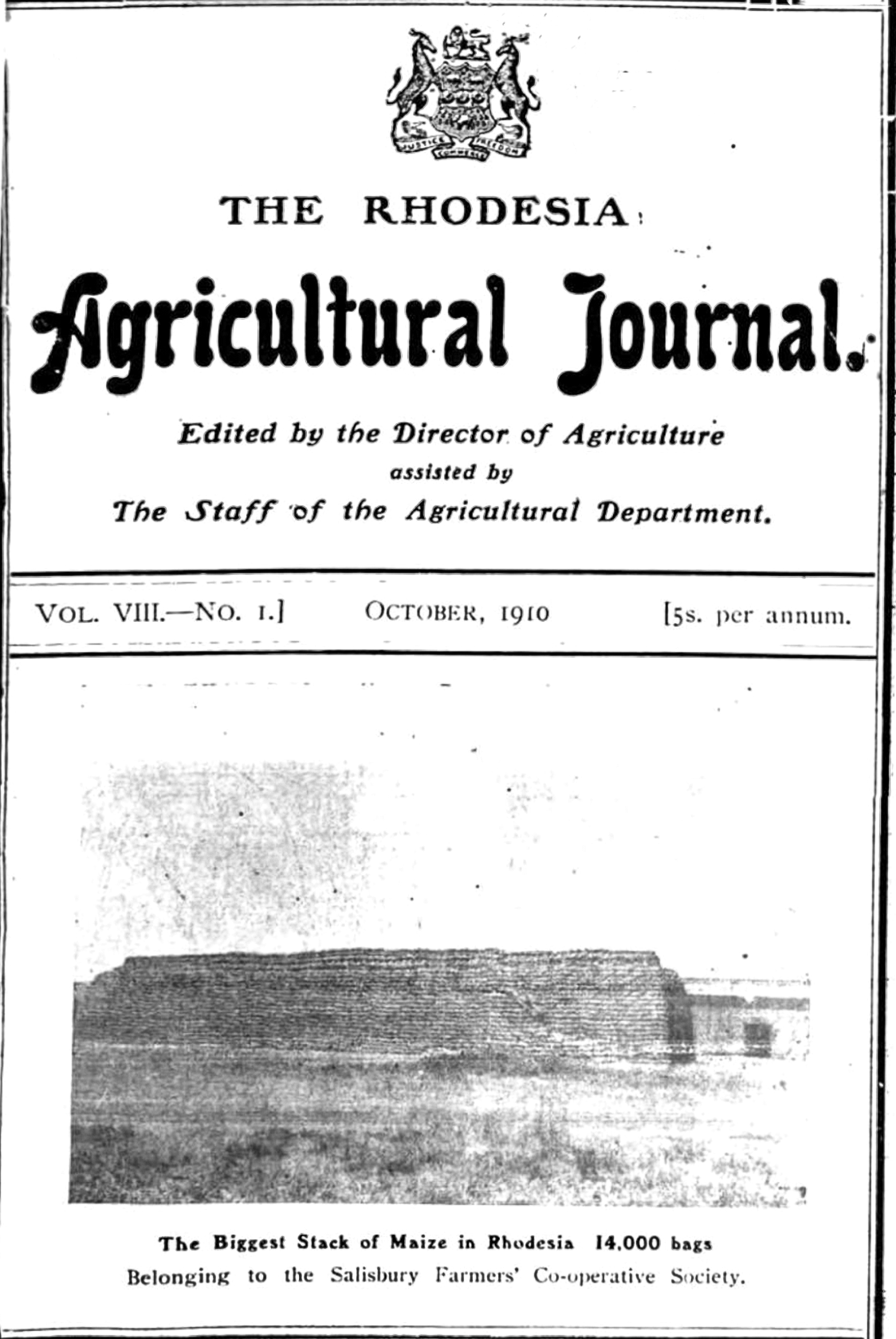
Moreover, science informed decision-making, with agricultural research stations and a scientific journal (Rhodesia Agricultural Journal) established within 13 years of white settlement.
Under self-rule and settled by practical men rather than the aristocracy, the country was decentralized and democratic, at least for the small white population.
By the 1930s, far-sighted officials in the water courts became concerned about soil and water management.
Viscerally opposed to top-down solutions, they established a highly democratic, grassroots conservation system through the Natural Resources Act of 1941 (Box 8.1). Collective self-regulation was so effective for controlling soil erosion that it was later integrated into the Wildlife Act to control externalities associated with wildlife's mobility.
BOX 8.1 ZIMBABWE'S INTENSIVE CONSERVATION AREAS (ICAS) AND NATURAL RESOURCES BOARD (NRB)
Zimbabwe's natural resource governance system consisted of democratic catchment communities, with strong legal powers for self-governance, headed by the civic NRB (Child & Child, 2015). This system, legislated in 1941, is assessed against Ostrom's eight principles for governing a commons.
1. Boundaries clearly defined
ICAs were legally recognized associations of some 50-70 private landholders in ecological units, usually within the same drainage sub-catchments.
2. Those affected by the rules could participate in modifying them
ICAs were democratic, with regular community-wide meetings and field days, and wrote their own rules and regulations for natural resource management, including wildlife.
3. Match rules governing use of common goods to local needs and conditions
Rules were parsimonious, locally appropriate, enforceable, and effective.
For wildlife, for example, the community would set quotas for high-value species, giving higher quotas to properties that had more wildlife, but didn't bother to set quotas for species that were numerous or low-value unless a specific problem arose.
Game fencing was not necessary because the community arbitrated the use of wildlife that moved from one property to another.
4. Monitoring by the community or by people accountable to the community
Most monitoring was informal, but the ICA partnered with the Lands Inspectorate in an annual overflight to ensure erosion, deforestation, and so on were under control.
5. Use graduated sanctions for rule violators
Compliance relied mainly on local social sanctions and peer pressure, though the ICA had access to powerful legal measures if needed. If the ICA failed to act, government retained the ultimate authority to intervene.
In reality, few cases went beyond the local ICA. In the first 16 years after the Parks and Wildlife Act came into force, the wildlife department had to deal with only one referral, which concerned the baiting of lions out of a national park by a cattle rancher.
6. Provide accessible, low-cost means for dispute resolution
Most actions were solved locally through peer pressure or legal action by the ICA. If a member disagreed with the ICA's ruling (e.g. to reduce cattle numbers or wildlife offtake), he could refer the matter to the elected national Natural Resources Board (which had 14 days to rule), with a further and final arbitration possible through the Natural Resources Court (which also had 14 days to rule).
In the case of wildlife, either side could appeal to the Director of National Parks and Wildlife Management to consider appropriate action, again with a 14-day decision period.
7. High-level authorities respect community members’ rule-making rights
ICAs had significant legal powers of self-regulation. They could set quotas, ban hunting, and legally require a member to invest in environmental rehabilitation (e.g., erosion controls) or desist from activities (e.g., over-stocking, deforestation) that harmed their environment. Each ICA acquired the services of a government extension officer.
8. Build responsibility for governing the common resource in nested tiers from the lowest level up to the entire interconnected system
The civic Natural Resource Board, democratically accountable to a structure of about 200 landscape communities (ICAs), held authority for natural resource governance.
Strong horizontal and vertical information sharing through these structures enabled proactive, innovative responses to natural resource threats and opportunities.
Compared to agriculture, wildlife was an afterthought, and the government did far more to harm wildlife than to help it. Several protected areas were developed as early as 1902 but were only consolidated in 1975.
However, public attitudes to wildlife began to change following 'Game Rescue', an audacious operation to save wildlife from the rising waters of the Kariba Dam in the late 1950s.
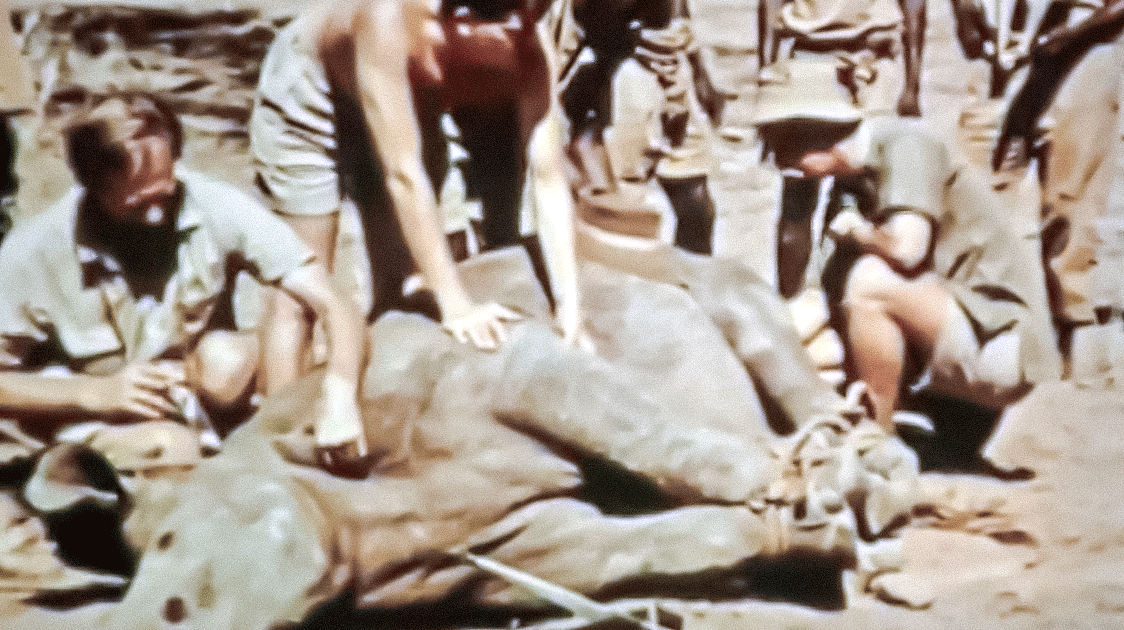
The first professional wildlife officers were recruited in 1959 to complement the rugged field men who feature so prominently in early wildlife folklore.
These professionals recognized the inevitable decimation of wildlife caused by the expansion of agriculture in the 1950s and 1960s, and pioneered a new philosophy- that of 'maximizing the value of wildlife to the people on whose land it lives' – through bold policy and legislative reform (Child, 1995).
Quiet, thoughtful, and determined men invented a new way of doing conservation, seeking collaboration and results rather than the limelight.
A senior wildlife administrator, Archie Frazer (appropriately nicknamed 'the Arch Phraser') rewrote the Wildlife Conservation Act of 1961 to open the door for landholders to crop and hunt game commercially through a permit system.
His friend and colleague, Reay Smithers, the highly respected Curator of Museums, invited three Fulbright Scholars who would have a considerable impact on wildlife in Africa and beyond to Zimbabwe from 1958 to 1961 (Thane Riney, Ray Dasmann, and Archie Mossman).
With quiet official sanction before the new Act, Ray Dasmann and Archie Mossman initiated a game-cropping experiment on the Doddieburn-Manyoli ranch, owned by the Henderson brothers, in southern Zimbabwe (Dasmann & Mossman, 1961).
Their scientific assessment of game cropping strongly influenced southern Africa's conservation approach (Carruthers, 2008).
East Africa was also experimenting with game cropping and wildlife production at the time (Talbot et al., 1961, 1965b). Building on these game-cropping experiments, the wildlife industry began to grow.
From one in 1959, 169 game-cropping permits were allocated to Zimbabwean landholders by 1974.
Soon, wildlife officers realized that the administrative burden of counting wildlife and setting quotas was impossible and unnecessary; ranchers were protecting wildlife, not eliminating it, as some suggested would happen (Mossman & Mossman, 1976).
Realizing it had not gone far enough, wildlife administrators eliminated permits and other requirements for using wildlife on private land.
The third Fulbright Scholar, Thane Riney, had a broad vision and influence.
He introduced many innovative ideas about wildlife management that were well ahead of their time, including holistic ecological management and the sustainable use of wildlife (Riney, 1964, 1967, 1982).
He discussed this new concept with the Transvaal Department of Nature Conservation and the Natal Parks Board (led by Colonel Vincent) in South Africa, where they adopted it, and he also tried to do so across the rest of Africa (Riney & Hill, 1967).
Riney's ideas were eagerly adopted, including by young biologists in the Southern Rhodesian Game Department, especially Graham Child, who went on to turn many of these ideas into reality.
Political attitudes toward wildlife in Southern Africa softened, largely because Operation Noah generated worldwide publicity during the filling of Lake Kariba from 1958 to 1961 (Child, 1968).
By the early 1970s, Archie Frazer and Graham Child (the permanent secretary and former parks director, and the park director, respectively) concluded that 'most species are best protected by landholders and landholder communities that live with them' and that legislation needed to change to reflect this.
Legal action that highlighted contradictions in the public ownership of wildlife hastened the evolution of wildlife legislation.
In 1973, a cattle rancher (Morseby White) living near Victoria Falls shot a roan antelope, then classified as Royal Game.
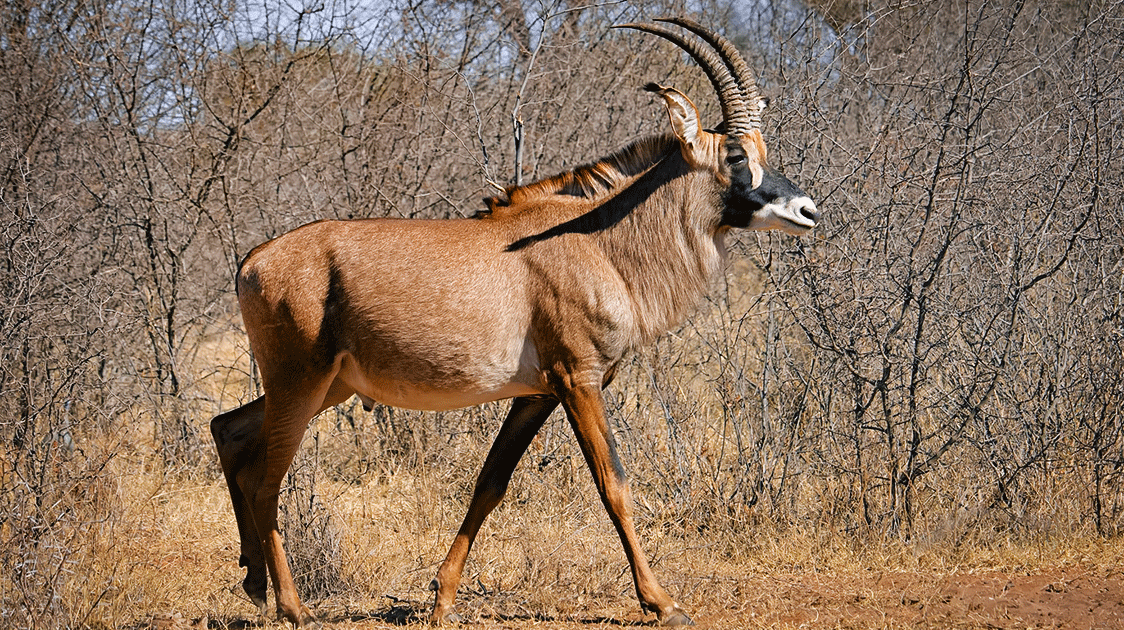
When arrested, he claimed that by eating grass on his land, the wild animal was destroying his property and affecting his livelihood; if the state claimed ownership of wildlife, then surely it was also legally liable for damage caused by 'its' wildlife.
Chief Justice Hugh Beadle, ebullient, controversial, and an avid hunter, sympathized with this argument and ruled for the landholder (Beadle & Macdonald, 1969).
Wildlife officials were quietly supportive and used the ruling to launch the radical changes they were considering.
They had already concluded that public ownership of wildlife was unworkable, except in the case of protected areas; it was only a matter of time before the state was taken to court for the costs imposed by wildlife, including use of water, grazing, loss of property, and life (G. Child, personal communication, 2015).
With 'wildlife' legally defined as 'all forms of animal life, vertebrate and invertebrate, which are indigenous to Zimbabwe', including plague species such as quelea and locusts, this posed a high risk to the state.
These ideas merged in the far-reaching Parks and Wildlife Act of 1975, which altered the core philosophy underpinning wildlife ownership.
The technical task of designing policy to devolve custodianship of wildlife to landowners was relatively simple, but the main impediment was urban conservationists who opposed the idea that landholders could be trusted to manage wildlife responsibly if they were allowed to utilize it freely.
Over the next five years, Frazer and Child shepherded a new act into law through numerous public hearings and protracted meetings with members of Parliament.
The Act was path-breaking.
It clarified the legal purpose of six categories of parks, sanctuaries, and safari areas (preceding the categorization adopted by the International Union for Conservation of Nature (IUCN) in 1994, Phillips 2007) and, by 1975, Zimbabwe had a well-crafted and consolidated system of state-managed protected areas that secured 15% of the country (Child, 1995).
It also established the primacy of holistic environmental management, including soil, even before the term 'biodiversity' was coined.
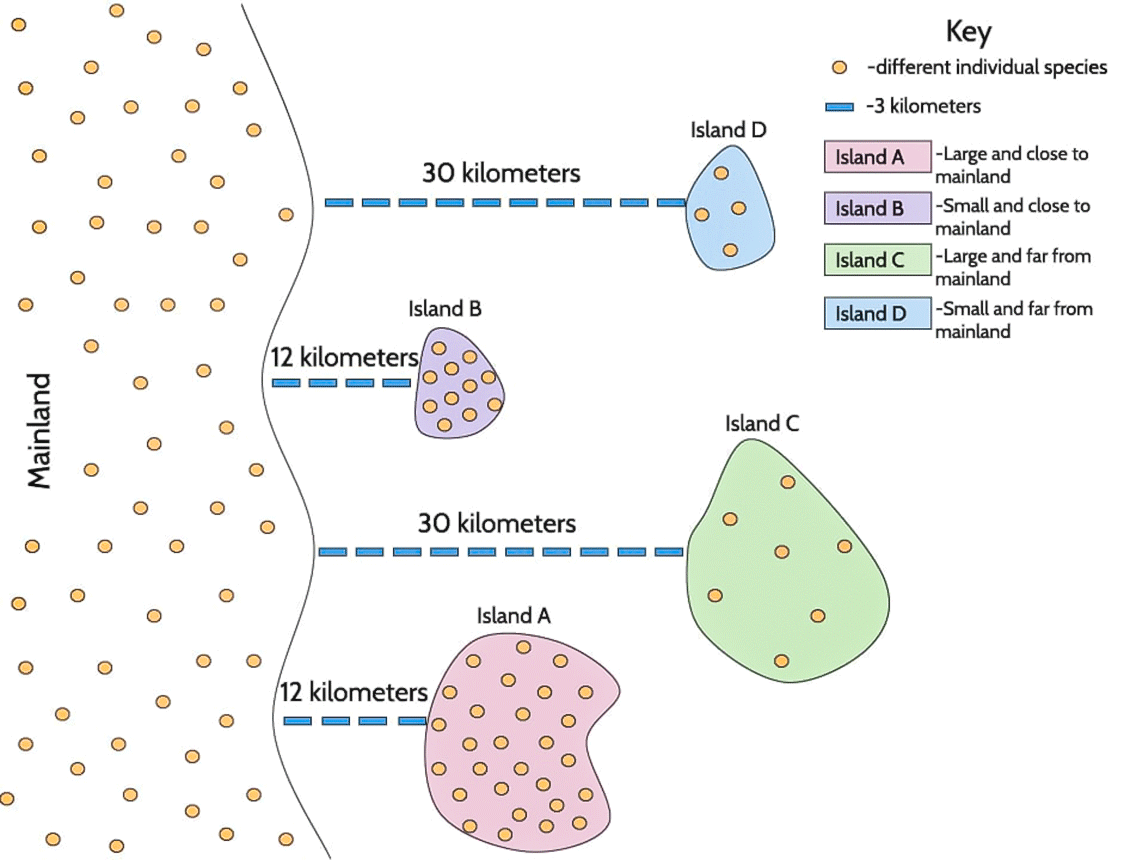
In 1967, Robert MacArthur and E. O. Wilson developed the theory of island biogeography, species-area curves, and the possibility that parks could become isolated islands (MacArthur & Wilson, 1967).
Zimbabwe's park officials, conversant with the science and aware that conserving 15% of the country would never be enough, set about conserving wildlife on land outside the protected area estate.
A concise and vital section of the Act gave landholders the right to use wildlife commercially, with minimal government interference.
The Act established landholders as the 'appropriate authority' for wildlife and gave them powers. To quote directly from Section 59, Sub-section (4) of the Parks and Wildlife Act (1975):
Subject to this Act, the appropriate authority for any land may:
(a) Hunt any animal on the land; or
(b) Remove any animal or any part of an animal from the land or from one place to another on the land; or
(c) Issue a permit to any person allowing him or any other person or any class of persons to hunt any animal on the land or to remove any animal or any part of an animal from the land or from one place to another on the land.
Legally, wildlife became res nullius (owned by no one), but, as 'appropriate authorities', landholders acquired full rights to use, manage, protect, and sell wildlife while it was on their land.
The 'spirit of the Act' was to make wildlife as valuable as possible to the people living with it and to use wildlife as profitably as possible, provided the use was humane.
To increase wildlife's financial competitiveness, the government moved all fees and most other regulations; wildlife had to compete with livestock, and the Ministry of Agriculture did not set quotas for livestock, require permits, or charge fees.
Collective self-regulation
The biggest argument voiced against privatizing wildlife was the fear of over-utilizing species that moved freely between properties.
In practice, this proved easier to solve than in theory, echoing Ostrom's (1990) confidence in local collective action. The far-sighted Natural Resources Act of 1941 (Box 8.1) provided a platform for collective wildlife self-regulation.
Private landholders were already constituted as democratic communities (called Intensive Conservation Areas or ICAs) with the legal powers to regulate themselves through the Natural Resources Act of 1941.
The system proved remarkably effective at controlling and recovering from soil erosion and other environmental effects, was inexpensive, was hugely popular and respected by landholders, and was a near-perfect match with the principles developed by Elinor Ostrom nearly fifty years later (Ostrom,1990).
Although these communities had strong legal powers to enforce destocking in cases of range degradation, require soil erosion controls for roads or fields, or even implement these and send the bill to the landholder, they seldom used them, relying instead on social pressures and peer accountability.

At the heart of the system was informal self-monitoring, strengthened by education and extension to ensure farmers understood the causes and consequences of soil erosion, burning, over-grazing, and so on.
In well-designed, democratic systems, farmers placed checks on each other as humans have done since they evolved on the African savannas, and most problems were solved quietly and subtly.
Rules for addressing complex environmental problems and externalities were effective because they were self-made, parsimonious, tailor-made to local conditions, and sometimes even ingenious (Ostrom, 2007, 2009c).
It is particularly revealing that the system faltered as soon as it lost its essential democratic grassroots nature, following a decision by the government to prioritize efficiency over democracy by consolidating natural resource management through rural and district councils (Child & Child, 2015).
Nonetheless, landholders had learned the value of working together. They responded by consolidating wildlife properties at the landscape level through legal conservancy agreements.
Thus, Zimbabwe used the Parks and Wildlife Act of 1975 to privatize wildlife and the Natural Resources Act of 1941 to manage its common-pool attributes collectively.
This institutional approach contrasts with South Africa and Namibia, where wildlife ownership rights are acquired through game fencing and a 'certificate of adequate enclosure', resulting in a highly fragmented landscape shaped by expensive game fences around individual properties, with negative financial and ecological consequences.
Zimbabwe's wildlife legislation was path-breaking and simple in its sophistication.
The Parks and Wildlife Act of 1975 devolved wildlife proprietorship to landholders and sought to make wildlife as profitable as possible for landholders by encouraging the commercial use of wildlife (provided it was humane), while removing permits and license fees that reduced wildlife's competitiveness.
The Natural Resources Act of 1941 then used Ostrom-like principles to control externalities and other features of complex systems that could only be managed through informed collective action.
The principles of entrusting wildlife to landholders, making it as valuable as possible, and collective responsibility for landscapes began to permeate the DNA of the park agency, the country, and the region.
Here I pay tribute to my late father, Graham Child, a field man and senior administrator who, as a deep observer of ecosystems and their interactions with people, worked diligently to develop a cogent narrative (or theory of change), allowing facts to shape his opinions, even if these did not follow those of the herd.
Never afraid to provide strong leadership, this often reflected his belief that empowering people, be they park rangers, farmers, rural communities, or wildlife producer associations, would lead to the best results, combining healthy ecosystems with the greatest good for the greatest number.
Then, when he found himself in the right position and working with the right people, he transformed the wildlife sector by applying these principles.
Prof. Brian Child is an associate professor in the Department of Geography and the Center for African Studies at the University of Florida, and the director of the Life Through Wildlife Project. His book, “Sustainable Governance of Wildlife and Community-Based Natural Resource Management”, is available on Amazon.