Victoria Falls Anti-Poaching Unit

By Talia Meikle
Key Takeaways
- For 25 years, VFAPU has protected wildlife in and around Victoria Falls, where people and animals share the same urban landscape.
- Its work combines patrols, technology, trained dogs, intelligence networks and community cooperation to disrupt poaching.
- Bushmeat, snaring, deforestation and wildlife trafficking remain serious threats, particularly to vulnerable species such as pangolins.
- Recent arrests and fewer snaring incidents show that sustained conservation efforts are making a difference—but the threat has not disappeared.
- Protecting the wider landscape will require expanding anti-poaching operations and disrupting the markets that drive illegal wildlife trade.
Human-Wildlife Conflict around Victoria Falls
Established in 1999, the Victoria Falls Anti-Poaching Unit is a non-profit organization focused on combating wildlife crime in and around Victoria Falls.
In this unique area where people and wildlife coexist, VFAPU works tirelessly behind the scenes to protect animals and maintain this delicate balance by tackling the ongoing threat of poaching.
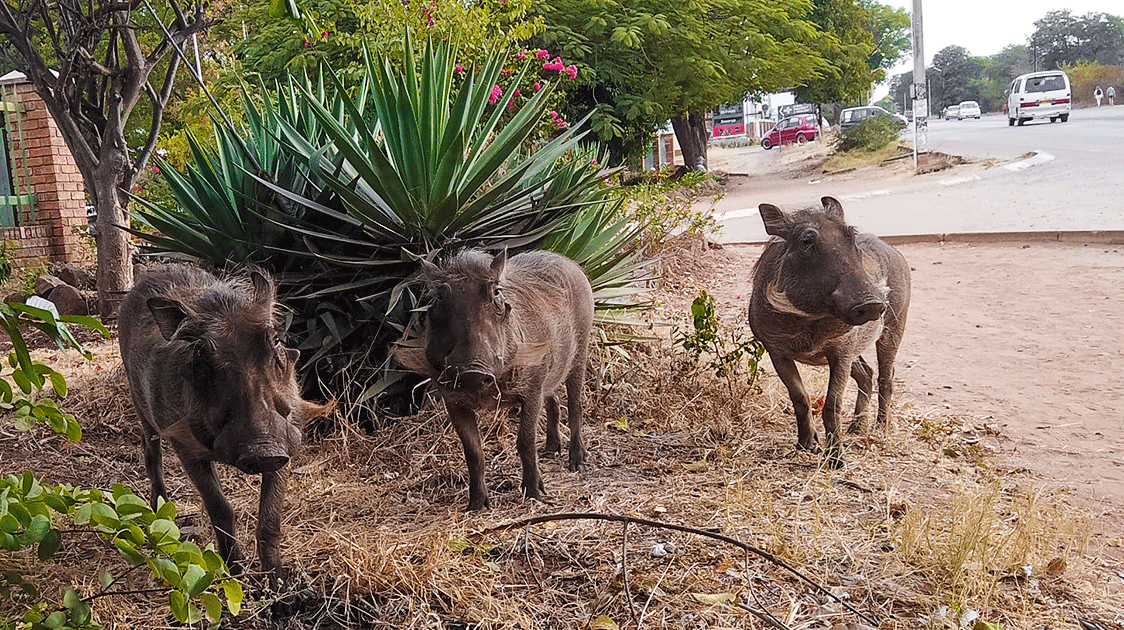
VFAPU’s primary goal is to be a force for good in the high-activity wildlife area of Victoria Falls, where people and animals coexist successfully thanks to ongoing protection efforts.
For 25 years, VFAPU has played a vital role in ensuring wildlife continues to thrive within the city limits.
The main threats faced include deforestation for timber and the bushmeat trade driven by both subsistence needs and commercial demand, which has grown alongside the city’s expansion.
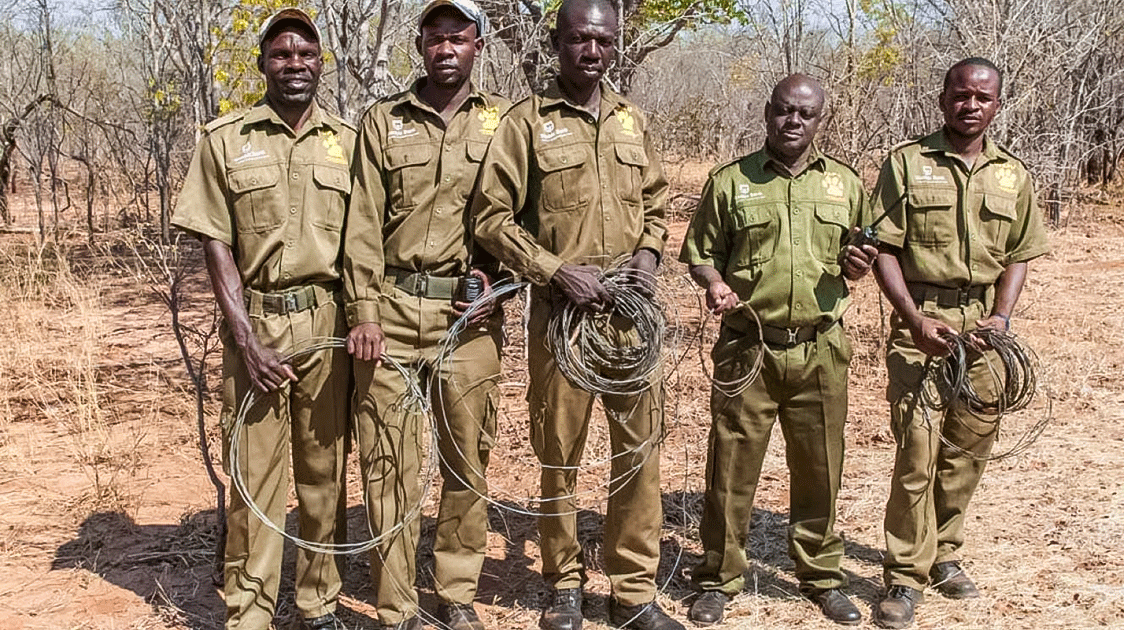
VFAPU’s anti-poaching strategy combines constant, year-round field presence with modern technology, specialized K9 support, and strong intelligence work.
Horse-mounted and foot patrols keep boots on the ground, deter poachers, gather information, and rescue snared wildlife.
Advanced tools such as AI-enabled cellular trail cameras, night vision, and thermal imaging are positioned to detect incursions early and enable rapid response.
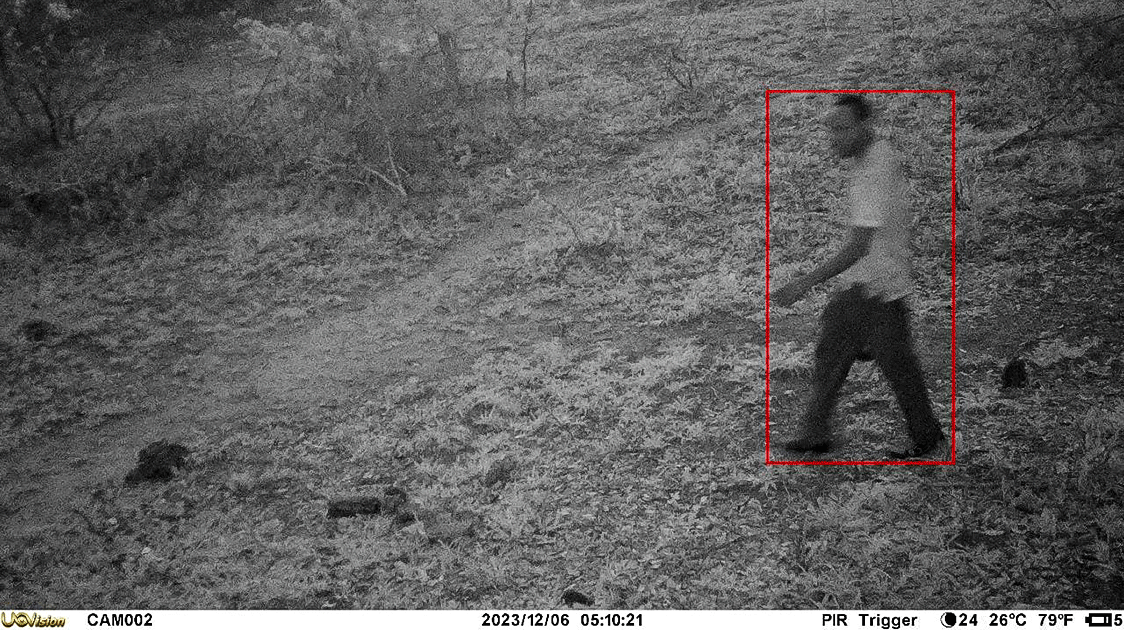
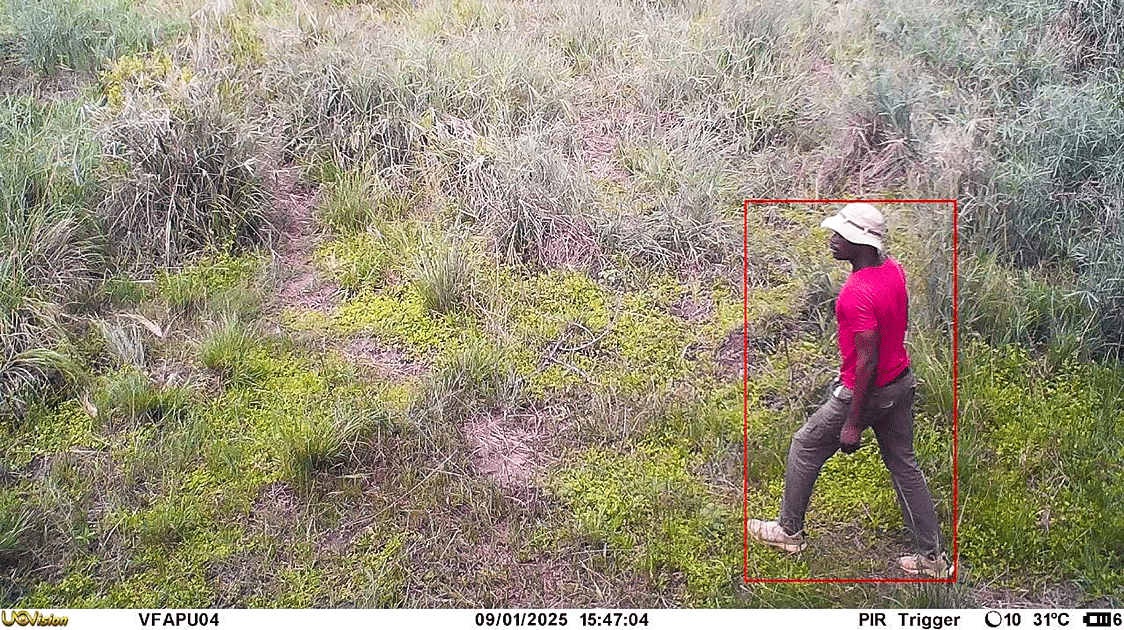
Camera traps are used to capture images of potential poaching activity
VFAPU also collaborates with the Take Action Trust to deploy highly trained tracking dogs for patrol and detection work.
Behind the scenes, an established informer network and undercover operations help identify illegal activities and target the trade in bushmeat and wildlife products, leading to more arrests and stronger wildlife protection.
What makes Victoria Falls Anti-Poaching Unit unique is our strong urban focus, as much of our work takes place in and around Victoria Falls.
With elephants, warthog, antelope, and buffalo regularly roaming the town's streets, maintaining a safe balance between people and wildlife is a constant challenge.
Our work extends beyond protecting wildlife within the National Parks; we must also remain vigilant to the threats and challenges unfolding right on our doorstep.
A recent success story involved an intelligence-led operation that led to the arrest of a suspect found in possession of pangolin scales, with a second suspect later apprehended as investigations continue.

The case highlights the ongoing threat of illegal wildlife trafficking, particularly for pangolins, the world's most trafficked mammal, and the risk of Victoria Falls being used as a trafficking hub due to its borders and international airport making this yet another huge urban threat.
It also reinforces the critical role that intelligence plays in disrupting wildlife crime and protecting vulnerable species.
The fight against poaching is not always about dramatic encounters in the bush.
Often, it begins with something much smaller: a suspicious person, a few feathers, or a backpack leaving the bush. During one patrol, the team noticed an individual emerging from the bush carrying a backpack.
The behavior immediately raised concerns, and the team stopped and questioned the individual. A search of the bag revealed little, apart from a few guinea fowl feathers.
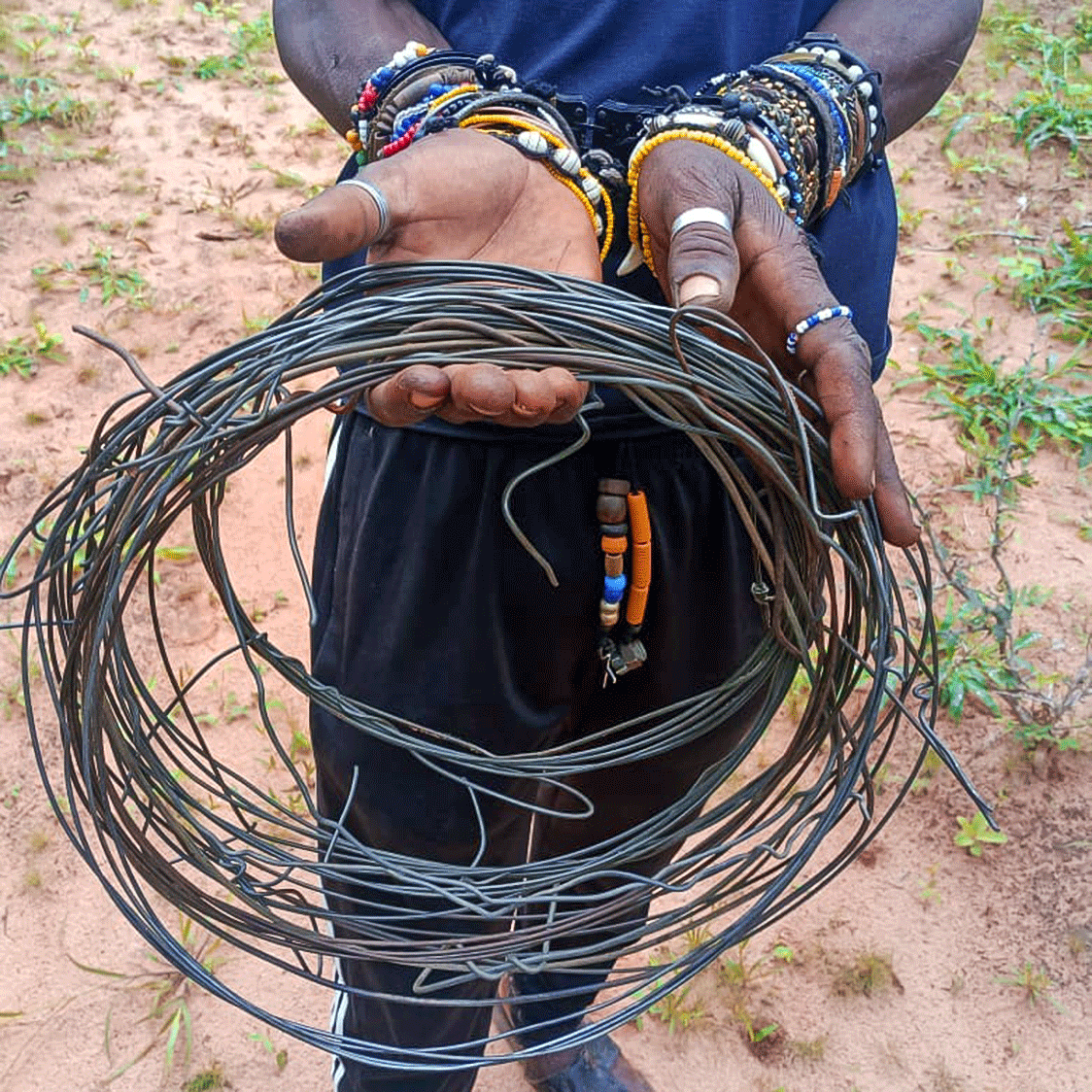
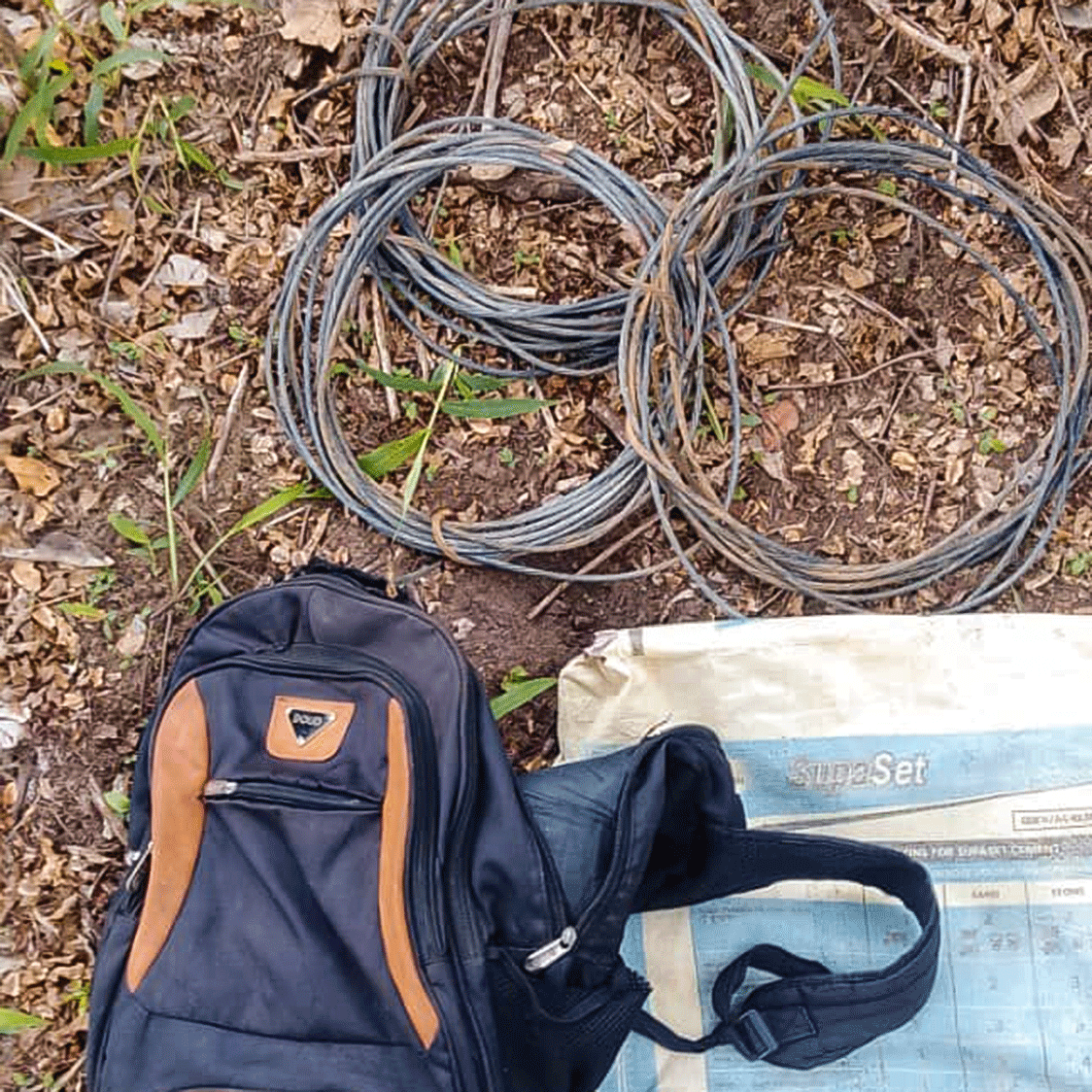
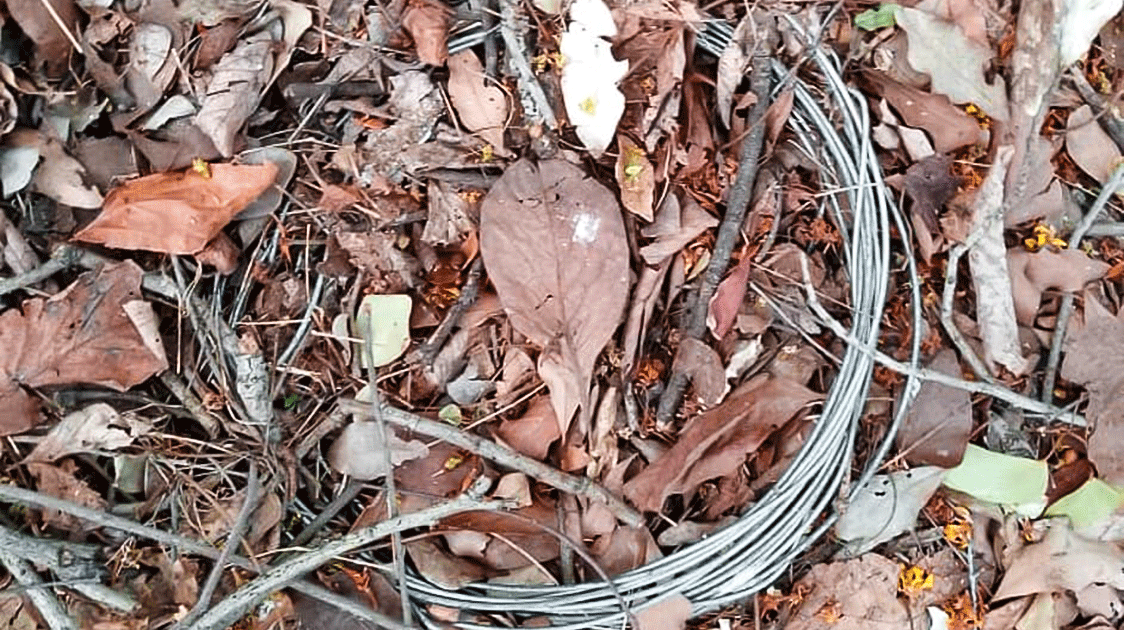
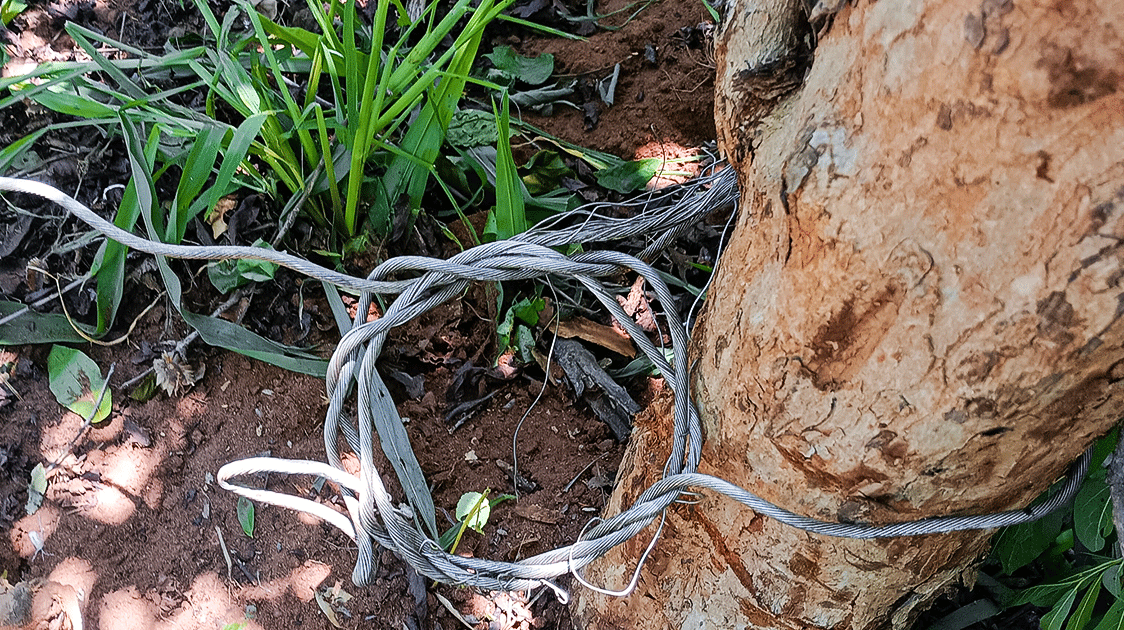
A captured poacher with his snares
The team continued questioning and eventually learned the bag supposedly belonged to someone else. Following the trail led them to several individuals and ultimately resulted in two arrests.
The investigation uncovered the carcasses of two poached guinea fowl and seven snares set in the bush, waiting for another unsuspecting animal.
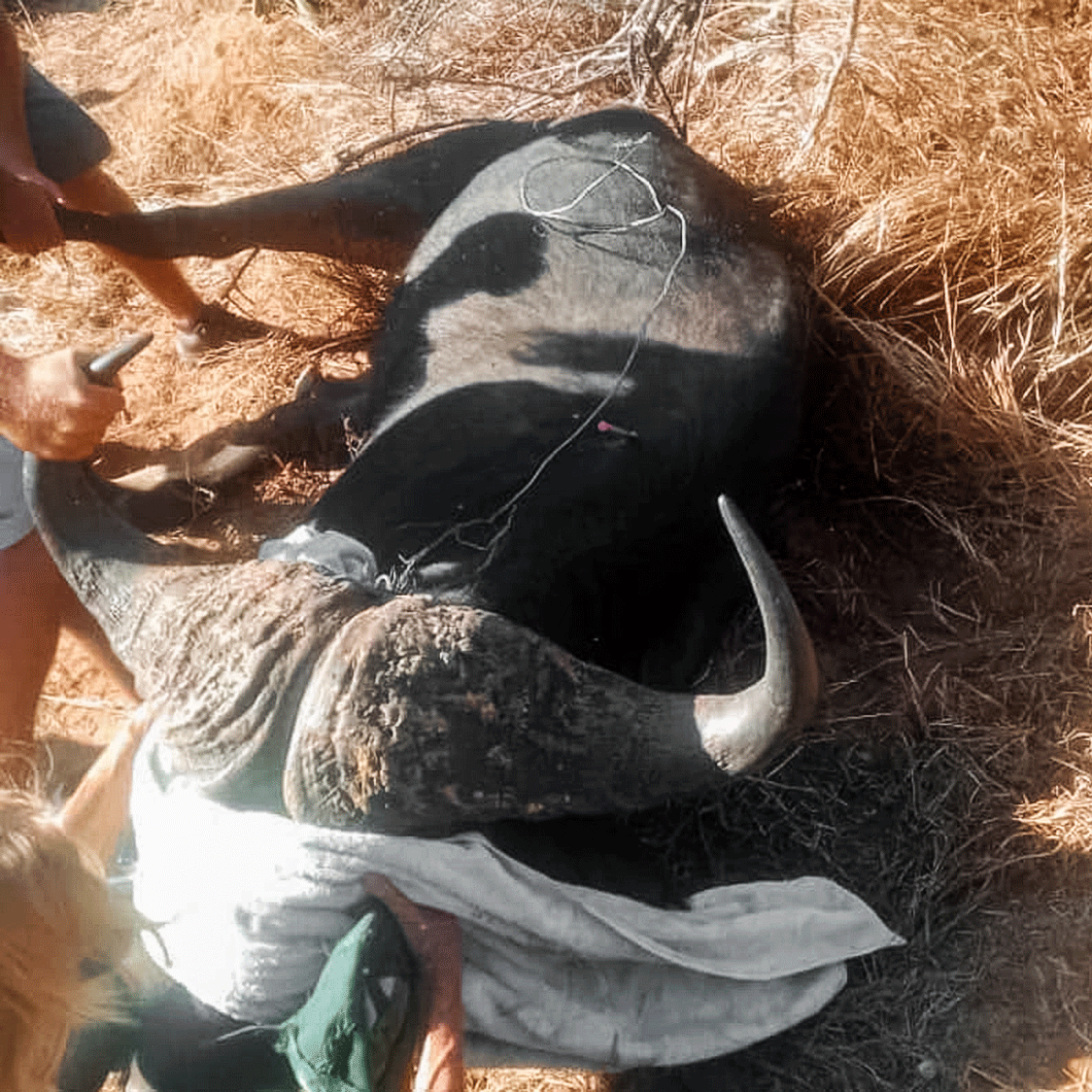
While seven snares may seem like a small number, each one represents a potential death. Animals caught in snares can struggle for hours or even days, and those that manage to escape can be left with severe, lifelong injuries.
One indicator of poaching pressure is the number of injured animals requiring rescue. When snaring is widespread, wildlife caught in traps is often discovered by chance, sometimes by members of the public who happen to notice an animal in distress and report it.
Thankfully, these incidents have become less common around Victoria Falls. This is an encouraging sign and reflects the impact of sustained anti-poaching efforts and increased pressure on illegal activity within the area.
However, fewer incidents do not necessarily mean the threat has disappeared.
Information from arrests and investigations increasingly suggests that some bushmeat entering Victoria Falls may come from areas beyond the team’s traditional patrol zones.
While this demonstrates that pressure within Victoria Falls is having an effect, it also highlights the scale of the challenge facing the wider landscape.
The demand for bushmeat remains a key driver of this threat.
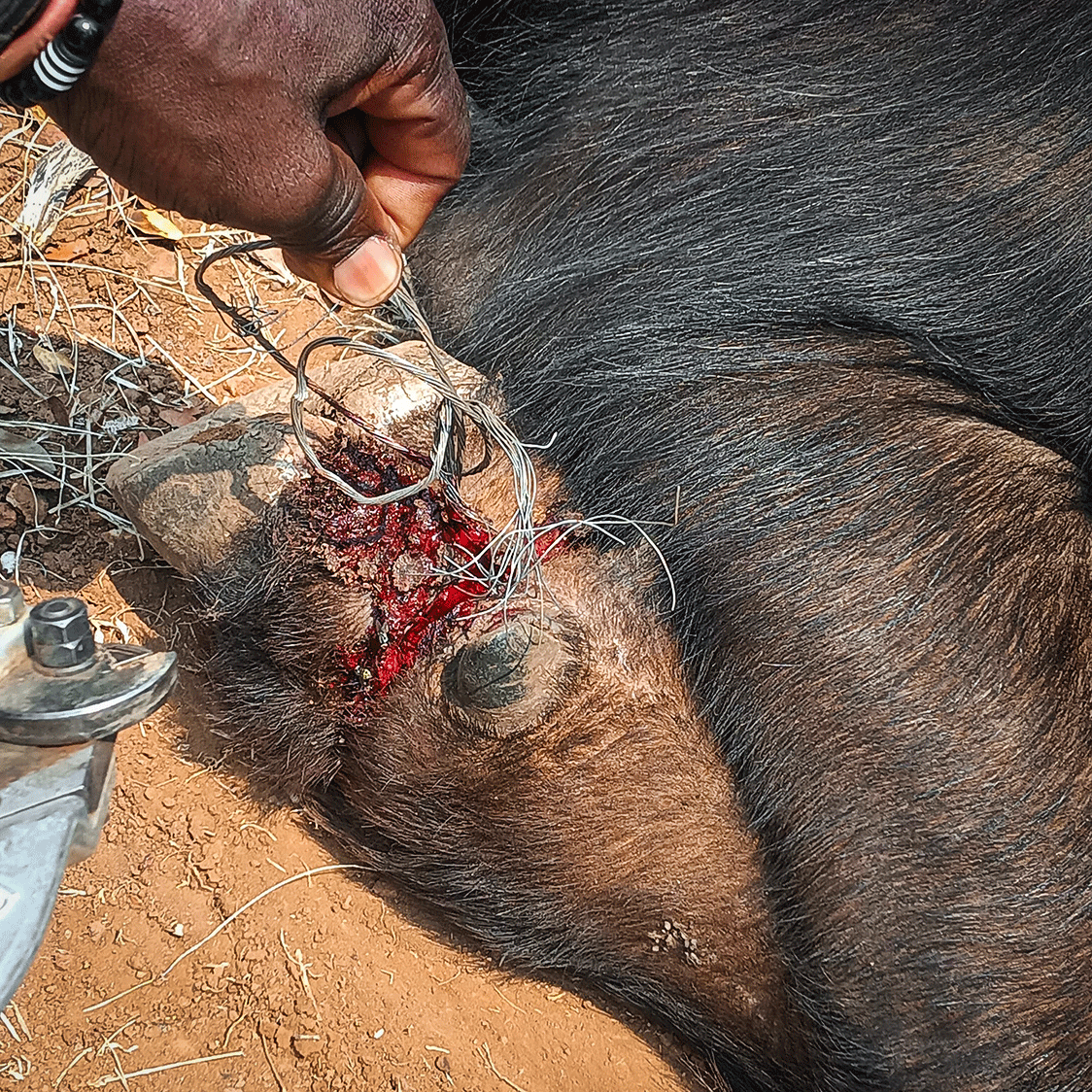
Where there is a market, there will be an incentive to poach. For this reason, combating poaching requires more than removing snares and apprehending individuals in the bush.
It also means disrupting the supply chains that allow illegally obtained meat to reach consumers. Over the years, efforts to target kitchens, butcheries and other outlets suspected of selling bushmeat have encouraged many businesses to stop participating in the trade.
As these traditional channels have become more difficult to use, sellers have increasingly been forced to operate independently, making it harder and riskier for illegal meat to reach the market.
Every disruption to this supply chain matters.
The relative peace wildlife around Victoria Falls currently experiences is a positive sign of what sustained conservation efforts can achieve.
But it should not create a false sense of security.
Wildlife beyond the current protection zones remains vulnerable, and poaching continues to threaten the wider landscape.
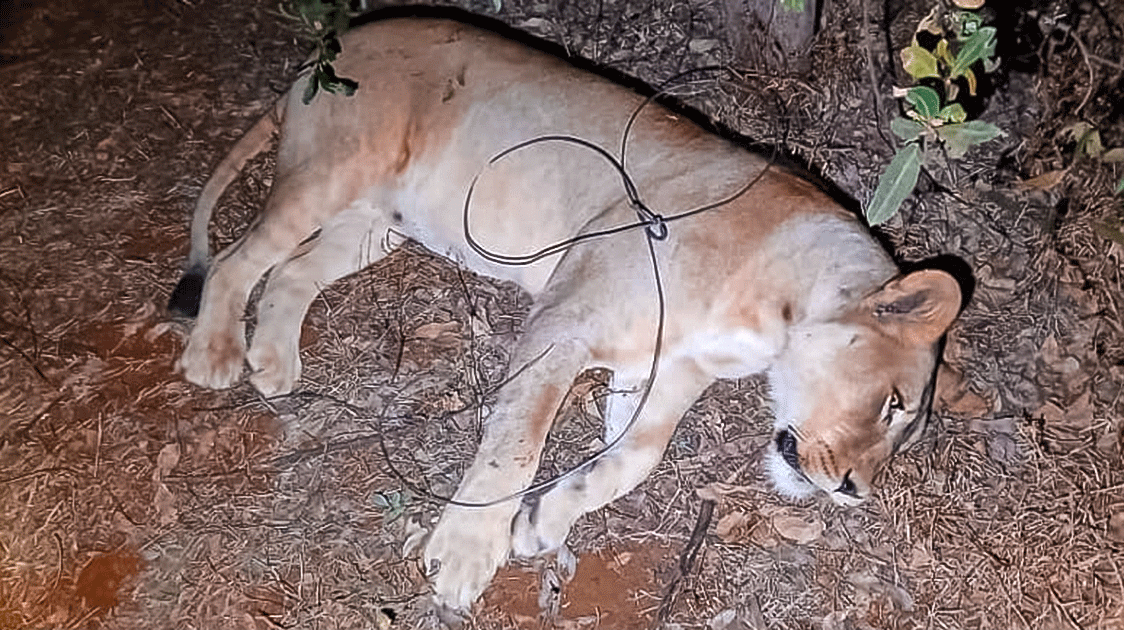
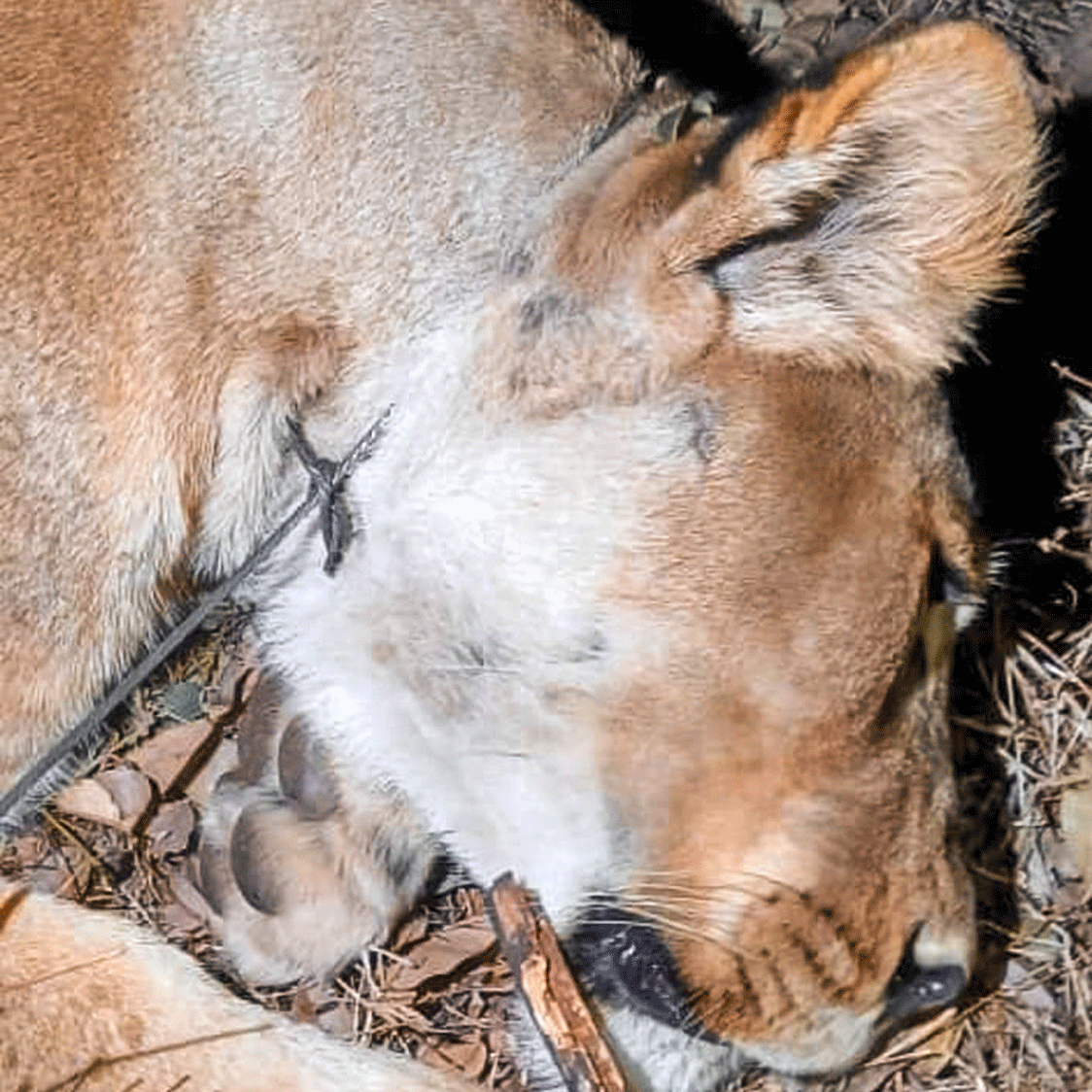
A lioness killed in a snare
Expanding anti-poaching teams and extending their operational footprint will be essential to protecting more wildlife and addressing threats before they reach protected areas and communities.
Every snare removed is one less threat waiting in the bush. Every arrest disrupts the illegal trade.
And every piece of information a community member shares can help prevent another animal from becoming a victim.
The work continues with the ultimate goal of creating a landscape where wildlife can move freely, safely, and without the ever-present threat of the snare.