Graham Child: Rebel and Game Changer
By Prof Brian Child
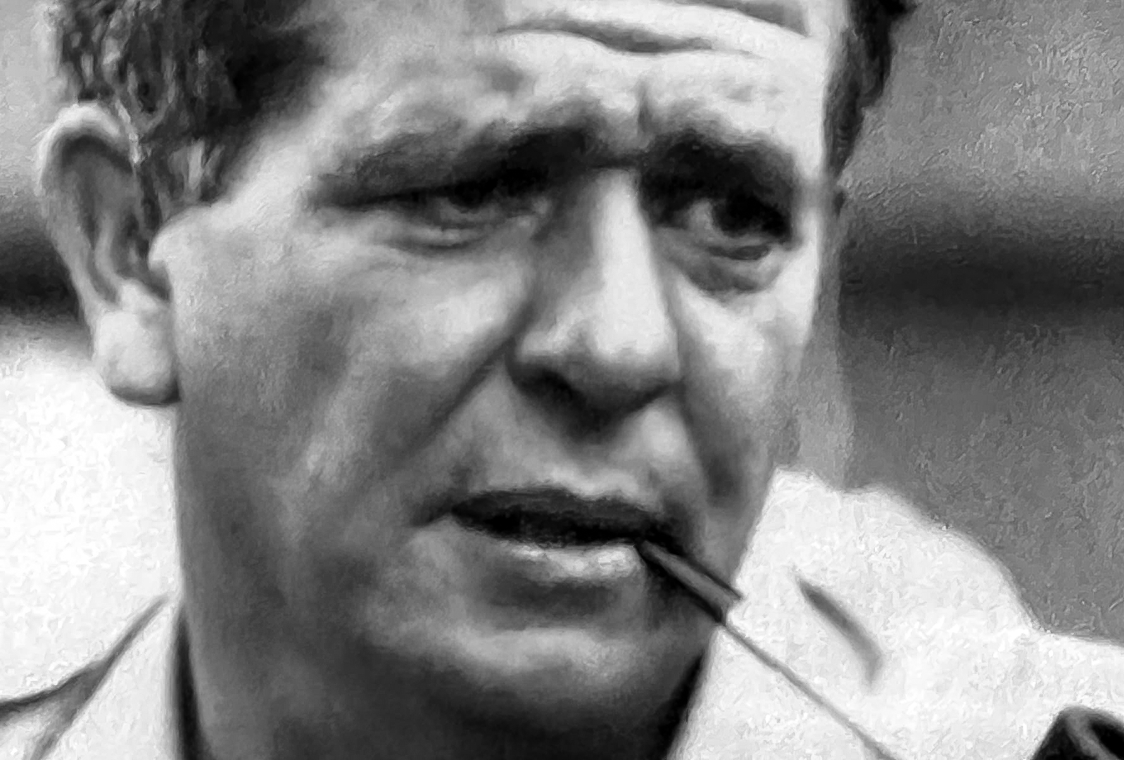
Graham Child grew up on remote field stations in Zimbabwe, learning Shona and Ndebele, and absorbing the work ethic and culture of an effective civil service. His father, Harold Tamplin Child, survived two years on the Western Front in World War I, became a District Administrator, and later headed African Agriculture in Southern Rhodesia.
In the 1930s, 1940s, and 1950s, he implemented concepts that, today, we call CBNRM (Community-Based Natural Resource Management), including strengthening communities with a combination of individual (for fields and houses) and collective title (for common grazing areas), and ideas now called conservation agriculture, herding for health, and so on.
As a boarder at Plumtree School, way out in the bush on Zimbabwe's western border, Graham learned that a man is measured by what he does, not by what he says.
Serendipitously, he shared school dormitories and played sport against young men who were already passionate about a new role for wildlife in marginal agricultural systems. Bob Vaughan-Evans became a highly influential extension officer, encouraging Zimbabwe's Department of Conservation and Extension (CONEX) to view wildlife as an acceptable land use.
The practical Peter Johnstone and the Style family pioneered game farming as early as 1959. Allan Savory was an early leader in wildlife utilization before making a name for himself in holistic resource management.
Graham fell under the influence of extraordinary men. Reay H. N. Smithers, the "grand old man of vertebrate research" and author of Mammals of Southern Africa (1996), developed the museum service of Southern Rhodesia as a center of expertise in wildlife and history.
Ever practical, Graham supervised the building of the Bulawayo Museum (opened by Sir David Attenborough) and served as keeper of mammals.
He was seconded to the Southern Rhodesian Game Department as its first ecologist (under Archie Frazer), where he was one of a handful of rugged young men who lived in the wild to rescue stranded animals from the rising floodwaters of the Zambezi when Lake Kariba was being established.
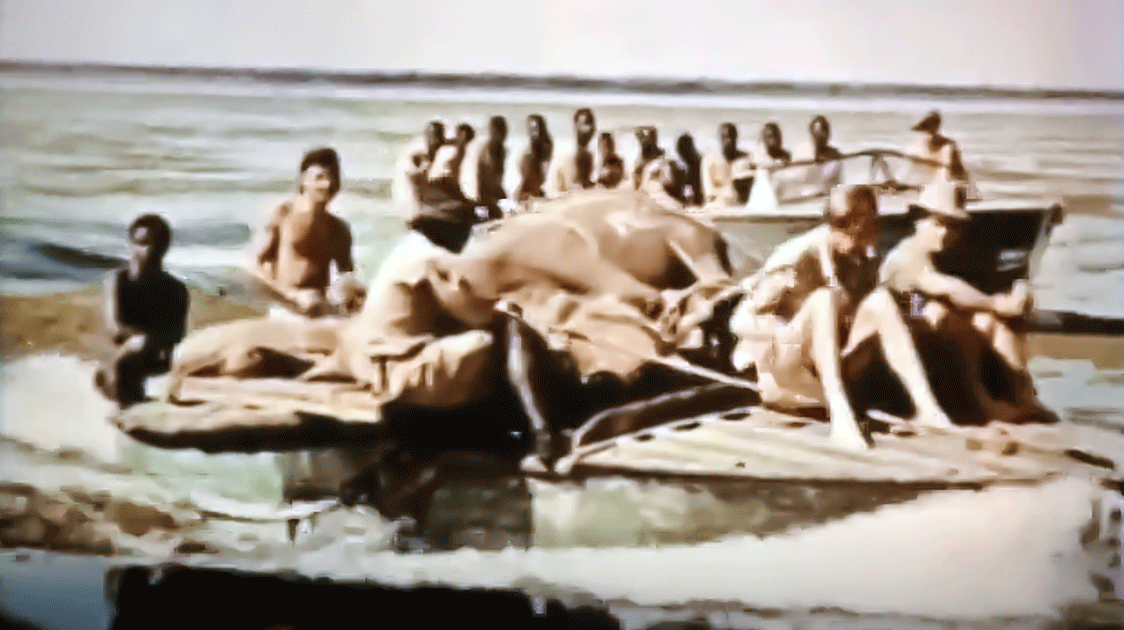
We still have tins of Mycota foot powder as a testament to months of jumping off boats to capture animals, ranging from snakes to rhinos.
Awarded a prestigious Beit Research Fellowship, Graham turned this opportunity into a PhD, studying the effects of excessive numbers of wild animals on shrinking habitats.
His examiner and friend was George Petrides, long-time editor of the Journal of Wildlife Management.
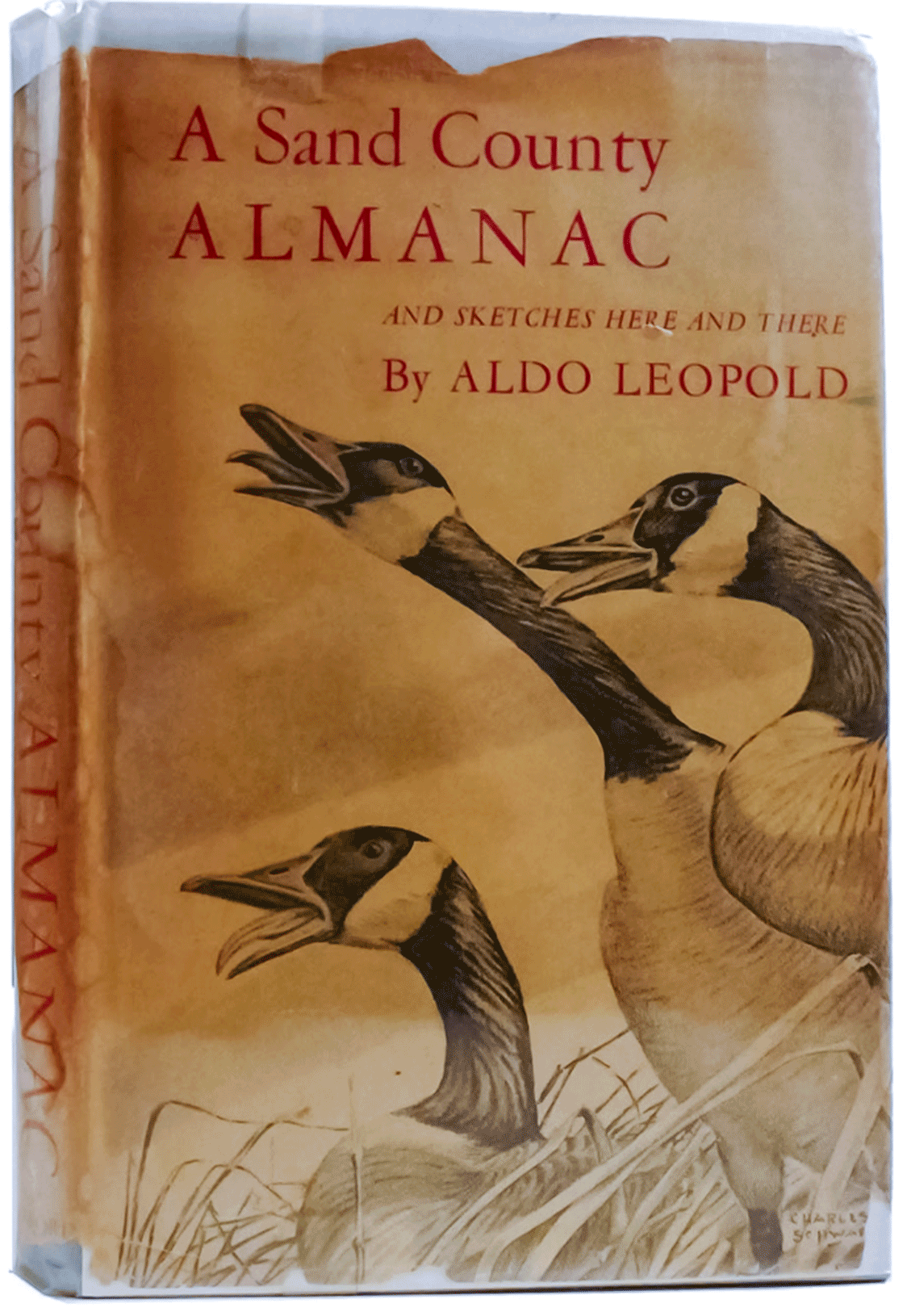
Graham always had a dog-eared copy of Aldo Leopold's Sand County Almanac, and we can follow a chain of events backward from Graham to Aldo Leopold.
Graham's inspiration and mentor was Thane Riney, an American and a prodigy of Starker Leopold (Aldo Leopold's son) at UC Berkeley and of Sir Frank Fraser Darling.
Riney fine-tuned Graham's natural attributes as an observer of ecosystems and oral case histories, as well as his abilities to build "a syndrome of evidence" (what we now call triangulation).
Taking measurements and talking to local people, Graham was one of the first ecologists to document ecosystem thresholds, or today's "tipping points" (Child, 1968; Parris & Child, 1973).
Throughout his career, Graham understood the importance of whole ecosystems, starting from soils and grass, as well as adaptive management, as he assembled park agencies in Botswana, Zimbabwe, and Saudi Arabia.
Riney was "a breath of fresh air" who challenged orthodoxy, a characteristic shared by Graham, who could sum up the nub of the situation and initiate bold change.
With positions in the Museum and Game Department, Graham was involved in much of the early experimentation on game ranching in Zimbabwe.
In the meantime, Riney came to head the United Nations Food and Agricultural Organization's (FAO) African Special Project, a continent-wide effort to conserve wildlife and develop a wildlife industry in Africa in the 1960s.
Riney recruited Graham to survey and develop Chobe National Park, and later to work with Alec Campbell, a dedicated anthropologist, archaeologist, and naturalist, to establish Botswana's Department of Wildlife, National Parks and Tourism.
With his good friend Alec Campbell, he recognized the importance of local people when developing Moremi Game Reserve and the Central Kalahari Game Reserve.
To quote: "A tremendously interesting and quite admirable scheme is now afoot to make this area available as a reserved home for Bushmen who do not wish to live in contact with the food-growing economy of the Bechuana Bantu peoples and prefer to live their own lives. The Bushmen, it is hoped, will be able to live their own lives as hunter-gatherers without interference or encroachment". (Wild, 1968)
Graham would spend months in the field, accompanied only by his Bushmen trackers and local assistants, researching animals, measuring vegetation, and collecting oral histories, returning only when he finished his two drums of fuel and drum of water-he allowed himself one cup of water per day for "hygienic purposes".
On a field trip deep in the Kalahari, Graham and his Bushman trackers apprehended an elderly man trapping springbok on the edge of a saltpan - what many might call "poaching".
My father applied his usual interrogation techniques - copious cups of tea.
The old man berated Graham for interfering in his age-old lifestyle and scoffed when Graham pointed out conscientiously that wildlife money enabled the government to provide schools and water in the regional town, many days' walk away and of no benefit to him or his children.
This was a transformative moment in Graham's life.
He was struck by the absurdity of the system - that this man, practicing his age-old livelihood, was considered a criminal in the eyes of the law, and that the benefits of wildlife accrued largely to urban areas.
At a young age, Graham had considerable influence on wildlife policy.
From about 1967, he became vice chair of the highly influential Standing Committee for Nature Conservation, Wildlife Utilization and Management (MUNC) of the Southern African Regional Commission for the Conservation and Utilization of the Soil (SARCCUS).
By 1971, aged 34, he was recruited as director of the parks and wildlife agency in Zimbabwe, which was flailing after poor leadership.
Meeting for a week each year at MUNC, Graham and a pioneering coalition of wildlife directors and scientists recognized that received wisdom and inherited policies were detrimental to wildlife.
Wildlife had ecological advantages in southern Africa's semi-arid ranchlands, but it would have to pay its way to survive. Consequently, these men introduced radical new legislation in much of the region, devolving ownership of wildlife to farmers and, later, communities, and creating a sea change in wildlife conservation (Suich & Child, 2009).
Graham often reminisced about his partnership with Bernabie de la Bat, the first director of Namibia's Department of Nature Conservation (and colleagues like Ted Riley, who continues to do so much for conservation in Swaziland), and it is no coincidence that Zimbabwe and Namibia took the early lead in changing the way wildlife conservation is done in southern Africa.
In 1971, Graham was appointed to head the Department of National Parks and Wildlife Management. He recognized the power of devolved management before its time and, under his leadership, Zimbabwe became a global example of effective protected area management.
Empowered field wardens held each other to high standards, building a world-class protected area system and tourism industry with limited resources, including decent housing and schooling for all 2 500 employees.
Mike Bromwich collected and published snippets of the extraordinary lives and adventures of these hardworking, dedicated, and sometimes wild men (Bromwich, 2014).
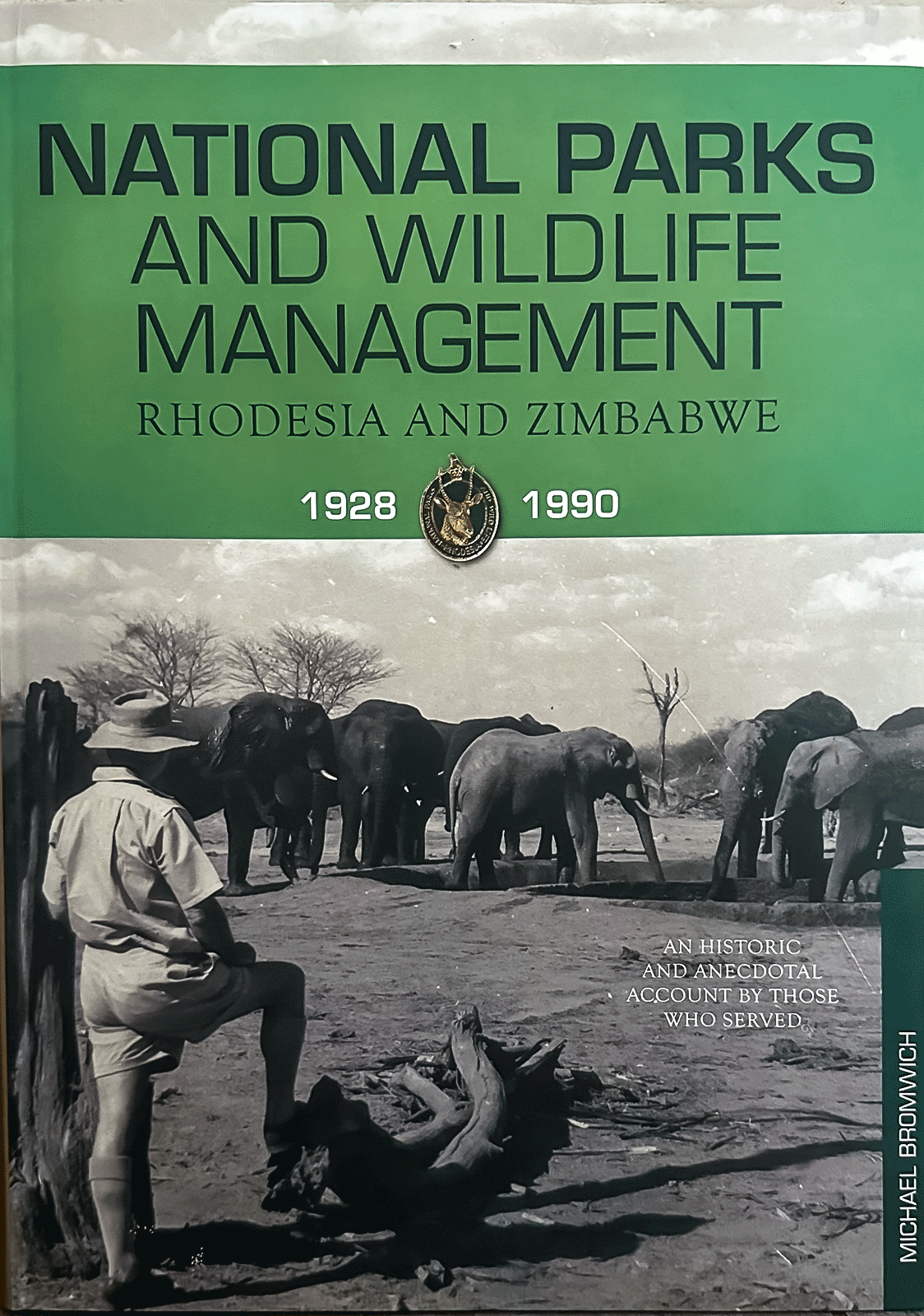
Growing up in a country passionate about soil erosion and healthy environments, Graham introduced a holistic approach to ecosystem conservation. He believed effective conservation is the outcome of "ecological sustainability, economic viability, and socio-political acceptability".
Thus, he warned of threats to the biological integrity of Chobe National Park from excess numbers of elephants in the 1960s, but he also saw parks as an engine for sustainable economic development (Child, 1968).
He took ecosystem health so seriously that he ordered the culling of over 30 000 elephants to protect habitats.
Graham was acutely aware that wildlife on private land was in trouble, having grown up with local farmers and having researched and practiced game cropping.
In his firm, pragmatic way, he "recognized that most species are best protected by landholders and landholder communities, and the only way to reverse this negative trend was to 'maximize the value of wildlife to the landholder."
With Permanent Secretary Archie Frazer, he rewrote the landmark Parks and Wildlife Act (1975), boldly devolving to private landholders the right to use wildlife as profitably as they saw fit, providing use was, as he always emphasized, humane.
He removed most government controls and all government fees, believing they hindered conservation, and instead placed his faith in local collective action to prevent environmental abuses.
This belief extended to local communities. Well before the transformation to black majority rule, Graham persuaded Parliament to return money from hunting and culling wildlife directly back to communities.
He attended Parliament in his khaki game ranger uniform to drive this unprecedented change in government financial management.
Two principles shine through Dr Graham Child's career: his belief in devolving power to ordinary farmers, communities, park managers, and industry associations to get work done effectively; and his confidence that the future of wildlife lay in making it more, not less, valuable, providing landholders and communities owned it.
Graham played a significant role in building a vibrant civic society for the wildlife sector by empowering associations of wildlife producers, safari operators, professional hunters, anglers, kapenta fishermen, ivory manufacturers, and falconers to take responsibility for their own industries.
He created change by fostering a culture in his department of always finding ways to do things more cheaply and more beneficially for wildlife, farmers, and rural communities, even if it was radically different from the norm, and by doing things "properly".
It is no accident that Zimbabwe pioneered private and community wildlife conservation, with the Communal Areas Management Program for Indigenous Resources (CAMPFIRE) becoming a globally iconic template in the early 1990s.
Graham was visionary, but he was effective because he was a strategic administrator, converting the emerging philosophies he promoted into succinct policy documents to guide the management of parks, crocodiles, rhinos, elephants, quelea, the wild bird trade, and others.
These were gradually incorporated into departmental, national, and even regional "culture".
Graham's influence was almost always through a team-based approach and spread well beyond Zimbabwe. As one of two Regional Councilors for the IUCN, he worked to upend what he called "outdated colonial top-down wildlife legislation" (Sharp, 2017).
The World Parks Congresses in Bali (1982) and Caracas (1992) were early catalysts in the transformation towards people-centered conservation. Graham convened major workshops at both congresses, emphasizing that wildlife conservation could no longer be viewed as separate from people, and highlighting the importance of ownership and trade for transforming land back to wildlife.
I still meet high-ranking people today who understand the importance of sustainable use because of Graham's influence at IUCN and CITES during these years.
It is also no coincidence that IUCN's protected area categories, adopted in 1994, resemble those developed in Zimbabwe in 1975.
Graham encouraged people at all levels and of all races to strive for a new way of conserving wildlife, by owning it, making it as profitable as possible, and by ensuring that this profit was returned to the people who lived with the wildlife. His path-breaking ideas are captured in two books.
The first, Managing Protected Areas in the Tropics (1986), which he co-authored, reflects the professionalism he strove for in Zimbabwe's parks agency.
The second, Wildlife & People: The Zimbabwean Success (1995), even today, remains both pragmatic and conceptually visionary, encapsulating Graham's paradigm-shifting contribution to wildlife conservation in southern Africa.
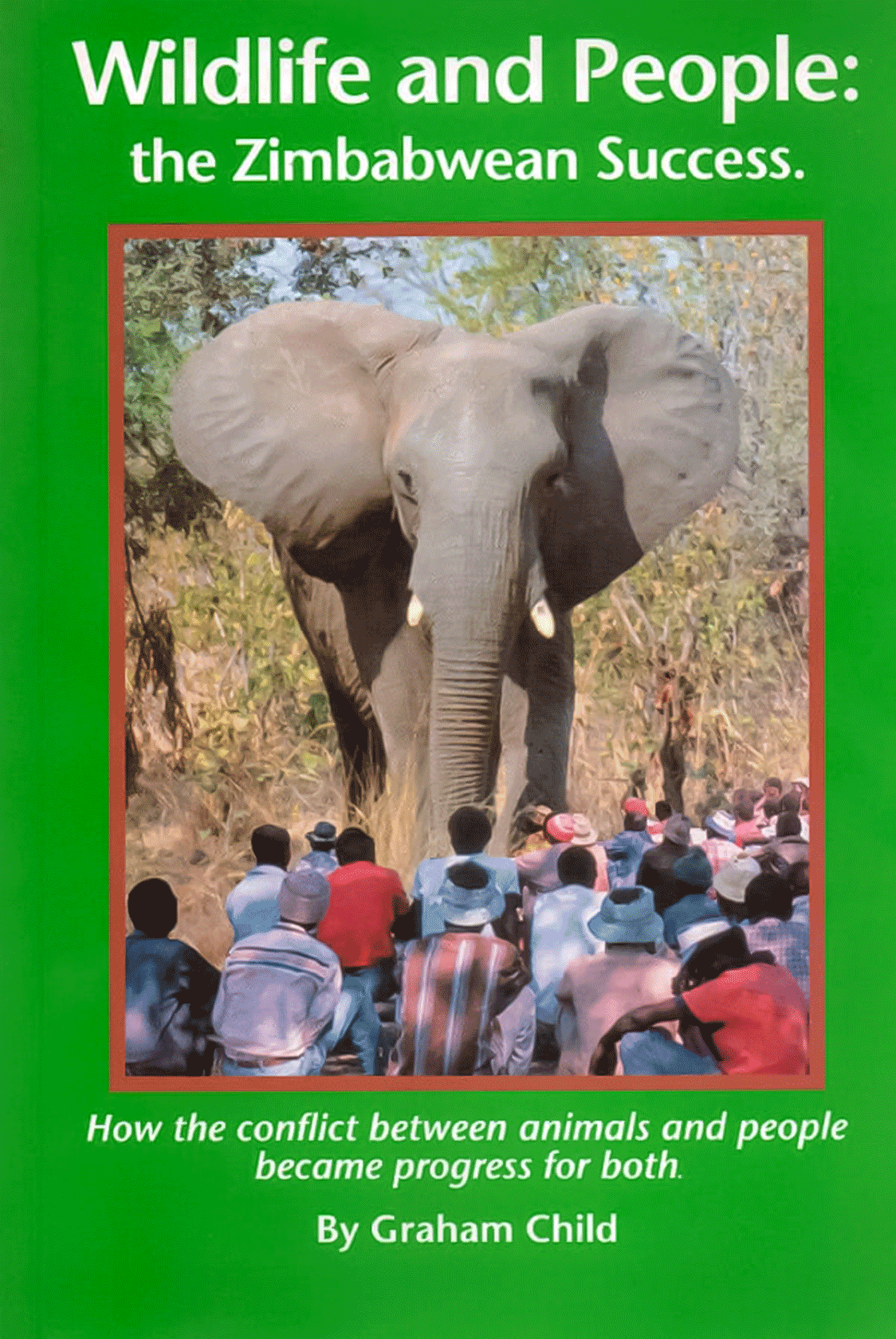
Graham was no armchair philosopher, writing wistfully about how conservation should be done. He was always in the field, observing ecosystems, talking with rural people, and turning pragmatic knowledge into policy and administrative practices.
Where conservation is etched with gloom, perhaps the true dismal science, Graham's pragmatism was combined with a determination and enthusiasm to demonstrate that, if done properly, the loss of wildlife could be reversed on a massive scale.
His approach was grounded, conceptually informed, and used new institutions to empower the people who live with wildlife to benefit from and conserve it.
To quote from an obituary written by Robin Sharpe:
A colleague recalls, "I arrived in Zambia in 1969 when Graham was working with Thane Riney, Graham Caughley and Anton de Vos and others who were promoting some of those early projects to make conservation work for local people.
Conservationists are still struggling to achieve that. I sometimes think that the concepts, approaches, etc. at that time were ahead of where we are today.
At that time, conservationists spent their time in the field and had first-hand experience of the people and environments in which they were working. Today's conservationists spend their time at conferences and live in a grossly simplified world". (Sharp, 2017)
Prof. Brian Child is an associate professor in the Department of Geography and the Center for African Studies at the University of Florida, and the director of the Life Through Wildlife Project. His book, “Sustainable Governance of Wildlife and Community-Based Natural Resource Management”, is available on Amazon.