Protection Through Decree: A Flaw in Roosevelt’s Thinking?
By Prof Brian Child
Key Takeaways
- We killed almost everything first. Market hunters cut bison from 60 million to a few hundred and slaughtered 25,000 passenger pigeons a day. Modern conservation was built on the wreckage.
- The men who saved wildlife misread why it was dying. Roosevelt blamed greedy commercial hunters, not the open-access free-for-all that made the killing pay and banned commercial use outright. It worked in America and gutted the markets and commons everywhere else.
- Four ideas came out of that fight and still run conservation today: state parks, no commercial use, all-powerful agencies, and wildlife as a public trust. The world copied all of it.
- Parks are not the money pits everyone thinks. US parks drew 273 million visits and $14.6 billion in spending in 2013 yet carry a $11 billion maintenance backlog. Value and funding do not move together.
- The model fails wherever no one holds it accountable. State-run parks now sit chronically broke, especially in Africa. They should be run as rural economic engines, governed differently from the parks themselves.
The destruction of wildlife on the frontier of the Industrial Revolution
The European Industrial Revolution, and European colonization of Africa and the Americas, radically altered the balance between wildlife and people. In the absence of rules to restrict offtake, market hunters decimated North American wildlife.
American Bison were reduced from an estimated 30 to 60 million to a few hundred remnant animals in the five decades leading up to 1900.
Explosives were used to harvest egret feathers in the swamps of Florida, and hunters killed 25,000 passenger pigeons a day in Michigan alone (Brinkley, 2009).
This has an economic explanation. Hunting wildlife became profitable, as new technologies (e.g. rifles) lowered the cost of harvesting, and railroads and urbanization opened up new and lucrative markets.
Africa, too, lost some 2 million game animals during the frontier period. Ivory hunting decimated elephant numbers in southern Africa, although, in retrospect, the greatest threat to wildlife was the expansion of farming.
Modern examples of frontier (or open-access) economies include many fisheries, and the illegal trade or poaching of timber, bushmeat, high-value elephants, rhinos, and seafood where the rights of, or capacity for, exclusion have broken down.
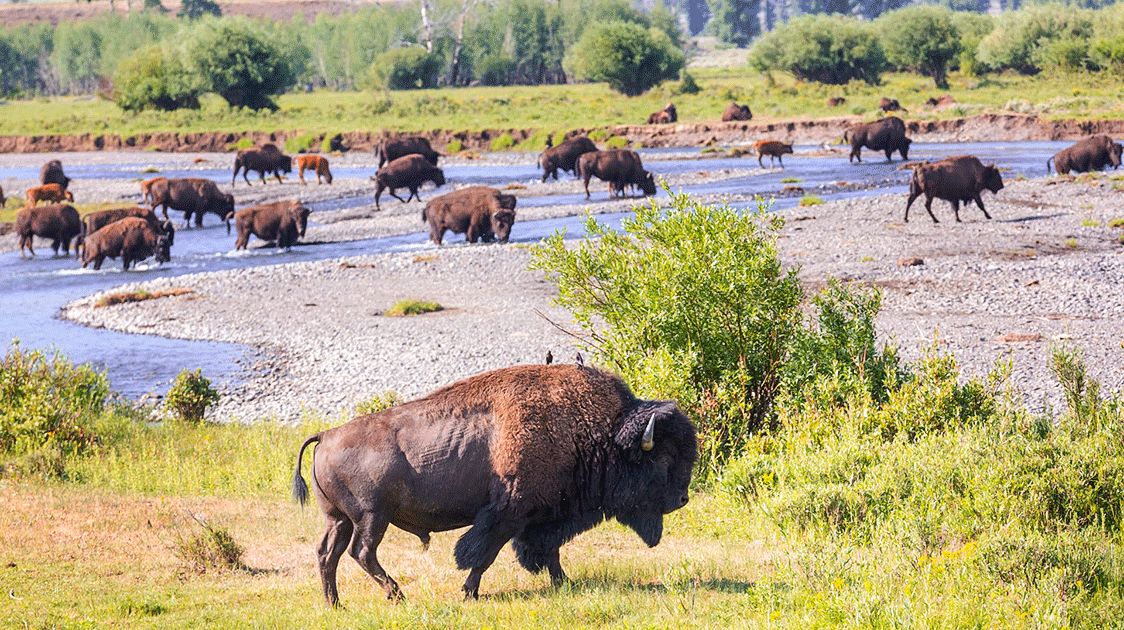
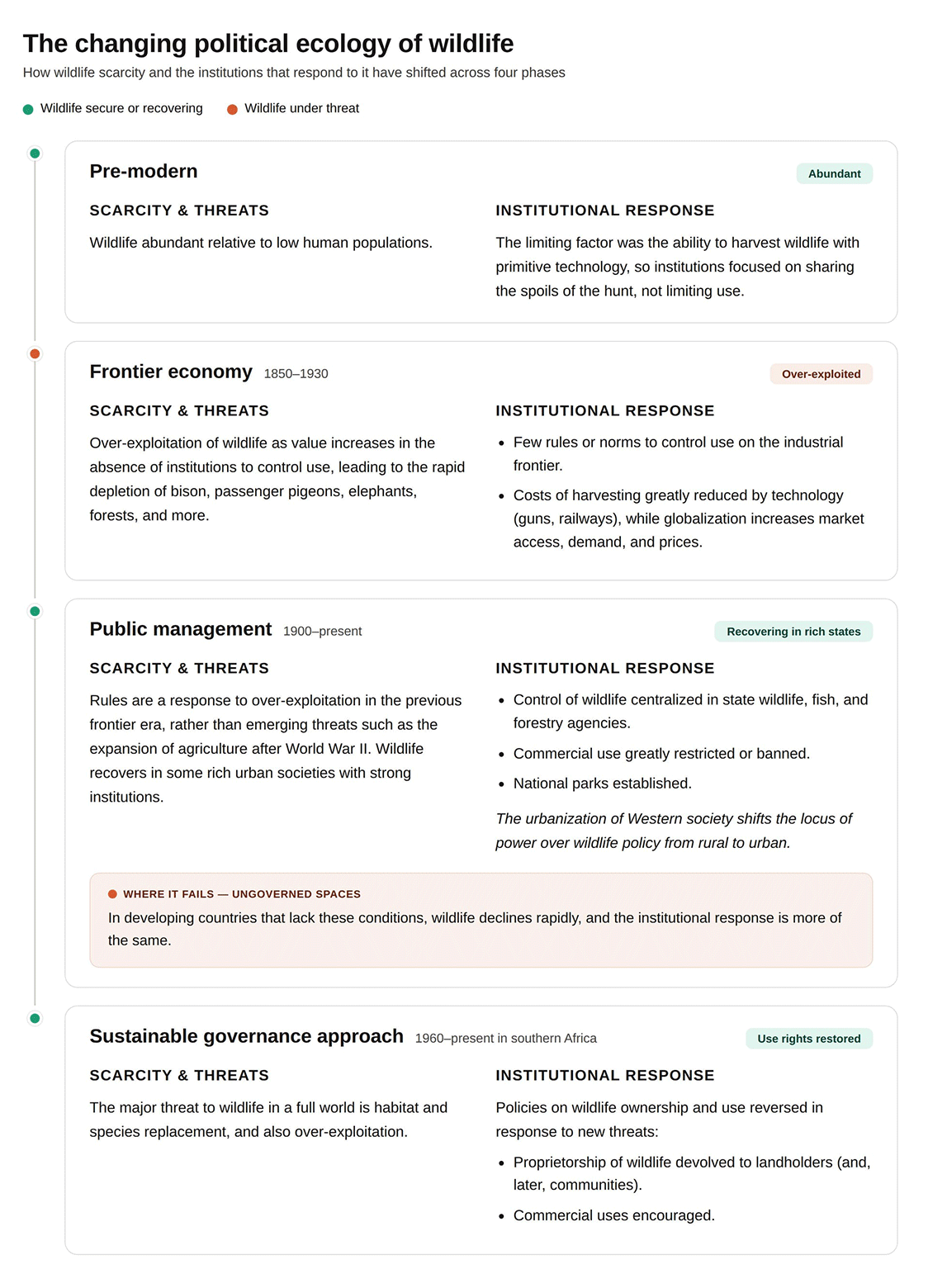
Modern wildlife policy is a response to the excesses of the “frontier economy,” defined as open-access property regimes where the profits from utilizing wildlife are high, in the absence of rules for limiting use.
Profiteering from wildlife in a frontier economy is often conflated with the privatization of wildlife. This is a significant misinterpretation because privatizing the harvesting of wild animals with no constraints is very different from managing a resource privately.
The extirpation of wildlife is vivid and bloody, but the lessons also apply to forests, rangelands, and fisheries, which are affected by similar economic processes and governance responses.
The institutions that govern wildlife and wildlands today emerged to counter the over-exploitation of wild resources on the European colonial frontier in the late 19th century.
They radically altered the relationship between people and wildlife for the next 100 years, and institutionalized three norms that permeate conservation to this day:
1. The establishment of state-protected areas.
2. The prohibition of the commercial use of wildlife, including bans and restrictions on trade.
3. Public management and “ownership” of wildlife through powerful central forest, fish, and wildlife agencies.
In this discussion of the origins of modern wildlife conservation philosophy, I have included national parks because they have dominated how we think about conservation.
However, our primary concern is the governance of wildlife and wild resources outside parks and the mismatch between the public persona of wildlife and the economic realities of land set aside for production.
The North American Model of Wildlife Conservation
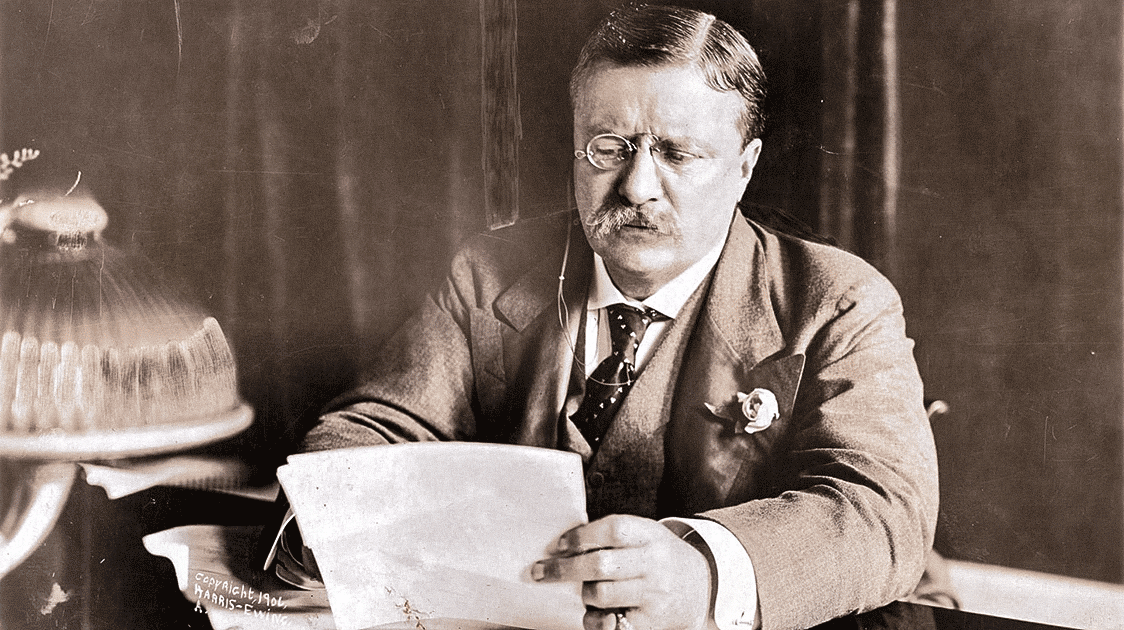
Sportsmen, hunters, and fishermen in North America raised the alarm about the catastrophic loss of wildlife and wildlands on the industrial frontier. With a sense of emergency, farsighted leaders, invariably sportsmen like President Theodore Roosevelt, George Bird Grimmel, and Richard Onslow (Fifth Earl of Onslow, chair of the London Convention), took action.
Roosevelt was a remarkable man who changed the course of global conservation, becoming the most active US president in American conservation history (Krausman & Mahoney, 2015).
Roosevelt alone set aside over 30 million acres of protected areas and established bureaucratic agencies to manage and control forests, fish, and wildlife - the US Departments of Forestry and of National Parks, together with state fish and wildlife agencies.
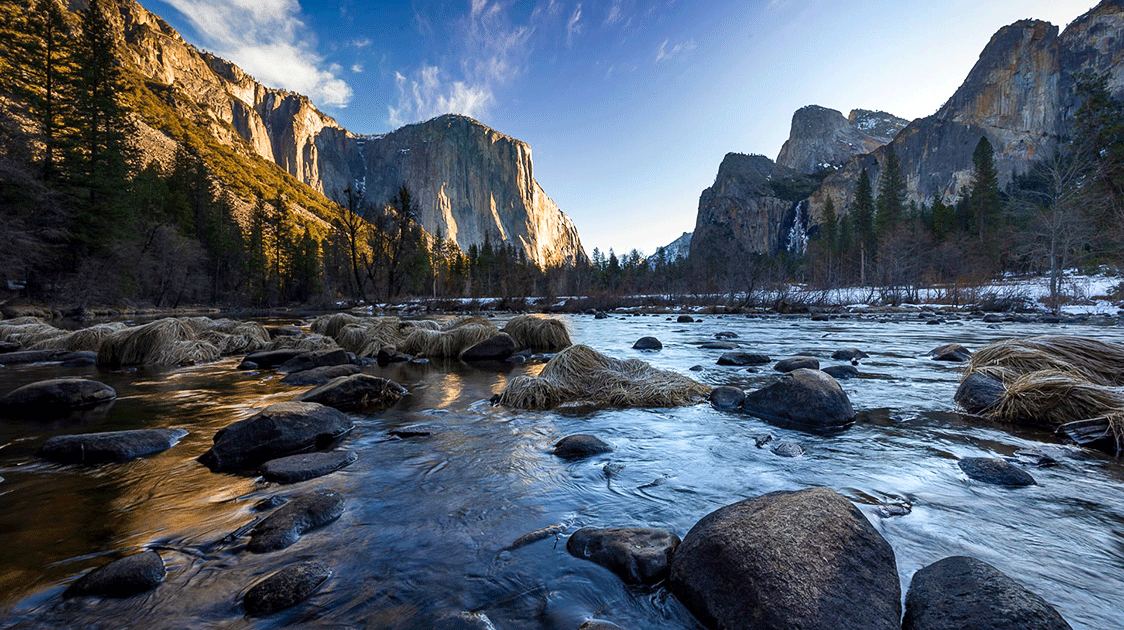
As an avid hunter who travelled to all corners of the country, Roosevelt was keenly aware of the rapid demise of wildlands, big game, and other species. In 1887, he called highly influential citizens to his home and formed the Boone and Crockett Club.
Those present included: George Bird Grinnell, an anthropologist and naturalist who edited the highly influential Field and Stream and founded the Audubon Society and the New York Zoological Society; Gifford Pinchot, first head of the United States Forest Service; and Stephen T. Mather, the first director of the National Park Service.
They promoted the concept of protected areas, leading to the powerful United States Forest Service under the highly influential Pinchot in 1901, soon followed by the National Park Service in 1916 under Mather.
Roosevelt blamed market hunting - largely by European poorer and middle classes - rather than open access property regimes, for the demise of bison, passenger pigeons, egrets (for their feathers), and all manner of wildlife (Brinkley, 2009).
This led to the Lacey Act of 1900, which prohibited any commercial use of wildlife.
Roosevelt believed that public access to hunting would bring many benefits to society, and, through his inspiration, wildlife became recognized as a Public Trust Resource.
Although Roosevelt may have diagnosed the symptoms rather than the causes of the problem (as over-exploitation rather than weak property rights), his ban on market hunting and the commercial use of wildlife established a precedent that continues to this day.
Public management was effective, at least in North America, but it dealt a death blow to institutions such as local commons and wildlife markets.
Thus, we have the ingredients of the modern conservation movement: the development of protected areas, the prohibition of the commercial use of wildlife, the management of wildlife by all-powerful state bureaucracies, and the public trust doctrine.
This combination of norms is known as the North American Model of Wildlife Conservation.
The Yellowstone Model for National Parks
Parks often dominate the way we think about wildlife conservation, forgetting that most wildlife lives outside parks.
The stereotypical American protected area is highly preservationist, unconcerned about economics, allows no hunting and permanent settlements within their boundaries, and is managed by the state.
This model was adopted by the International Union for Conservation of Nature (IUCN), which defines six categories of protected areas, of which the first four assume public ownership, while the important Category II protected areas (national parks) prohibit settlement and hunting of wildlife (although killing of fish appears to be quite acceptable).
The global goal is to protect 17% of the planet, and most recent growth towards this target is in Category VI 'sustainable use areas' which include many community areas.
Murphree (2002) expresses concerns that a bio-centric and state-centric view of protected areas has “set up false dichotomies in protected area policy: that protected areas are confined to state management, that they are about non-use rather than use, and that they are about exclusion rather than regulated access.”
In a sophisticated analysis, he suggests that Protected Areas are commons in that they are sites and bundles of collective entitlement for their constituents which require protection through controls on their use.
He goes on to argue that “their essence is collective and controlled access” and that they may be “owned” by a wide range of constituencies, from local communities to nation states.
The assumption of public ownership and management of parks has been challenged only recently, with Grazia Borrini-Feyerabend et al. (2013) proposing four governance regimes - public, private, community, and co-management.
Both Murphree and Borrini-Feyerabend challenge the association between protected areas and the state, and between protected areas and non-use policies.
While agreeing that the objective of parks is to conserve nature, parks can be owned and managed by communities, the private sector, or the state, or by some combination of these.
They are set aside for economic gain (in its broader sense, including unpriced values), provided that the primary land use is conservation, and should provide benefits aligned with the needs of their governing constituencies.
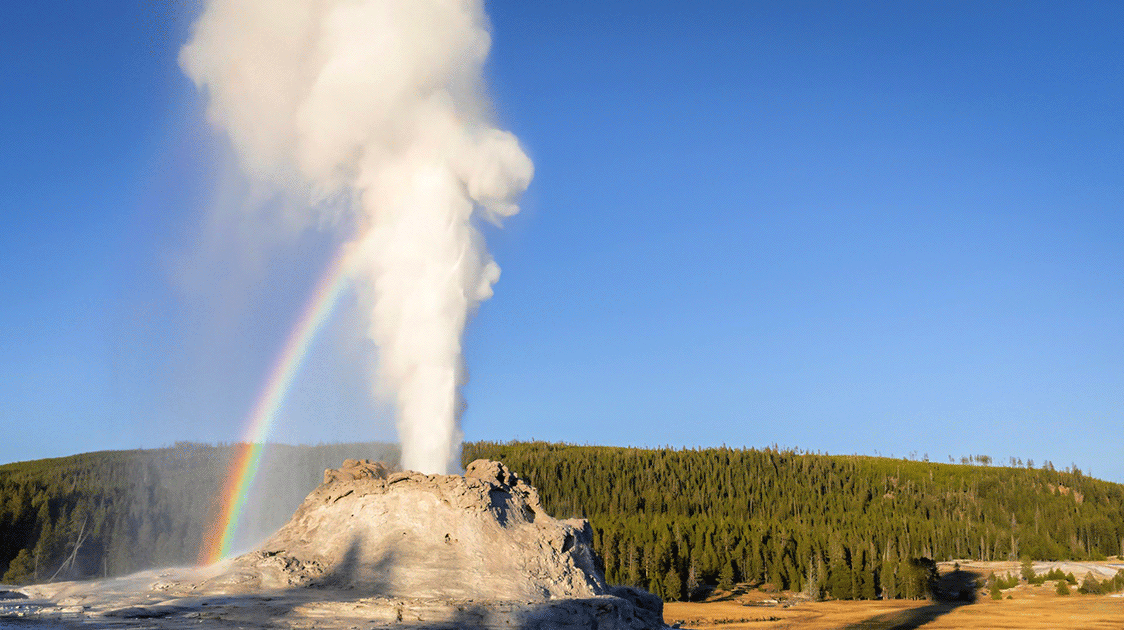
Moreover, it is a misconception that the “Yellowstone Model” is uninterested in economic value. Viewing parks as economic black holes is harmful, especially in developing countries.
Even in the United States, the social and economic values of parks are important.
Parks were established only on “useless land” with low opportunity costs in terms of agriculture or mining (Runte, 1979).
The strong public and political support for US parks originates in the US Park Service's excellence in delivering public value and in ensuring that Americans, and the politicians who represent them, recognize these values.
As Shelhas (2001) argues so lucidly, America's parks were an instrument of economic and public values from the beginning, with the National Park Service seeking to make itself socially relevant and valuable to ordinary middle-class Americans by providing them with high-quality, affordable access.
Even the development of Yellowstone was heavily influenced by commercial interests, with railway magnates exerting political pressures to provide new destinations to fill the trains on America's rapidly expanding railway network (Chase, 1987).
American park managers are keenly aware that public pressure is necessary to encourage politicians to allocate them workable budgets.
Recently, they have begun to make this case economically, using methods developed by the late Daniel Stynes (2005), to suggest that parks are a high-value use of land in terms of public access, jobs, and economic impact, especially in rural areas.
Thus:
- In 2013, the National Park System (NPS) received over 273 million recreation visits. NPS visitors spent $14.6 billion in local gateway regions (defined as communities within 60 miles of a park).
- The contribution of this spending to the national economy was 238 thousand jobs, $9.2 billion in labor income, $15.6 billion in value added, and $26.5 billion in output.
- The lodging sector saw the highest direct contributions with 38 thousand jobs and $4.4 billion in output directly contributed to local gateway economies nationally.
- The sector with the next-greatest direct contributions was restaurants and bars, with 50,000 jobs and $2.9 billion in output directly contributing to local gateway economies nationally. (Thomas et al., 2014)
Despite this, US Parks are facing a current maintenance backlog of $11 billion, suggesting that the link between citizen value and public funding is fallible (Gee, 2018).
Interestingly, biodiversity conservation is a latecomer in the wide set of values provided by parks, with the first park explicitly set aside for what we now call biodiversity in the United States, namely the Florida Everglades, as recently as 1947.
Americans today are comfortable with the public ownership and management of parks, but also with outsourcing management and commercial functions.
The Yellowstone Model has been exported globally, very often in a form that is more purist than Yellowstone itself.
Where mechanisms of economic and social accountability are weak, however, the colonial model of state-run park systems is under-performing. Parks are invariably underfunded, with disappointing results for biodiversity conservation, economic impact, and community well-being.
Parks can create significant economic value but are mostly badly underfunded. I have tested this claim for several years with graduate students in my parks class.
Invariably, case studies of private, community, and public parks in all continents show that parks provide substantial economic benefits in terms of ecosystem services, biodiversity, and tourism income and multipliers, yet, almost without exception, parks are under-financed relative to these values.
This suggests that there is little understanding of the high economic return on investment in parks, or of the difference between financial and economic performance.
In much of Africa, for instance, parks are perceived as catering largely to rich, white foreigners and the tourism businesses that service them.
Consequently, there is inadequate investment in park infrastructure and protection, putting at risk the substantial economy that depends on parks.
Using data from South Luangwa in Zambia, the upside-down pyramid in Figure 9.7 shows that a small investment in funding parks (i.e., the apex of the pyramid) supports a much larger economic pyramid, while livelihoods near the park gate are twice as good as in counterfactual communities farther away.
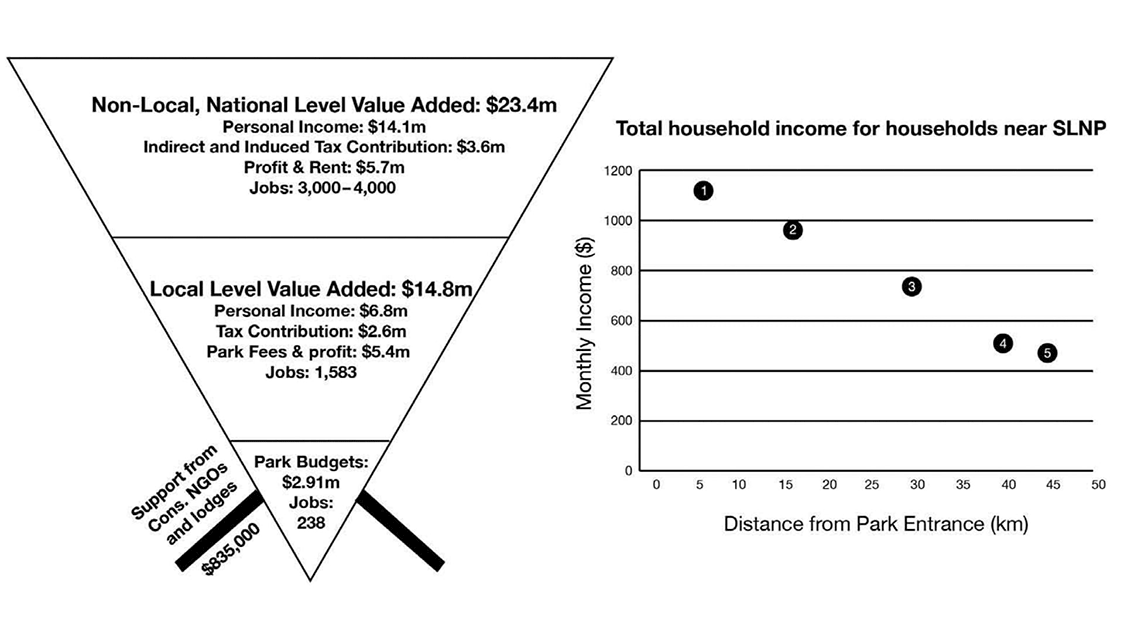
These data show that many parks can and should be managed as 'rural economic engines', with the deliberate intention of providing jobs and developing the community around them (Child, 2004). Unfortunately, the economic structure of parks is poorly understood by policymakers.
They perceive parks as cash cows and rake in fees, neglecting the reinvestment necessary for park protection, management, and infrastructure. This has large opportunity costs in terms of biodiversity, but equally high costs to the economy, neighboring communities, jobs, and taxes, an argument that we seldom hear.
Parks are a good example of the potential of the wildlife economy, and of the associated economies of scale.
Without expounding too much on protected areas, parks are among the few engines of economic growth available in remote rural areas and provide a beachhead for a bio-experience economy that communities can participate in.
Parks are often closely tied to Community-Based Natural Resource Management (CBNRM) and are the only substantial economic force in remote rural areas.
However, achieving these potentials requires a much more nuanced understanding of park economics, greater investment in competent park management, and an acknowledgement that the governance of wildlife outside parks needs to be very different from the public management of the parks themselves.
Prof Brian Child is an associate professor in the Department of Geography and the Center for African Studies at the University of Florida, and the director of the Life Through Wildlife Project. His book, “Sustainable Governance of Wildlife and Community-Based Natural Resource Management”, is available on Amazon.