A Plan Is Not a Park: What 45 Years of Conservation Planning Have Taught Me

By Dr. Jeremy Anderson
Key Takeaways
- Conservation succeeds or fails after the document is handed over, depending on funding, staff capacity, politics, and the authority to act.
- The most useful plans are written for the agency that actually exists—its people, budgets, constraints, and capacity—not for an imagined institution with unlimited resources.
- A healthy wildlife population can still damage habitats, create conflict with neighbors, or be financially unsustainable; managers must assess the whole ecosystem and its human context.
- Conservation that asks people to bear the costs of wildlife must also deliver clear benefits, decision-making rights, and reliable conflict responses.
- Conditions change—rainfall, fire, wildlife populations, land use, and politics—so plans need clear objectives, useful monitoring, and the flexibility to change course.
I have spent much of my career writing documents that tell people how to manage landscapes. Management plans for parks in Angola, South Africa, and Saudi Arabia. Elephant management frameworks for Greater Limpopo Transfrontier Conservation Area. Hunting regulations, restocking strategies, feral animal control on a Gulf island.
Some of these plans changed what happened on the ground. Others were filed and never reopened.
A plan sets out constraints, decisions and guidelines in advance, often for people who were not present when it was written. Whether those decisions are carried out depends on money, staff and their motivation, politics, weather and the authority to act.
The planner controls very little of this.
After 45 years, the question that interests me most is what happens after we hand over the plan.
Learning from the receiving end
I started my career as a game ranger in Zululand, then worked as a biologist for Zimbabwe’s Department of National Parks and Wildlife Management on game ranching and on elephant and buffalo population management.
My PhD was on nyala ecology, back in Zululand.
After lion management work in Umfolozi, I became director of Pilanesberg National Park in 1980.
Pilanesberg and my mentors and colleagues, such as Dr Ken Tinley, Willem Van Riet, Roger Collinson and Willie Boonzaaier, taught me most of what I know about plans.
The 1978 Van Riet and Tinley design was bold and pioneering and, for the first time, recommended a hunting zone within a park.
Carrying this out meant removing more than 1,000 kilometers of internal farm fencing, about 30 farmhouses and more than 100 smaller buildings, and senior staff living in caravans for several years until accommodation could be built. Also, critically, staff recruitment and development.
Pilanesberg was also an early example of integrating ecological management, wildlife utilization, tourism development and financial planning into a practical system of protected-area management.
Some of the restocking was not without problems.
Free donations of surplus animals left the park with the wrong species balance; initially, parts of the veld were overgrazed, and some animals died in a holding camp that was too small because the perimeter fence was not yet finished.
A serious headache was with Pilanesberg’s neighbors, and it began before I arrived.
In 1979, the Bakgatla agreed to give up grazing rights in the crater in exchange for compensation land, a share of gate revenue and a seat on the park’s board. Those agreements were verbal.
A plan that leaves its obligations to neighbors unwritten is not finished.
I later directed the KaNgwane Parks Board, which combined hunting and culling with tourism and rural development on reserves such as Mthethomusha, on land given by Bongani Nkosi, the local Mphakeni clan chief.
We allocated most culling carcasses to the local community, and when we did this, we had negligible poaching problems.
Developing and managing parks showed me where planners sometimes get it wrong.
Plans often arrive from outside, and many are wishful, written for an implementing agency with twice the budget and half the problems of the people actually on the ground.
Their recommendations might have been ecologically sound but assumed the staff we did not have, income we could not rely on, or cooperation we had no power to secure.
Understanding the whole ecosystem
When Dr. Marc Stalmans and I established International Conservation Services (ICS) in 1992, we intended to develop practical conservation solutions grounded in sound ecology and suited to economic realities and practical implementation.
Over the following decades, conservation management became more complicated as pressure on land and natural resources grew.
Also, with the changes in government, the stewardship of protected areas from an experienced old guard was often “fast-tracked” to new hands, many of whom lacked experience and knowledge.
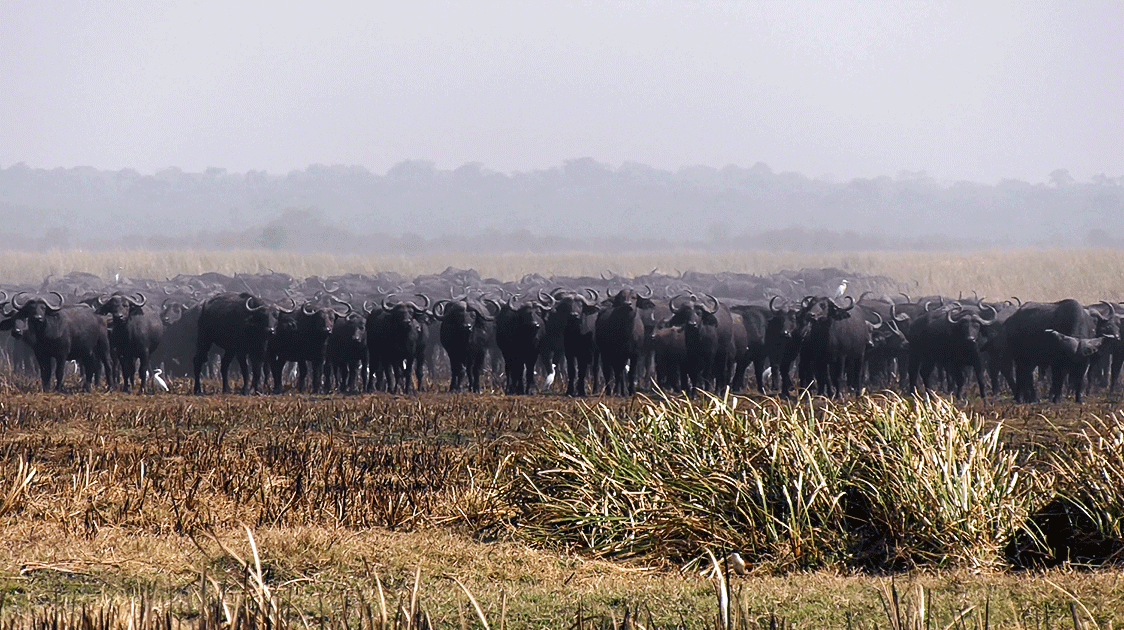
A protected area is not an isolated collection of animals behind a fence. It is an ecological system shaped by landscape, vegetation, soils, rainfall, fire, water, wildlife, and human activity, and each of these keeps changing.
A reserve might support a healthy elephant population while particular vegetation communities suffer substantial damage, and a cascade of detrimental impacts affects other species.
We believe that Ecological Carrying Capacity cannot be ignored.
A successful predator recovery program may increase conflict with neighboring livestock farmers. The reintroduction of an endangered species may succeed biologically and fail financially.
It is therefore important to be clear about what we are trying to conserve: a particular population, an ecosystem, its biodiversity, or the ecological processes that allow a landscape to function or, more recently, as in the case of Madikwe, for job creation and as a revenue stream for a local community.
These objectives are related, but they are not identical in implementation or outcome. Wildlife numbers alone are not an adequate measure of conservation success.
We must consider the condition and functioning of the whole ecosystem and the neighbors.
The challenge of managing elephants
Elephant management illustrates this complexity well.
I was part of a multidisciplinary team that developed an elephant management framework for the Great Limpopo Transfrontier Conservation Area, which spans South Africa, Mozambique and Zimbabwe.
The framework was prepared through stakeholder consultation in each partner country and was endorsed by the three governments.
The fundamental challenge was that elephants move across a landscape divided by international borders, different legal systems and competing land-use priorities.
They shape vegetation and other wildlife, move between seasonal habitats and come into conflict with communities outside protected areas.
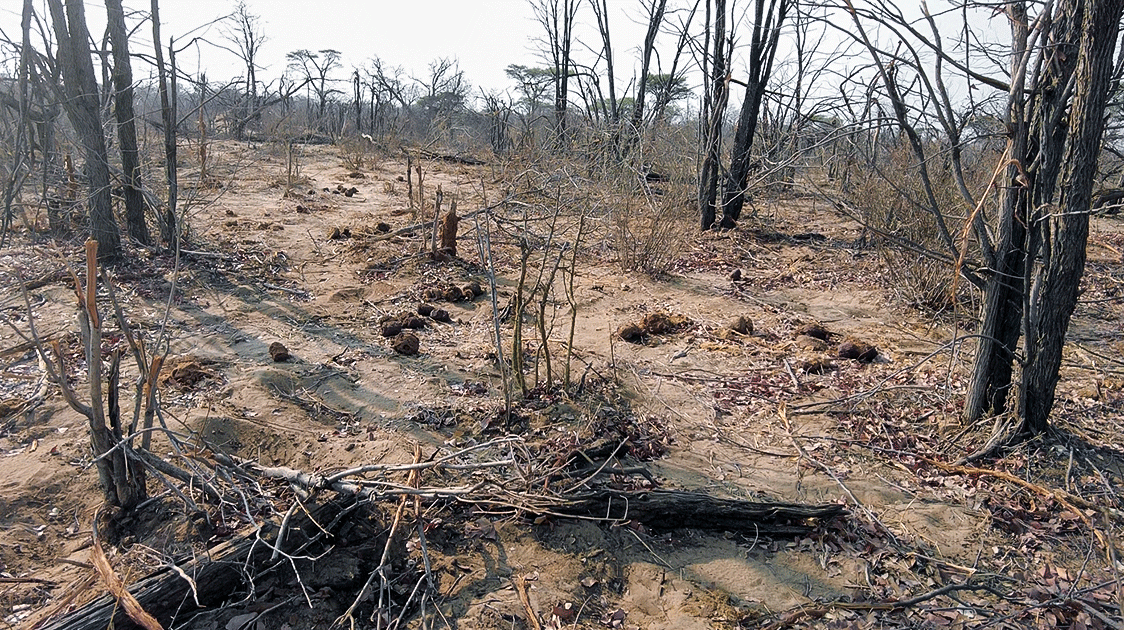
Managers are finding it increasingly difficult to effectively manage a population based only on conditions inside a single national park.
Management must consider population dynamics, habitat condition, dispersal corridors, land use, diseases that can be transferred to domestic livestock, a media generally hostile to population reduction, easily media intimidated politicians and conservation agencies, and the social and economic consequences of elephant movement.
There are seldom simple answers. Some people believe elephant populations should be allowed to increase without interference, as was recently the case in Madikwe.
Others maintain that numbers must be vigorously controlled to protect habitats and biodiversity.
Neither position fits every situation.
The right response depends on ecological objectives, the status and trends in other species' populations, landscape size and condition, fences and dispersal opportunities, veterinary controls, and the people affected.
A framework like this gives managers a basis for difficult decisions grounded in evidence, rather than public pressure or individual preference.
A management plan must be updated regularly and able to change when needed.
One of the most important developments in protected-area management has been Strategic Adaptive Management.
The principle is straightforward: set conservation objectives, monitor ecological conditions, and adjust management based on the results.
A management plan is not a permanent set of instructions. Rainfall patterns change, and vegetation responds to fire and herbivory.
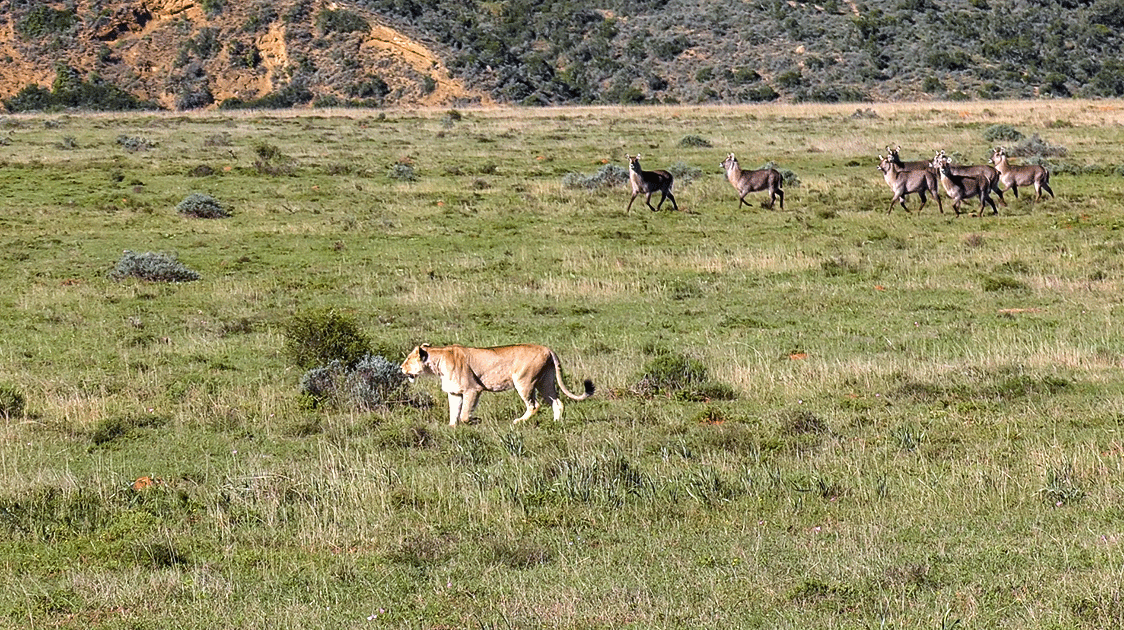
Wildlife populations fluctuate. Human settlements expand, and economic circumstances alter.
Management must be able to respond accordingly.
In practice, this requires clearly defined objectives, monitoring that measures something useful, and staff who can interpret what is collected.
Gathering ecological data that does not influence management decisions often has little value. The real test of a management plan is whether it can be implemented and adapted as circumstances change.
What Gorongosa has taught us
Marc Stalmans was a Belgian forestry engineer, born in Kinshasa, who came to KaNgwane in 1984 and completed a PhD in landscape ecology at Wits.
In 2006, at the invitation of the Gregory Carr Foundation, he went to Gorongosa to assess herbivore carrying capacity for a new fenced sanctuary to help with restocking the park, and in 2012 he joined the park as director of Scientific Services. He remained deeply involved there until his untimely death in August 2025.
By then, Gorongosa held more than 100,000 large animals, roughly ten times the number there were two decades earlier. It now carries the single largest waterbuck population in Africa.
ICS had prepared a restocking strategy for Gorongosa in 2006. Carrying it out required close attention to how the recovering populations interacted with vegetation, predators, disease, and one another, and Marc led this.
Gorongosa had important advantages: a long-term funding partner in the Greg Carr Foundation, a co-management agreement with government, and continuity in its scientific work.
Marc could follow the consequences of decisions and adjust his recommendations as the evidence accumulated. Greg Carr spends much of this time in the park and plays a visionary and pivotal role in creating new concepts for engaging local communities and in providing funding and leveraging aid from other sources.
Staying involved also means accepting that the original plan may need to change, including recommendations you helped write.
That takes a willingness to question your own judgment and to explain why a different approach is needed.
Beyond the moment of rescue
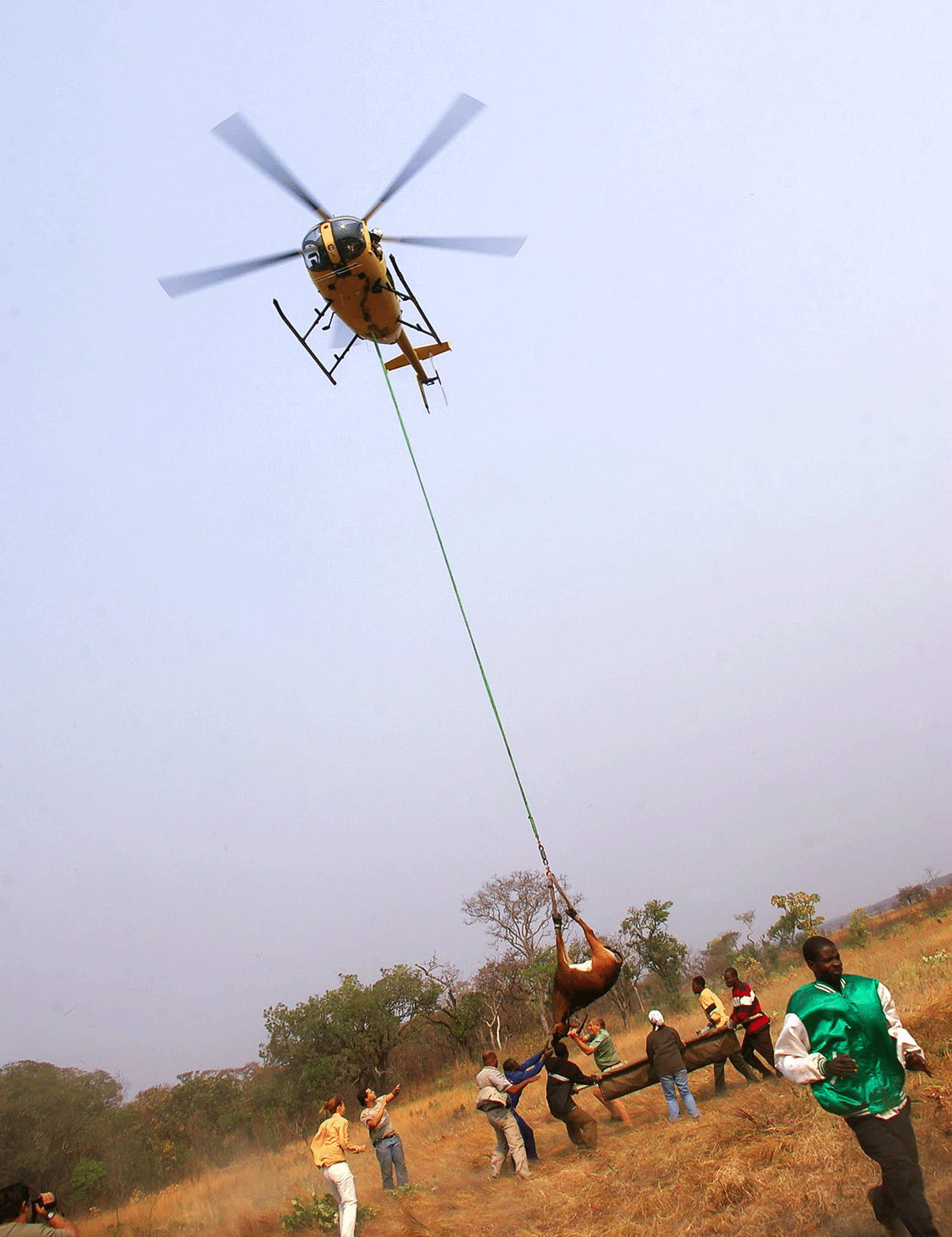
Conservation is often represented by a single intervention: an animal captured, a helicopter lifting off, a species returned to a reserve. The giant sable recovery in Angola’s Cangandala National Park produced one such image.
The giant sable, Hippotragus niger variani, occurs naturally only in Angola and is the country’s national animal. Decades of civil war, uncontrolled hunting, habitat pressure, and the collapse of wildlife protection reduced its numbers dramatically. After the last confirmed sighting in 1982, many feared it was extinct.
I was fortunate to become involved in efforts to locate the giant sable, working with Angolan biologist Dr. Pedro Vaz Pinto and other specialists.
In late 2003, I approached the Bateleurs, a South African volunteer conservation aviation organization, about doing an aerial survey of the sable’s historical range in the Luando Reserve.
The survey took place in 2004 using microlight aircraft, and one aircraft was lost in an early accident. No sable were sighted, but the expedition gathered indirect evidence, including spoor, dung and recent local reports, that contributed to later investigations.
Pedro’s persistence established that the species had survived. Camera traps set in Cangandala produced the first photographic evidence of giant sable there in 2005, after more than two decades without confirmed records.
Over the following 18 months, hundreds of images allowed Pedro to identify 23 individual animals.
The survivors presented an unusual problem.
The females had lost their breeding bull and were mating with roan antelope, producing hybrid offspring. Without intervention, the park's genetically pure population would disappear.
In 2008, wildlife veterinarian Dr. Pete Morkel and I recommended an intensive breeding program in Cangandala: a secure enclosure, capturing the remaining purebred females, and bringing in a sable bull from Luando.
The following year the operation was carried out under Pedro’s leadership, with essential support from the Angolan authorities, the military, donors and an experienced capture team.
After collecting all the adult cows in Cangandala, Pete Morkel located a mature bull in Luando, sedated it, and airlifted it by military helicopter to Cangandala.
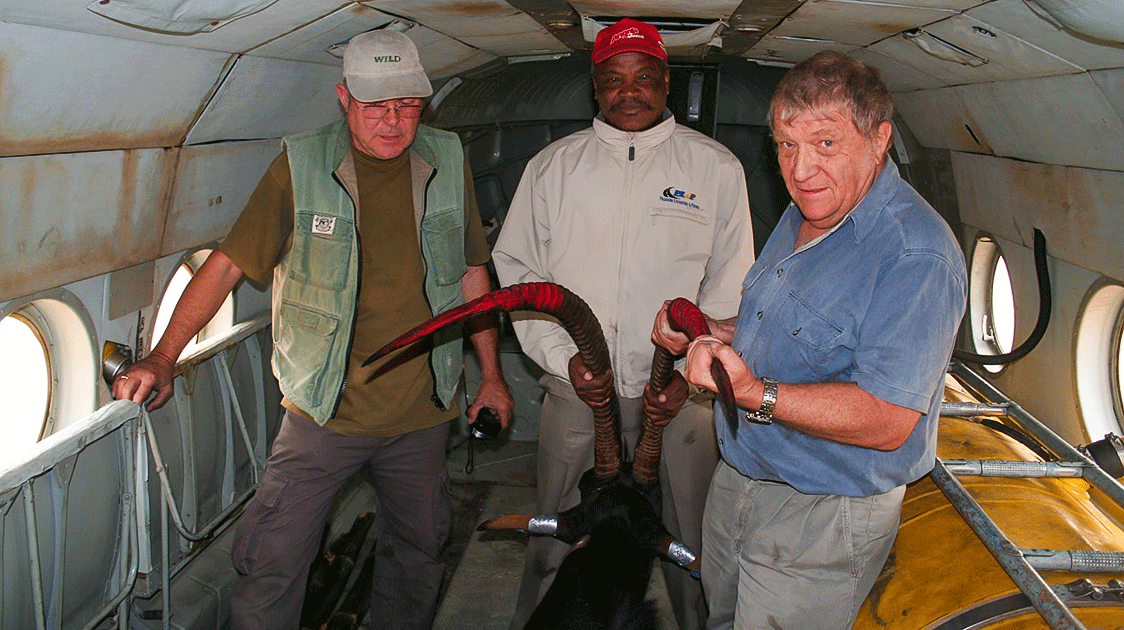
By 2023, the breeding population had grown to more than 100 genetically pure animals, and the wild population in Luando was estimated at more than 200.
The Cangandala sanctuary had been expanded to more than 4,300 hectares.
Moving animals can produce a visible result in a day. Securing their future takes years of protection, habitat management, monitoring, funding and institutional support, much of it out of public view and long after the capture team has left. A recovery plan has to account for both.
Advice on paper and on the ground
Our work has ranged from management planning for Madikwe and Lapalala in South Africa to Cangandala and Quiçama in Angola and restocking and rewilding work in Mozambique.
More recently, our work has included integrated management and tourism planning for the Blyde River Canyon Nature Reserve, where a single planning framework must address complex institutional arrangements, infrastructure needs, conservation objectives, and tourism development opportunities.
Across these places, the same questions recur: who has the authority to act, who controls the budget, and who remains responsible when the project ends?
Transfrontier work makes those questions harder.
Beyond elephant management, we have worked on business planning and tourism frameworks for the Great Limpopo Transfrontier system, and on elephant policy for Greater Mapungubwe across Botswana, South Africa and Zimbabwe.
A framework can identify shared objectives, propose responsibilities and establish procedures. Implementation depends on each government prioritizing and funding those objectives, and that commitment must survive changes in personnel, budgets, and political leadership.
The people a plan depends on
Planning requires the same realism about communities as it does about park agencies. People bring their own priorities, constraints, and expectations to conservation decisions.
In Botswana, we helped develop a Management Orientated Monitoring System and decision-support system for Human-Wildlife Coexistence through which communities could record and respond to human-wildlife conflict.
Recording a problem is only the first step. Someone then has to respond, with the authority and resources to act, and something has to change for the person who reported it.
A plan that asks residents to tolerate wildlife losses, restrictions or danger must also set out what they receive in return, how decisions are made and how grievances are heard.
Consultation can reveal disagreements that need further negotiation, and local support depends on how those disagreements are handled and whether commitments are honored.
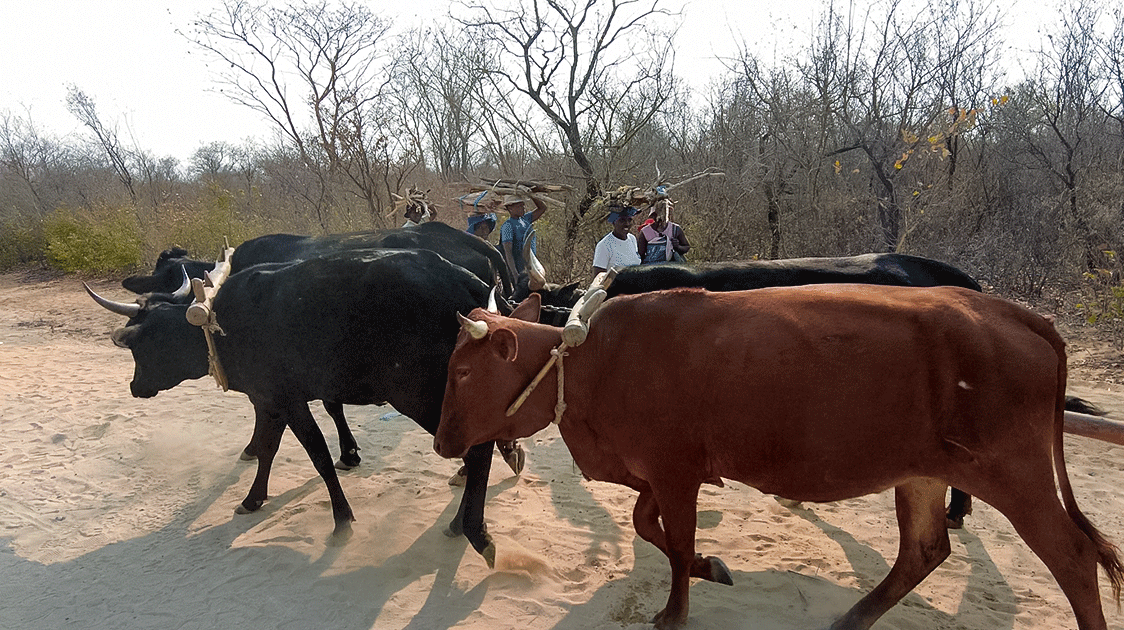
Community participation therefore needs a clear place in everyday management, with responsibilities and communication channels that outlast the planning workshops.
Governance of protected areas has weakened across much of southern Africa. So, where park agencies are failing to maintain standards, we often encourage smart partnerships with the private sector or a conservation-oriented NGO.
Arabia: a different starting point
Arabia now accounts for a substantial share of our work. In Saudi Arabia, our planning has included the Farasan Islands, Uruq Bani Ma’arid in the Empty Quarter, and the Prince Mohammed Bin Salman Royal Reserve. In the United Arab Emirates, it has included Mleiha and Sir Bani Yas Island.
The starting conditions differ from those I first encountered. In much of southern Africa, our work asks how habitats can be restored and how wildlife can generate enough value to keep land from being converted to other uses.
In Saudi Arabia, the state is investing directly in restoring wildlife habitats and populations and building new management systems.
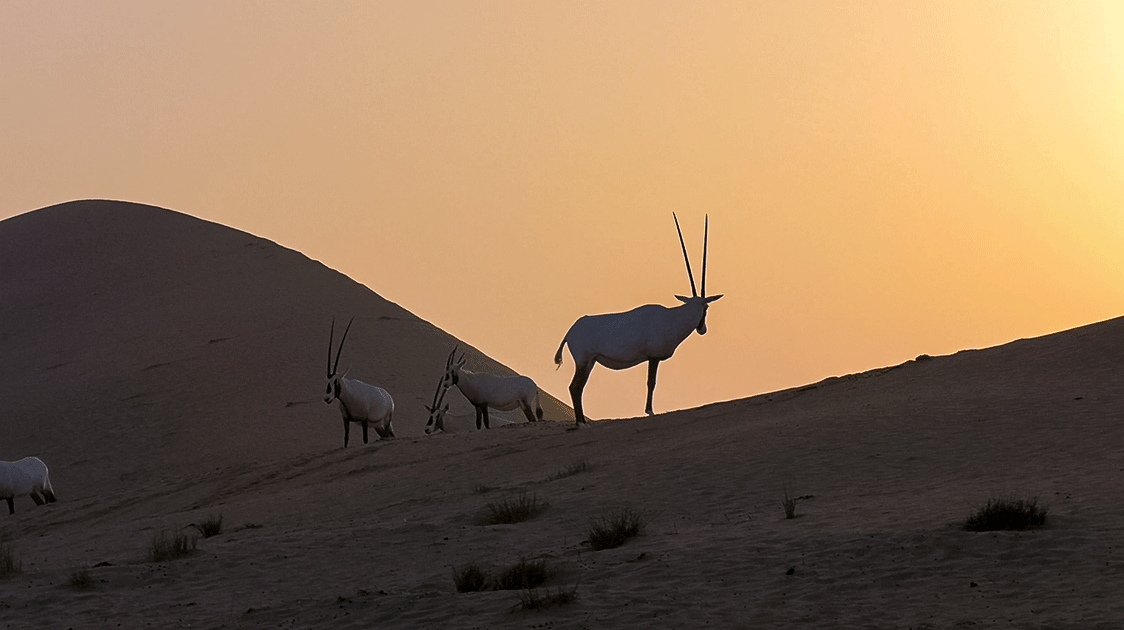
We were asked to revise hunting legislation for the National Center for Wildlife and, between 2022 and 2023, to help develop the concept for what was called the Ghazal Project hunting reserves.
One proposition behind regulated hunting reserves is that they can meet a demand that would otherwise fall on unprotected free-ranging wild populations.
Testing this requires evidence on wildlife numbers, hunting demand, unmanaged off-take, enforcement, reintroductions, and habitat condition, and an understanding of how these interact before attributing any change in wild populations to the reserves.
The plan should set out how it will gather that evidence and how the results will inform later decisions.
The economic impact of hunting
The 1978, the original Pilanesberg plan had allowed for trophy hunting. I put it into practice there and made the economic case.
We doubted that gate fees from day visitors would ever produce substantial income, so we introduced trophy hunting to balance some species populations and earn money straight away.
For 25 years, until it was phased out, income from sustainable hunting exceeded that from gate fees.
Willem Boonzaaier, Roger Collinson, and I built a model to work out which species, and how many of each, would return the most from game sales, hunting, meat production, or tourist viewing.
We stocked close to the calculated carrying capacity at the start so surpluses appeared within a few years, and we kept records of production against use (Carruthers, Koedoe, 2011).
It was one of the first times a protected area carried its wildlife in the books as a financial asset.
The principle has held. Some protected areas and ranches cannot pay their way on photographic tourism alone. For those, live sales and well-managed hunting are often the only income that keeps the land under wildlife.
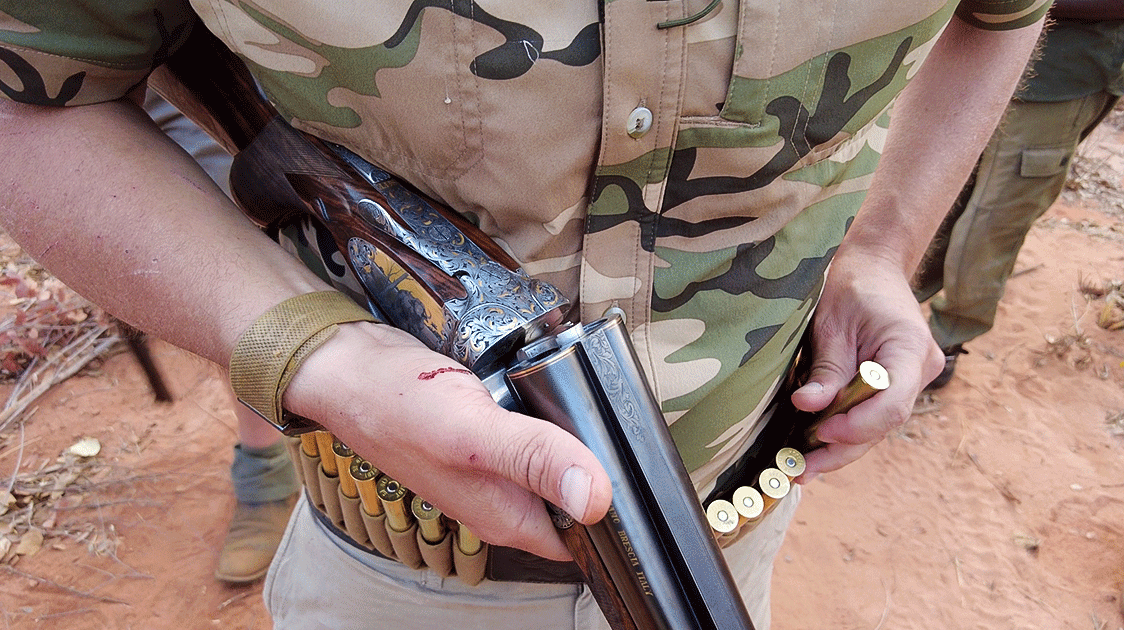
Each case still needs its own assessment: the income hunting generates, the cost of management, what reaches the people living with the animals, and whether quotas are defensible, rules are enforced, and habitat is retained.
For decades, this has been applied successfully on the privately owned Association of Private Nature reserves adjoining the Kruger National Park.
Those are the grounds on which an operation can claim a conservation benefit, and some operations cannot demonstrate enough of it to justify their claims.
Alternatives need the same scrutiny. If hunting is removed, the area still needs a workable way to pay for protection and management.
The useful comparison is between the options actually available for that land, with their costs, risks and consequences made explicit. That is why financial analysis belongs alongside ecological assessment.
What we have changed
If plans fail because nobody remains to carry them out, consultants who write them and leave must examine their own role. The plan must include the capacity to manage an area.
We have changed our work in two ways.
First, we put more weight on the financial basis of management: capital requirements, operating costs, realistic income, and what happens when the assumptions prove wrong.
A useful budget helps managers decide what they can afford, what to prioritize, and what to do if expected funding does not arrive.
Second, for some private estates, we will be able to stay involved over the longer term. That can include setting annual targets, reviewing senior staff, overseeing monitoring and offtake, coordinating management and reporting to owners.
Our influence has limits, but continued involvement brings us closer to the consequences of our recommendations. We can see where implementation stalls, help address the causes and account for the advice we have given.
This work needs a range of skills. Our small team relies on associates in ecology, veterinary work, marine science, ranger training, infrastructure, mapping and conservation finance. Knowing where our own expertise ends is part of producing a useful plan.
Increasingly, our work also requires integrating ecological, institutional, financial, infrastructure and tourism planning rather than treating these as separate exercises. This has become particularly evident in our more recent assignments.
The responsibility after the plan
A younger planner should ask five practical questions from the outset.
- What are the limits of acceptable change?
- Who will carry out the work, and do they have the capacity to do so effectively
- What can they realistically afford?
- Whose cooperation does it require?
- What will be measured?
- Who will decide when the approach must change?
Where the answers are uncertain, the plan should say so and explain how it will address the uncertainty.
Write the plan for the agency that exists, with a clear understanding of its people, resources, and constraints.
Then find a way to stay involved long enough to discover whether you were right.