Dust, Discipline, Discomfort, and the Black Beret

By Nick Roden
In July 2025, I flew to South Africa with a camera bag full of equipment and a fairly straightforward job: document the training of a new anti-poaching team for Pro Track.
The training officially began on 30 July and finished with the passing-out parade on 12 September.
I arrived expecting to spend my time photographing and filming the recruits as they worked their way through the course.
What I hadn't quite appreciated was just how much there would be to experience alongside them.
There were early starts, long days, plenty of sun, a lot of dust, some extremely uncomfortable moments, and more than a few occasions when I questioned whether my idea of a good working environment was perhaps slightly different from everyone else's.
Twenty recruits started the six-week course, designed to find out who had what it takes to become an anti-poaching ranger.
Basic training
The first two weeks are known as basic training and largely establish the foundations.
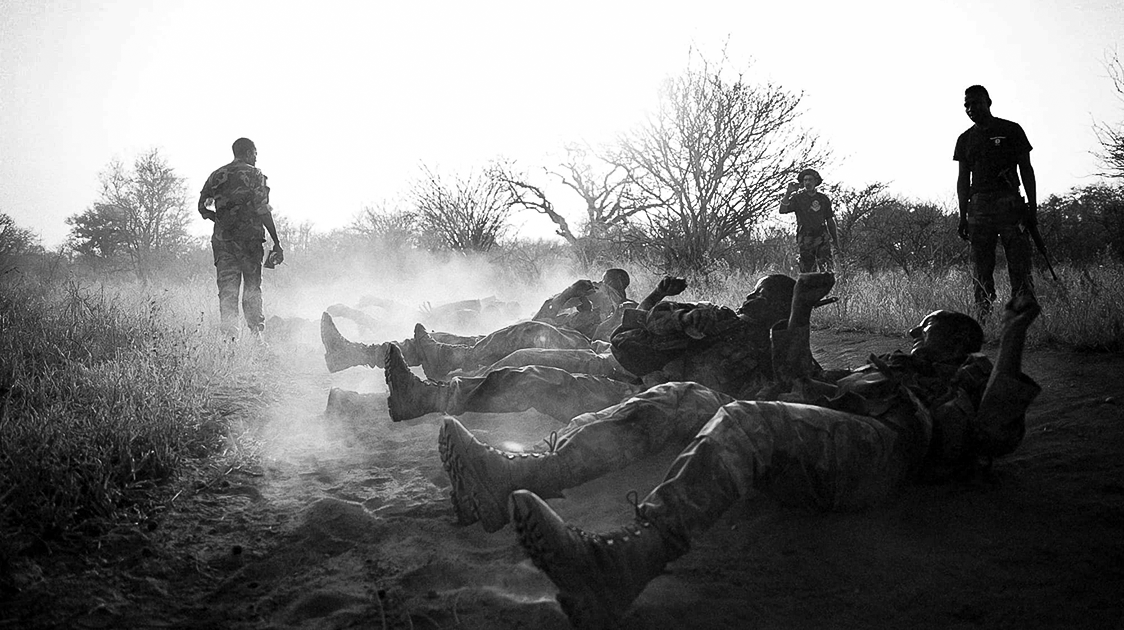
Recruits learn physical fitness, discipline, bush skills, and teamwork, quickly discovering the course is unforgiving.
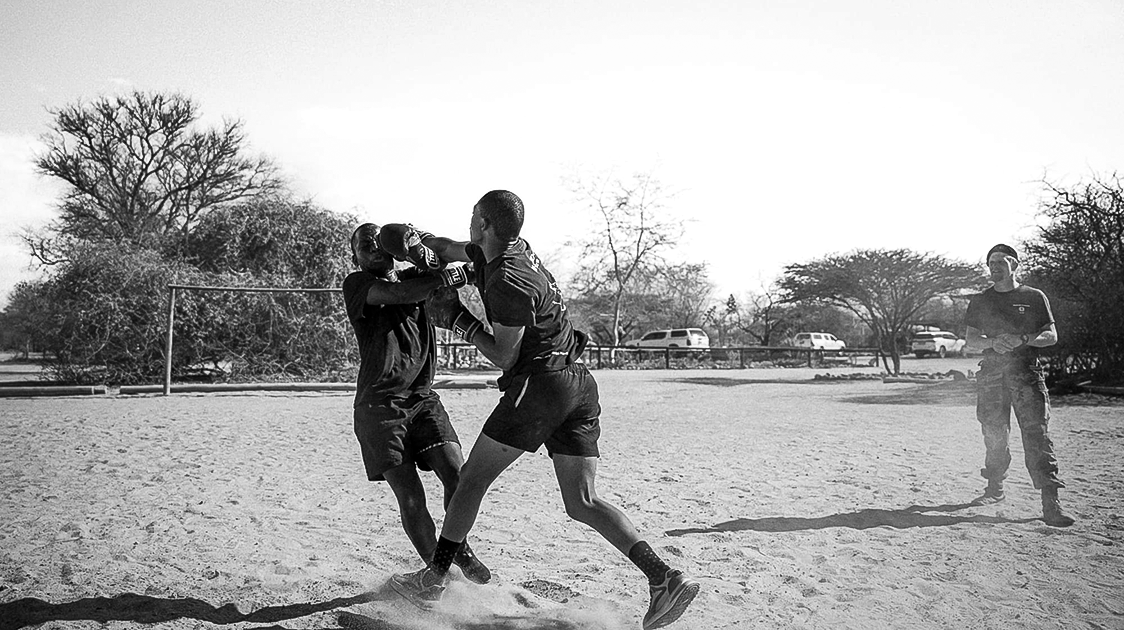
Days start early, and the South African heat makes physical training far less enjoyable than it sounds. For some recruits, the combination of physical exhaustion, discipline, and the reality of what they signed up for proved too much.
This is where most people drop out.
Forcing someone through the training when they aren't suited to the job offers no real benefit, and the course has a fairly effective way of identifying that.
We lost several recruits during the first week.
I left the training camp for a few days to document Pro Track's working rhino anti-poaching teams, and when I returned, another three recruits had dropped out.
The group was already getting smaller, and they hadn't even reached the hardest part yet.
Passing basic training meant moving into the bush phase, where the course aligned more closely with the reality of working as an anti-poaching ranger.
Life in the bush
The next four weeks involved extended periods in reserves, patrols, survival training and learning how to read the environment around them.
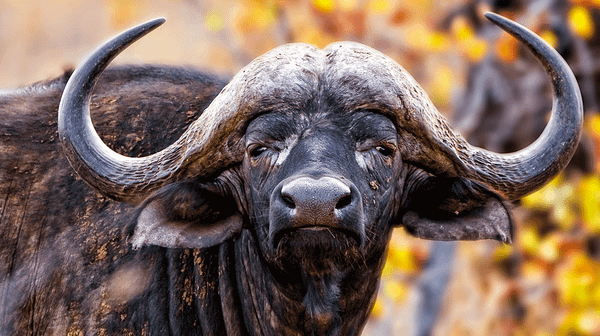
The recruits searched for snares and signs of human activity while operating in areas containing some of Africa's most impressive and potentially dangerous wildlife.
The bush is not a place you can switch off in.
Every track, footprint, broken branch or other sign can mean something, and the recruits had to learn to notice these things while remaining aware of what was happening around them.
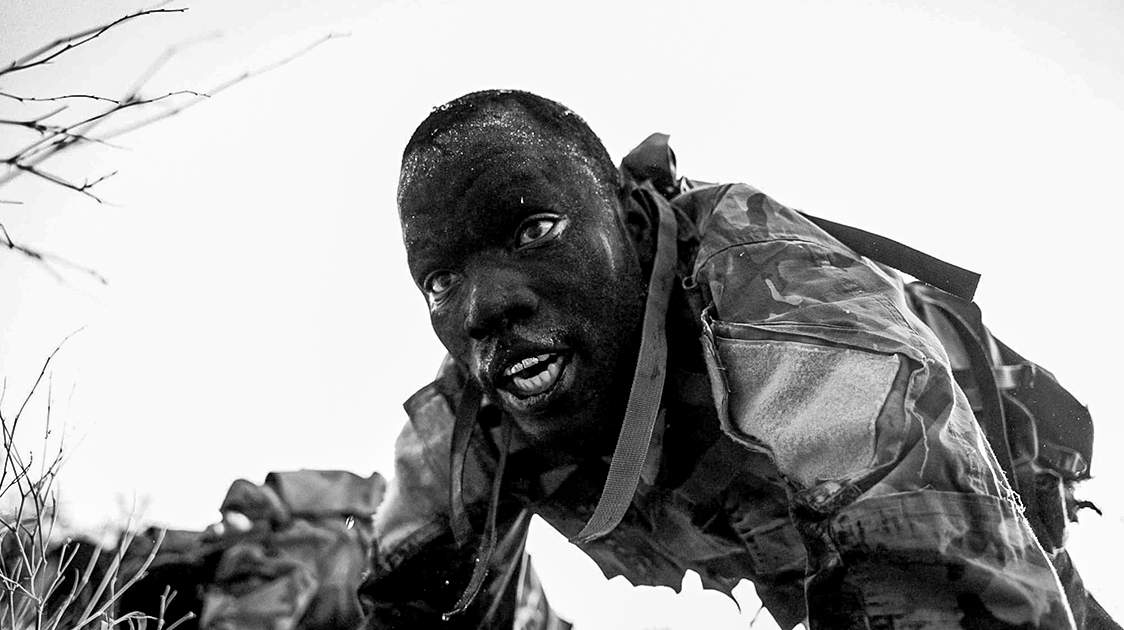
You are effectively trying to solve a puzzle while walking through an environment where several of the inhabitants would be perfectly capable of making a bad day considerably worse.
The physical demands continued alongside this. Food and water were rationed as part of the survival training, and the recruits could spend long periods searching for what they needed before carrying on with the rest of their duties.
Their accommodation became increasingly primitive too, with the huts and toilets of the first two weeks replaced by basic shelters in the bush.
It was deliberately uncomfortable. The idea was not to make life pleasant, but to teach the recruits how to function when it isn't.
As the weeks went on, the recruits adapted.
Distances that had initially looked daunting became part of the routine, the heat became something they simply dealt with, and the physical demands began to look less like obstacles and more like the normal requirements of the job.
That transformation was one of the most interesting things to watch from behind the camera.
What I could and couldn't show
My role throughout the training was to document what I could while staying out of the way.
That sounds straightforward until you realize anti-poaching training contains information that shouldn't be published.
So, there are parts of the training I won't go into.
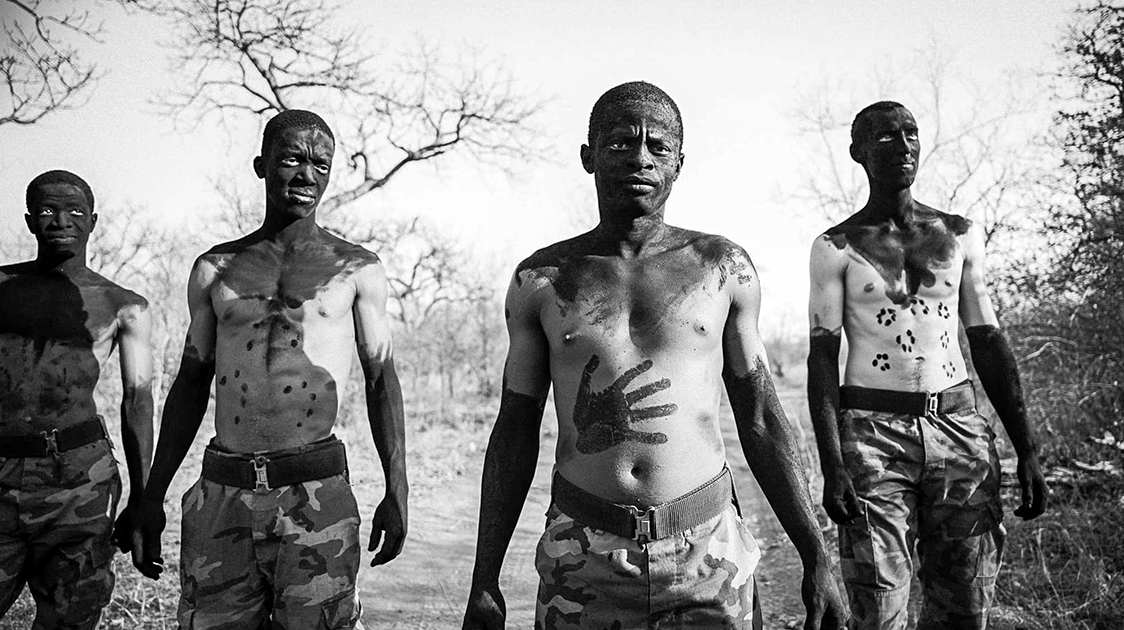
Pro Track keeps certain procedures, tactics, and operational details confidential, and rightly so.
The training is designed to prepare people for real anti-poaching work, not to serve as an instruction manual for anyone interested.
What I did see was a group of recruits being pushed extremely hard.
There were long days in the heat, patrols through Big Five territory, survival exercises, and physical tests that involved running tens of kilometers.
There were also the less glamorous aspects of spending weeks together in difficult conditions.
People get tired, irritable, and occasionally fall out over things that probably wouldn't matter very much under normal circumstances.
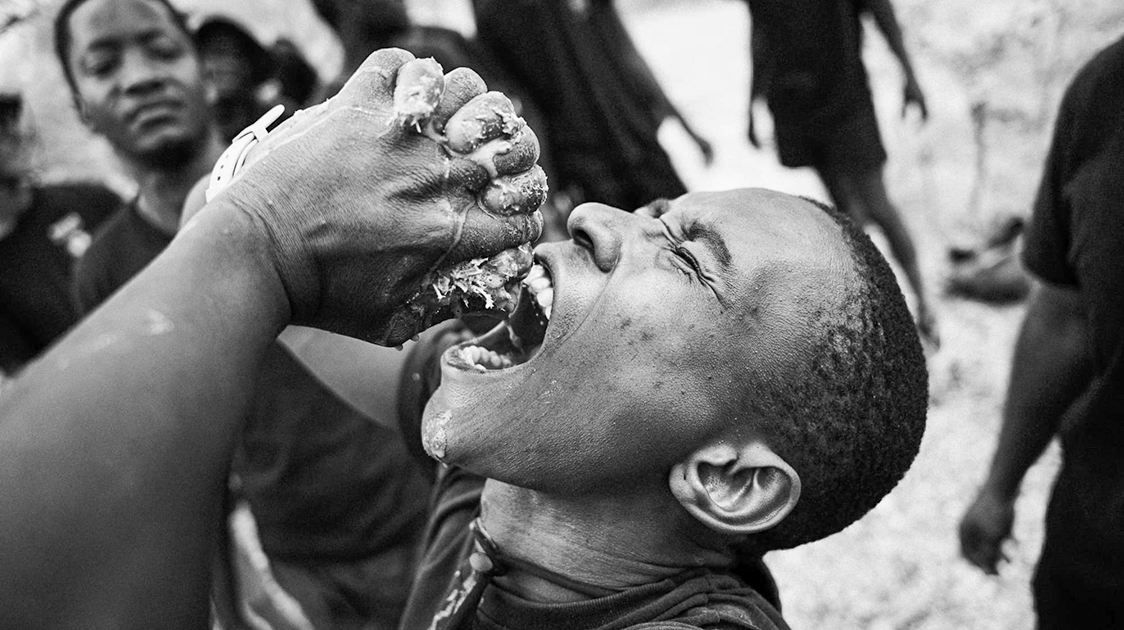
Food and water are particularly good subjects for an argument when both are limited.
But that is also where the teamwork begins to matter.
The recruits came from different backgrounds, including both local and international candidates, and they had to learn to operate as one group despite those differences.
Six weeks of living and working together in primitive conditions had a way of stripping away a lot of the usual barriers between people.
Putting it all together
The final week brought the course's biggest test: a large-scale simulation designed to put everything the recruits had learned into practice.
The exercise simulated the hunt for a poacher across a huge game reserve, with the recruits working alongside real anti-poaching teams.
Multiple teams operated together using vehicles, dogs and aircraft, turning the exercise into something much closer to a genuine operation than the controlled exercises they had experienced earlier in the course.
This was where everything had to come together.
Physical fitness, tracking, bush skills, discipline, teamwork, and the ability to operate under pressure all had to be applied at once.
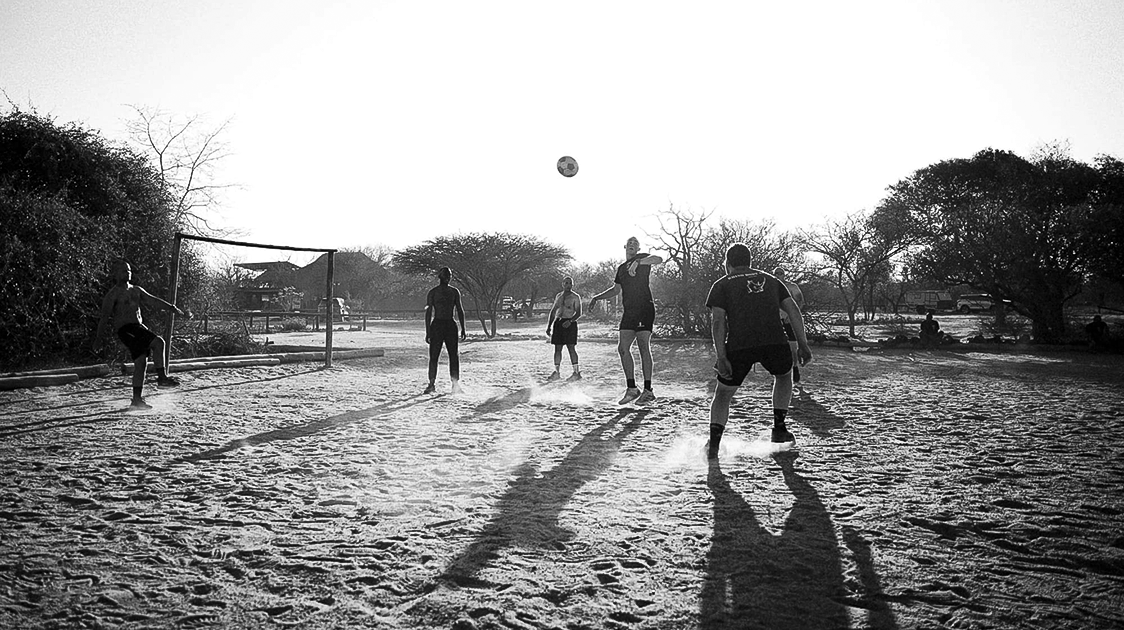
After six weeks of training and testing, the recruits had to demonstrate they could use those skills in an operational environment.
From my perspective, it was particularly interesting because I had watched the recruits develop over the previous weeks.
I had seen people leave, watched others struggle, and seen the remaining group gradually become more comfortable in the bush. By this stage, they looked like a team.
A noticeable difference separated the people who had arrived six weeks earlier from the men standing in front of me during that final exercise.
My two months in South Africa
While I was there to document the recruits, I couldn't spend two months living and working in the same environment without becoming part of it in some small way.
Obviously, I wasn't undergoing the training myself and had the considerable advantage of being able to leave at the end of the day, but the bush has a habit of making an impression on you regardless.
I had a fantastic time, although it was also exhausting. There was a lot of sun, a lot of dust and plenty of very early mornings.
I lost weight, got a tan, ate things I never thought I'd eat and became violently ill for several days, which was less enjoyable.
I also had some memorable experiences that made up for it.
I met some incredibly colorful characters and some seriously hardened blokes, made friendships that I expect will last for life, flew in planes over the bush and spent time on foot surrounded by wildlife.
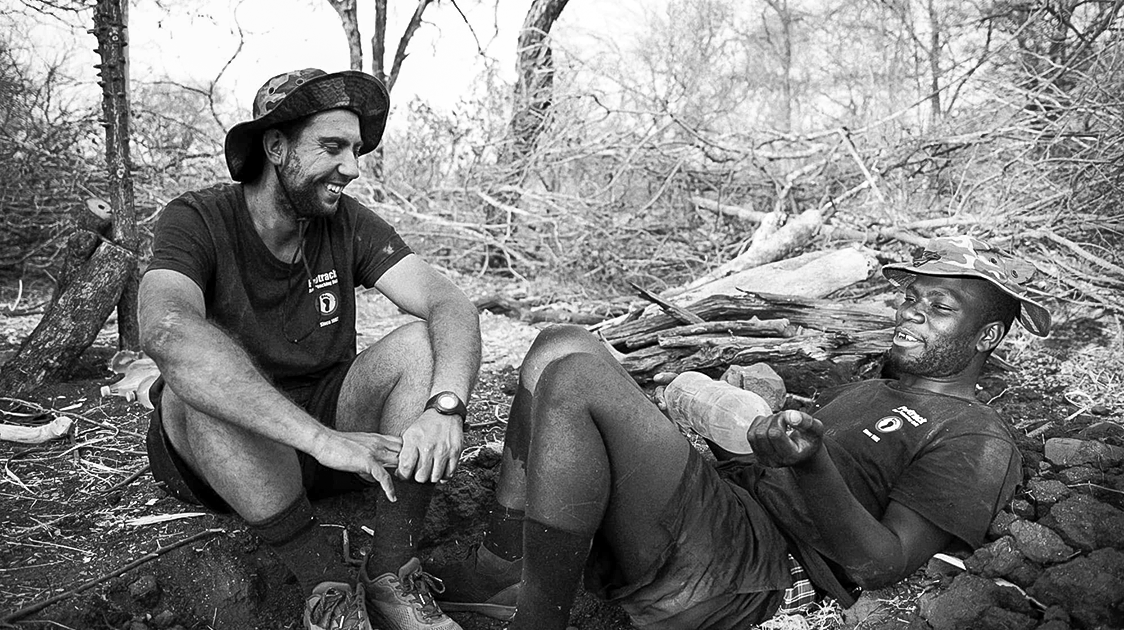
At night I slept beneath the vast expanse of African stars, one of those experiences that sounds slightly romantic until you remember you are generally exhausted, covered in dust, and getting up again in a few hours.
Even so, I felt alive out there.
The friendships were probably the biggest part.
Spending long days with the same people, working in difficult conditions and experiencing things that most people will never see creates a bond very quickly.
A shared understanding comes from being there, and it is hard to explain to someone who hasn't experienced it.
I suspect the recruits will feel much the same about their time together. No one else really understands what it is like out there unless they've done it.
I certainly wouldn't complain about having to go back.
The black beret
On 12 September 2025, the training ended with the passing-out parade.
After six weeks of early starts, physical training, survival exercises and life in the bush, it was a noticeably more relaxed occasion.
Families had arrived to see their sons stand proudly and receive their black berets.
The beret represented everything they had been through during those six weeks and, more importantly, the job they were now qualified to begin.
There was a genuine sense of pride in the group, and rightly so.
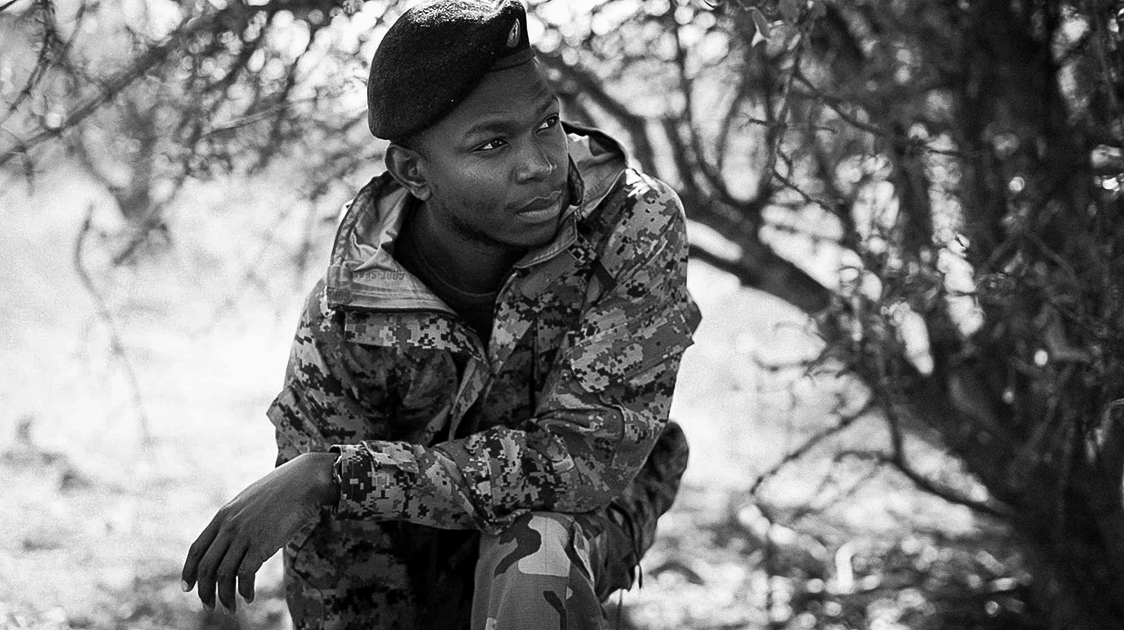
Nine of the original 20 recruits had dropped out along the way, meaning the men standing on that parade had made it through a course that had already removed more than half of its original intake.
Afterward came the more enjoyable part of the day: cold beers, fresh meat on the braai and the opportunity to sit down with their families and the people they had spent the previous six weeks training alongside.
For a short time, nobody needed to run anywhere.
What happens next?
The course left me with a question that I hadn't really considered before arriving in South Africa.
How many of those 11 will still be working in conservation five years from now?
Passing an anti-poaching course is one thing.
Building a career in anti-poaching is another. The work is physically demanding, mentally challenging, and often carried out in difficult conditions.
Rangers spend long periods away from their families and operate in environments where the risks are very real.
Training can prepare someone for those conditions, but it cannot tell us whether they will still want to be doing the job years down the line.
That raises a bigger question about longevity within the anti-poaching industry.
Is it a career for life, or is it something that people eventually move away from? What makes someone stay, and what makes someone leave?
And perhaps most importantly, what support do experienced people need to stay in the field?
Those are questions I didn't arrive in South Africa expecting to think about.
I went there with a camera to document a six-week training course.
I came away with a much greater appreciation for what it takes to become a ranger, a collection of photographs and footage that I hope goes some way towards showing that reality, and a group of friendships that I certainly didn't expect to make.
I also came away much more aware of what the black beret actually represents.
For the recruits, it marks the completion of their training.
For the 11 who earned one, it also marks the beginning of their careers.
The real test starts when they leave the training ground and walk into the bush as rangers.
Nick Roden is a filmmaker, photographer and drone pilot from North Wales, working across wildlife, conservation, adventure and the outdoors.
With a background in field-based filmmaking, Nick is drawn to projects that take him beyond the usual working environment and into the heart of the action. His work combines film, photography and aerial imagery to capture genuine experiences and communicate the realities of life in the outdoors and on the conservation frontline.
Through Wild Frontier Media, Nick works with conservation organizations, outdoor professionals, and adventure projects to create honest, engaging visual stories from some of the world’s wildest places.