2025: A Year in the Field

Patrol’s Annual Review
Dear Subscribers,
On this, our third anniversary, we want to thank you for walking with us through another year of real-world reporting, frontline updates, and documentary storytelling that reveals the realities of anti-poaching and conservation across Africa.
Across 23 editions, we have brought you stories that rarely make international headlines.

This year, we produced 45 original mini-documentary videos, alongside 47 in-depth articles. Our coverage spanned ten countries: Mozambique, Tanzania, Zimbabwe, Zambia, Uganda, South Africa, Cameroon, Botswana, Kenya, and even Spain for comparative analysis of European game meat markets.
On the social media front, we produced 250 short video-doc reels distributed across Facebook, Instagram, YouTube, LinkedIn, and TikTok.
Your engagement, reading, watching, sharing, and responding make this work possible and help amplify voices that often go unheard.
The Economics of Survival
Wildlife must pay its way or face extermination. This theme ran through our coverage, from No Bullet, No Buffer, which examined why wildlife corridors collapse when hunting revenue disappears, to The $200 Poacher vs. The $50,000 Safari Hunter in Northern Cameroon.
Professor Brian Child’s series on property rights and governance proved essential reading, including Whose Rhino is it Anyway? and The Right to Decide.
Our video Europe Proved It: Commercial Wild Meat Can Save Wildlife challenged double standards in the international debate, while Do Trade Bans Protect Wildlife? examined Zimbabwe’s crocodile farming success.
On the Ground
How to Maintain a Game Reserve in Tanzania, offered an unflinching look at the realities facing safari hunting concessionaires. The Weight of Protection took viewers inside a ranger’s patrol pack at Zambeze Delta Safaris.
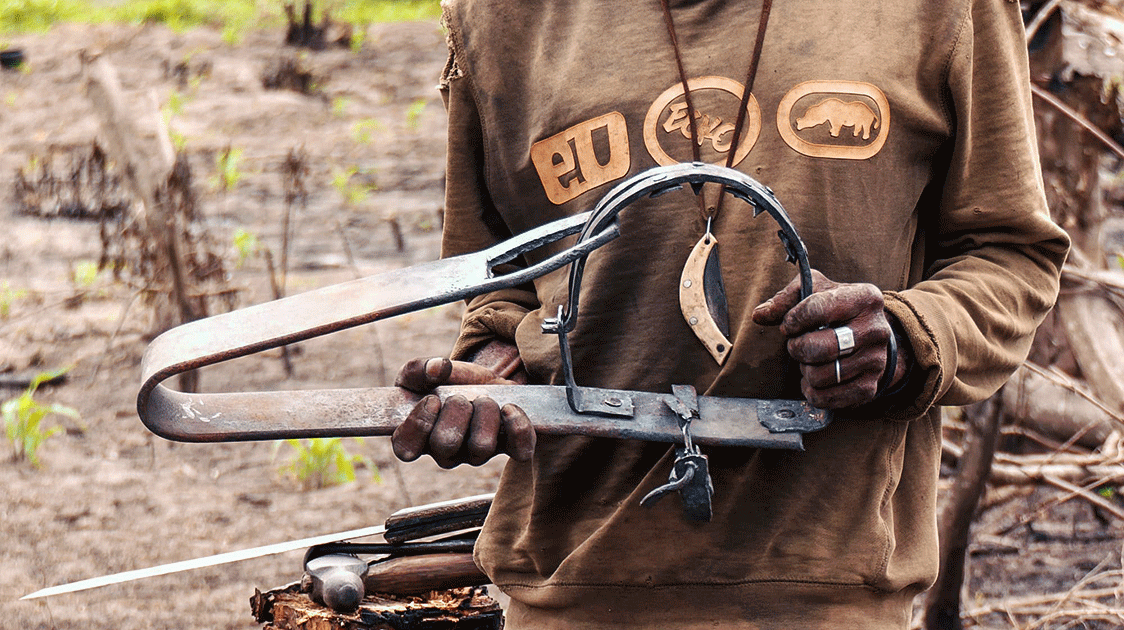
We documented the snare crisis through Snare Wars Casualties and Jaws of Death, exposing the gin trap epidemic in Mozambique.
The Hidden Crisis revealed how bushmeat poaching dwarfs ivory trafficking in scale.
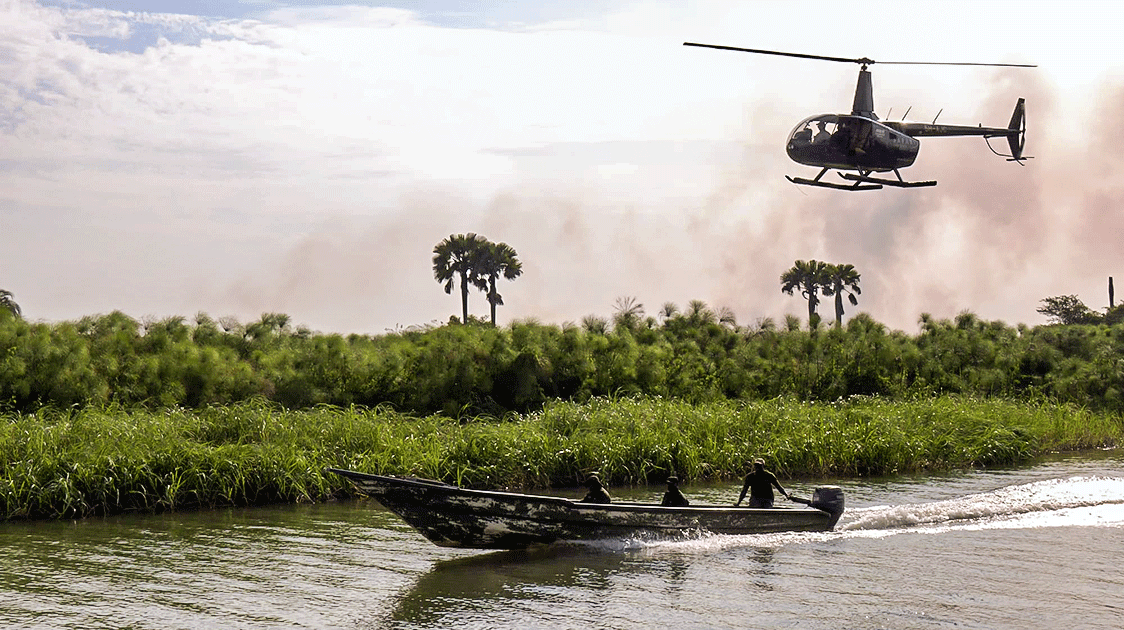
Technology featured prominently in Using Technology to Combat Poaching and The Aerial Anti-poaching Battle, while Patrolling Versus Intelligence explored the shift toward information-led operations at LUWIRE in Mozambique.
Community Conservation in Practice
Some of our most compelling stories came from community partnerships. When Conservation Meets Community and Room for Cattle and Wildlife documented the Wilberforce Ranch model in Zimbabwe’s Matobo Hills.
Everyone, a Game Ranger profiled LUWIRE’s approach to anti-poaching systems, while The Lugenda Foundation examined community-led conservation in northern Mozambique.
Creating Safe Spaces for People and Wildlife is essential in addressing human-wildlife conflict. The Mozambique Wildlife Alliance (MWA) is actively tackling this challenge through an innovative program.
The 15-minute Community Conservation Partnership showcased the SA Hunters and Game Conservation Association’s integrated approach.
Restoration and Recovery
We documented remarkable conservation success stories. From Devastation to Thriving Wilderness: The Remarkable Restoration of Coutada 11 tells how Zambeze Delta Safaris transformed 500,000 acres from a war-torn wasteland into a thriving wilderness.

Rebuilding a Game Reserve showed the transformation of Uganda’s Kabwoya Wildlife Reserve through safari hunting.
Industrial Scale Poaching Crushed told how the Niassa Reserve overcame its devastating elephant poaching crisis, while The Evolution of a Wildlife Sanctuary traced Zimbabwe’s Savé Valley Conservancy from struggling cattle ranches to one of southern Africa’s largest private game reserves.
Countering the Narrative
Patrol continued to challenge dominant media narratives with evidence-based analysis. Standing Too Close to the Elephant dissected the Humane Society International’s (now known as Humane World for Animals) Tuskers film and its claims about Amboseli’s super tuskers.
Declaration Deceptions offered a critical analysis of the IUCN World Conservation Congress in Abu Dhabi.
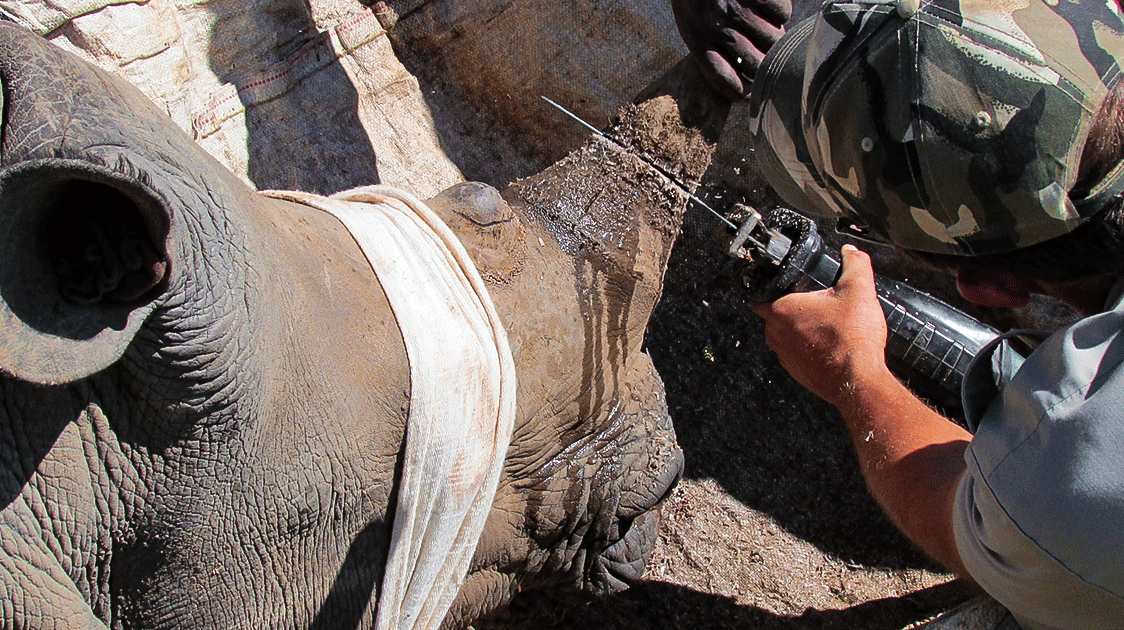
CITES: A Convention for Wildlife Trade Regulation, or Prohibition? examined the march towards prohibition in international wildlife policy.
Frame of Reference explored the competing worldviews shaping African conservation.
Hank’s Voice contributions, including Shame Dame Jane and Normalizing Hatred and Hypocrisy, offered uncompromising critiques of the UK’s Campaign to Ban Trophy Hunting.
Ecosystems Under Pressure
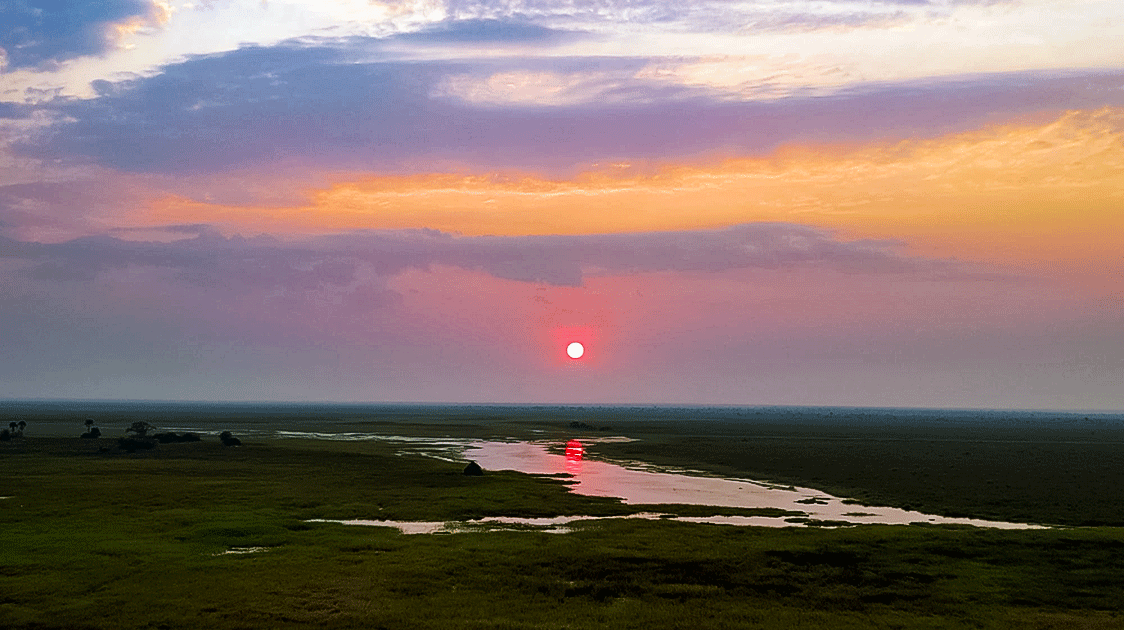
We profiled critical landscapes, including The Chete Safari Area: A Forsaken Wilderness on Lake Kariba’s Zimbabwean shoreline and The Busanga Plains: A Wetland Paradise Under Pressure in northern Zambia.
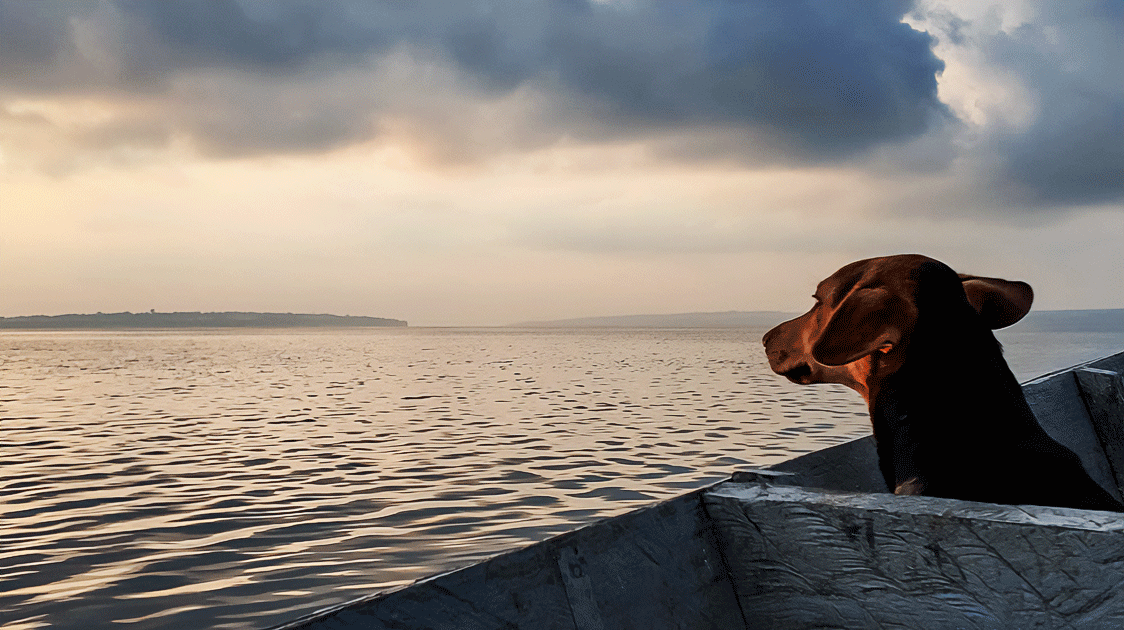
Islands of the Gods exposed the threat of palm oil to Uganda’s Ssese Islands.
Dr Daniel Stiles contributed Where Have All the Big Cats Gone? on India’s Vantara mega-zoo and Can the Cascade from Wildlife to Cattle to Camels and Desertification be Prevented? on the lessons from Arabia’s ecological collapse.
Our succulent poaching coverage, including One Poached Every Two Minutes, highlighted an overlooked crisis in South Africa’s biodiversity hotspots.
Looking Ahead
The Life Through Wildlife Strategic Plan outlined a vision for a $30 billion wildlife economy in Southern Africa, built on community-led governance and sustainable financing.
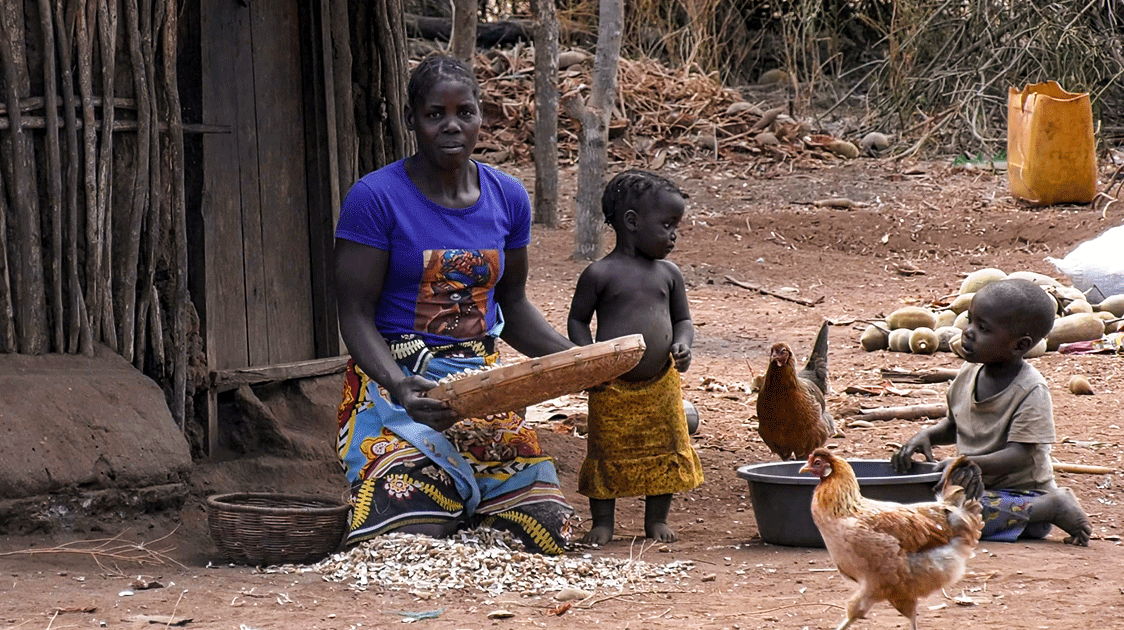
This represents the kind of systemic change that could transform conservation outcomes across the continent.
In 2026, Patrol will continue reporting from the field, documenting both successes and failures with the same commitment to factual, unglamorized reporting.
We remain focused on the people doing the work, often with limited resources and no international recognition, who form the true frontline of African conservation.
Thank You
To our subscribers, safari operators, rangers, researchers, and contributors who made this year’s coverage possible: thank you.
Your support in 2025 has helped us maintain an independent lens on anti-poaching realities, not just as headlines, but as human and ecological stories with lasting impact.
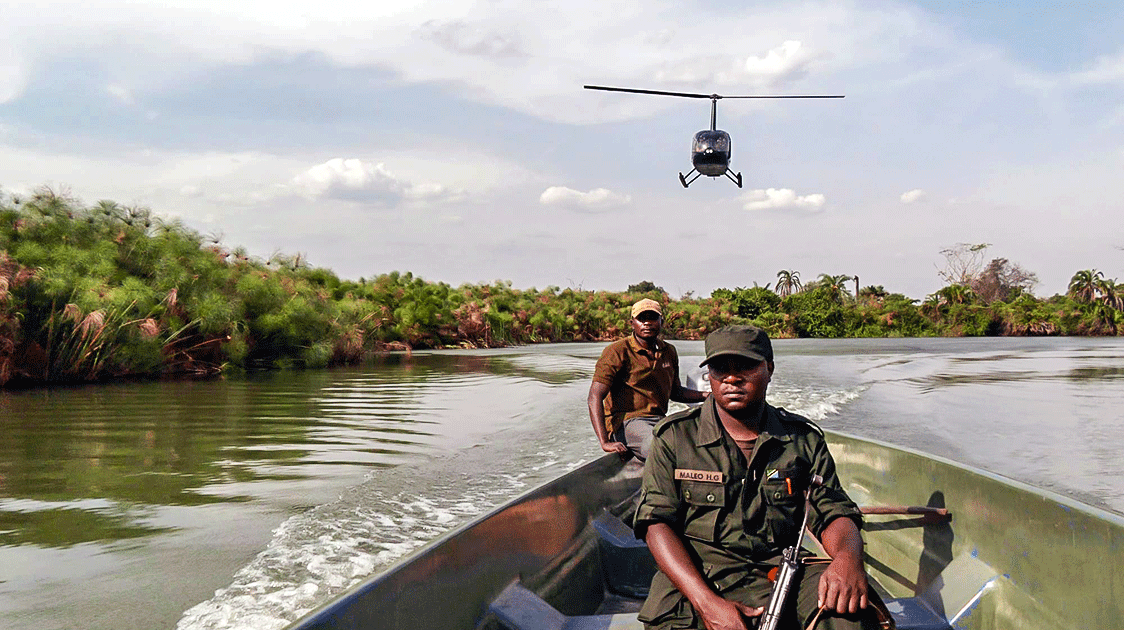
Your engagement, feedback, and willingness to share your stories allow us to bring these frontline accounts to a broader audience.
Thank you for reading, watching, and sharing what we produce.
We look forward to continuing this work in 2026.
Stay vigilant. Stay informed. Stay engaged.
With gratitude,
The Patrol Team