From "Endangered Species" to "Endangered Spaces": An Evolution in Conservation Thinking
By Marco Pani
Key Takeaways:
- Hunting concessions across seven SADC countries cover roughly 1.16 million sq km of habitat. That's nearly double the 618,000 sq km of protected land in national parks in those same countries.
- Most of Africa's elephants and lions live outside national parks, on hunting land. Wildlife inside parks also relies on habitat that extends beyond park boundaries, much of it in hunting areas.
- Where the model has been applied at scale, it has worked. Namibia's protected habitat has grown 80% in three decades, driven mainly by communal conservancies built around conservation hunting. In Zimbabwe, about 90% of CAMPFIRE revenue comes from hunting, giving roughly 777,000 households a direct economic stake in keeping wildlife on the land.
- Import suspensions and anti-hunting campaigns are now actively driving habitat loss. When operator revenues decline, anti-poaching budgets fall with them, and concessions are converted to subsistence agriculture and livestock production.
- The central argument is a reframing: shift conservation focus from "endangered species" to "endangered spaces." Saving individual animals means little if the ecosystems that sustain viable populations are lost.
Saving habitat
Habitat loss has been identified as the predominant threat to biodiversity. Satellite observations reveal a rapid expansion of human land use at the cost of natural land cover.
Currently, over 77% of terrestrial land cover has been affected by human activity, severely reducing the intactness of natural habitats, and scenario projections indicate imminent further habitat conversion.
Incompatible land uses are the largest single cause of wildlife declines worldwide.
What are the tools available to save these Endangered Spaces?

Tourist safari hunting secures the largest extent of wild habitat in key African countries. Those countries are key because they are the strongholds of important wildlife populations.
Safari hunting is one of the primary tools for conserving wildlife habitat. But for the decades of development of legal, regulated hunting as a conservation tool, most existing wild habitat and the wildlife that inhabit it would not exist today, and probably would cease to exist tomorrow.
The smart, sustainable use of ecosystems and wildlife provides crucial incentives for their conservation, helping save habitats and wildlife and benefiting rural people.
The IUCN World Conservation Union recognizes and ranks Protected Areas.
It recognizes regulated hunting areas as managed protected Categories IV and VI, i.e. protected areas (PAs) that allow forms of sustainable use. These managed areas exceed the habitat areas of national parks across Africa, especially in the key SADC countries.
Conservation in Africa is mostly a matter of land use.
It is well established that tourist safari hunting allows the use of areas that game-viewing tourists would not visit. In turn, these areas remain under conservation management because of the economic incentives that hunting provides.
Tourist safari hunting may also be an important use of private and communal lands that again remain under conservation management. In turn, the use of such lands for recreational hunting can provide community benefits in remote rural areas.
Areas under hunting management exceed the habitat of national parks across Africa, especially in key SADC countries. Most wildlife, including elephants and lions, is found in hunting areas rather than in national parks.
Moreover, what exists within national parks utilizes habitat beyond park boundaries.
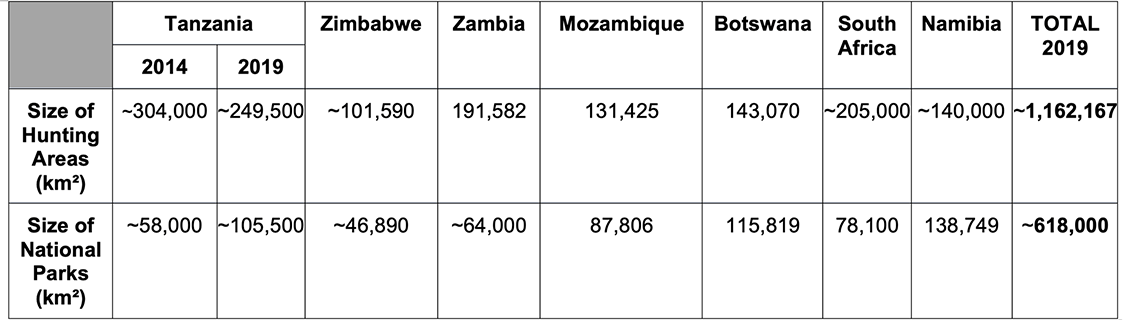
The hunting areas in the key countries shown in Table 1 are growing, restoring, and incentivizing the maintenance of wildernesses, promoting also a return to the wild in associated corridors, and more.
A sample of other non-SADC countries that practice safari hunting (Cameroon, Ethiopia, Central African Republic, Burkina Faso, Benin, and Uganda) secures an additional >330,000 sq km to the extent of habitat secured by hunting, shown in Table 1.
Tanzania
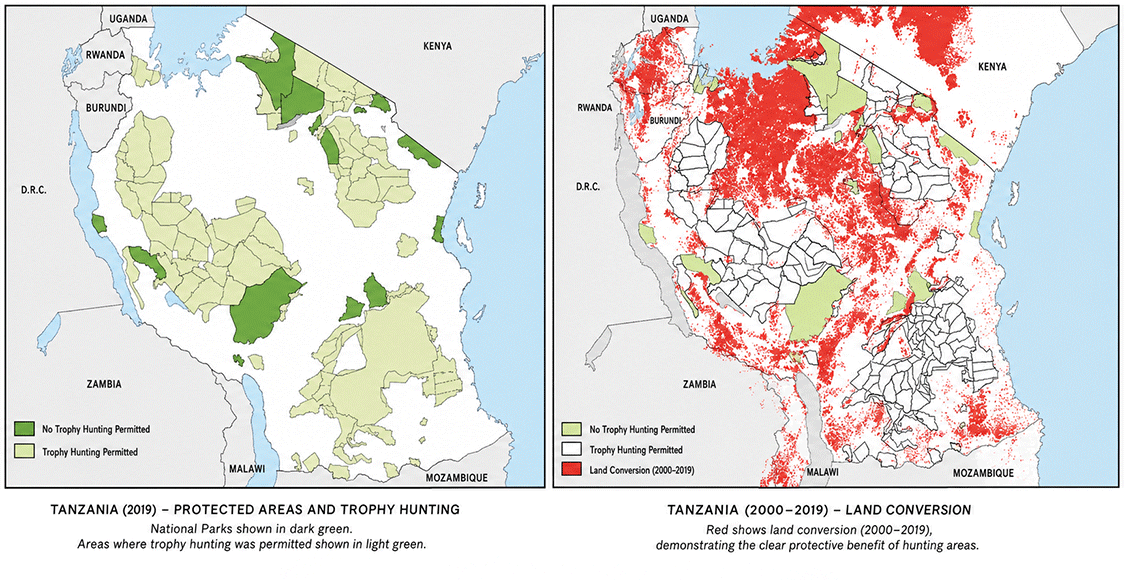
In Tanzania, more than a quarter (249,500 sq km) of the country's total area (945,000 sq km) is set aside for conservation hunting.
Importantly, most of the areas that form primary hunting concessions are so remote, pristine, and unfenced that allows game to move around wherever the conditions are most attractive.
Tanzania ranks first in terms of lion population and third in terms of African elephant population worldwide.
Importantly, 21 out of 38 originally designated Wildlife Management Areas (WMAs) are operational and conserve wildlife habitats and corridors, covering an area of 27,924 sq km (roughly 3% of the Tanzania mainland) and hosting 166 villages inhabited by about 480,000 people.
These WMAs are the community-based conservation framework that operates in Tanzania and are guided by a specific regulation that was last reviewed in 2018 to accommodate policy changes and, hence, improve the conservation and management of wildlife resources.
The changes also included adjustments to benefit-sharing schemes based on the use of different wildlife resources.
Zimbabwe
In Zimbabwe, tourist safari hunting is carried out across four land-use types (Safari Areas, Communal Land, Forest Estates, and Private Land), totalling about 101,590 sq km.
About half of this (50,000 sq km) is in communal lands implementing the CAMPFIRE scheme, whereby approximately 777,000 households (25%) benefited directly or indirectly from sustainable wildlife use, and approximately 25% of Zimbabwe’s people are receiving incentives to conserve wildlife and prevent anti-poaching because about 90% of CAMPFIRE revenue comes from hunting, with elephant hunting contributing up to 70% of annual revenue.
Private conservancies, such as Bubye Valley and Save Valley Conservancies in the South-East Lowveld, cover nearly 9,000 sq km of pristine habitat, rehabilitated from livestock farms.
They are key areas for the conservation of endangered species such as the black rhino and African wild dog.
They also secure and propagate some of the country’s most important lion and leopard populations.
Safari areas hold about 30% of the estimated elephant population in Zimbabwe, which is estimated between 76,000 and 93,000 individuals, the second largest elephant population in the world.
Zambia
In Zambia, safari hunting is conducted mainly in Game Management Areas (GMAs) and open game ranches, covering a total of 191,582 sq km.
Game Management Areas (GMAs) are a category of protected areas in Zambia designed to serve as buffer zones between National Parks and Open Areas. The main land use forms in GMAs have been safari and resident hunting.
However, a few GMAs have included photographic tourism.
Settlement is allowed in designated areas defined by the GMA’s General Management Plan. CBNRM in Zambia is implemented in GMAs through Community Resource Boards (CRBs) established under the Wildlife Act of 2015.
Open Game Ranches are unfenced private wildlife estates outside public protected areas that are reserved by a person or local community for wildlife conservation and management.
Game ranching in Zambia has evolved over the last ten years into one of the best conservation success stories, with protected habitat expanding through safari hunting tourism.
Open game ranches started in areas that were severely depleted in terms of wildlife species, and with widespread illegal activities such as poaching, illegal logging, and mining.
Thanks to partnerships between private investors and local communities, most of these areas have been rehabilitated and recolonized by wildlife, including elephants and large carnivores.
Botswana
Approximately 38% of Botswana’s surface area is used for wildlife as the main land use. This includes National Parks (NPs) and Game Reserves, collectively referred to as Protected Areas (115,819 sq km), Wildlife Management Areas (WMAs) (143,070 sq km), and Forest Reserves (4,207 sq km).
Land use over most of the remainder is extensive subsistence pastoralism and subsistence crop farming on communal land.
Land outside the protected areas may be declared to be a Controlled Hunting Area (CHA). Botswana has the largest elephant population in the world, estimated between 118,000 and 143,000 individuals.
Namibia
Namibia’s national parks cover 139,000 sq km of the country's terrestrial area and include some hunting concession areas.
The state has created a policy and legislative framework for freehold farms (including commercial conservancies), communal conservancies, and community forests to acquire rights over wildlife and tourism.
These rights confer responsibilities and economic benefits to the legal custodians of these resources.
86 Communal conservancies cover about 15.7% (166,179 sq km) of the country and represent one of the best examples of pragmatic habitat and wildlife conservation in Africa.
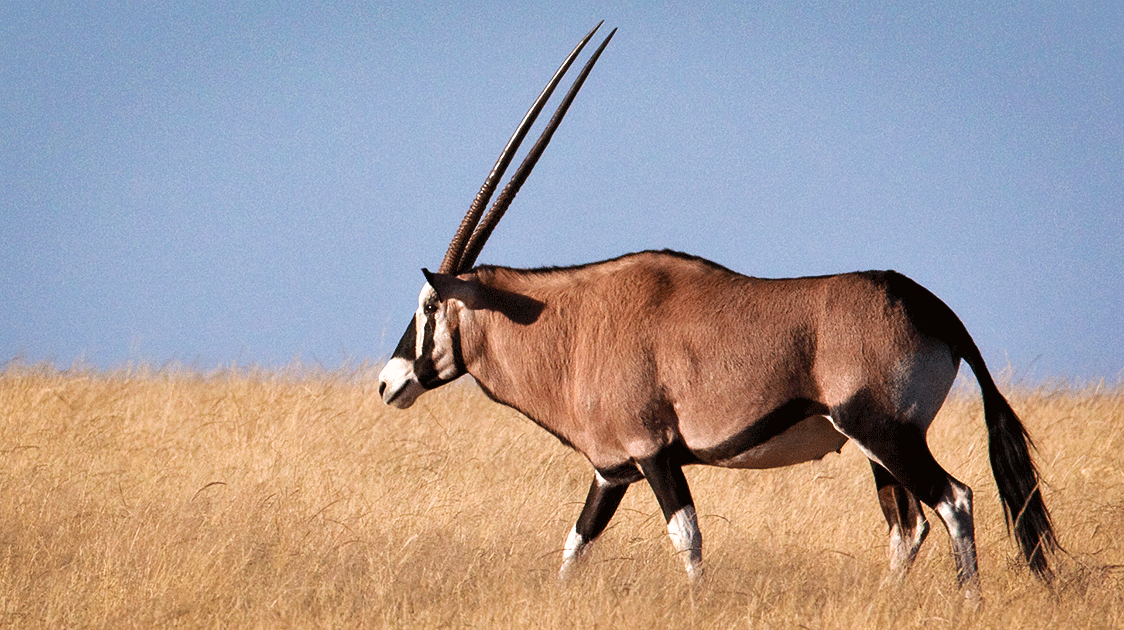
In freehold farms (conservancies), the total area managed for wildlife, either exclusively or in mixed farming systems, is significant. Almost 700 farms covering over 35,000 sq km are registered as trophy hunting farms, out of a total of 49,914 sq km.
Habitat protection in Namibia has increased by 80% over the last three decades, mainly due to the growth of communal conservancies, with corresponding substantial increases in wildlife numbers.
"Conservation hunting", as tourist safari hunting is called in Namibia, is a primary driver of this growth in habitat under conservation.
Mozambique
In Mozambique, the legally established Conservation Areas cover 219,231 sq km, which is nearly 28% of the country's land surface (799,380 sq km).
Hunting areas included in Conservation Areas (Niassa Reserve Blocks, Coutadas, Community Programs, and Game Farms) cover an extension of 131,425 sq km, equivalent to nearly 17% of the country's land surface.
Newly established conservancies that rely on tourist safari hunting, such as the Greater Lebombo Conservancy in southern Mozambique, have grown the habitat under conservation in the country.
This key area, bordering Kruger National Park in South Africa, holds the country’s last rhino population, which is also dependent upon revenues from safari hunting.
South Africa
Multiple land uses, built around hunting, are the main drivers of rewilding in South Africa.
There are more than 9,000 wildlife ranches in South Africa, covering an area of about 205,000 sq km and harboring between 16 and 20 million wild animals.
The number of game ranches has grown exponentially over the last 30 years, and it has been demonstrated that they can be effective in conserving natural land cover and intact biodiversity, including the persistence of large mammals.
The majority of tourist safari hunting occurs on these Private Land Conservation Areas, which receive no funding or management support from the state.
Maintaining Ecosystems
One of the goals of the Kunming-Montreal Global Biodiversity Framework is to maintain, enhance, or restore the integrity, connectivity, and resilience of all ecosystems, substantially increasing the area of natural ecosystems by 2050.
That loss is the primary cause of species endangerment and biodiversity loss.
Safari hunting is one of the primary tools for preventing both in Africa. It secures the most habitat and provides the most effective poaching control and management within that habitat, further supporting government and local community revenues.
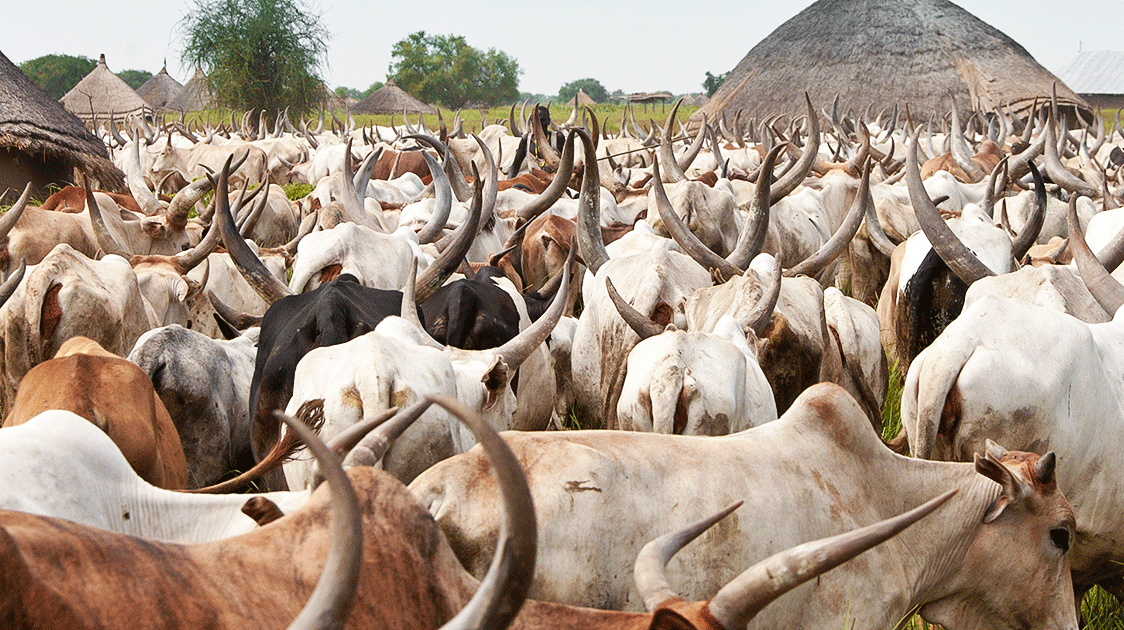
Rapid human growth and expansion, and conversion of land to agriculture or livestock ranching and illegal activities can be controlled and limited through the value given to wildlife, the presence of hunting operators, and the willingness of local communities to collaborate due to the returns they obtain from safari hunting, including protein, which is not generally available from photo tourism.
It is a Payment for Ecosystem Services, and its role in conserving ecosystems is essential; it contributes to achieving the Goals and Targets of the Kunming-Montreal Global Biodiversity Framework.
In any serious environmental action, conservation of ecosystems shall have a higher priority than stabilizing individual species populations.
There is a need to shift attention away from individual animals and species to the ecosystem.
This will require focusing on environmental impacts, which include social and cultural impacts, rather than on consumption versus non-consumption issues.
The impact of safari hunting on biodiversity
Research on the impact of hunting on biodiversity has shown that hunting (and its associated management) can be a strong driver in conserving biodiversity, because many of the objectives in hunting (preserving ecosystems, maintaining healthy populations, reducing limiting factors for game) are shared with those of wildlife management and conservation at large.
With Africa’s human population continuing to grow into the 21st century, we can therefore expect habitat and wildlife populations to decline in the years ahead.
Indeed, by the time 2100 rolls around, it is highly unlikely that any wild lions or elephants, or indeed wildlife, will remain outside the national parks, and those living within them will be under ever-greater pressure from increasingly large human settlements just outside the park boundaries.
The next domino to fall will be the national parks themselves.
Land use across most habitats outside protected areas and state hunting concessions is extensive subsistence pastoralism and subsistence crop farming on communal land.
However, in some African countries such as Zimbabwe, Zambia, Tanzania, Namibia, and South Africa, the use of communal land areas and private areas for tourist safari hunting has significantly secured more habitat under conservation management without the burden of the costs of this extra management falling onto already stretched State conservation agencies’ budgets.
The KAZA Transfrontier Conservation Area
For example, in the KAZA Transfrontier Conservation Area (more than half a million square kilometres of wild lands spanning the catchments of the Kavango and Zambezi rivers and encompassing protected areas across Angola, Namibia, Zambia, Botswana, and Zimbabwe), hunting areas play a vital role in maintaining landscape-scale integrity and ecosystem connectivity across this vast system – the largest contiguous protected area in the world.
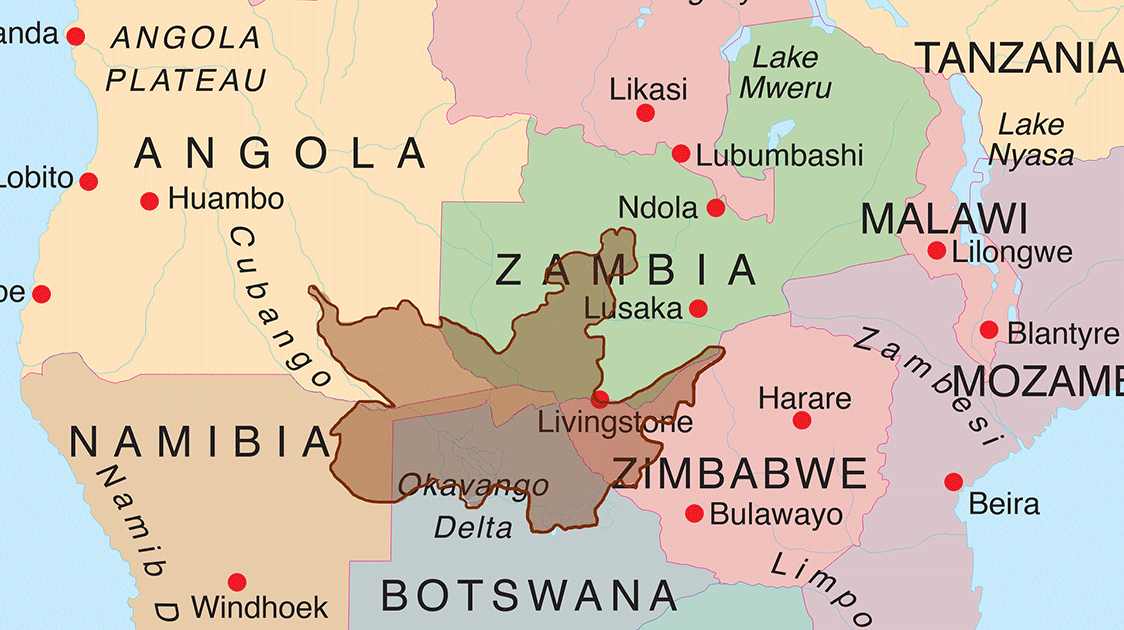
Hunting and strictly protected areas continue beyond the KAZA virtual boundary along the Zambezi Valley, up to Mozambique’s Cahora Bassa Lake, adding another 100,000 sq km of pristine and natural habitat.
As people continue to encroach on remaining wilderness areas, wildlife, particularly large mammal species, will increasingly be restricted to fenced areas, necessitating a more detailed discussion of their management and what it means to conserve these species so their “wildness” quality is sustained.
In addition, as wildlife subpopulations become smaller and more fragmented, increasingly intensive and diverse forms of management will be required.
The IUCN Guiding Principles on Trophy Hunting
The IUCN Guiding Principles on Trophy Hunting as a Tool for Creating Conservation Incentives (Ver.1.0, August 2012) state that well-managed trophy hunting can "assist in furthering conservation objectives by creating the revenue and economic incentives for the management and conservation of the target species and its habitat, as well as supporting local livelihoods" and, further, that well managed trophy hunting is "often a higher value, lower impact land use than alternatives such as agriculture or tourism."
Three countries, namely Tanzania, Zambia, and Zimbabwe, have assessed their Lion Non-Detriment Findings against the IUCN Guiding Principles on Trophy Hunting, and in principle 1 under Net Conservation Benefit, they have assessed the benefit of hunting to habitat conservation.
Safari operators in Eastern and Southern Africa invest substantial financial resources in conserving habitat and species.
Their contributions are mostly unaccounted for, apart from one attempt - Tanzania Lion Enhancement Summary Report - and other analyses are potentially flawed as they do not account for all contributions.
Habitat loss is worsened by restrictions on the import of hunting trophies and by misleading, flawed campaigns against hunting.
In 2014, the USFWS suspended, in an uninformed and unorthodox way, the import of sport-hunted elephants from Tanzania and Zimbabwe, and in 2015, it adopted a rule on lion trophy import.
Together with the subsequent anti-hunting campaigns sparked by the flat-out fabricated story of a lion “Christianised” Cecil, the effects on habitat in some African Countries have been extremely detrimental to habitat, species, and rural communities that obtain crucial revenues from hunting operations.
“Habitat loss can be exacerbated by a decrease in overall revenues from safari hunting; the lack of incentives for safari operators due to international campaigns or decisions by importing countries has the potential to decrease the investments in habitat protection done by the hunting sector and decrease tolerance of rural communities toward lions with habitat....
This decline has seriously reduced the highest trophy fees and eliminated the most beneficial 21-day safaris. ... The most dedicated operators are the hardest hit. They cannot provide the vital support in habitat protection, anti-poaching, and communities’ livelihoods... As a consequence, many protected areas devoted to safari hunting will be converted to agro-pastoral land, leading to the unavoidable extinction of wildlife and natural habitats and the collapse of ecosystem services. This will lead to an ecological disaster in Tanzania.”
Tanzania Government (2016) Non-detriment findings on African lion (Panthera leo) in the United Republic of Tanzania, including Enhancement findings and correspondence with the USFWS on African Elephant.
Protected areas have been abandoned and converted to agriculture, including livestock, due to trophy import restrictions and uninformed anti-hunting campaigns focused on single species and, at times, single individuals, neglecting a much-needed ecosystem-based approach to conservation.
The danger of losing it all
The functional ecosystems that hunting has maintained for decades could be endangered due to the low revenue it has generated over the last few years, stemming from uninformed import suspensions imposed by the US and EU through political pressure from the anti-hunting lobby.
Therefore, the consequences of this “compassionate conservation”, as propounded by animal rights groups, have had a more severe detrimental effect on the species' habitat than any hunting of them.
Hunting secures more habitat than national parks.
That is the same habitat where wildlife is stable or growing, according to the most recent aerial surveys in Tanzania and Southern Africa.
Without healthy wild habitat, wildlife suffers. Without hunters, support for habitat conservation dwindles.
Wildlife needs habitat, and hunters support habitat. Hunting provides a financial incentive to maintain wildlife habitat that might otherwise be converted to non-wildlife land uses.
Conservation ethics requires us to act to halt habitat loss.
What future will we choose?
If a low level of wildlife harvest helps conserve habitats, it is of paramount importance that we work to secure its sustainability and find creative solutions for wildlife use and trade rather than imposing counterproductive blanket bans and use restrictions.
Is it moral or ethical to directly attack those who secure the wildest habitats and provide the most law enforcement and rural people’s livelihoods, where it is most critical?
Well, you can opine all you want, but the survival and protection of the wild spaces where wildlife can thrive comes before you, like it or not.
Let’s be ethical and responsible about it if you really care.
It is both timely and imperative to recalibrate our conservation priorities—shifting focus from the narrow preservation of “endangered species” to the broader, more strategic safeguarding of “endangered spaces.”
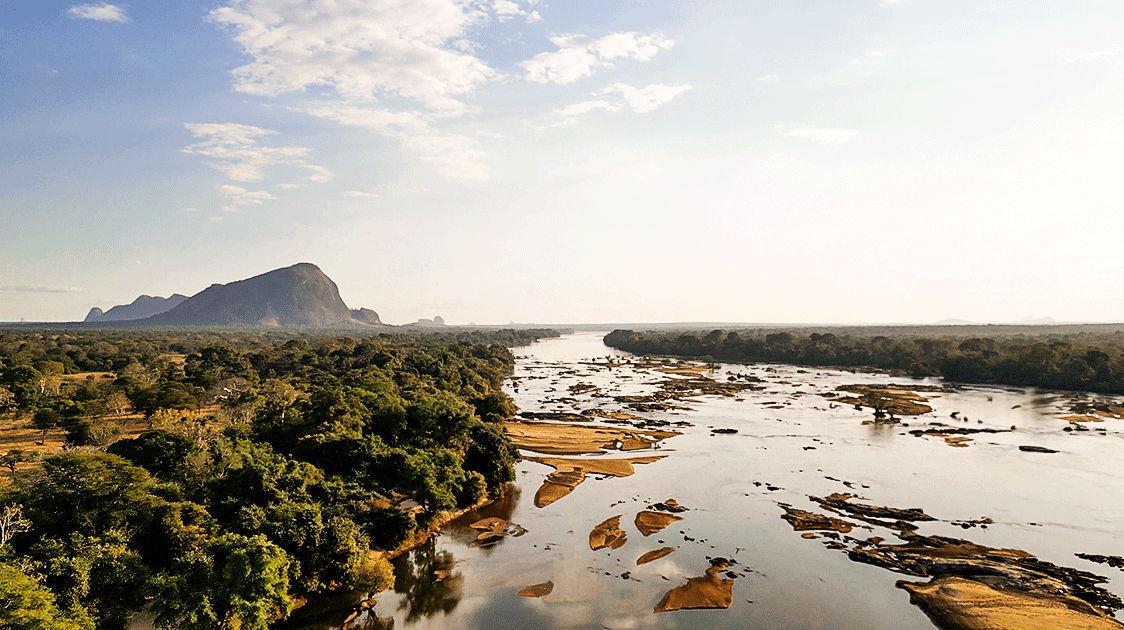
This entails directing sustained attention toward the protection and effective management of intact wilderness landscapes and ecologically functional systems, particularly those lying beyond the formal boundaries of National Parks across Africa.
Such areas, especially in Southern and parts of East Africa, are mostly represented by hunting areas, and their role is often overlooked in traditional conservation frameworks; they are nonetheless critical reservoirs of biodiversity, ecological processes, and landscape connectivity.
This paradigm shift is not merely conceptual; it is foundational to the long-term resilience of conservation outcomes.
By prioritizing ecosystems over individual species, we recognize that viable populations cannot persist in isolation from the habitats and ecological dynamics that sustain them.
Emphasizing landscape-scale conservation tools—ranging from community-based natural resource management and conservancies to sustainable use models such as regulated hunting—offers a more durable and context-responsive pathway to maintaining ecological integrity while aligning conservation incentives with local socio-economic realities.
In this light, the transition toward “endangered spaces” represents a necessary evolution in conservation thinking—one that better reflects ecological complexity, strengthens adaptive management, and enhances the prospects for coexistence between people and wildlife across Africa’s stunning landscapes.
Marco Pani has nearly 40 years of experience in wildlife conservation, management, and CBRNM, with past experiences as Director of TRAFFIC Europe Italy’s Office, as Associate Enforcement Officer in the CITES Secretariat in Geneva, and as staff in the Italian Ministry of Environment.
He worked on wildlife trade, management planning, and conservation policy actions around the world, focusing on species such as the Tibetan Antelope, Vicuna, and Sturgeons, and is now primarily focused on African wildlife issues.
He is a member of the CEESP/SSC Sustainable Use and Livelihoods Specialist Group (SULi), the Conservation Planning Specialist Group (CPSG), and the Crocodile Specialist Group (CSG) of IUCN.
He currently works for Conservation Force.
This article is adapted from a Conservation Force Fact Sheet.