The Enforcement Trap

More Boots on the Ground, but the Bushmeat Trade Thrives
By Zig Mackintosh
Key Takeaways:
- Enforcement alone is not stopping the bushmeat trade, despite increased patrols, arrests, and seizures.
- The trade persists because it is driven by strong economic incentives that far outweigh the risks.
- Corruption, weak penalties, and systemic governance failures undermine enforcement effectiveness.
- Conservation funding and research are heavily skewed toward short-term, visible enforcement actions.
- Lasting impact requires combined solutions, especially alternative livelihoods, demand reduction, and supply chain control.
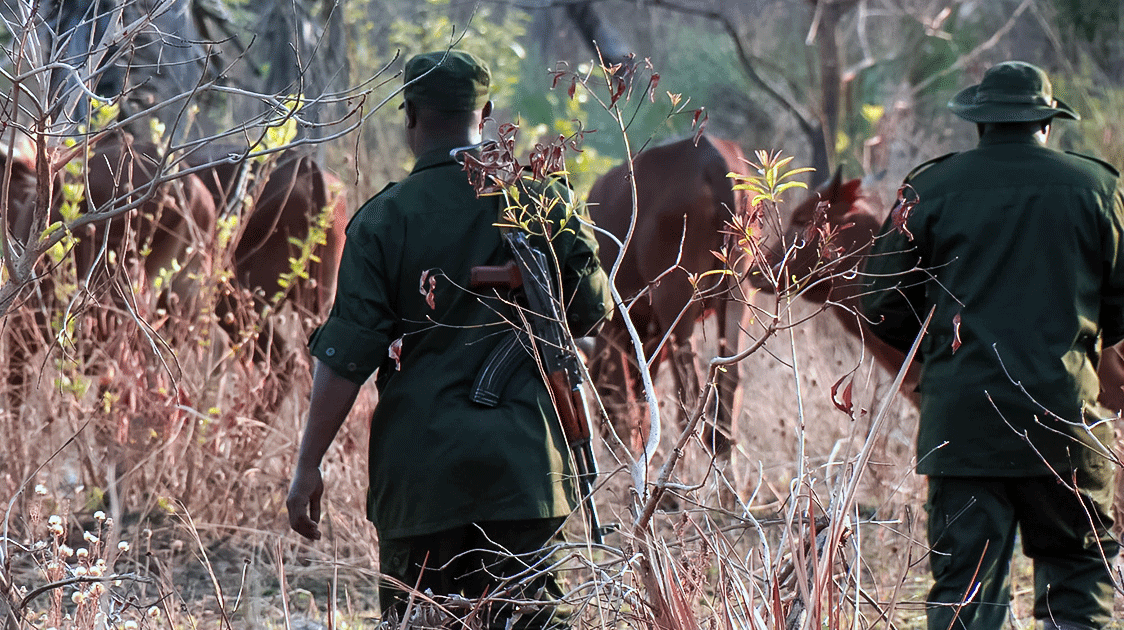
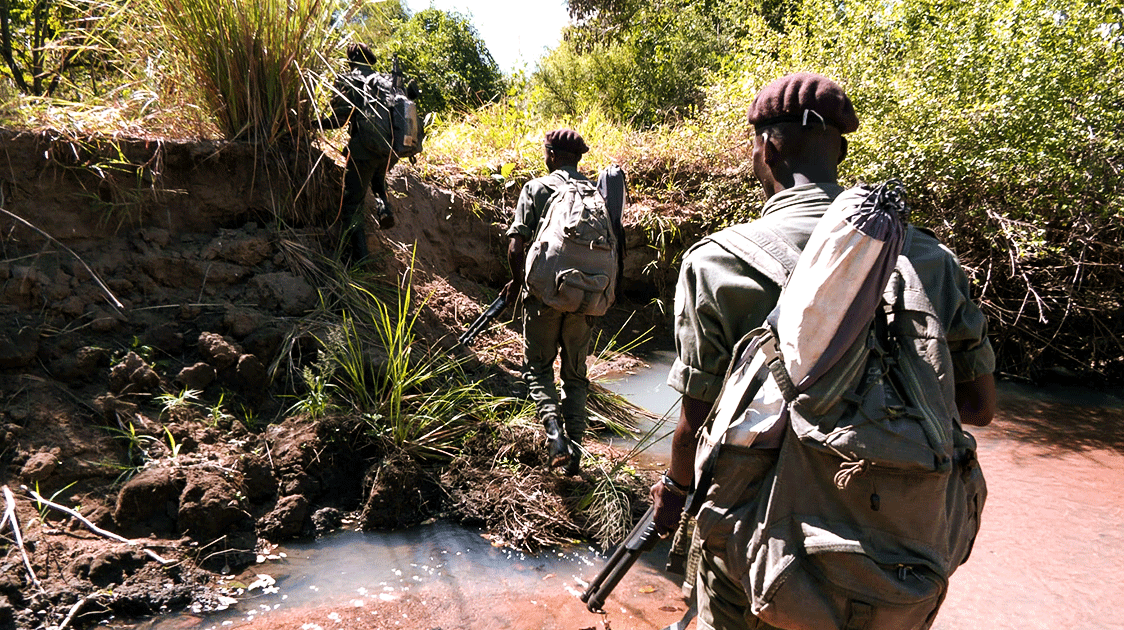
Dedicated rangers risk life and limb to carry out successful anti-poaching operations with meagre resources across the continent daily.
So why can’t the bushmeat trade be contained?
During 2020/21 in the forests of Cameroon's Campo Ma'an National Park, the Ministry of Forestry and Wildlife rangers seized 1,392 kilograms of bushmeat, arrested 25 poachers, and destroyed 260 hunting camps.
By 2022, the same ranger teams had conducted over 320 patrols covering more than 20,000 kilometers, seized a further 3,200 kilograms of bushmeat, and destroyed 200 more camps.
But the trade didn’t stop.
This is a micro-snapshot of the African bushmeat crisis.
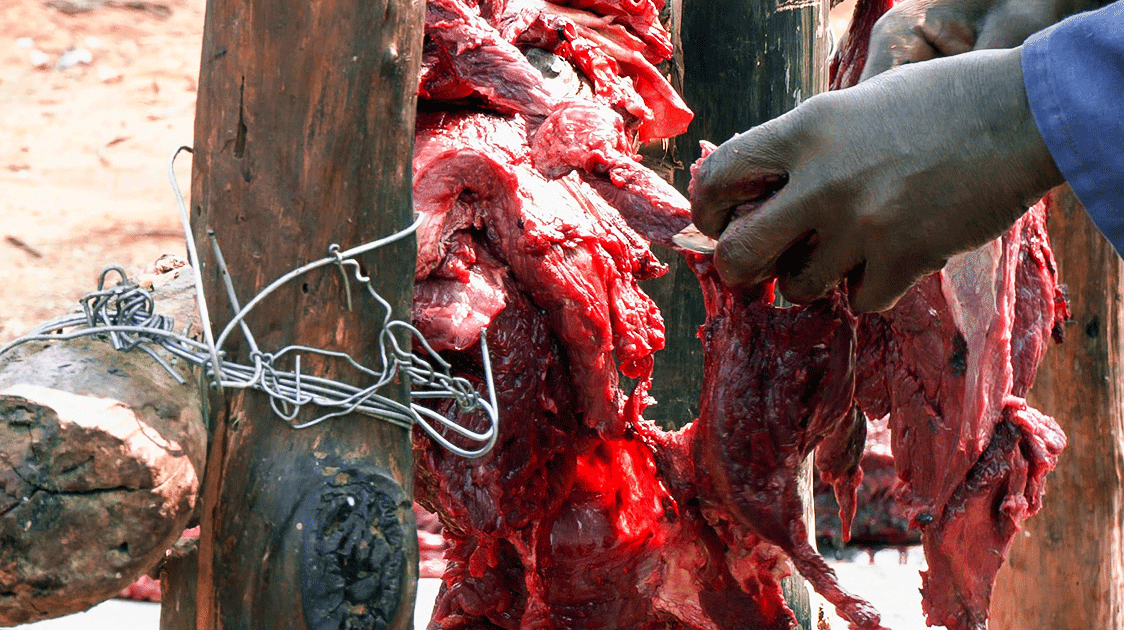
The bushmeat trade extracts an estimated 1 to 5 million tons of wild meat from West and Central Africa annually.
The most widely cited country-level figures tell a more granular story: 182,000 to 365,000 tons consumed annually in Mozambique, valued at up to $730 million; 59,000 tons sold each year illegally in the Central African Republic; 2,078 tons confiscated in Tanzania, worth over $50 million, with confiscations representing only a fraction of actual trade volumes.
These figures trace back to estimates from the year 2000.
That conservation policy continues to be shaped by data a quarter of a century old is itself a damning commentary on how seriously this problem has been taken.
Enforcement is the primary response to the poaching crisis, but is this a failure of strategy?
The scale of the problem
A systematic review of 144 studies on bushmeat interventions in African savannas found that only one in four papers examined interventions at all, and of those that did, over half focused on traditional enforcement.
Alternative income approaches, consistently cited as promising, were used in only 14% of intervention studies.
Other approaches, such as tenure reform, demand reduction, and community governance, barely registered.
Furthermore, the research base itself has geographic blind spots: most studies have centered on Tanzania, with significant gaps across southern Africa and the Sahelian region.
The problem is larger than the research identifies, and the research portfolio mirrors the funding portfolio.
We study what we fund.
We fund what makes for feel-good reports and sensational headlines.
Arrests are documentable. Seizures are photogenic. Destroyed, burned-out camps make for an alluring action film.
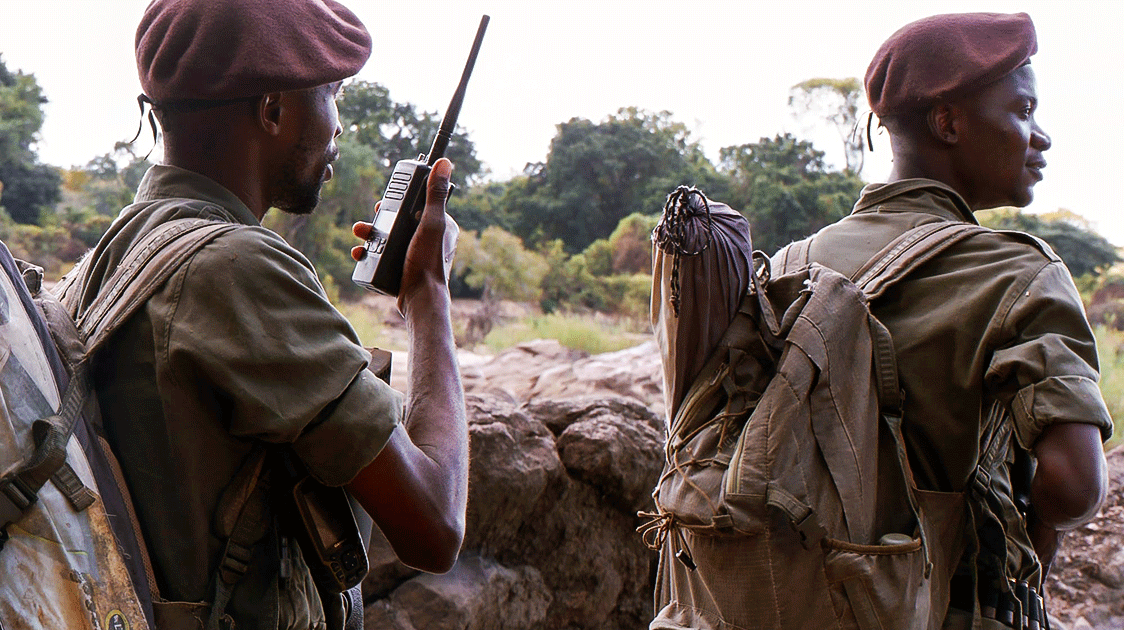
And so, enforcement receives the money and the institutional attention, while the economic forces driving poaching remain in the shadows.
A poacher’s math
Consider the options of a peasant living on the edge of a wilderness area.
In some places, bushmeat trading generates 2.5 to 3.5 times the government minimum wage.
In Zambia, for instance, the median monthly income of active bushmeat traders was $48, against a median household income of just $15 in the surrounding area.
Research in Benin found that commercial poaching margins were nearly twice the country's annual GDP per capita, a return for a pursuit that requires minimal capital investment and no formal training or qualifications.
It’s a no-brainer.
Enforcement does affect a poacher's operational costs.
A poacher operating in a ranger-patrolled area must move more carefully, take longer routes, make more trips, and even have to hunt at night.
He carries less per trip and makes more trips.
If he is caught at a checkpoint, a bribe is needed to get him through; it’s a line item in his cashbook, much like his poaching tools.
Corrupt officials
Across West and Central Africa, law enforcement agencies actively tolerate bushmeat activities because they are a lucrative source of income for the officials assigned to suppress them.
The Central African Bushmeat Action Group, representing conservation professionals from across the region, identified this directly.
Ineffective law enforcement, characterized by poor governance and corruption, is a structural problem.
The act of an official who supplements his income by allowing a truck carrying bushmeat through a checkpoint is a predictable outcome of a system that pays poverty wages to police a multi-billion-dollar informal economy.
Seizure statistics, in this context, measure what enforcement agencies choose to report, not what they choose to intercept.
The gap between those two figures is impossible to quantify and rarely discussed.
This is the pattern, repeated across every habitat type, every country, and every enforcement model in Africa.
Does the punishment fit the crime?
Even when poachers are arrested, the penalties rarely reflect the scale of the crime.
A poacher who weighs the chances of being caught, the cost of bribes at a checkpoint, and the near certainty of a nominal fine if prosecuted, does not see a credible deterrent.
He sees it as a risk worth taking.
Until the consequences of getting caught outweigh the returns from poaching, the bushmeat trade will endure.
What the numbers at Campo Ma'an actually show is not a conservation success story but an escalating investment producing a stable crisis.
More patrols, more seizures, more destroyed camps, and a trade that simply absorbs the disruption and continues.
Patrol's own documentation of Northern Cameroon in A Wilderness on the Precipice shows what three decades of inadequate response to this pattern look like on the ground.
Why enforcement keeps getting funded
If enforcement alone is not suitably effective, why does it remain the dominant investment?
It’s partly about donor systems and frameworks.
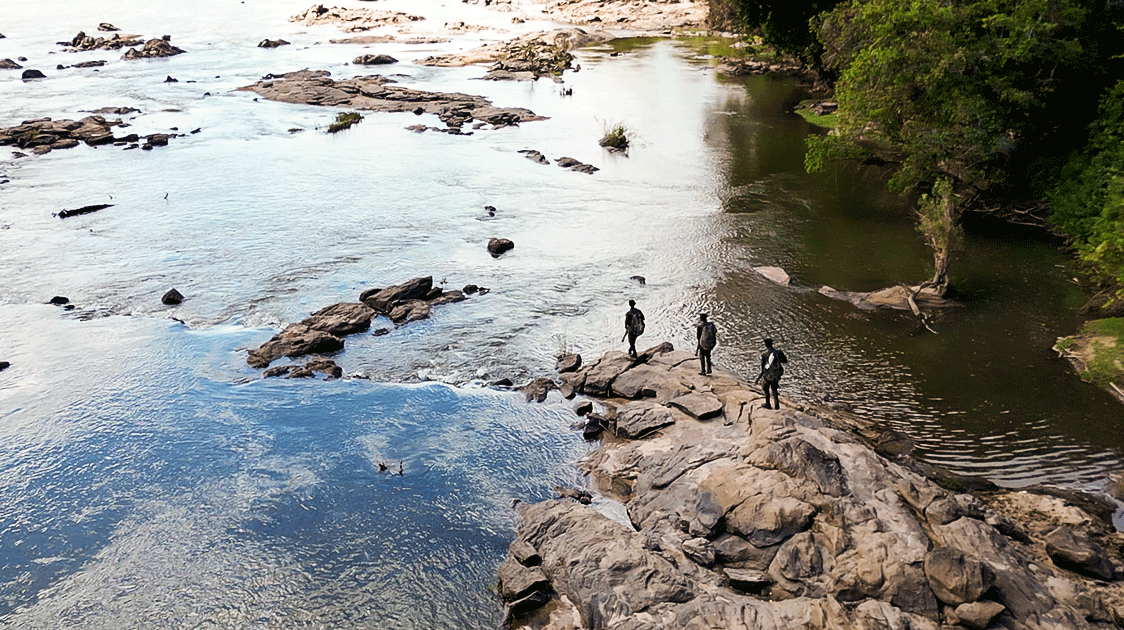
Conservation funders need results cycles that align with their reporting periods, usually 1 to 3 years.
Ranger patrols produce measurable outputs within that window: patrol days logged, kilograms of bushmeat seized, snares and traps uplifted, and suspects arrested.
Tenure reform, alternative livelihood programs, and community governance structures operate on decade-long timelines.
They are difficult to attribute, difficult to film and photograph, and near-impossible to package into a two-year funding proposal with quarterly deliverables.
So, they don't get funded at scale.
Patrol's Conservation Funding Paradox laid out the numbers behind this structural mismatch: available conservation funding across Africa meets only 10 to 20% of needs, and what does get funded skews heavily toward interventions with short-term results.
Another issue is institutional inertia.
Protected area management activities are built around enforcement.
Their staff are trained for it, their budgets structured around it, and their performance metrics derived from it.
Recommending a fundamental shift away from enforcement is, for many organizations, a recommendation to restructure themselves out of their current form.
There is another rarely publicized reason enforcement keeps getting funded.
When rangers patrol and wildlife numbers still decline, the narrative becomes underfunding, understaffing, and insufficient political will.
The organization’s credentials remain intact.
And donors are asked for more.
But if an alternative livelihood program fails to reduce poaching, the organization has to answer a question it would rather not be asked: What exactly have we been doing all this time?
Enforcement failure can always be blamed on someone or something else.
Strategic failure cannot.
A multifaceted approach
Enforcement is important.
Protected areas without an anti-poaching presence collapse rapidly as wildlife crime fills the vacuum.
But without parallel economic intervention, enforcement is a holding action at best, and a system that mistakes activity for progress at worst.
Research from scenario-based interviews with bushmeat vendors in Yaoundé and Kinshasa, the two largest bushmeat trading hubs in Central Africa, found that interventions most likely to produce lasting behavior change were a combination of three things applied together.
- Tighter supply chain control.
- Demand reduction targeting urban consumers.
- And livelihood or enterprise training for vendors.
Each lever alone produces a limited effect.
Applied in combination, the research suggests meaningful and durable behavior change is achievable.
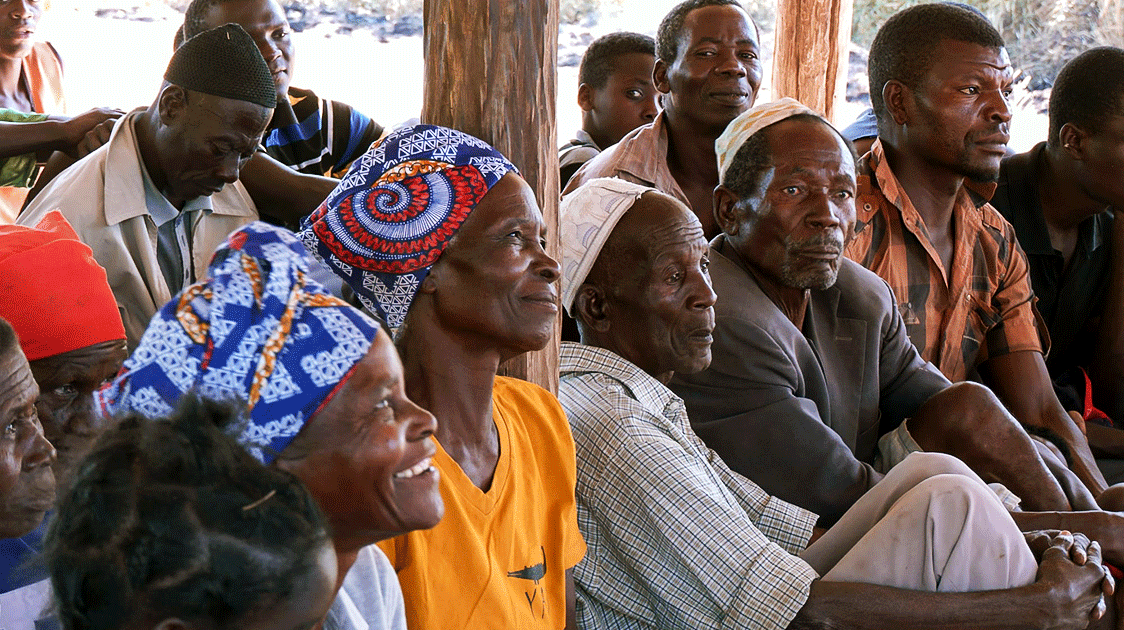
Meanwhile, a Malawi-based study involving 250 interviews with people living around four protected areas found that respondents were most likely to substitute poaching for legal activities under alternative income projects, specifically microenterprise and skills training.
- Not under increased patrol pressure.
- Not under stricter penalties.
- But under the offer of a financially comparable alternative.
This clearly points to economic intervention as the necessary complement to enforcement.
Treat the Symptoms or Solve the Problem? framed this question.
An antelope dies in a snare 200 kilometers from the nearest city.
By evening, it is on a restaurant plate.
The bushmeat pipeline runs whether or not rangers are in the field because it is an economic system that sidesteps enforcement.
Until interventions are designed to address the mechanics of the economic system, no number of boots on the ground will break the bushmeat trade.
This is Part 4 of Patrol's ongoing investigation into the bushmeat trade. The preceding articles — The Economics of Protein Supply in Africa, Beyond Economics: How Culture Shapes Africa's Protein Consumption Patterns, and Conservation vs. Livelihoods — provide the economic and cultural context for the policy failures examined here.
Zimbabwean native Zig Mackintosh has been involved in wildlife conservation and filmmaking for 40 years. Over the years, he has traveled to more than 30 countries, documenting various aspects of wildlife conservation. The sustainable use of natural resources as an essential conservation tool is a fundamental theme in the film productions with which he is associated.