Conservation Success versus Human Costs


By Mathen “Rajeev” Mathew
The Wildlife Economy Forum has been hosting regular webinars for several years, creating a vital platform for free and open dialogue on the complex challenges of wildlife management, sustainable resource use, and people-centric conservation.
These monthly sessions bring together scientists, policymakers, community leaders, and practitioners to examine pressing issues that often go unnoticed in national headlines.
On 27th March 2026, the Forum hosted a particularly timely webinar focused on the escalating problem of human-wildlife conflict (HWC) across India.
Three distinguished panellists explored the difficult trade-offs between the undeniable successes of India’s wildlife conservation efforts and the profound human costs borne by rural, tribal, and forest-fringe communities living alongside increasingly abundant wildlife populations.
Human-wildlife conflict occurs when animals and people compete for space and resources, resulting in injury, death, crop and livestock losses, and property damage.
While conservation has delivered remarkable recoveries — most notably through Project Tiger — many local communities now face daily threats that disrupt their livelihoods and safety.
The webinar highlighted how these conflicts are not merely isolated incidents but symptoms of deeper policy, governance, and socio-economic imbalances that demand urgent attention.

Key Highlights from the Panellists
Dr H.S. Pabla, former Principal Chief Conservator of Forests and Chief Wild Life Warden (PCCF & CWLW) of Madhya Pradesh, opened the discussion with sobering statistics drawn from nationwide data.
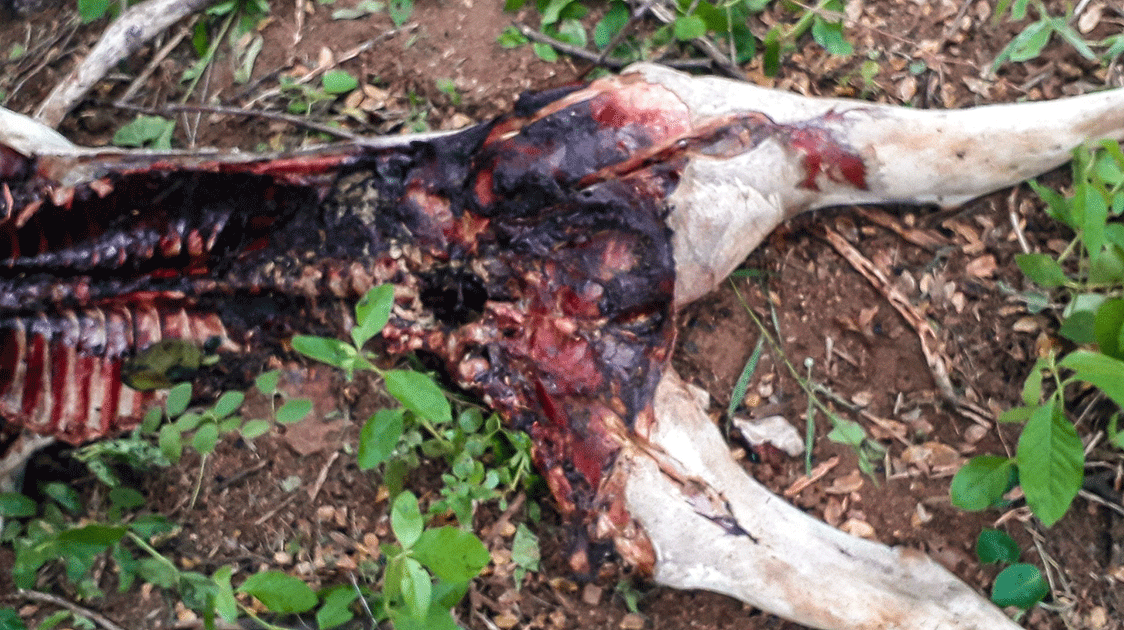
India records at least 1,500 human deaths every year from wildlife attacks, a figure that likely under-represents the true toll when indirect causes and unreported cases are considered.
Beyond lives lost, the economic damage is staggering: widespread destruction of crops, predation on livestock, and harm to homes and infrastructure place immense financial strain on already vulnerable families.
Dr Pabla emphasised that these impacts are not evenly distributed; they fall heaviest on marginalised rural households who depend directly on forests and farmland for survival.
Ramit Basu, an expert on local governance, turned the spotlight onto the constitutional and legal tools already available at the grassroots level.
He underscored the pivotal role of Panchayats — the elected village councils established under the 73rd Constitutional Amendment — as frontline institutions for managing HWC.
Panchayats possess both the mandate and the legal provisions under various central and state Acts to coordinate rapid response, compensation claims, and preventive measures.
Basu argued that empowering these local bodies could bridge the gap between distant forest bureaucracies and the immediate realities faced by villagers, enabling faster, more culturally appropriate solutions.
From the Northeast, Salam Rajesh brought a region-specific perspective that added crucial nuance to the national debate.
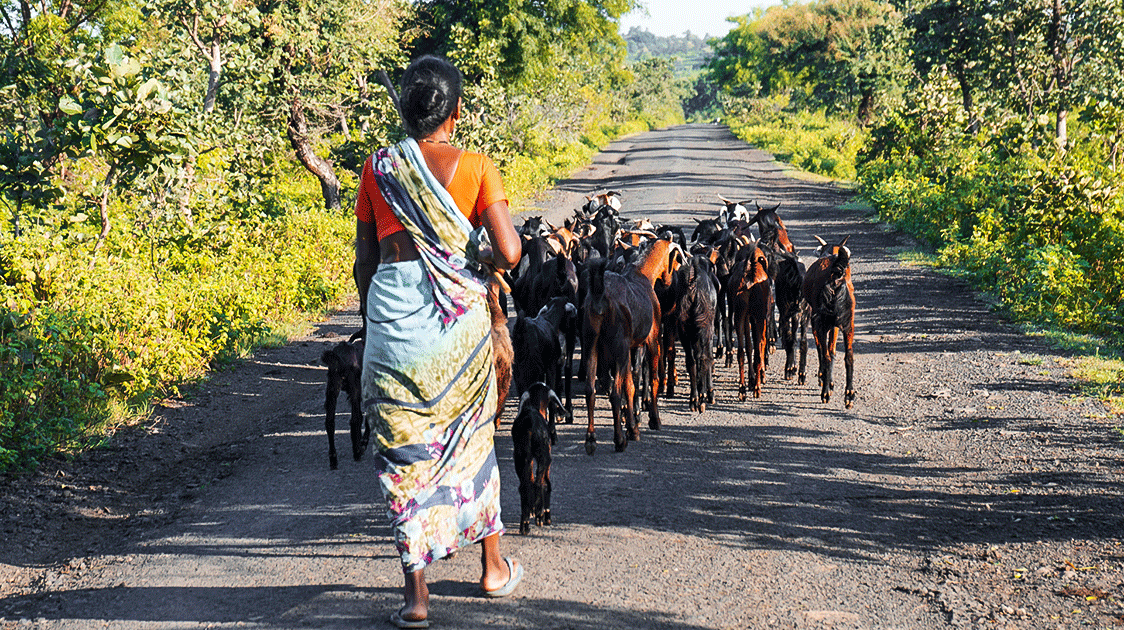
The Northeast’s unique landscape of community-owned forests, customary land tenure systems, and traditional hunting practices creates distinct conservation challenges.
Unlike much of mainland India, where forests are largely state-controlled, many areas in states like Nagaland, Meghalaya, and Arunachal Pradesh operate under community stewardship.
These arrangements have historically supported biodiversity, but now complicate efforts to regulate wildlife populations and prevent conflict.
Rajesh highlighted how cultural practices, while deeply rooted, sometimes clash with modern conservation laws, calling for sensitive, locally tailored approaches rather than one-size-fits-all policies.
Core Issues Discussed: Policy Gaps and the Need for Balance
The panellists collectively exposed critical policy gaps that have allowed human-wildlife conflict to intensify even as conservation achievements mount. A central theme was the urgent prescription for sustainable wildlife population management.
Experts debated the concept of “saturation numbers”—the ecological carrying capacity beyond which wildlife populations spill into human-dominated landscapes, triggering conflict.

Without active management, successful species recovery can become self-defeating when animals exceed the carrying capacity of shared landscapes.
Another recurring concern was the limited involvement of local communities in conservation planning.
Very often, decisions are made in state capitals or national ministries with little input from those who live with the consequences.
The discussion repeatedly returned to a troubling perception: in the current system, wildlife frequently appears to enjoy greater protection and priority than the rights and safety of the people living alongside them.
This imbalance, the panellists agreed, cannot continue if conservation is to remain socially sustainable.
Yet there was also cautious optimism that policy reforms and ground-level innovations could soon align to deliver win-win outcomes for both wildlife and the rural, marginalised, and tribal communities, now under severe pressure.
Breaking Departmental Silos for Coordinated Action
A major barrier identified was the persistent isolation of government departments.
Wildlife issues are typically handled solely by the Forest Department, while the human dimensions — livelihoods, agriculture, health, and justice — fall under separate ministries.
The panellists called for a coordinated, whole-of-government approach involving the Forest Department, Panchayati Raj Institutions, Tribal Affairs, Agriculture, Culture, and Tourism ministries.
Such integration could unlock resources for habitat management, alternative livelihoods, and conflict mitigation.
The National Legal Services Authority (NALSA) was highlighted as a potential game-changer.
Mandated to provide free legal aid to the poor, the marginalised, and victims of HWC, NALSA could help affected communities access justice more effectively.
Recent judgments by the Bombay and Kerala High Courts have already set important precedents, recognising the government’s failure to prevent repeated wildlife attacks as a violation of fundamental rights under Article 21 of the Constitution (the right to life and personal liberty).
These rulings open the door for systemic accountability and stronger enforcement of compensation and preventive measures.
The Unsustainable Cost of Compensation
Even well-designed compensation schemes are proving financially unsustainable in practice.
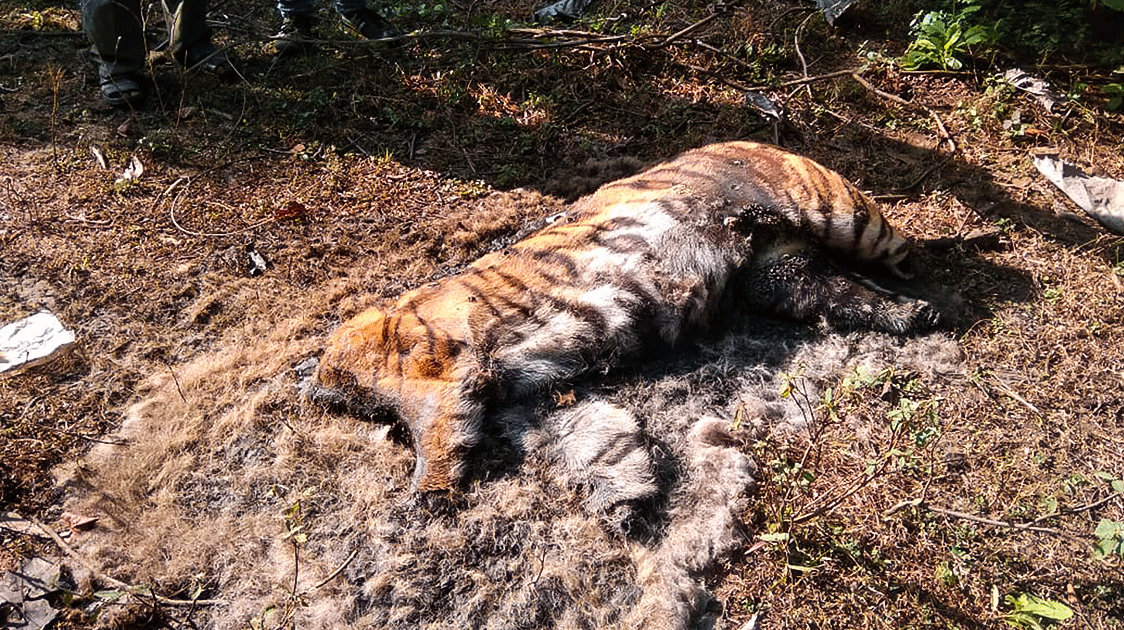
Dr Pabla cited a 2025 study by Dr Milind Watve, which estimated that annual crop and property losses in Maharashtra alone range between ₹10,000 crore and ₹40,000 crore (approximately $105–422 million).
Yet current schemes compensate only 1–2% of this damage. The shortfall arises from bureaucratic delays, inadequate loss valuation, limited budgets, and complex claim procedures that many illiterate or remote villagers cannot navigate.
The result is widespread resentment, occasional retaliatory killings of animals, and a deepening sense that conservation benefits urban elites and tourists while the costs are borne disproportionately by the poorest.
A Practical Vision for “Painless Conservation”
To address these challenges, Dr Pabla proposed a pragmatic three-pronged framework for “painless conservation”—a model designed to protect both wildlife and human well-being without forcing painful trade-offs:
1. Dedicated Protected Areas: Core zones such as national parks and wildlife sanctuaries reserved exclusively for wildlife, where human activity is strictly limited to regulated eco-tourism and scientific research. These areas would serve as secure breeding grounds and genetic reservoirs.
2. Shared Landscapes: Transitional buffer zones where wildlife populations are actively managed at sustainable levels compatible with human presence. Through scientific monitoring, habitat enrichment, and, where necessary, regulated population control, these areas could support both biodiversity and local livelihoods.
3. Human-Dominated Landscapes: Agricultural and settlement zones where wild animals are proactively excluded through physical barriers, early-warning systems, translocation, or non-lethal and lethal methods to safeguard human safety and economic activities.
This zoning approach, when integrated with the Wildlife (Protection) Act 1972, the Panchayats (Extension to Scheduled Areas) Act, the National Legal Services Authority Act, and proven community-led models from the Northeast, could provide the legal and institutional foundation for a more balanced national policy.
Success stories from community-managed forests in the Northeast demonstrate that locally driven conservation can work when people have ownership and economic stakes.
The Human Cost of Conservation Successes
The webinar featured a candid exchange that captured the emotional core of the debate.
One participant advanced an animal rights viewpoint, questioning any form of population management or the sustainable use of wildlife.
In response, another speaker voiced the frustrations of rural and forest-fringe communities: why has the global celebration of Project Tiger’s success come at the expense of lost livelihoods, economic ruin, and existential threats for millions?
Increasing populations of wild boars, antelope, deer, bears, tigers, leopards, and elephants have turned once-productive farmlands into nightly battlegrounds and turned routine forest activities into life-threatening endeavours.

India’s conservation narrative is rightly praised internationally, yet it rests on a colonial-era “fortress conservation” model that treats forests as exclusive wildlife domains and people as intruders.
The poorest and most vulnerable—often tribal and marginalised families with minimal access to healthcare, credit, or legal recourse — shoulder a disproportionate economic and social burden.
Women and children, who frequently collect firewood, fodder, or water, face the highest risks.
These communities rarely share in the tourism revenue or global acclaim generated by charismatic species, yet they pay the daily price in blood, sweat, and lost opportunity.
Conclusion: Towards an Equitable and Sustainable Future
The webinar concluded with a clear call for transformation.
India must move beyond the current zero-sum approach to a more equitable conservation model — one that reduces conflict through intelligent zoning and management, channels tangible economic benefits to local communities, and secures the long-term survival of the country’s extraordinary wildlife heritage.
By integrating scientific population management, genuine community participation, inter-departmental coordination, and legal empowerment, policymakers can create a “wildlife economy” that works for people and wild animals alike.
The sacrifices of rural India have sustained some of the world’s most celebrated conservation victories.
It is now time to acknowledge those sacrifices fully and build a system that rewards rather than punishes the very communities whose lands host India’s rich and varied biodiversity.
Only then can conservation move from being a source of tension to a shared national success story that uplifts both nature and the millions who live beside it.
Mathen ‘Rajeev’ Mathew is a consultant with Zen Technologies Ltd., Hyderabad. He is Vice President, Asian Affairs, IWMC World Conservation Trust, and a Member of the IUCN CEESP, SSC and the SULi Specialist Group. He is a former Expert Committee Member in the National Biodiversity Authority (NBA) for Red Sanders and E-Bird, and a former Member of the State Board for Wildlife, Telangana State. He hosts a free monthly webinar on wildlife issues worldwide, with a special focus on India and Southern Africa.