Targeted Poaching of Lions for Body Parts Trade

By Dr Daniel Stiles
A recent publication by Lindsey et al. reviewed evidence for lion population changes, targeted illegal killing and body parts trafficking incidents in parts of Africa.
Although the article admits that “no datasets were generated or analyzed during the current study", it nevertheless concludes that “Lions (Panthera leo) in Africa are targeted for the illegal wildlife trade, driven by demand in African and Asian markets, for their body parts.
This threat is distinct from traditional drivers of lion decline. such as prey depletion, habitat loss, and persecution, and is poorly understood, underreported, growing, and prone to the influence of organized transnational crime.”
Data sources
The anecdotal cases the study cites certainly support the contention that targeted killing and trade in the parts are occurring, and that in a few known localities lion populations have declined in recent years, but a review of available data reveals that since 2020, only one study in Mozambique supports the conclusion that targeted wild lion killing for parts has been growing.
The drivers of the killing are a combination of supply for both African traditional medicine and cultural uses, and export to Asian markets of bones, canines, and claws.
Out of a total population of ~1,200-1,500 lions in Mozambique, the study documented the loss of 69 lions to targeted killing between 2010 and 2023.
It increased significantly over time, from an average of 1 lion killed per year between 2010 and 2017 to an average of 7 per year between 2018 and 2023. The drivers were a combination of retaliation killings and for body parts only.
One earlier study by Everatt et al. 2019 demonstrated that between 2011 and 2018, 35% of anthropogenic deaths, or 17 lions, were targeted killings for their parts in the contiguous Limpopo National Park (LNP) in Mozambique and Kruger National Park (KNP) in South Africa.
In the first three years, none were lost (2011-2013) to targeted killing; all 17 killed were in 2014-2018, comprising 66.4% of all human-caused lion mortalities.
Hübschle conducted a baseline study on poisoning incidents in the Great Limpopo Transfrontier Conservation Area (GLTFCA) from January 1, 2008, to July 18, 2019.
A total of 172 people were interviewed, and another 51 research participants shared their knowledge and experiences during focus groups.
Lions were the primary victims of predator poisonings: 43 lions were poisoned between 2008 and 2019.
The majority of these poisoning incidents were linked to human-wildlife conflict scenarios and happened in the Mozambican part of the GLTFCA. In five cases, body parts were removed.
The removal of lion body parts and bones appears to have been opportunistic. Hübschle could find no links to established criminal networks or illegal wildlife supply chains.
One conservation official explained that the illegal lion bone trade involves a complex logistical process, including, but not limited to, transporting heavy lion bones.
Some lion bones were removed in one poisoning incident.
The study did not find that lions were targeted for their parts, but it did mention the conclusions of Everatt et al. 2019.
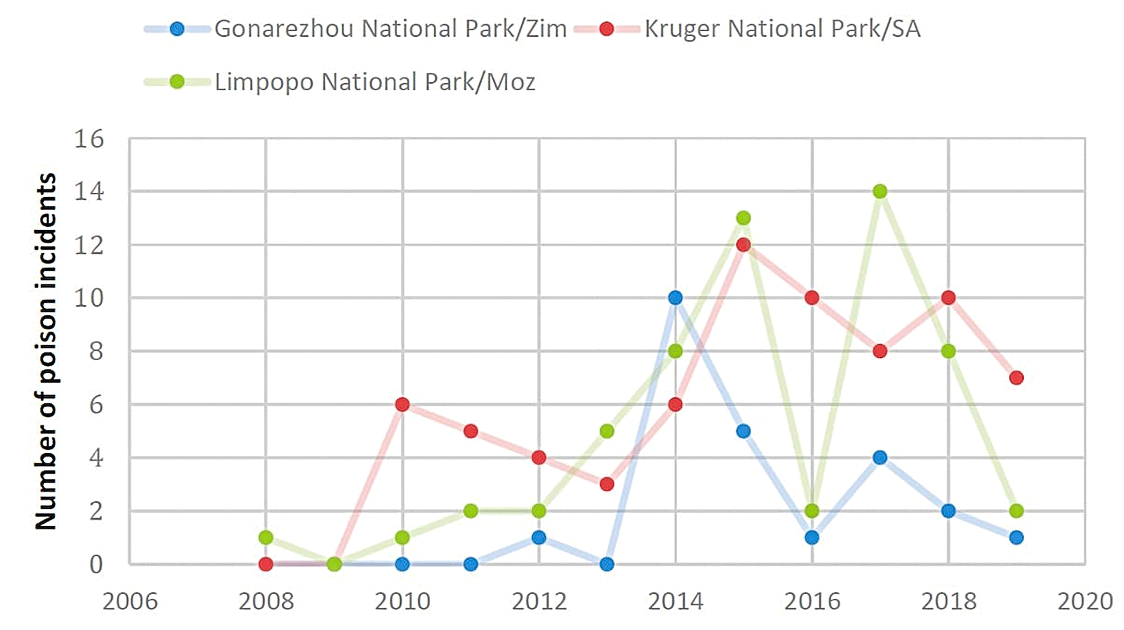
In all of the studies involving lion killing, the most common method employed was poisoning using aldicarb (aka Temik).
No other study could be found providing data on the actual numbers of lions that were killed in targeted incidents for their parts.
Other data sources
Nicholson et al. 2025 provides data on 132 informants’ opinions about changes in lion population numbers and degree and type of threats.
Lions were poached for parts in 30 % (n = 40) of surveyed subpopulations. The most frequent parts sought were skin, claws, teeth and fat.
Many respondents were unsure of the market for these parts (n = 15, 37.5 %) and only two respondents felt they were solely for the international market.
Some perceived that parts were collected for both local and international markets (n = 12, 30 %). However, 27.5 % (n = 11) of those respondents who thought lions were poached for parts, thought that the parts were for the local markets within country only.
Williams et al. 2025 investigated evidence for the cultural uses of 33 African carnivore species (Felidae, Viverridae, Nandiniidae, terrestrial Mustelidae) across Africa, which included lions.
They conducted a systematic review and analysis of incidence records from nearly 600 published accounts and 555 YouTube videos.
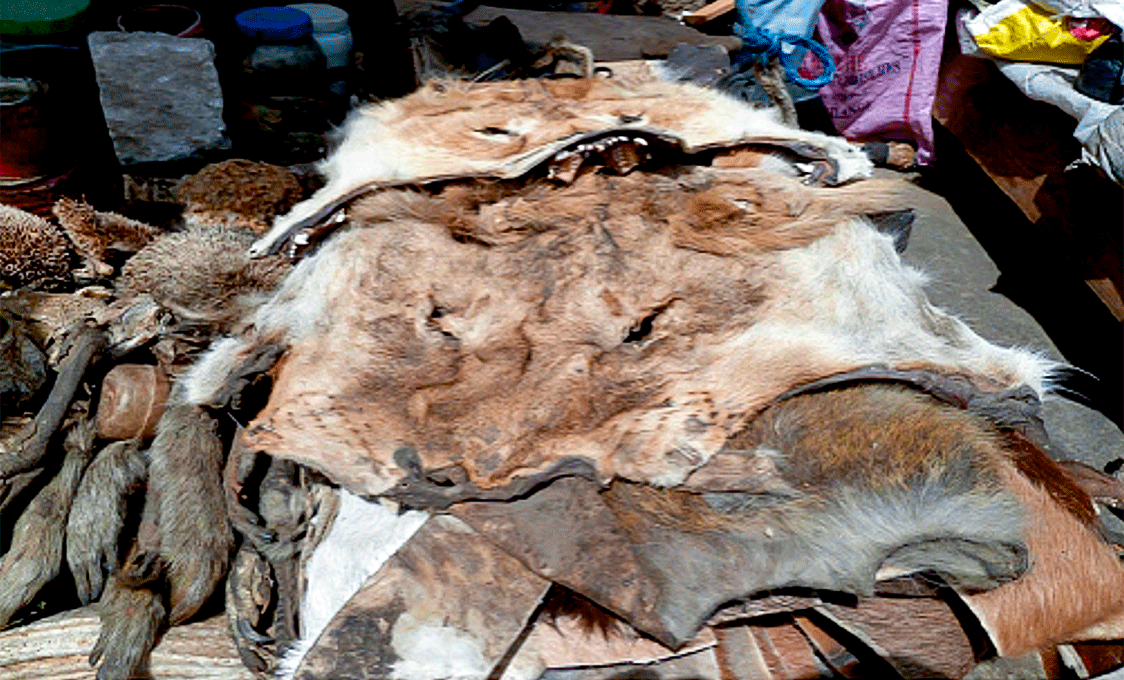
Lions are widely used in the attire of royalty, healing practices, and are periodically killed due to human-wildlife conflict with their parts sometimes subsequently removed and used.
Larger African carnivores like leopard and lion are commonly revered across sub-Saharan Africa as powerful, fierce, and dominant animals symbolizing strength and courage.
Their body parts – like skins, claws, and teeth – are therefore often symbolically associated with empowering and protective qualities and regarded as icons of leadership, authority, wisdom, fear, spirituality, wealth and prestige.
The review excluded reports of trade and trafficking linked to European and Asian markets and multi-national syndicates.
The search yielded > 600,000 results for the period 01 Jan 1979 to 31 December 2020.
Leopard and lion dominated the reporting.
The study concluded that there is pervasive sub-Saharan intra-African trade in carnivore products, with published sources documenting mainly leopard and lion parts.
No references to targeted killing were made, although earlier Williams et al. studies did.
Even though the number of reports increased each decade, the study did not conclude that there has been an increase in body parts use because the number of data sources had also increased.
The Lindsey et al. 2026 lion targeted killing report is a needed publication and raises many important points, but I believe more is known on this subject than the article concludes.
My knowledge of lion poaching is based mainly on a data collection study I carried for UNODC in 2019, including field visits to Thailand, Viet Nam and South Africa, for the 2020 World Wildlife Crime Report and on participation in a Freeland study in 2020 and 2021 on lion poaching in the Great Limpopo Transfrontier National Park, funded by the Endangered Wildlife Trust.
After reading the Lindsey et al. targeted killing publication, I converted my UNODC report into a long article to make the information public. It was summarized in the Big Cats chapter of the 2020 World Wildlife Crime Report.
Historical summary of lion parts trade, 2002-2023
In October 2002, Lao animal trader Vixay Keosavang signed formal agreements with the Lao government that allowed his company Xaysavang Trading during 2003, its first year of business, to traffic more than USD 11 million worth of animals and parts through Laos into Vietnam and China to be eaten in restaurants, used as ornaments or processed into supposedly medicinal tonics.
Included were 20 tonnes of tiger bones.
It soon became apparent that there weren’t enough tigers available for trade in Asia to supply 20 tonnes of bones.
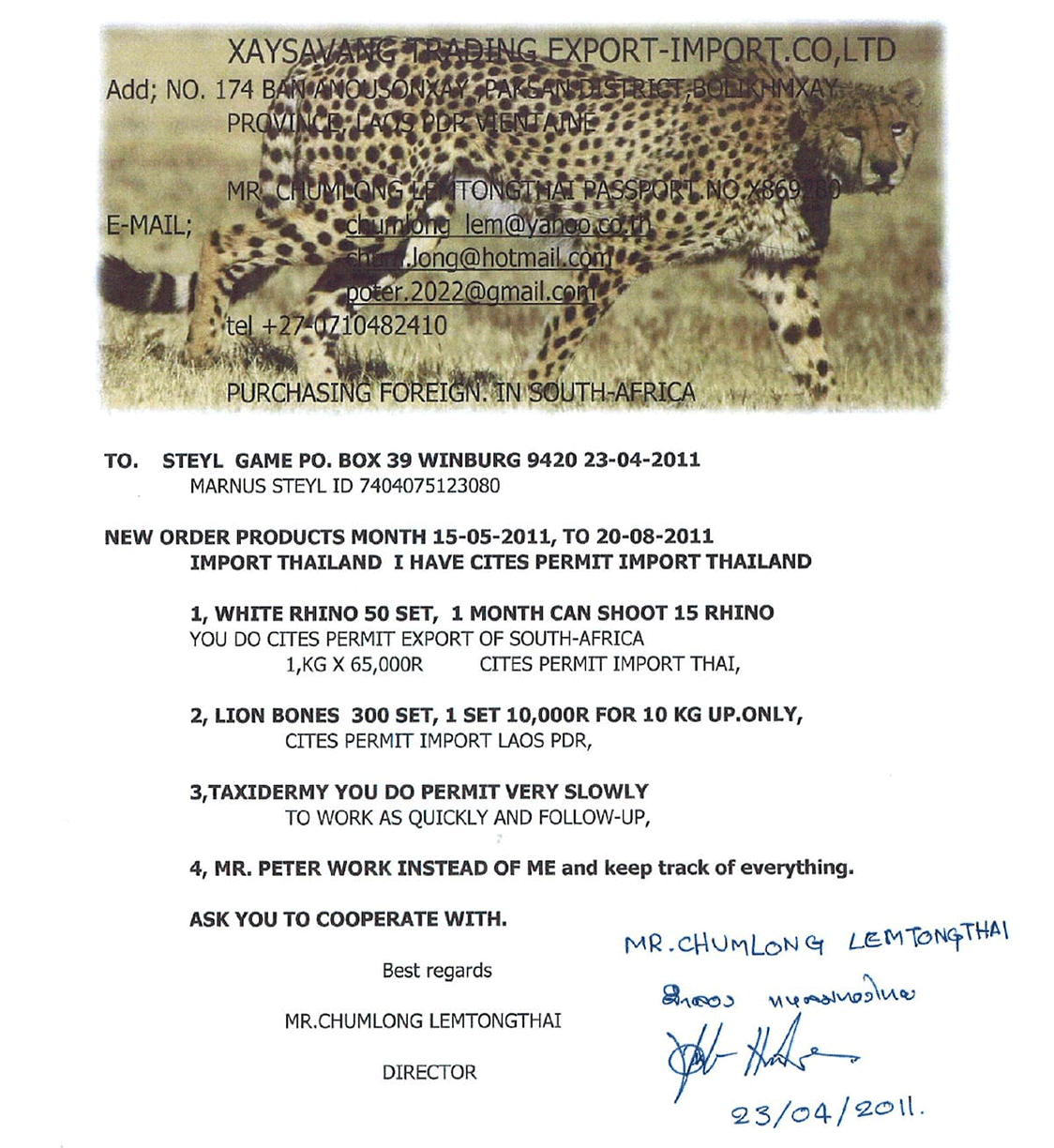
Keosavang hired Thai national Chumlong Lemongthai to go to South Africa in 2005 to purchase lion bones for Xaysavang Trading from game farmers there, since tiger and lion bones are very similar in appearance.
Chumlong began contacting lion breeders and eventually hired Marnus Steyl as his agent to arrange the purchases.
Coincidently, Chumlong learned that some of the game farmers also bred rhinos and he developed what came to be known as the ‘pseudo-hunting’ rhino horn export scam.
The rhino horn was supplied—ostensibly legally—through trophy hunting on participating game ranches.
Some ranches carried out their own hunts, finding clients who were deceived into believing that they were shooting ‘problem animals’ and told that the horns could not be taken as trophies.
Clients paid reduced fees and could only take home photos of themselves with the dead rhino.
The horns ended up with Chumlong.
Chumlong began to carry out his own hunts, using his Thai associates and even Thai sex workers from Johannesburg to put their names on the hunting permits and CITES export permits.
The rhinos were actually shot by professional hunters, but several photos of young Thai women posing as hunters were taken.
The horns were shipped to Thailand with CITES permits.
Chumlong supplied Xaysavang Trading with lion bones and rhino horns until his arrest in June 2011.
He was sentenced to 40 years in prison in 2012, later reduced to 13 years on appeal.
Freeland, an NGO based in Thailand, had been investigating Vixay Keosavang for some time and shared its information with the US government.
The result was that the US Department of State in late 2013 offered a reward of up to USD 1 million leading to the dismantling of the Xaysavang network.
Keosavang withdrew from wildlife trafficking operations in 2014 after the Lao government revoked his license and was replaced by two other Lao companies, Vannaseng Trading and Vinasakhone Trading.
In 2014 the Lao government made an agreement with them to import 10 tonnes of lion bones a year, along with large quantities of ivory, rhino horn and smaller live animals.
The ivory and rhino horn were clearly in breach of CITES regulations.
Vannaseng Trading and Vinasakhone Trading made up what was essentially a continuation of the Xaysavang Network.
To enable sourcing of increased quantities of bones, ivory and rhino horn that the Lao agreement allowed them, Xaysavang teamed up with the Kromah Network, made up of West Africans, based in Kampala, Uganda.
In later investigations, a bank wire was found from Vannaseng for USD 190,000 made in 2014 to Kromah’s bank.
Moazu Kromah set up operations in Maputo and Nampula, Mozambique (Freeland investigation).
His people worked mainly with Vietnamese traffickers and they may have had links with a small group of traffickers running poaching operations in the GLTFCA based in Massingir, Mozambique.
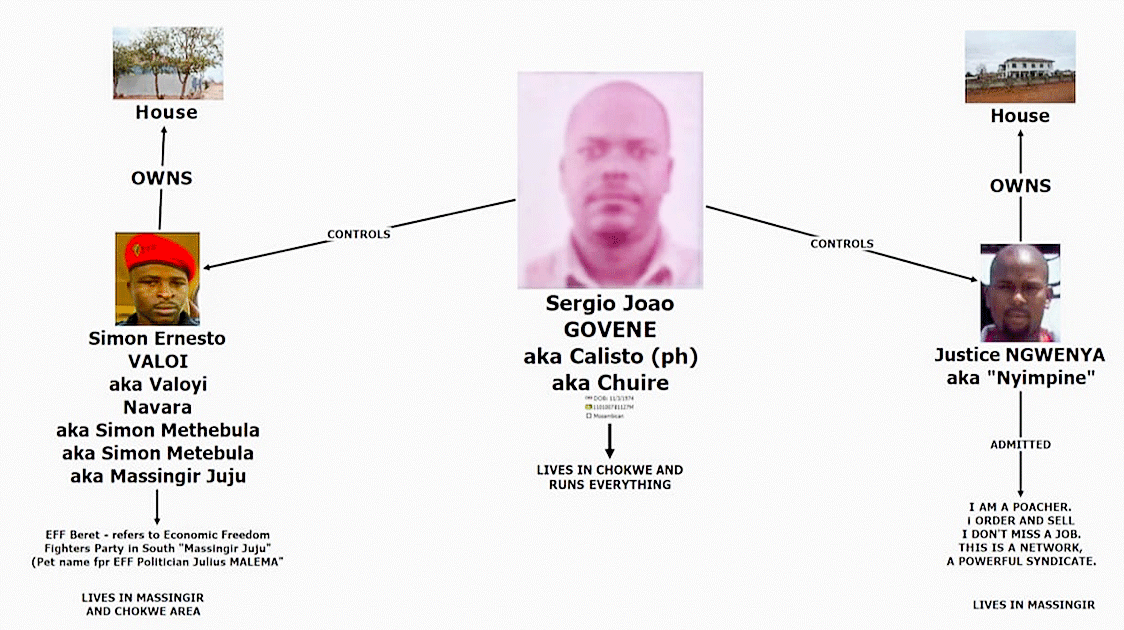
Simon Ernesto Valoi (aka Navara) was the most notorious of these, working with Sergio Joao Govene (aka Calisto) and Justice Ngwenya (aka Nyimpine).
They had contacts with various Mozambique government and law enforcement officials, as seized phone records showed.
Collecting lion parts, rhino horns and ivory from their poachers operating mainly in KNP and LNP, Valoi would transport the product to Maputo.
Apparently, he or his assistants would sell to multiple buyers, usually Vietnamese, but I believe also to Kromah associates based there.
Several shipments attributed to Kromah of ivory, rhino horn and big cat bones were seized that originated in Mozambique (SeeJ-Africa data) en route to Vietnam, Laos or Cambodia.
Arrests and convictions of Moazu Kromah and four of his lieutenants in 2019-2020 disrupted the export part of the trade chain, and the arrest in 2022 and conviction in 2024 of Valoi and an associate disrupted trade at the wild supply level.
Other sources of lion parts
The Traffic/Wildcru 2015 report lays out in detail the timeline showing some of the events leading to the transition from Asian tiger to African lion and other big cat bones in the making of Asian tiger wine and other medicinal bone forms, mainly increased legal restrictions on tiger farming and commercial bone use.
Lion bone exports from South African breeding farms to South East Asia began in 2008, according to the CITES Trade Database. Some are indicated as wild-sourced, others captive bred.
Like Chumlong Lemtonthai, the suppliers were mostly lion breeders.
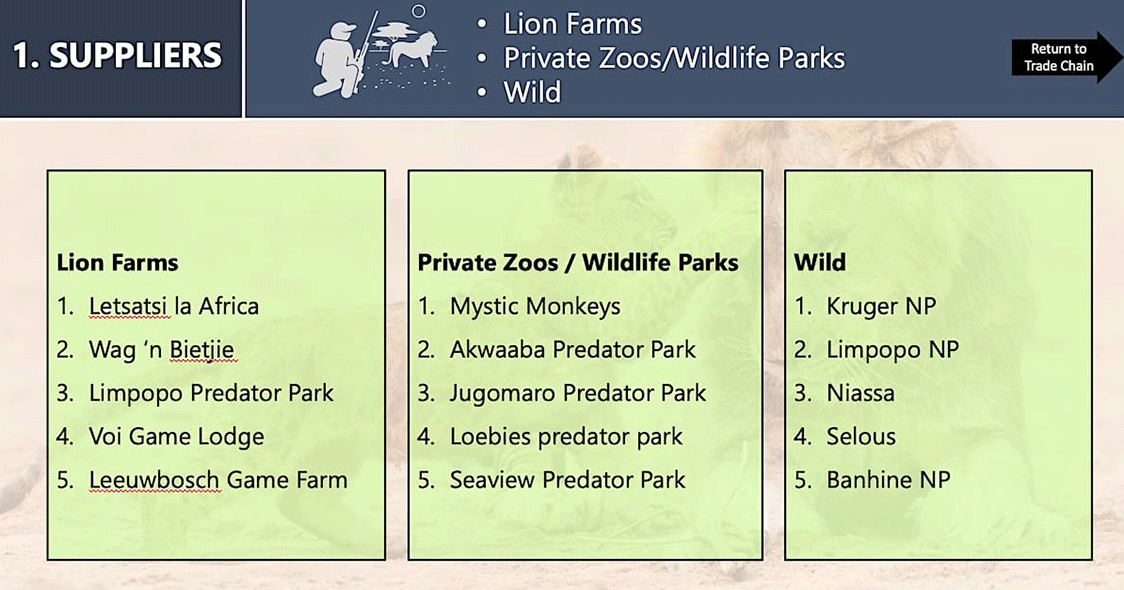
The Freeland study identified three types of big cat body part supply: farmed, poached from wildlife facilities and wild.
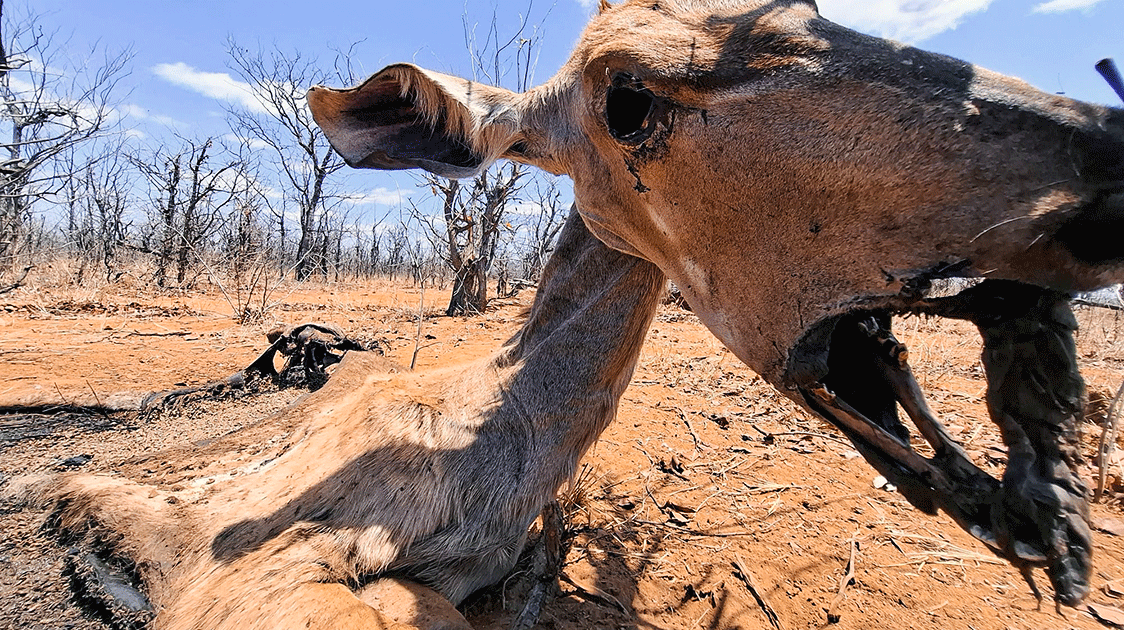
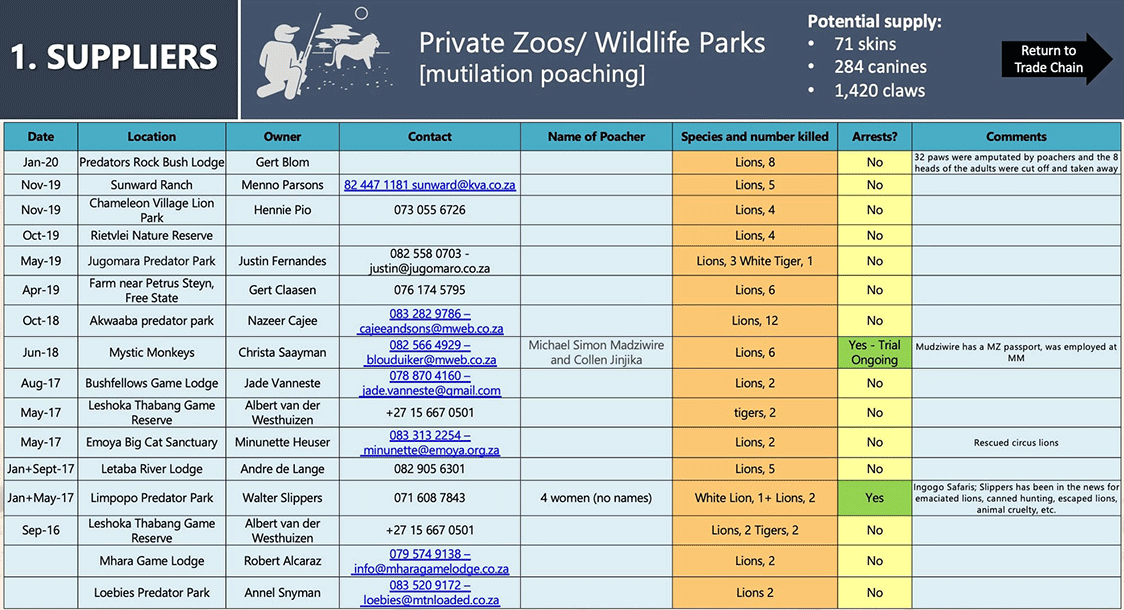
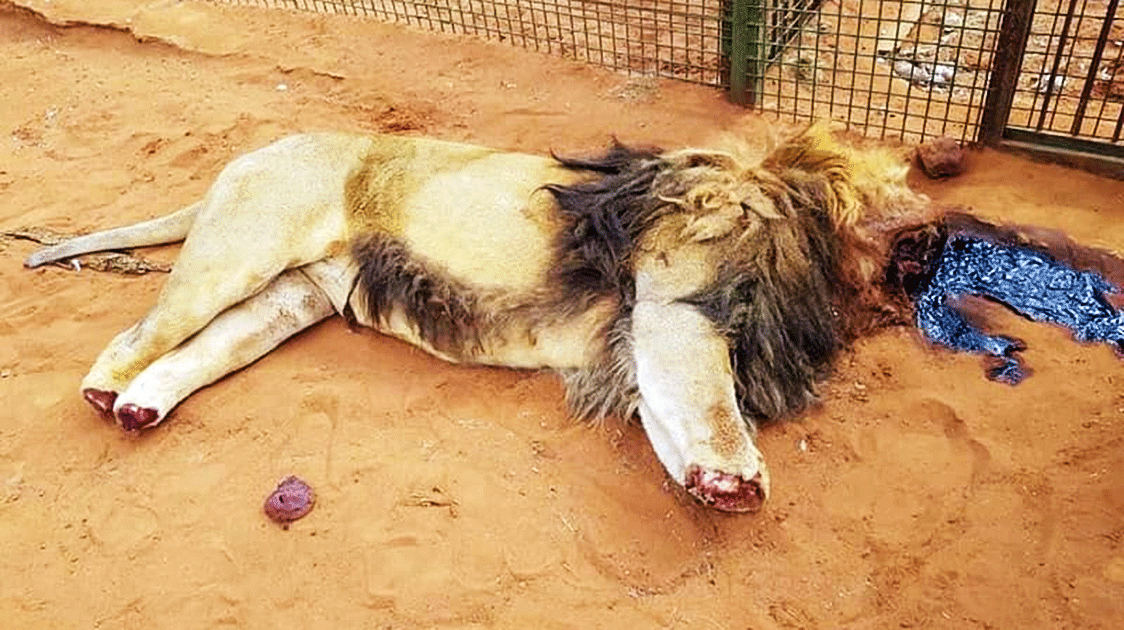
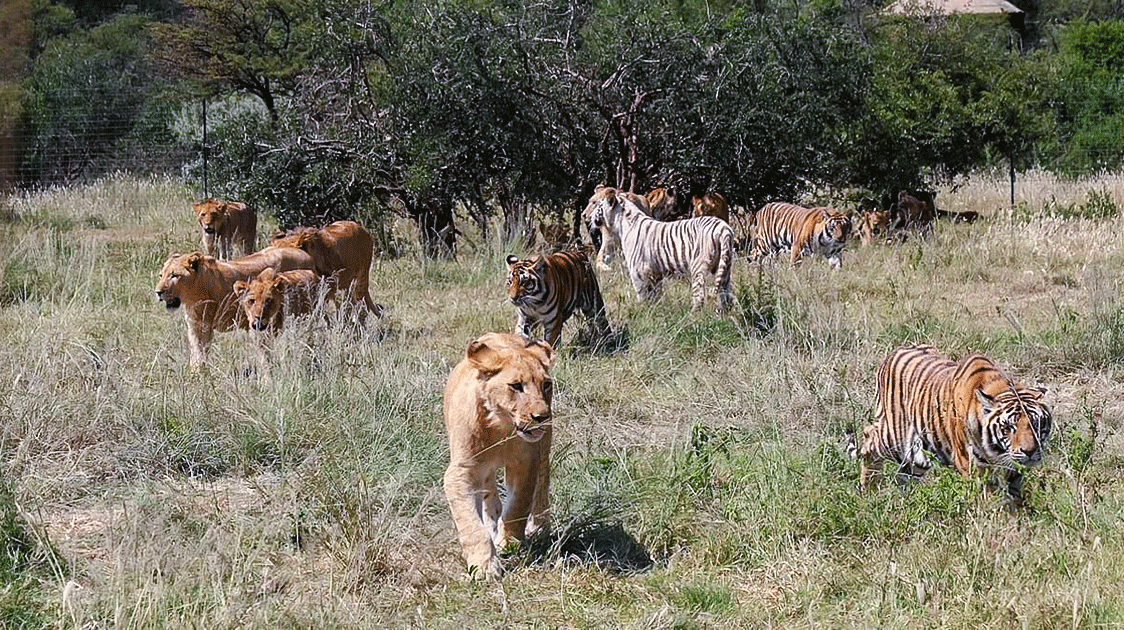
Between September 2016 and January 2020 there was a spate of lion poisonings and mutilations in South Africa’s wildlife facilities. Some 71 lions are known to have been poisoned, with parts removed. Temik was the poison of choice.
Lion bone supply originates primarily at the lion farms. These have grown steadily along with lion and tiger numbers in them since the 1990s.
The breeder farms are in the hundreds, big cat numbers up to 12,000, many more than found in the wild in South Africa.
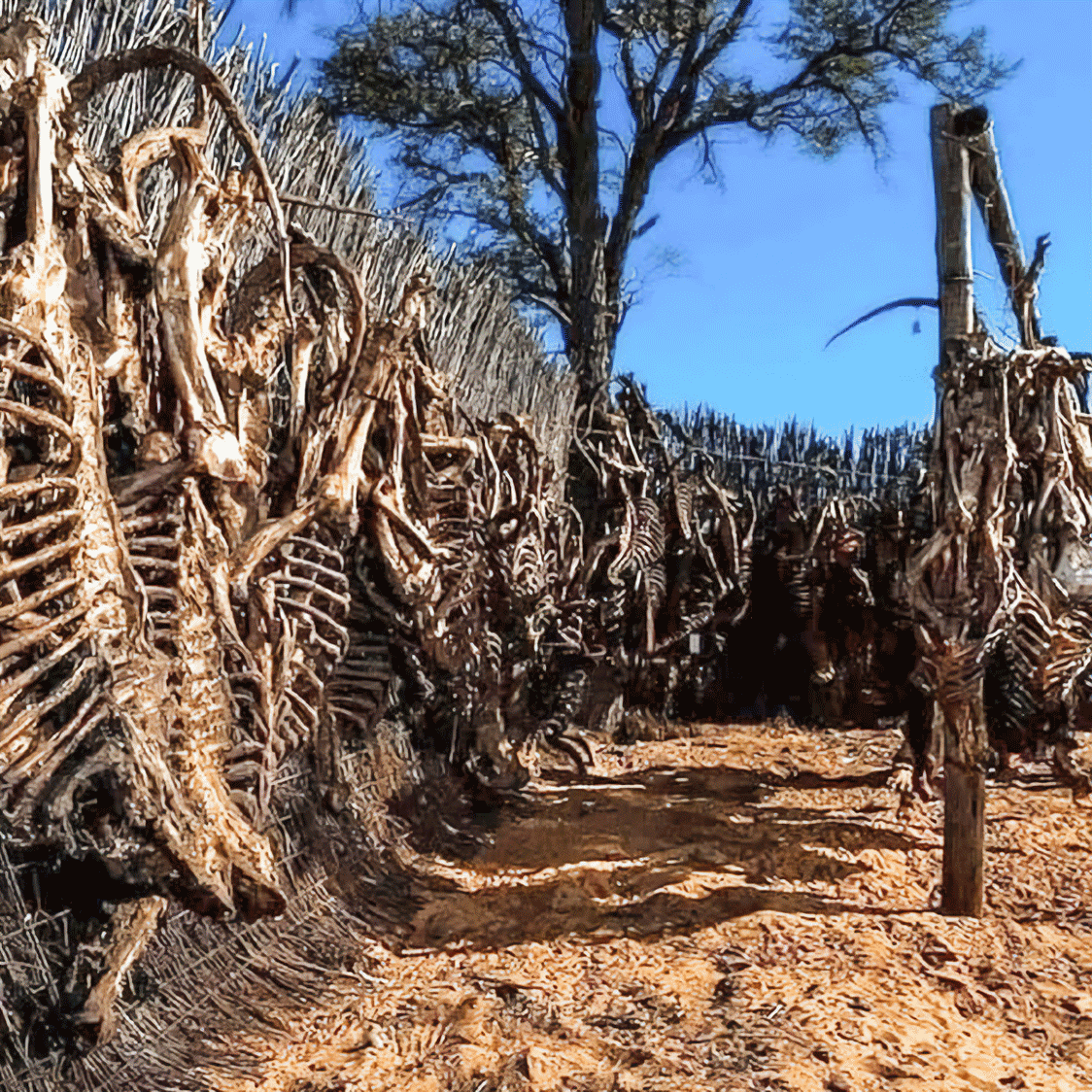
Between 2008 and 2016, more than 6,000 lion skeletons were exported from South Africa, with legal exports rising from approximately 50 individuals in 2008 to a maximum of 1,771 skeletons in 2016, according to research published in PLOS One.
In 2018, South Africa ceased giving a lion bone export quota, making lion bone exports illegal.
All lion bone exported since then has been smuggled out.
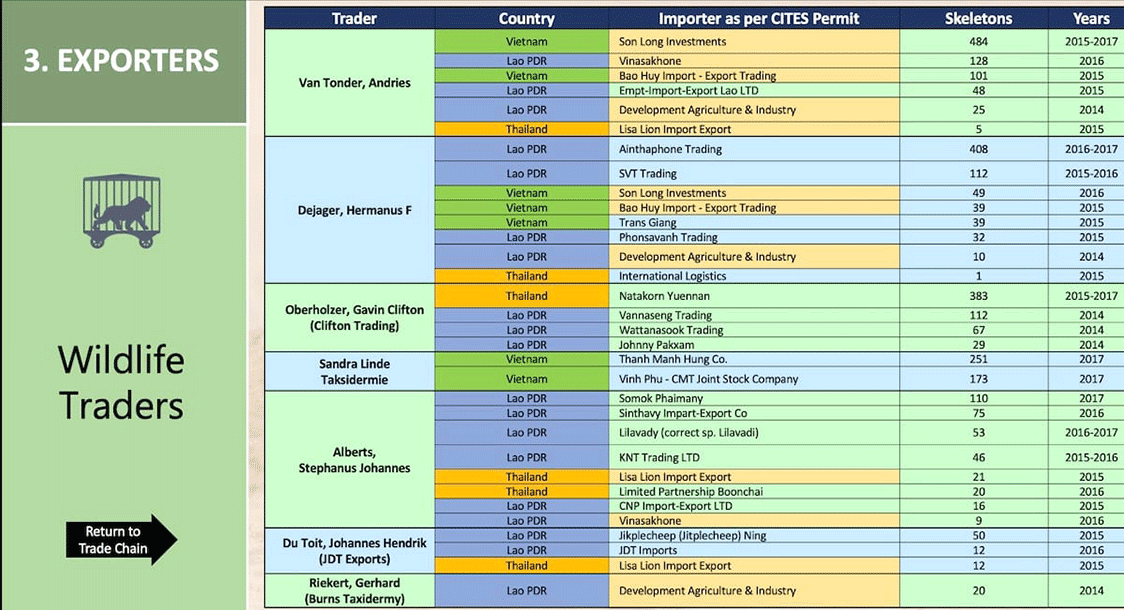
Many other South East Asian traders besides Vannaseng and Vinasakhone have got into the business.
Products
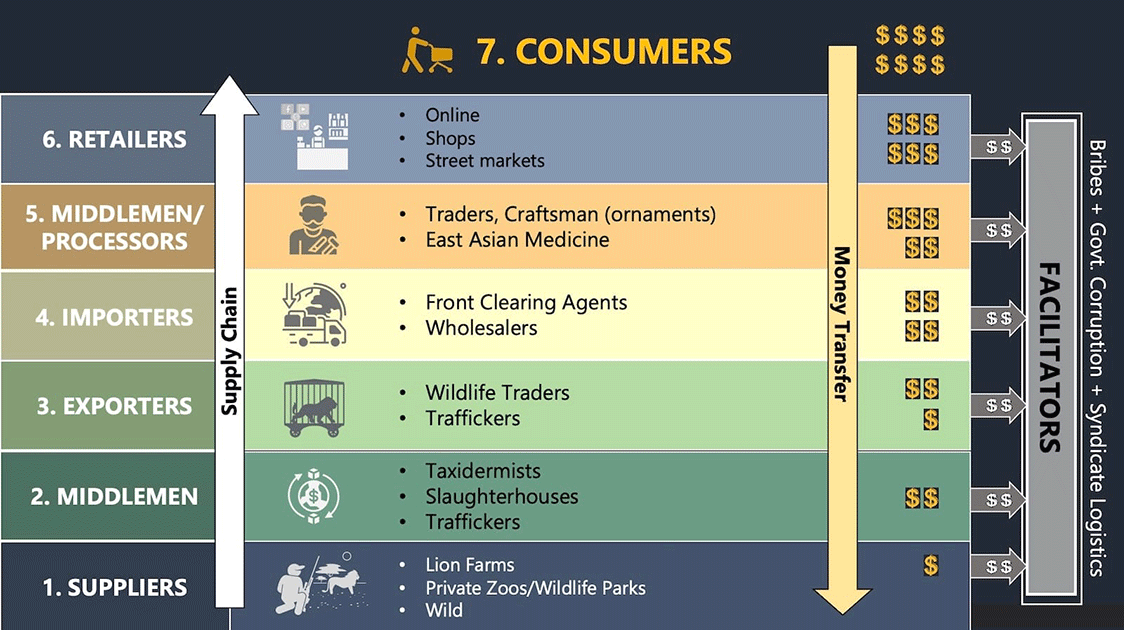
The importers sell the raw products on to processors, who convert the parts into either traditional medicines or ornaments.
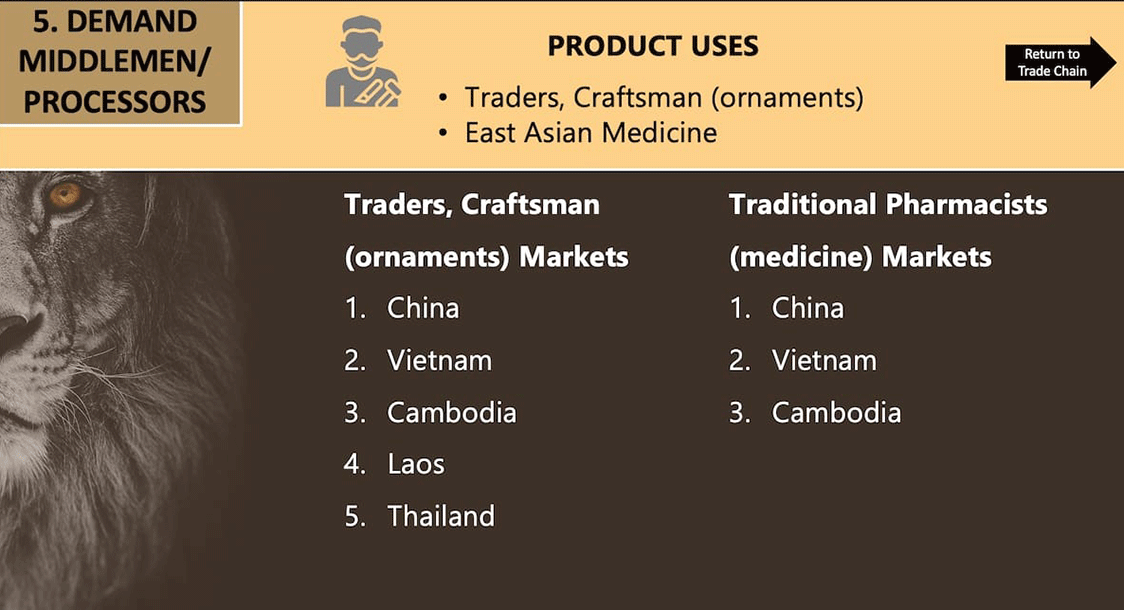
Big cat bones are used to make medicinal “tiger” wine and the Vietnamese tiger cake (cao hổ) and the canines and claws are fashioned into ornaments.
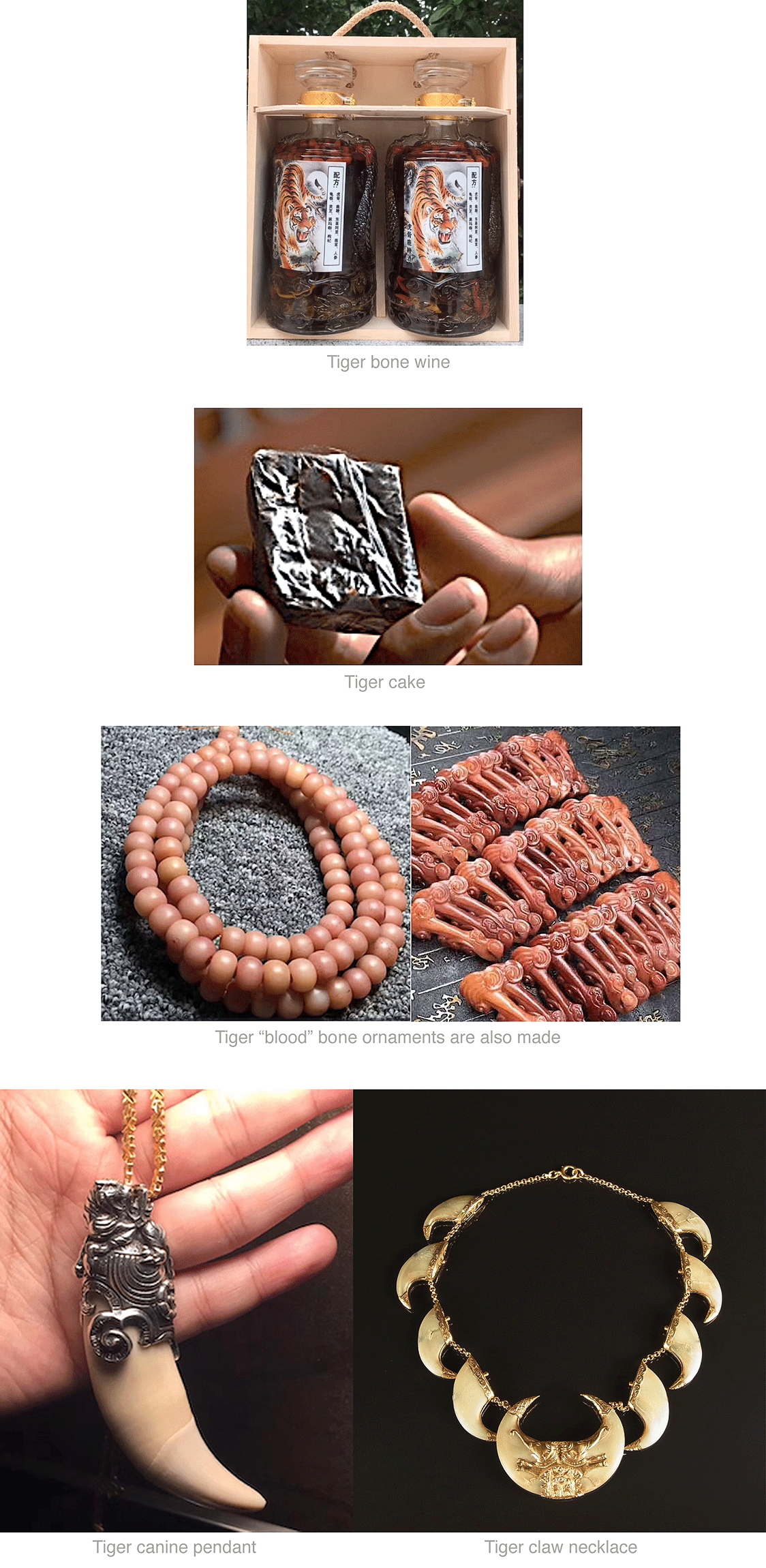
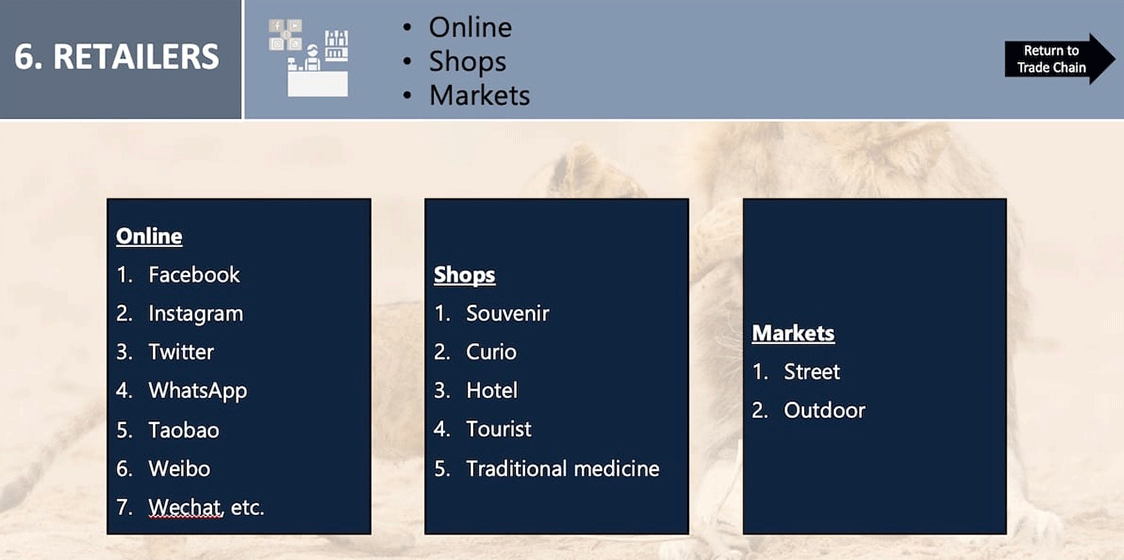
Once processed, the products are sold to consumers online, in shops or in Asian markets.
The northern Viet Nam village of Nhi Khe used to specialize in both online and shop selling of wildlife products. Busloads of Chinese tourists came every day to Nhi Khe to stock up on wildlife products to take home, and several traffickers sold products online from Nhi Khe.
Chinese dealers also came to this village to buy ivory items wholesale and smuggled suitcases of trinkets and carvings home to mainland China for illegal sale.
The entire trade chain for big cat parts is shown below.
Conclusions
Little is known about the quantities of lion parts that are being exported currently or on the supply sources or trafficking networks.
Recent seizures and arrests demonstrate that it is still occurring.
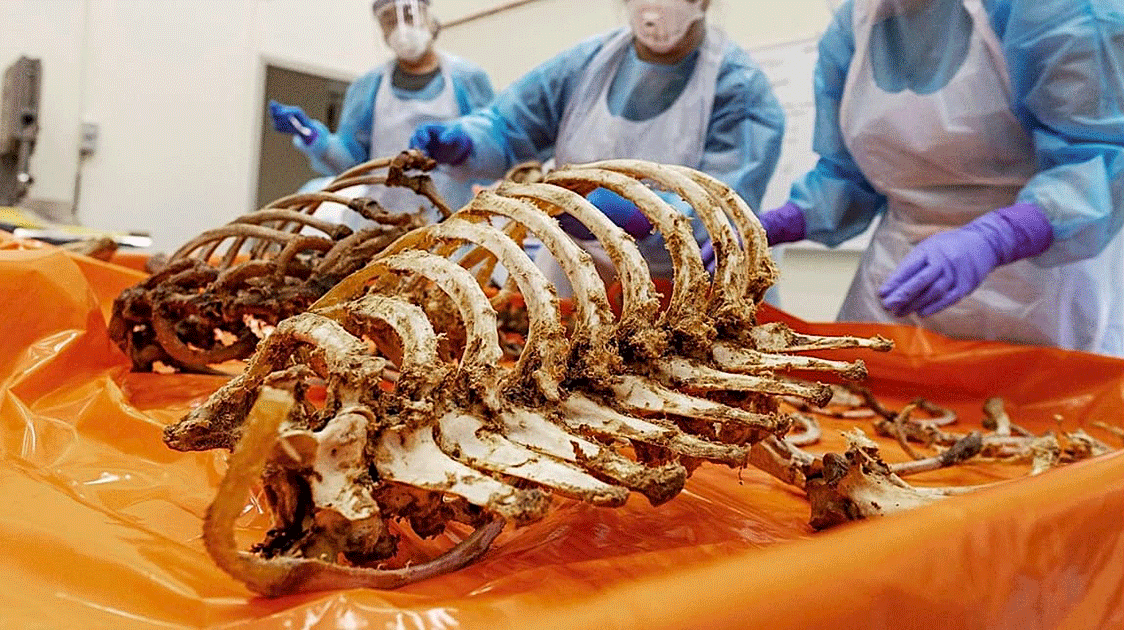
For example, in November 2025 a record 35.7 kg of rhinoceros horns, along with about 150 kg of big cat bones, teeth and claws were seized in Singapore airport coming from South Africa en route to Laos.
Following the shipment’s return to South Africa, authorities traced the shipment to a storage facility in Johannesburg, where four boxes containing 17 rhinoceros horns weighing 55.4kg, along with 26.2kg of lion and tiger parts were discovered.
They also arrested two Nigerian men and charged them in South Africa with wildlife trafficking.
A Hawks spokesperson said investigations had tied the 17 rhino horns recovered from the storage facility to 98 rhino horns reported stolen a week later in a “staged” armed robbery at Voi Game Lodge in Hartebeesfontein, North West.
Voi Game Lodge is owned by Chu Dang Khoa, aka Michael Chu, a shadowy Vietnamese figure in the illegal world of rhino horn and tiger bone trafficking. Chu also owns DKC Trading Company.
Vietnamese national Huy Bao Tran, wanted in connection with the Singapore rhino horn and big cat parts seizure, was arrested at Cape Town International Airport on Tuesday, 24 February, 2026 as he was about to board a flight to Singapore with his family.
Huy manages the interests of the Vietnamese-owned DKC Trading Company’s operations in South Africa, which include the Voi Game Lodge and DKC Furniture, an import-export company.
Investigations linked Huy with the two Nigerians who were arrested.
Chu Dang Khoa has earlier arrests for rhino horn trafficking and Voi Game Lodge has been linked to tiger parts trade and the Xaysavang Network.
The available evidence leads to these conclusions:
- There are different trade networks and trade chains involving distinct supply sources, acquisition methods, and transport channels to market for big cat parts.
- The first is sourcing in the wild through poaching;
- The second is poaching from zoos or wildlife parks, smuggling the parts out;
- The third is sourcing from ostensibly legal breeding farms and, after 2017, smuggling the parts out. In 2017 and earlier years, captive-bred big cat parts could be legally exported.
- With targeted killing, the paws and snout area are removed from the carcass and sold. The whole carcass is not transported and sold. The number of lions killed annually is relatively small.
- The main markets for big cat parts are in eastern Asia, where they are sold as ornaments or used in traditional medicines.
- The main parts of commercial interest are canines, claws, and bones. In poaching incidents, only the canines and claws are normally taken. These are most often retaliatory HWC incidents, with low numbers being targeted killing only for parts.
- Breeding farms supply the bones, often with canines and claws included.
More is known about targeted wild lion killing and its relationship with the overall picture of big cat body parts trade than the Lindsey et al. article stated.
However, the authors were correct in concluding that it is underreported and there certainly is much more to be learned about the current status of big cat parts supply, illegal export and the black market.
Dr Stiles started in anthropology and archaeology, researching past and present natural resource use among hunter-gatherers and pastoralists, and later moved to the UN system, working on desertification control. In 1999, he began investigating wildlife trade, producing reports and publications for UN agencies, the IUCN, TRAFFIC, and various NGOs.