Photo Essay: Humani, The Save Valley Conservancy

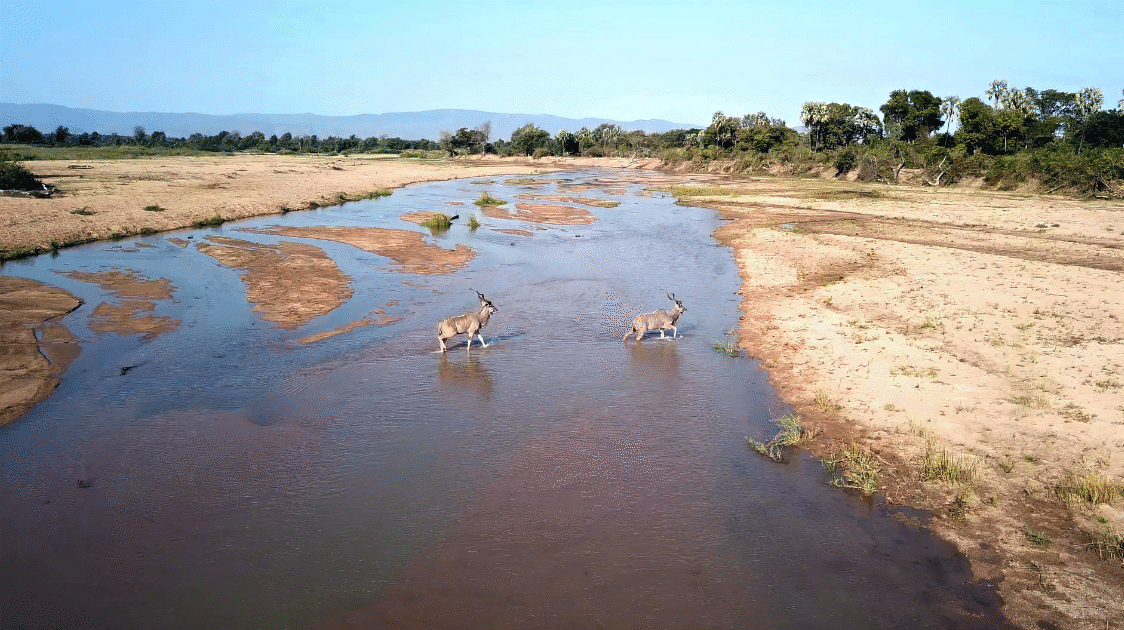
The Save Valley Conservancy, situated in the southeast lowveld of Zimbabwe, was established in 1992 during the worst regional drought in a century. At the time, the land comprised several individual cattle ranches. The drought bankrupted many of these ranchers, forcing them to sell their land.
The Duckworth family, in the safari-hunting business, bought land along the Turgwe River and was instrumental in shifting the focus from cattle to game animals.
They, along with other veterans of the safari business, including the Whittall family on Humani, showed that landowners could generate more money from hunting than from cattle ranching, and that hunting was more environmentally friendly.
With the establishment of the Conservancy, the land remained individually owned, and management was the responsibility of each landowner. As the game numbers increased, so did poaching, and each property had to set up its own anti-poaching operation.
In the early 1990s, poaching wasn't a significant issue, but the land invasions of 2000 changed everything. Many settlers moved into the Conservancy, and between 150,000 and 200,000 acres of prime conservancy land were lost to subsistence agriculture. While some were genuine farmers, others were there for the free meat. Poaching increased dramatically as agriculture took precedence over wildlife.
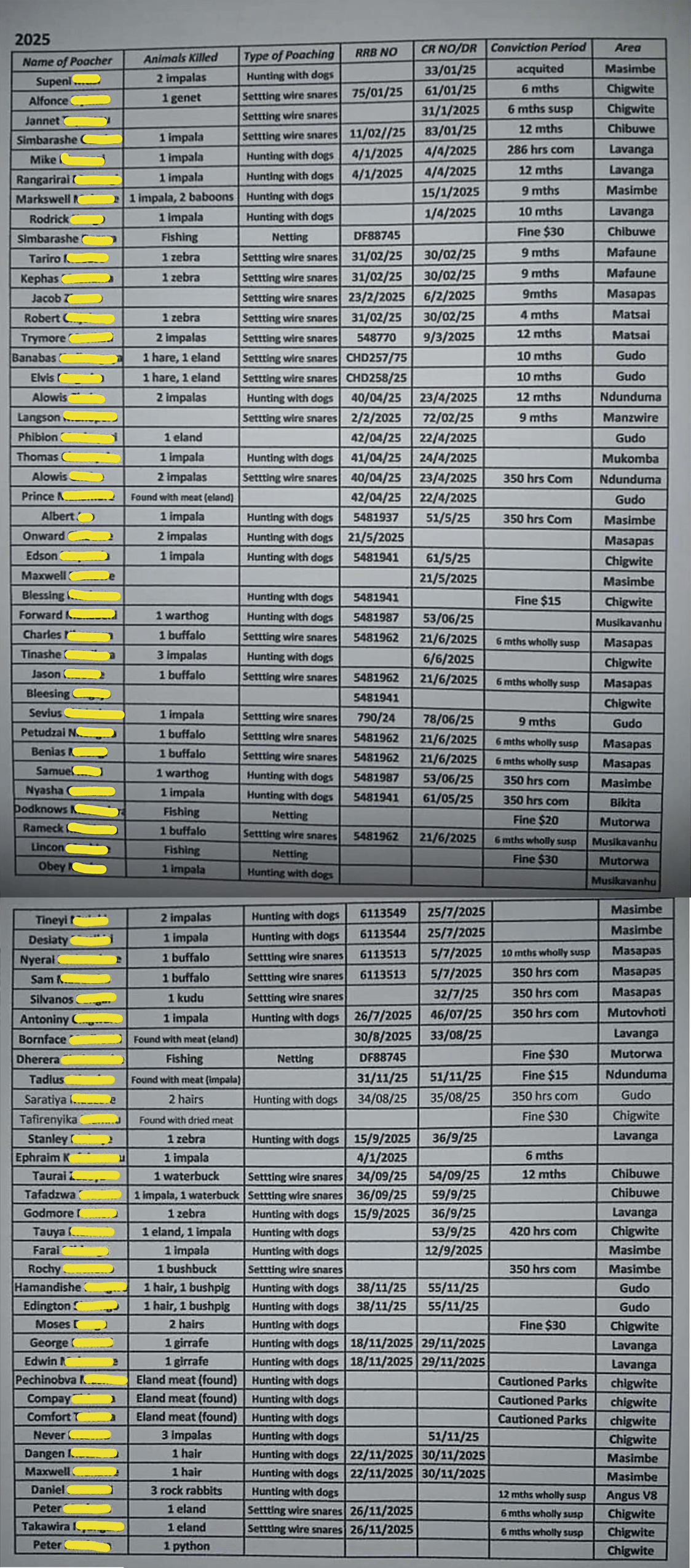
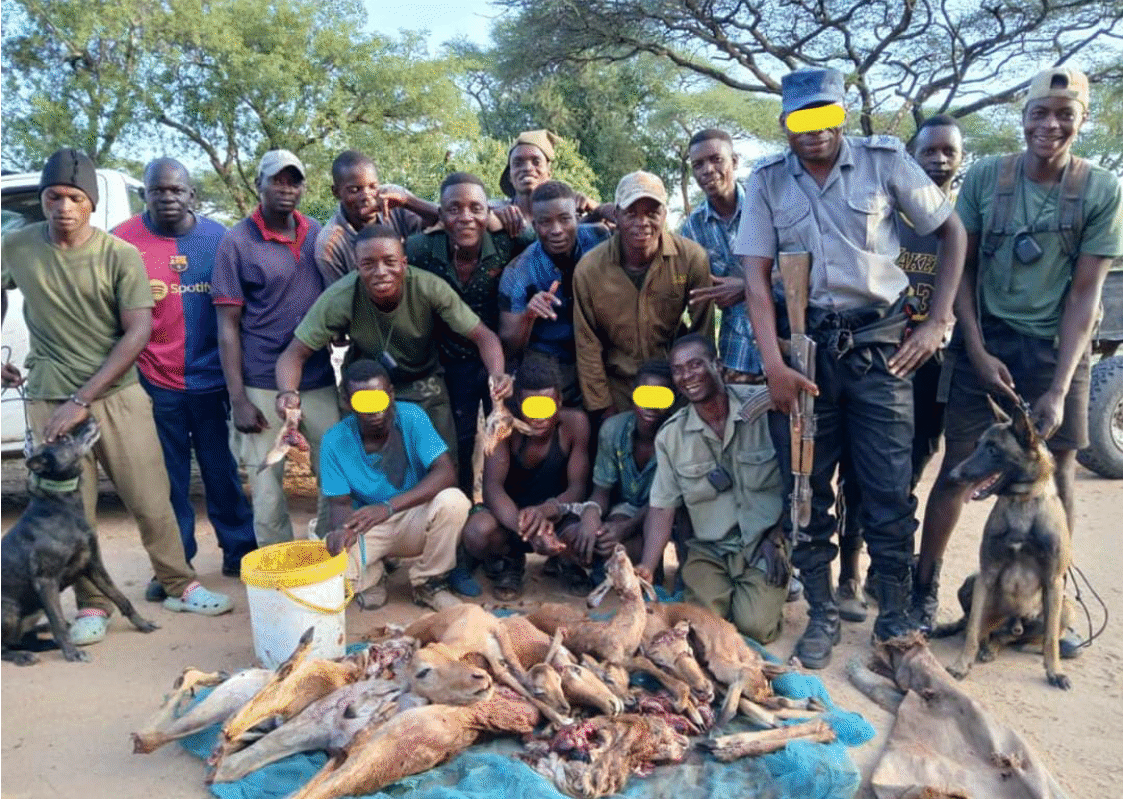
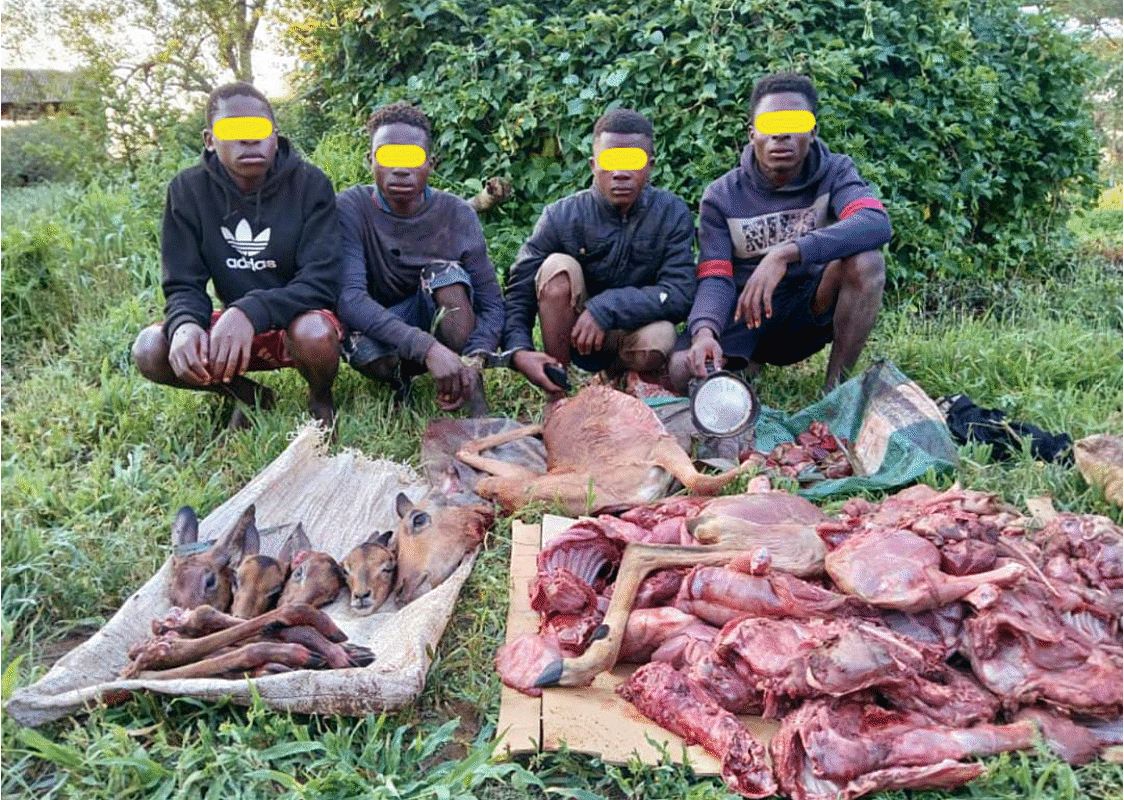
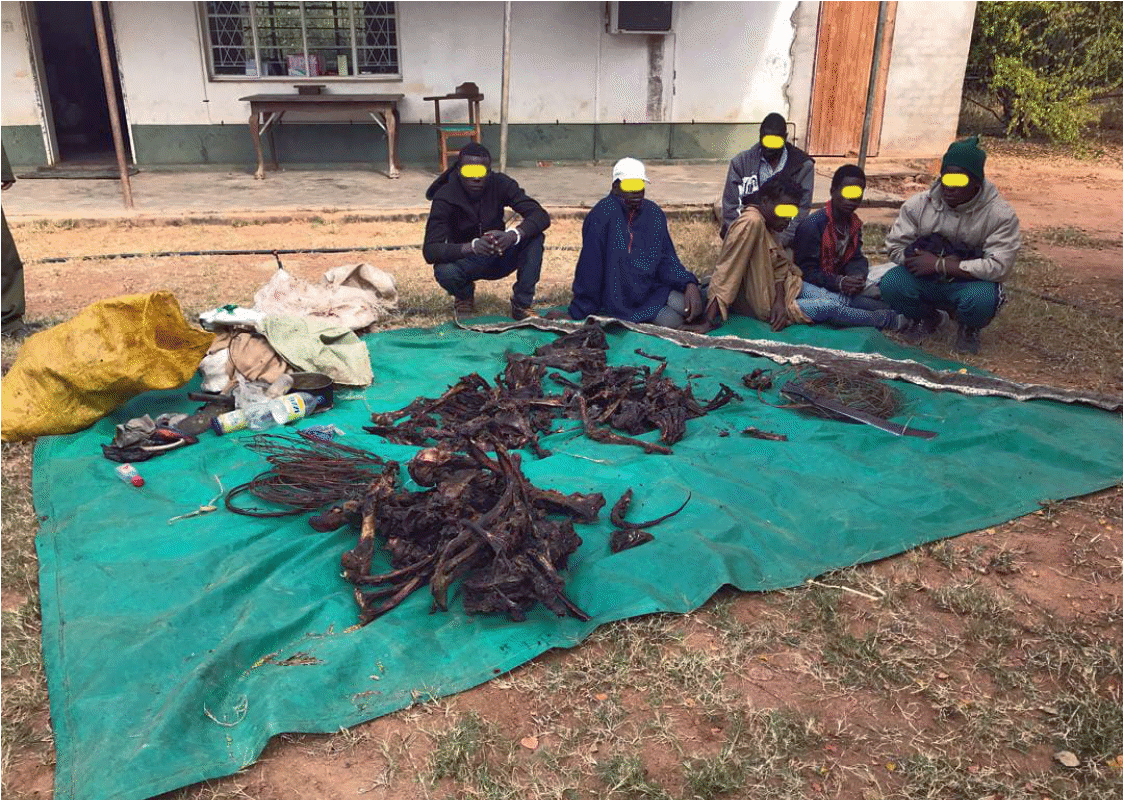
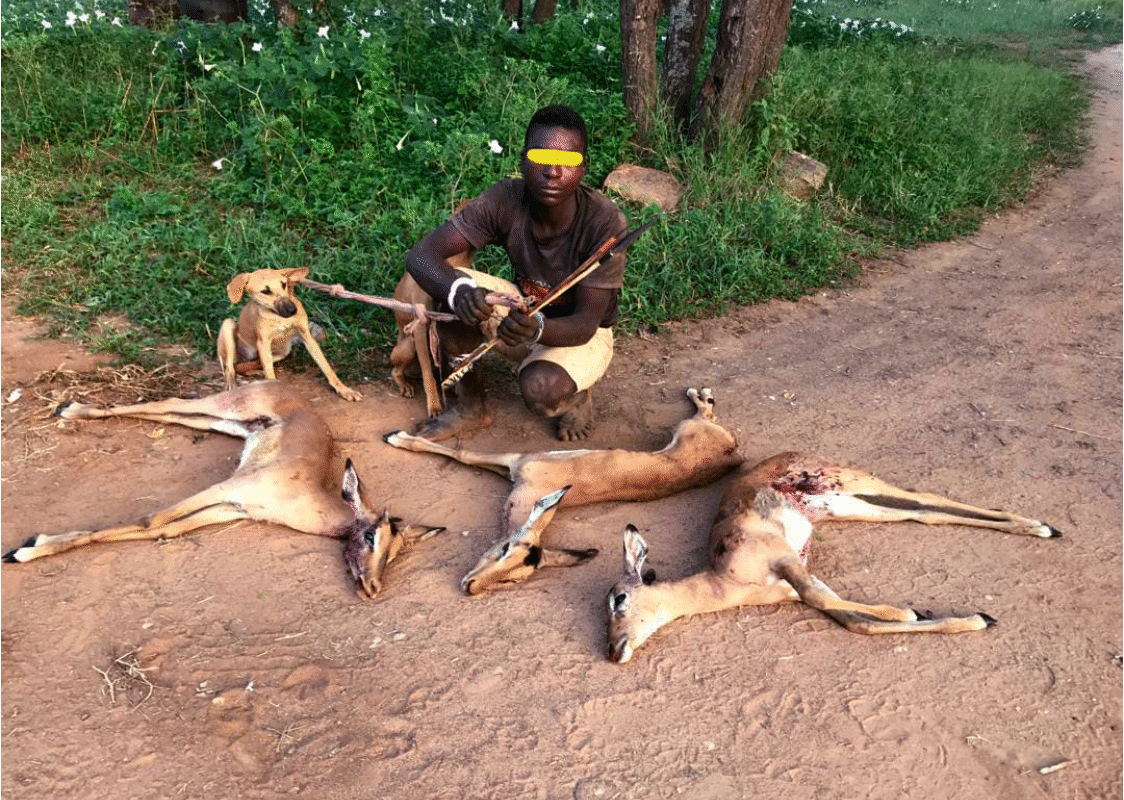
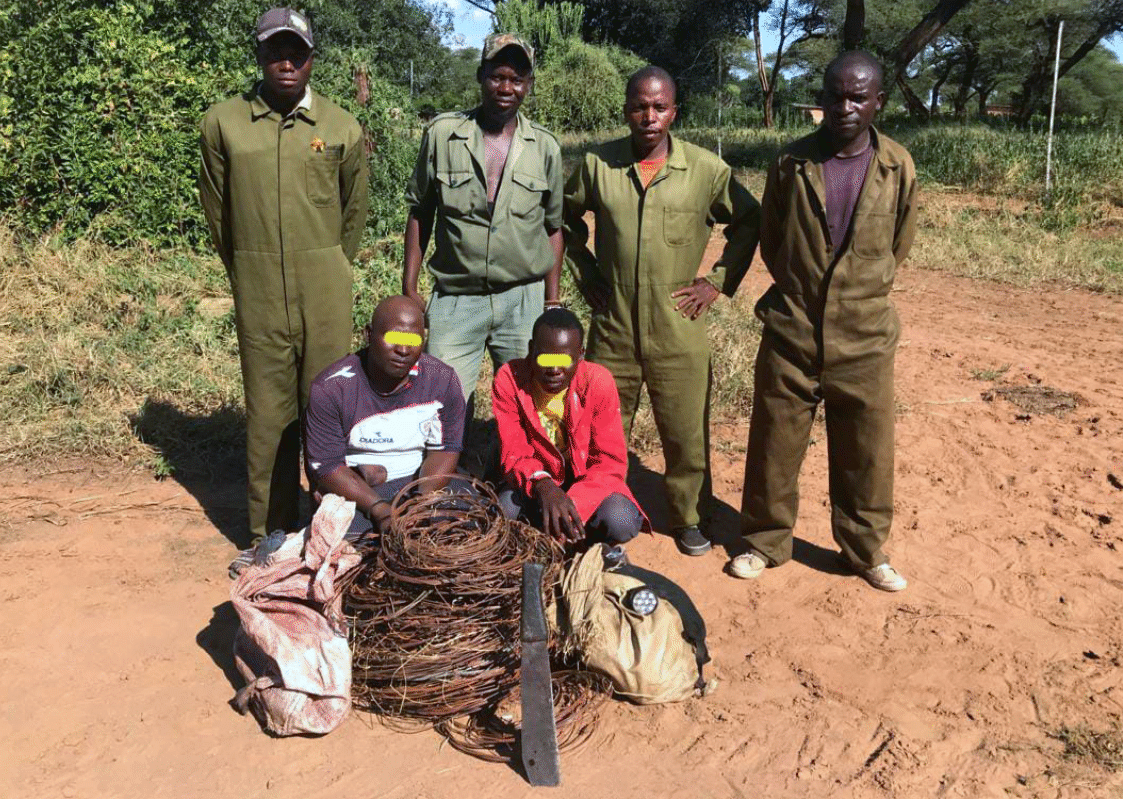
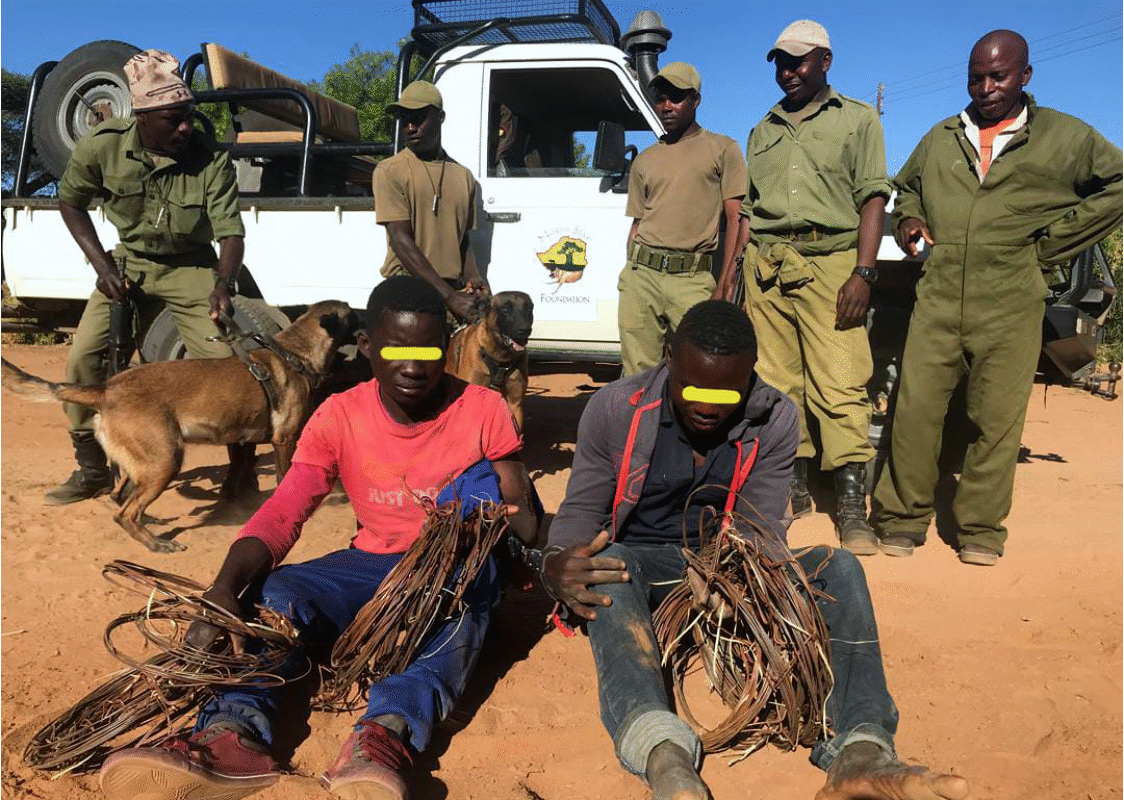
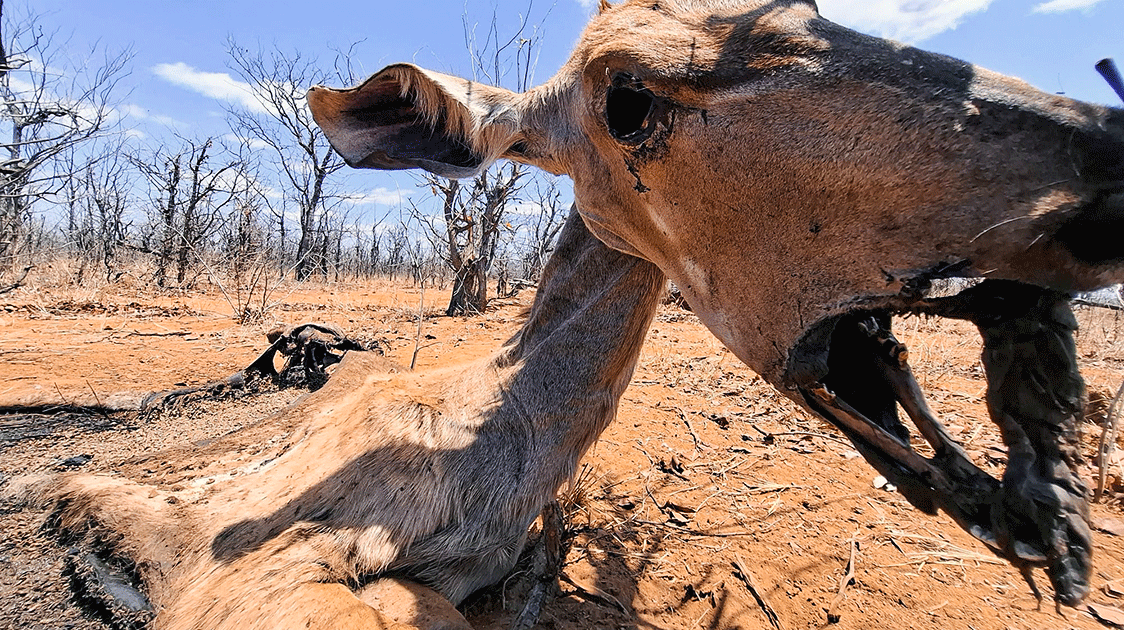
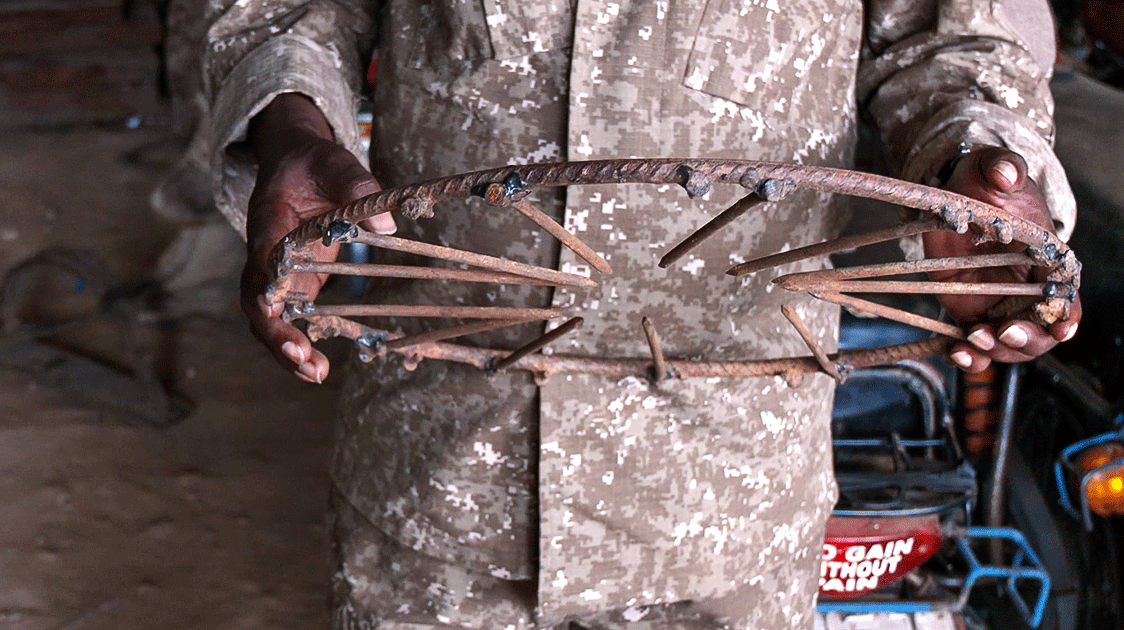
Captured poachers, their quarry and the tools of the trade
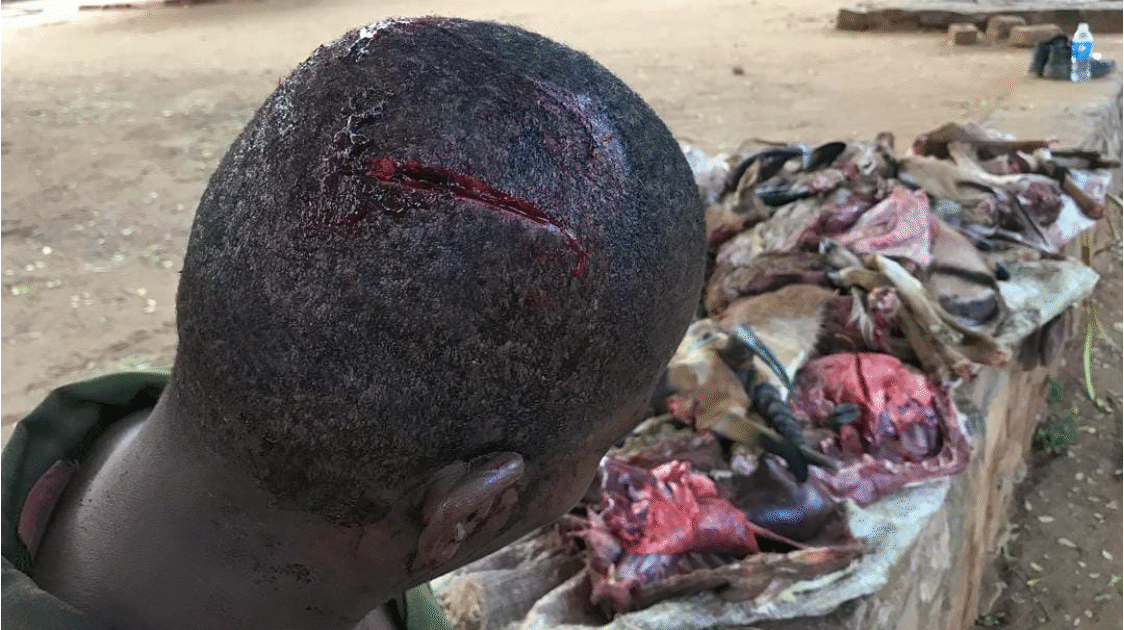
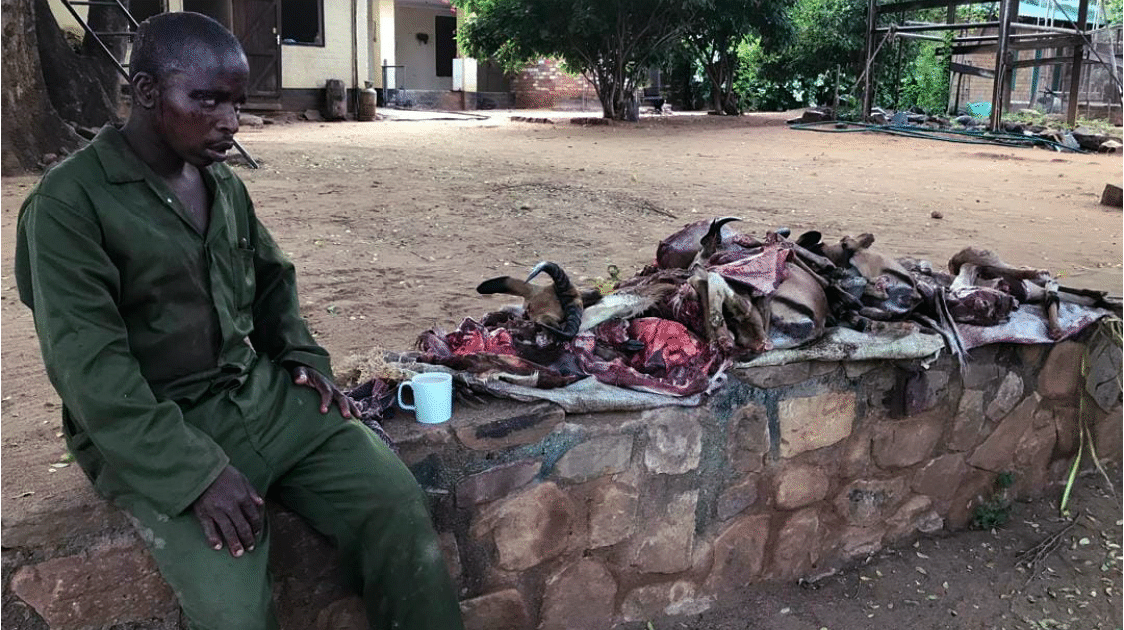
A poacher attacked Humani's head anti-poaching ranger and hit him in the head with a panga
A poacher reveals his hiding place for his poached meat
A double electrified fence had been erected around the Conservancy when it was established to keep the dangerous game from entering the surrounding communal lands.
During the invasions, large portions of the fence were vandalized or stolen. The stolen wire was often used to fence off the small subsistence agricultural plots, ironically to keep the crop-raiding elephant out.
But without electrification, any fencing is ineffective against determined elephants. Unfortunately, the most effective way to protect human lives and crops is to destroy marauding wild animals.
The local people soon realized that an electrified fence was essential and asked the Conservancy to reestablish it.
Around 30 years ago, there were only 4,000 to 5,000 people around the Save Valley Conservancy. Today, that number stands at around 30-40 thousand. Finding meaningful employment for that many people will be challenging, as the Conservancy alone cannot provide that many jobs.
Finding a balance between subsistence farming, both in and outside of the Conservancy, wildlife, and safari operations is imperative. Implementing innovative solutions will be critical.