It’s World Wildlife Day: Show me the Money

March 3rd, 2026
It’s the United Nations World Wildlife Day, and every year, the conservation world fills with messaging about protection, preservation, and the urgency of leaving nature untouched.
There’s much handwringing, crocodile tears, and, of course, fundraising by the animal rights activists (ARAs).
This is how their well-oiled machine works:
The UN announces a theme.
The ARAs fire up their email campaigns well in advance, and by the time March 3rd comes around, every donor’s inbox is flooded with slick imagery and urgent appeals.
This year’s theme is Medicinal and Aromatic Plants: Conserving Health, Heritage and Livelihoods.
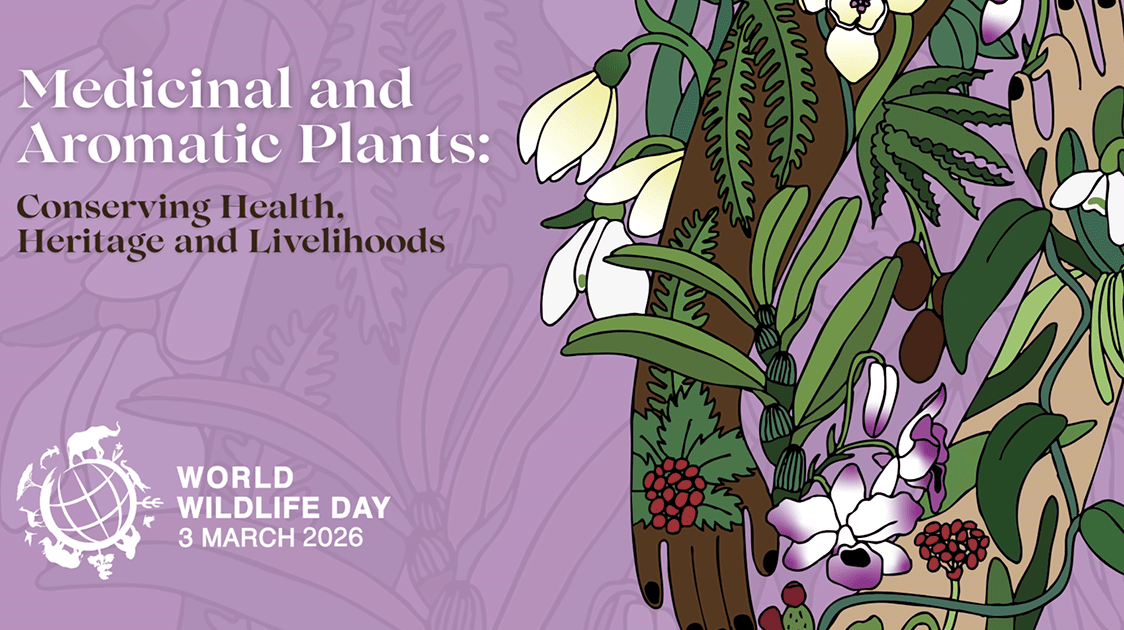
This is a little problematic for the ARAs, as the plight of plants doesn’t really excite donors’ wallets.
So, the trick is to pivot.
Once the theme is set, the ARAs hijack the hashtag momentum to push whatever their actual fundraising priority is.
The theme is irrelevant; it's all about the date and the media attention.
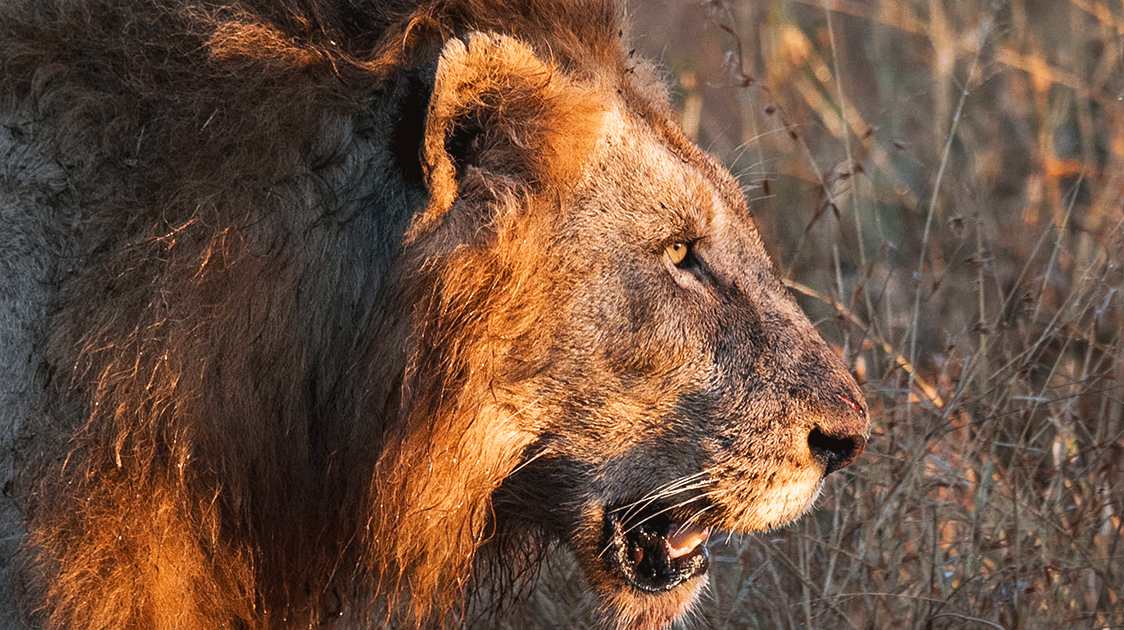
The World Animal Protection is steering the conversation towards pangolin trafficking, big cat exploitation, and factory farming, which is far more palatable than the fate of some unpronounceable, obscure plant.
The cash starts rolling in from the email campaigns, only to be swallowed by the massive overheads.
- Executive salaries
- Office space in Western capitals
- And most importantly, marketing
The messaging reinforces a simplified narrative.
These campaigns train donors to associate conservation with emotional appeals and charismatic species, sentiment rather than substance.
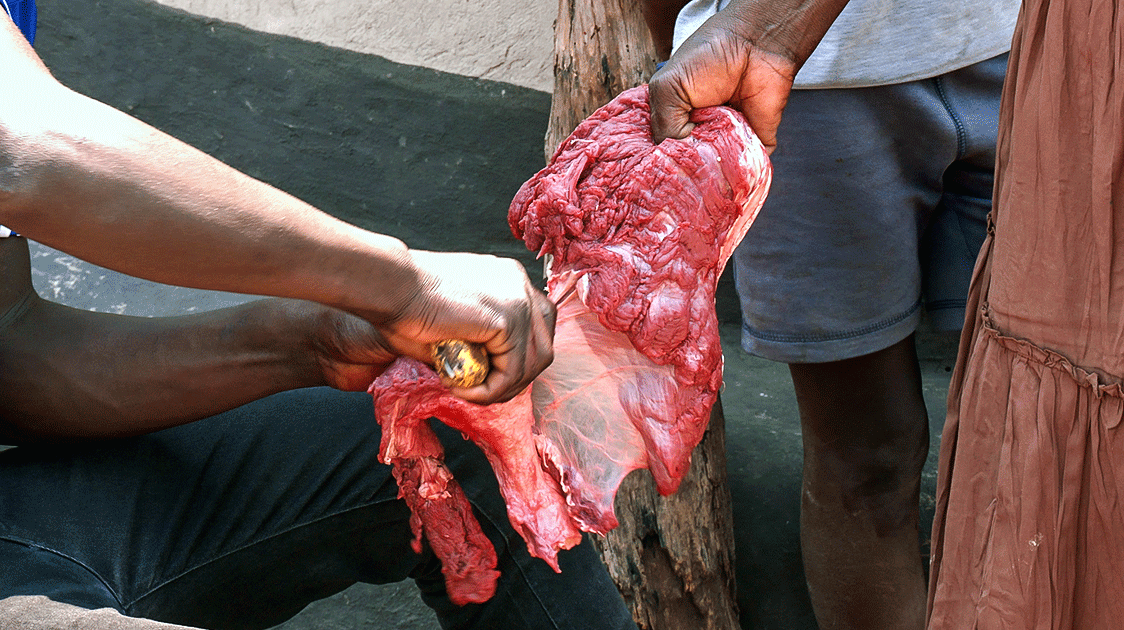
They don’t dare confront the uncomfortable reality that for billions of people, wildlife isn’t something to be observed from a distance.
It is food, medicine, livelihood, identity, and economic survival.
The largest scientific assessment ever conducted on the subject confirms this.
The IPBES Assessment Report on the Sustainable Use of Wild Species, released in 2022 after four years of work by 85 leading experts and approved by 139 governments, found that approximately 50,000 wild species meet the needs of billions of people worldwide.
One in five people depends on wild species for income and food.
One in three relies on wood for cooking.
Over 10,000 wild species are harvested for human food.
These are not marginal statistics. They describe the baseline condition of human existence across much of the planet.
The report’s central finding was that use is not the problem but rather unsustainable use.
The use-versus-preservation debate is overwhelmingly driven by constituencies in the Global North.

These people do not live with wildlife and don’t bear the costs of coexistence.
For the communities that do, the question is existential, not philosophical.
The IPBES assessment found that indigenous peoples manage territories where sustainable use of wild species takes place across more than 38 million square kilometers of land.
This is the equivalent of about 40% of the world’s terrestrial conserved areas across 87 countries.
Policies that restrict sustainable use without viable alternatives do not protect wildlife. They disempower the people who have managed it for generations.
The question isn’t whether people should use wildlife. They always have and always will.
The question is whether we build systems that make that sustainable use work for conservation or just pretend it doesn’t exist.