CONSERVATION UNDER FIRE - RISING RISKS TO RANGERS

THE GAME RANGERS’ ASSOCIATION OF AFRICA (GRAA)
Across Africa, conservation areas are increasingly becoming theatres of conflict. Rangers are operating in landscapes marked by instability, armed violence, political fragility, and criminal infiltration—conditions that push them far beyond the traditional boundaries of conservation work.
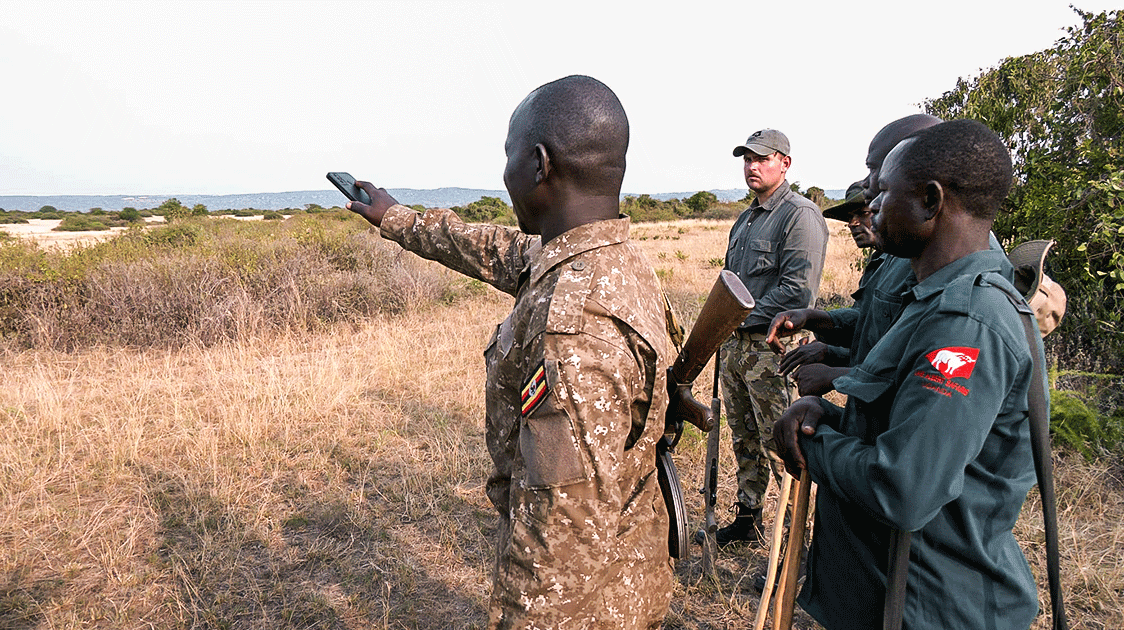
While some rangers may carry firearms and at times appear militarised, rangers have a fundamentally different mandate and training, and operate under distinct legal frameworks, focused on protecting wildlife, ecosystems, and communities rather than engaging in combat operations.
In insurgency-affected regions like northern Mozambique, South Sudan, northern Nigeria, Eastern DRC, and the high-risk W–Arly–Pendjari (WAP) Complex in Benin, rangers continue to stand firm with remarkable courage.
They do so while facing escalating threats to their lives, to the safety of their families and communities, and to the very ecosystems they are sworn to protect.
These regions represent some of the most dangerous conservation environments in the world. According to the International Ranger Federation (IRF), these regions have the second highest number of on-duty ranger fatalities in the world.
The Game Rangers Association of Africa (GRAA) stands in solidarity with these rangers as well as the organisations and communities who support them. We recognise their resilience in an environment where insecurity, fear, and uncertainty are woven into daily operations.
As essential planetary health workers, their work is vital not only for biodiversity conservation, but also for stability, human wellbeing, functioning ecosystems, and local economies in some of Africa’s most fragile regions.
A Non-Negotiable Legal and Ethical Foundation
Effective conservation activities in these high-risk conflict areas must rest on a clear legal and ethical framework. While rangers do not have any special protection under international law, their operations must be grounded in national legislation and fully aligned with international human rights standards and humanitarian law.
Ethical practice, guided by the Universal Declaration of Human Rights, the International Ranger Federation Code of Conduct, and safeguarding principles, must underpin all ranger activities—especially where force, authority, and community interaction intersect.
These principles must be operationalised through contextualised Standard Operating Procedures and formal Memoranda of Understanding with state, military, and community actors who are active in these areas.
Only through clearly defined mandates, responsibilities, and accountability structures can we ensure that rangers operate safely, lawfully, and ethically.
The Realities Facing Rangers in Conflict-Affected Conservation Areas
Rangers working in Africa’s conflict-affected conservation areas face an increasingly severe and complex mix of threats that undermine both their safety and their ability to conserve critical biodiversity landscapes.
More than 30 protected areas across the continent are now severely affected, as armed extremist, separatist, and organised criminal groups expand in scale and sophistication, often outpacing state capacity to respond and placing rangers directly in the line of fire.
Weak or fragmented governance further limits enforcement and coordination, creating space for attacks, intimidation, and the destruction of ranger bases, vehicles, and essential equipment. In the wake of these attacks, many areas are experiencing sharp increases in illegal mining, logging, and bushmeat poaching, as insecurity takes hold.
Africa’s protected areas harbour valuable natural resources that are increasingly targeted to fund, feed, and shelter extremist, militia, and criminal networks, driving widespread ecological degradation and deepening insecurity for both nature and the communities who depend on it.
Compounding these dangers are internal risks such as collusion or information leaks, along with targeted misinformation and disinformation that erode community trust, break morale and undermine the legitimacy of conservation authorities.
The cumulative impact is profound: rangers and managers face physical risk, chronic trauma, persistent uncertainty, and repeated exposure to violence, placing immense strain on their mental health and wellbeing.
These security threats are further heightened by severe operational and structural limitations. Many ranger teams lack basic resources—vehicles, communications systems, protective equipment, adequate staffing, and reliable funding—while also grappling with rising costs for fuel, logistics, and security.
Rangers are often the first responders in times of crisis, expected to manage security incidents, protect communities, and safeguard park integrity, frequently beyond their formal mandates.
Legal authorities are often unclear or overlapping with those of police or military forces, resulting in confusion on the ground and contributing to the creeping militarisation of ranger roles without the necessary training or safeguards.
Training gaps remain significant, with many rangers unprepared for the demands of high-risk conflict contexts that require specific skills in conflict awareness, negotiation, trauma care, and human rights. These realities are poorly understood at the global level, leading to policy and financial responses that fall short of the scale and urgency of the challenge.
Donor hesitancy—or full support withdrawal—from high-risk conflict landscapes leaves frontline teams dangerously under-supported at the moment they need help most. While funders may fear funding areas where human rights abuses could occur, withdrawing support exposes rangers and the communities and landscapes they protect to far greater human rights violations at the hands of extremists and armed groups.
Under these conditions, protecting biodiversity becomes exceptionally difficult. Conservation operations are routinely disrupted, mobility is restricted, resources are divested, and security concerns overshadow ecological objectives.
At the same time, support systems for rangers—particularly mental health services, trauma recovery, medical evacuation, and family support—are often minimal or entirely absent.
Community relations remain strained, requiring sensitive and principled engagement to avoid exacerbating tensions and to uphold essential “Do No Harm” commitments, and because rangers themselves are often the first point of contact with communities, they must be equipped with the training and support needed to engage safely, respectfully and effectively.
Together, these pressures create some of the most challenging operating environments in modern conservation—where rangers are expected to shoulder extraordinary responsibility with far too little support, and often at immense personal cost.
A Call for Collective Action and Greater Solidarity
The Game Rangers Association of Africa calls for urgent, coordinated action from governments, donors, conservation organisations, and international partners. Ranger safety and welfare must be recognised as essential to effective conservation, not as optional components dictated by budget or context.
Without secure, well-supported rangers, biodiversity protection in conflict zones becomes impossible.
We call for stronger legal protections recognising rangers as essential frontline services; sustained investment in training, equipment, mental health support, and operational systems; and long-term funding commitments that do not disappear when volatility increases.
Conservation in high-risk landscapes relies on solidarity, stability, and shared responsibility.
Rangers are not soldiers. They are guardians of peace, protectors of ecosystems, and vital partners to communities living alongside wildlife. Their integrity and courage embody the highest ideals of conservation.
The GRAA stands with them and urges the global conservation community to do the same—to ensure that those who risk everything to protect Africa’s wild places receive the protection, respect, and support they deserve.
Information:
● Game Rangers’ Association of Africa: https://www.gameranger.org/
● International Ranger Federation: https://www.internationalrangers.org/
Please join us on social media:
● https://www.facebook.com/GameRangersAssociationOfAfrica
● https://www.instagram.com/gamerangersassociationofafrica/
FOR ANY ADDITIONAL INFORMATION, CONTACT US:
LOUISE DE BRUIN
+27 (0) 72 1235384
ABOUT THE GAME RANGERS’ ASSOCIATION OF AFRICA (GRAA)
Founded in 1970, the Game Rangers’ Association of Africa (GRAA) is a registered non-profit organisation and the continent’s oldest, largest, and most representative ranger association. We serve as the African regional representatives of the International Ranger Federation (IRF) and are members of the International Union for Conservation of Nature (IUCN), with a membership of more than 6,000 rangers.