A Wilderness on the Precipice: Northern Cameroon (Full Documentary 28 minutes)

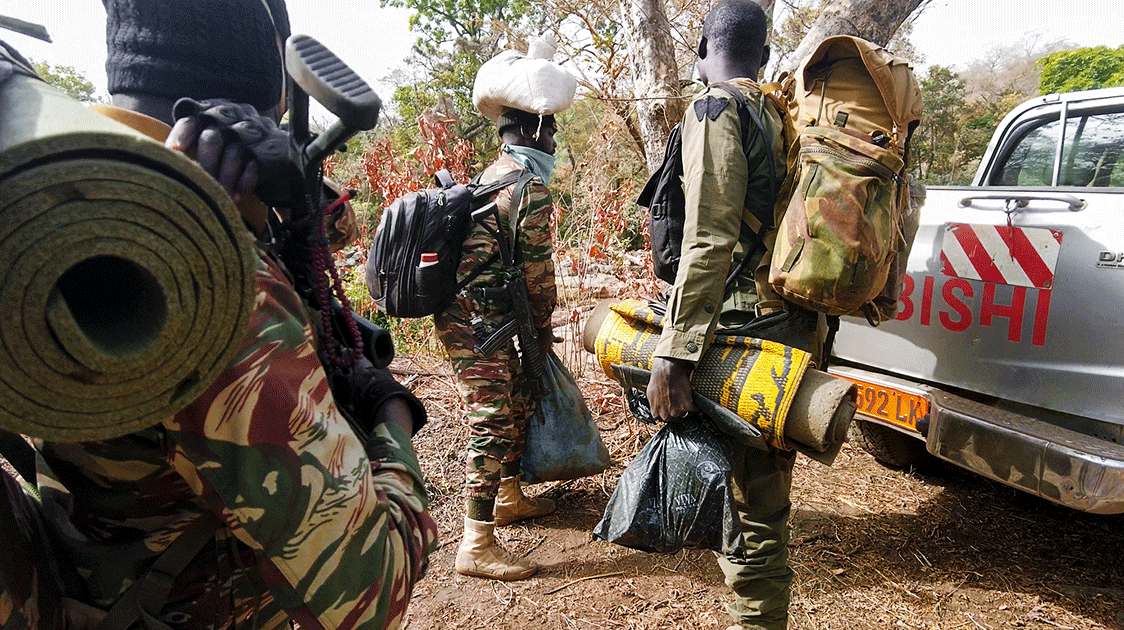
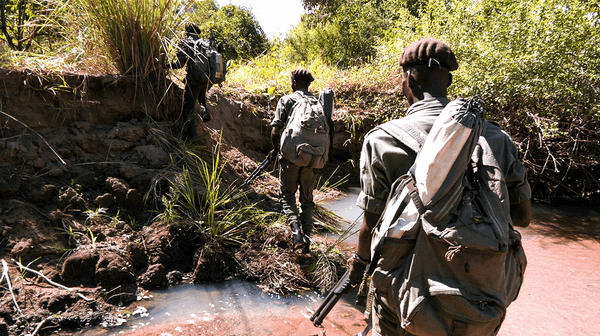
When Mayo Oldiri first started hunting in the savannah regions of Northern Cameroon, poaching was not a serious problem. Supervised by the professional hunter, unarmed game scouts were deployed in groups of six to eight, carrying only machetes and axes.
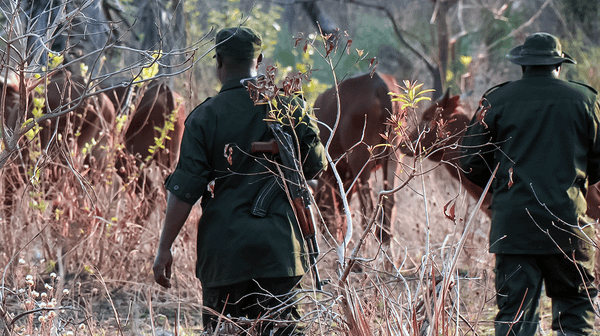
As the poaching increased, it became clear that more game scouts were needed. The poachers started using firearms to poach, and as anti-poaching units were not allowed to be armed, military personnel had to be employed for protection.
There is little activity in Northern Cameroon, and securing employment is extremely difficult. The main cash crop is cotton, and people raise some livestock. The temptation to poach is strong.
The second most significant issue in the area is the encroachment of domestic livestock.
The Mbororo people, a nomadic cattle-herding group, are an offshoot of the Fulani tribe from Nigeria that drifted into the borderlands of Cameroon and neighboring areas of the Central African Republic, Chad, and the Democratic Republic of Congo in the 1980s.
There are an estimated 1 million Mbororo, and their movements across the region significantly impact wildlife conservation, particularly in and around protected areas.
The Mbororo have historically resisted conservation regulations restricting their access to traditional grazing lands. This resistance stems from a need to maintain their livelihoods and cultural practices, which has led to tensions with conservation authorities.
But the world has changed, and if biodiversity is to be maintained, the Mbororo will have to adapt accordingly.
The Northern Cameroon savannah faces a severe poaching crisis, devastating its unique wildlife and ecosystems. Species such as the giant eland, found only in a few countries, are particularly at risk, with their poached meat fetching a fraction of the revenue from hunting safaris.
These safaris provide significant conservation funding and support local economies by creating hundreds of jobs.
The financial strain of combating poaching has led many small operators to abandon their concessions, leaving vast areas unprotected. As these lands become overrun with poachers and cattle, wildlife populations plummet.
Hunting companies remain the last line of defense, conducting anti-poaching efforts at great expense, but their resources are stretched thin.
Proposed solutions include using aerial surveillance tools, such as small aircraft and drones, to efficiently monitor vast, inaccessible areas.
However, bureaucratic hurdles in Cameroon make it challenging to acquire such equipment. Collaboration with national parks and organizations such as African Parks could provide a way forward by integrating hunting concessions with broader conservation efforts to secure funding, maintain local employment, and bolster anti-poaching initiatives.
Without drastic changes, the region risks losing its remaining wildlife and hunting concessions, leaving a legacy of ecological devastation.
However, with coordinated efforts, these areas can still recover, ensuring the survival of their unique species and ecosystems.