A Wilderness on the Edge (Full Documentary 26 minutes)

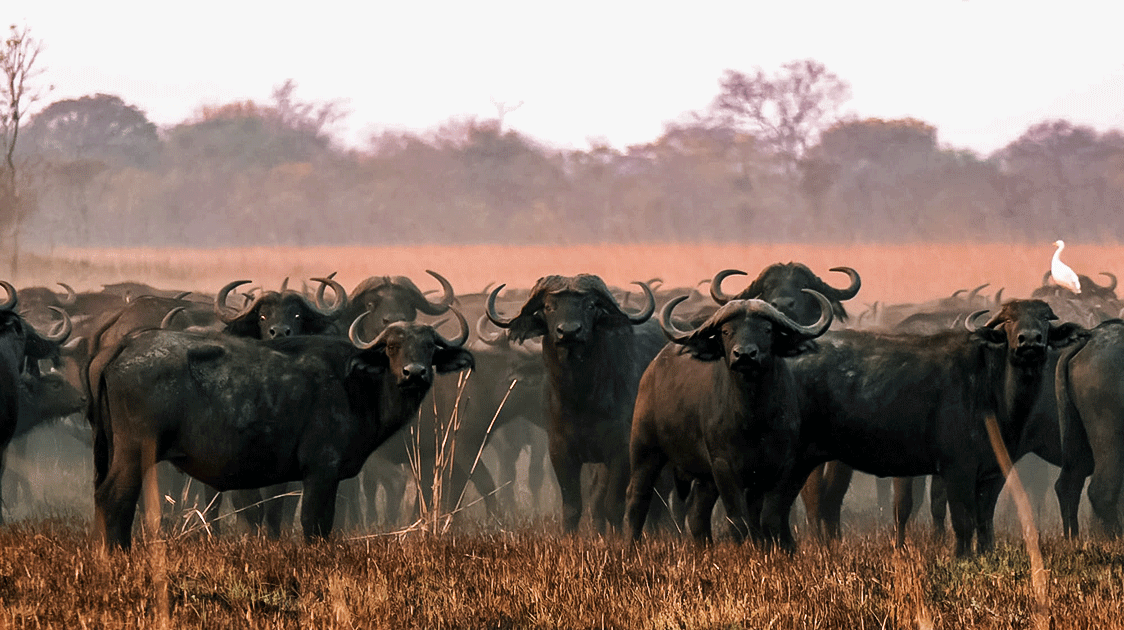
In the remote Northwestern Province of Zambia, professional hunter Fico Vidale manages 1,800 square kilometers of wilderness. His work in the Lunga-Busanga GMA reveals both the promise and the challenges of Zambia's approach to wildlife conservation, in which regulated safari-hunting revenue funds anti-poaching efforts.
The area represents more than just another hunting concession; it functions as a strategic barrier protecting one of Africa's largest national parks.
Positioned directly adjacent to Kafue National Park, this buffer zone concept relies on the presence of legitimate safari hunting operations to deter illegal activities across vast territories that would be impossible for park rangers to patrol effectively alone.
The revenue generated from regulated hunting is systematically reinvested into anti-poaching operations and community development programs, creating an economic incentive for local participation in wildlife protection.
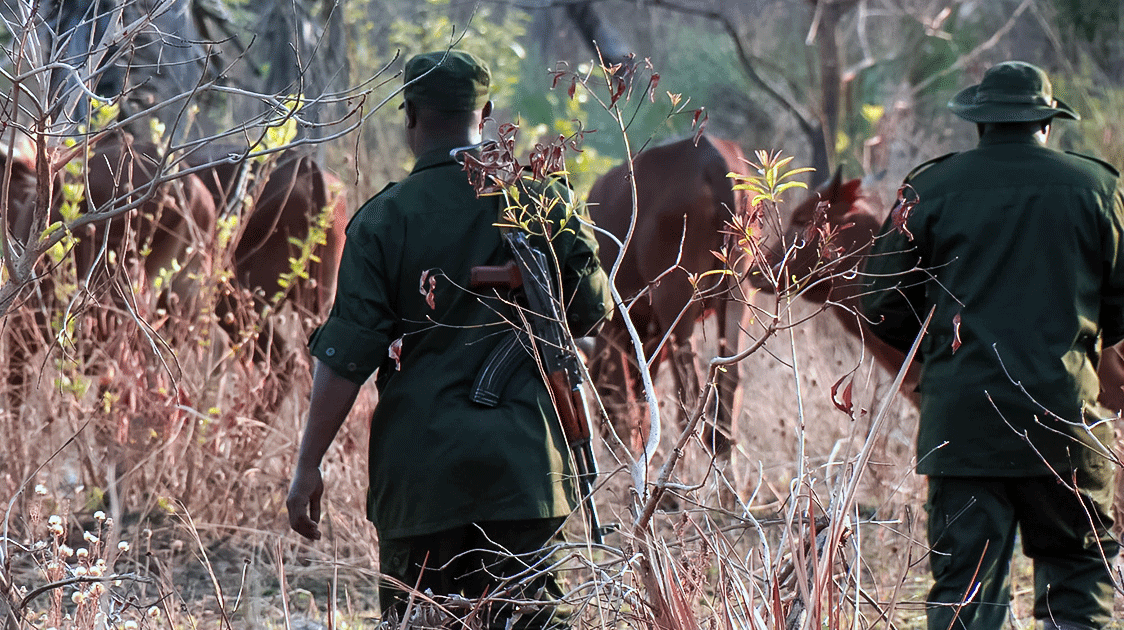
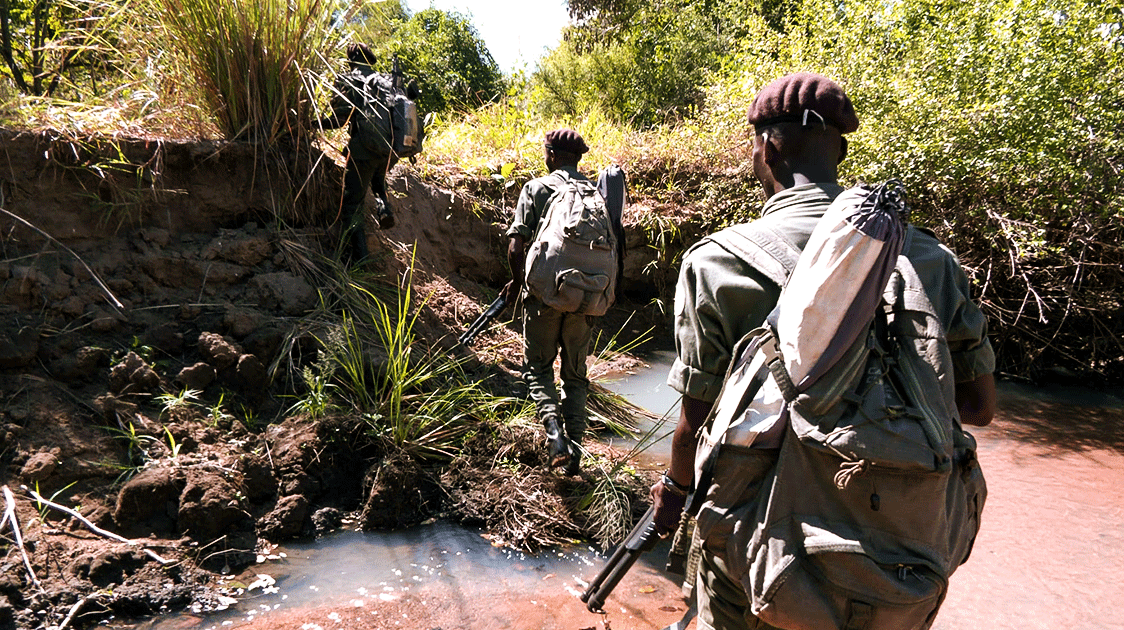
The anti-poaching efforts in Lunga Busanga confront a complex mix of commercial meat poaching and subsistence hunting that has reached unsustainable levels.
With increasing populations around hunting areas, even traditional subsistence hunting now threatens wildlife populations in regions that can only support a minimal level of off-take. The methods employed by poachers reflect both desperation and ingenuity.
Many use homemade muzzle loaders crafted by village gunsmiths, weapons that are notoriously dangerous to their operators.
Vidale employs former poachers who bear the scars of these improvised weapons, missing fingers and, in one case, an eye lost when a muzzle loader exploded.
Vidale's work in the Lunga Busanga Game Management Area illustrates the complex realities facing conservation efforts across Africa.
While the buffer zone strategy and revenue-sharing model provide frameworks for sustainable wildlife management, success depends on consistent implementation of management plans, community engagement, and political support for enforcement efforts.
Vidale's detailed understanding of poaching methods and seasonal patterns, developed over years of field experience, demonstrates both the dedication required for effective conservation work and the adaptability of local communities under economic pressure.
The challenge lies in channeling that adaptability toward sustainable alternatives that preserve the ecological integrity essential for long-term prosperity.
As Vidale notes, "these ecosystems are very delicate, and once we lose them, it's very, very difficult to get them back to what they are."
The ongoing work in Zambia's buffer zones represents a critical test of whether market-based conservation models can successfully balance immediate human needs with the preservation of Africa's remaining wilderness areas.