World Wetlands Day 2026

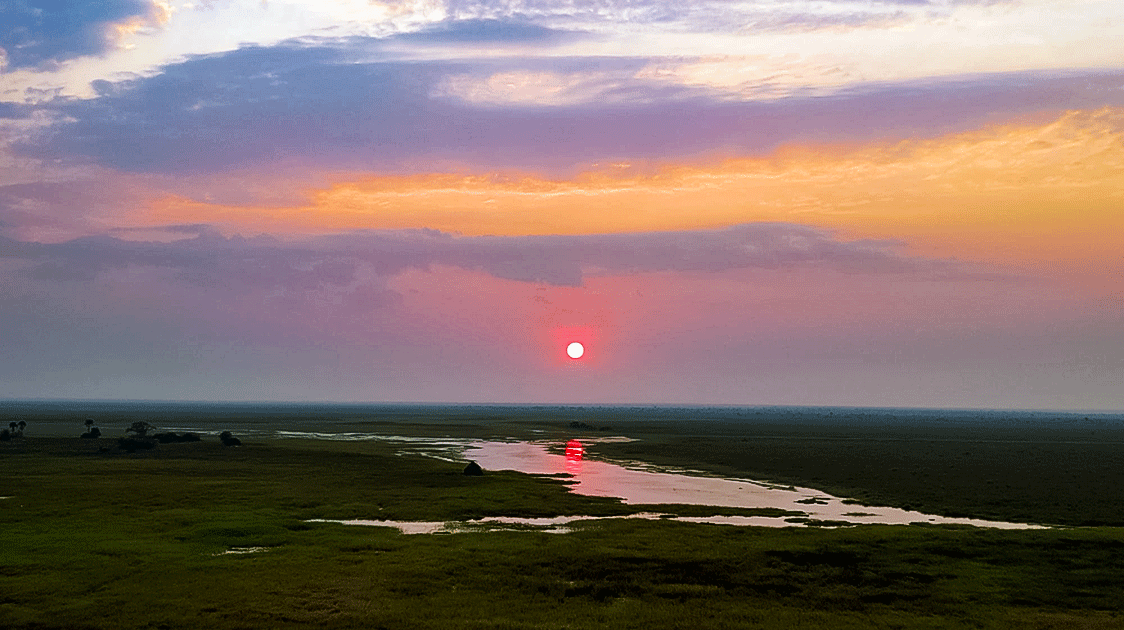
The theme of World Wetlands Day 2026 is “Wetlands and Traditional Knowledge: Celebrating Cultural Heritage.”
Wetlands are the most productive and vital ecosystems on Earth, supporting extraordinary biodiversity while providing essential services such as water filtration, carbon storage, and flood regulation.
While attention is rightly focused on this, the critical role that safari hunting companies play in protecting these vital ecosystems across Africa is less recognised.
Wetlands are disappearing three times faster than forests. Since the 1700s, we have lost nearly 90% of the world’s wetlands.
The private investment and 365-day-a-year boots-on-the-ground presence that safari hunting concessionaires bring to remote wetland areas are indispensable.
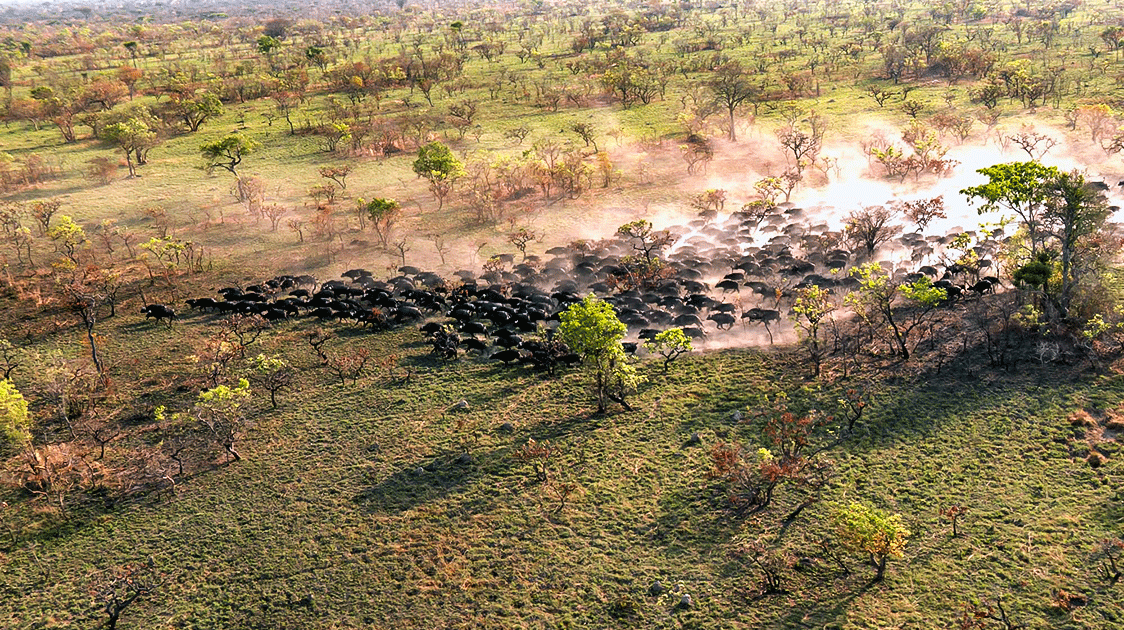
The Moyowosi Game Reserve, a vast mosaic of rivers, swamps, floodplains, and miombo woodlands in western Tanzania, is a case in point.
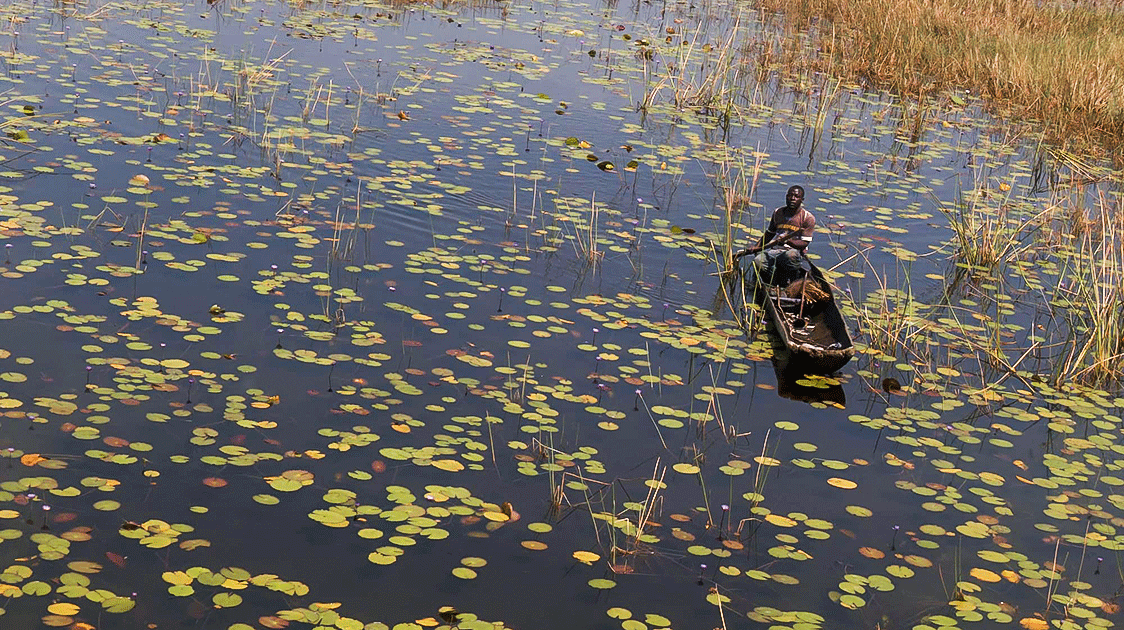
The Moyowosi and Malagarasi Rivers, along with their associated papyrus swamps, form part of the Malagarasi-Muyovozi Ramsar Site, the third largest Ramsar wetland in the world and the first designated in Tanzania.
This landscape is globally vital to waterbirds such as the shoebill stork and the wattled crane, and to rare aquatic mammals such as the sitatunga antelope.
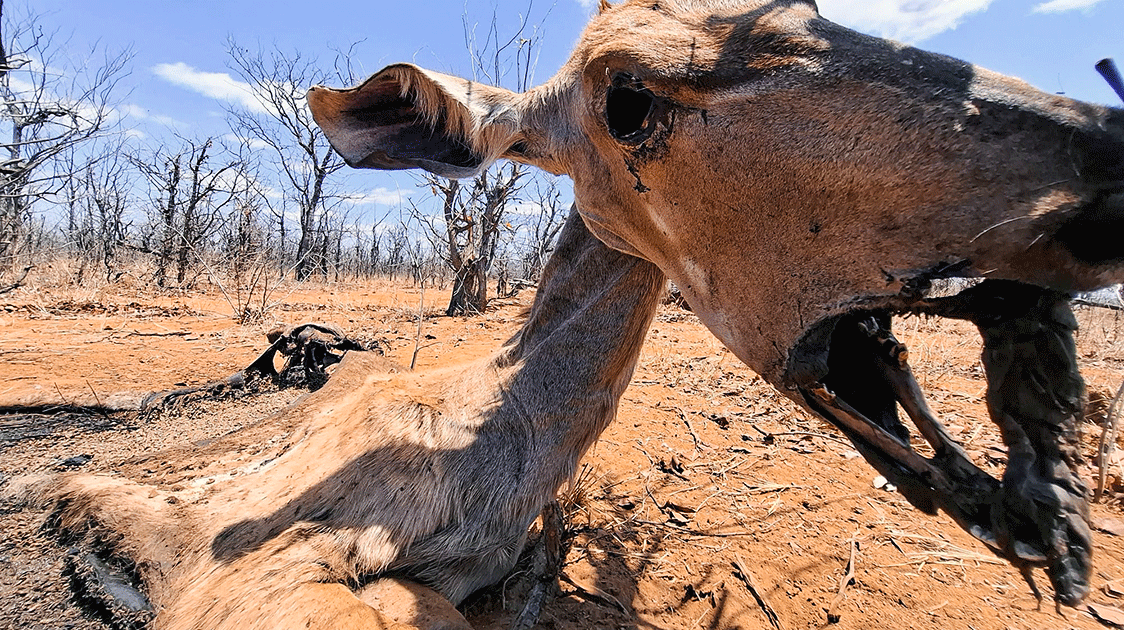
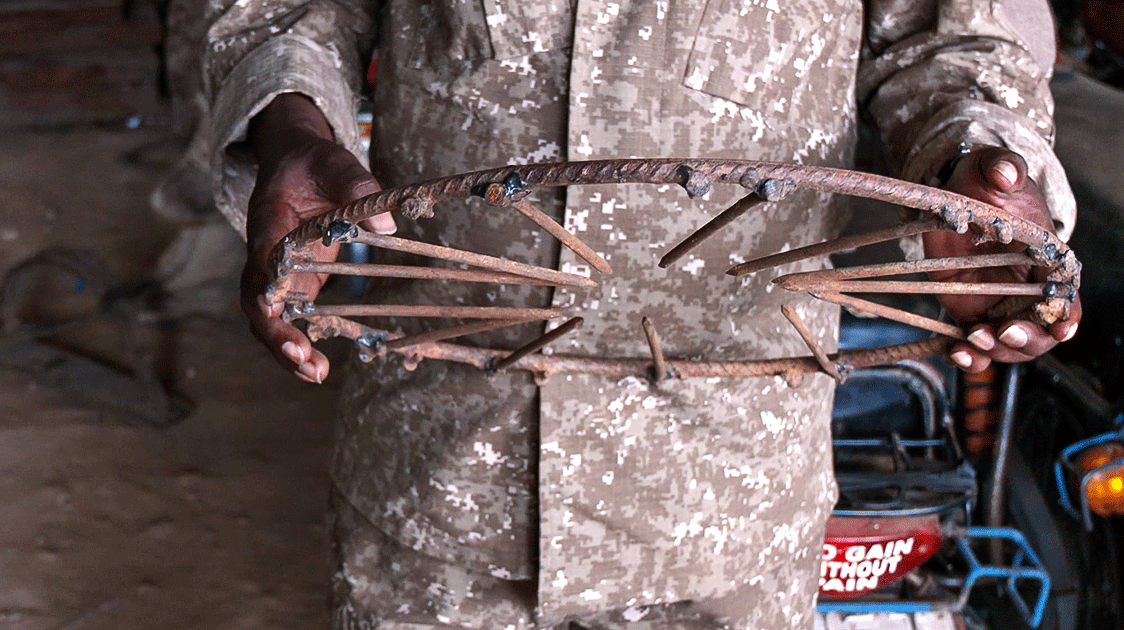
Despite its ecological importance, threats to this wetland include illegal bird trapping, domestic animal encroachment, and meat-poaching.
Fish poachers, who use mosquito netting to indiscriminately catch fish, establish camps hidden deep in the swamps.
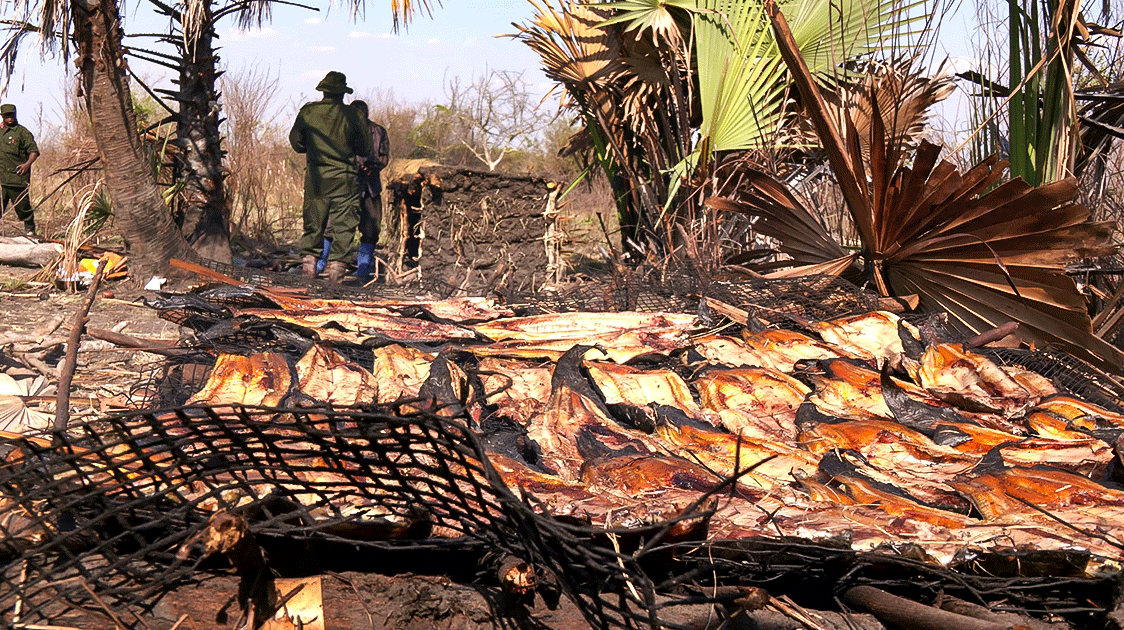
These operations, which would be virtually undetectable from the ground, are quickly identified from the air.
The Alistair Group: A Conservation Narrative
The story of the Alistair Group illustrates how individuals and companies can and do step up to the plate to help.
The founder, Alistair James, initially worked in Tanzania’s safari sector before expanding into broader business ventures in the region.
Although the group is best known today for logistics and freight services, its founder’s early ties to the safari industry reflect deep knowledge of Tanzania’s natural heritage and the landscapes, such as Moyowosi, that support both wildlife and human economies.
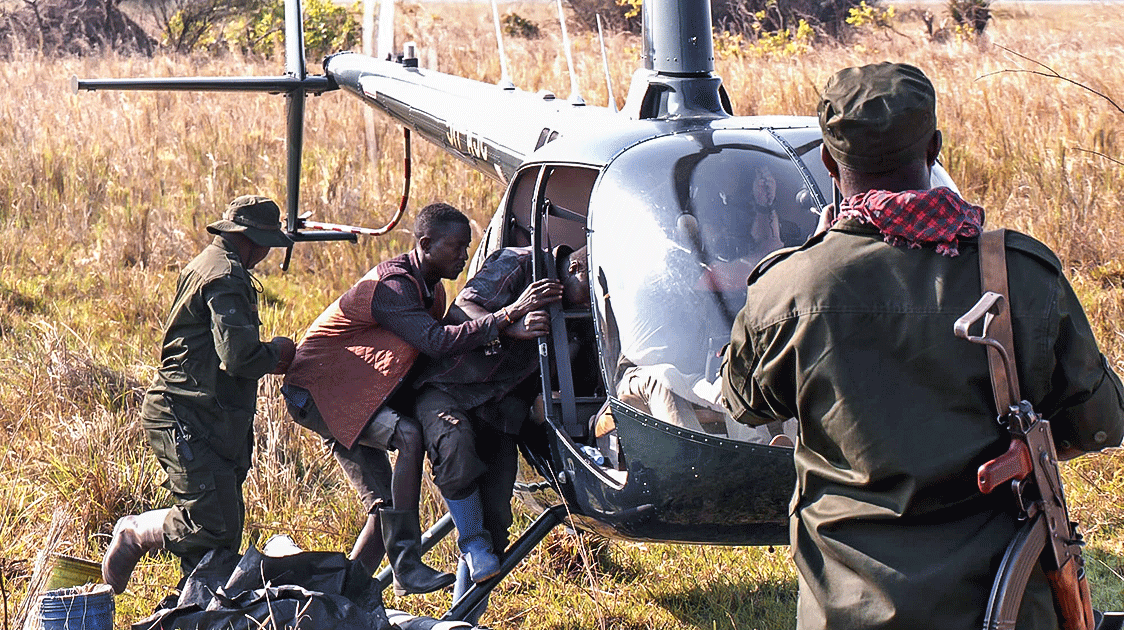
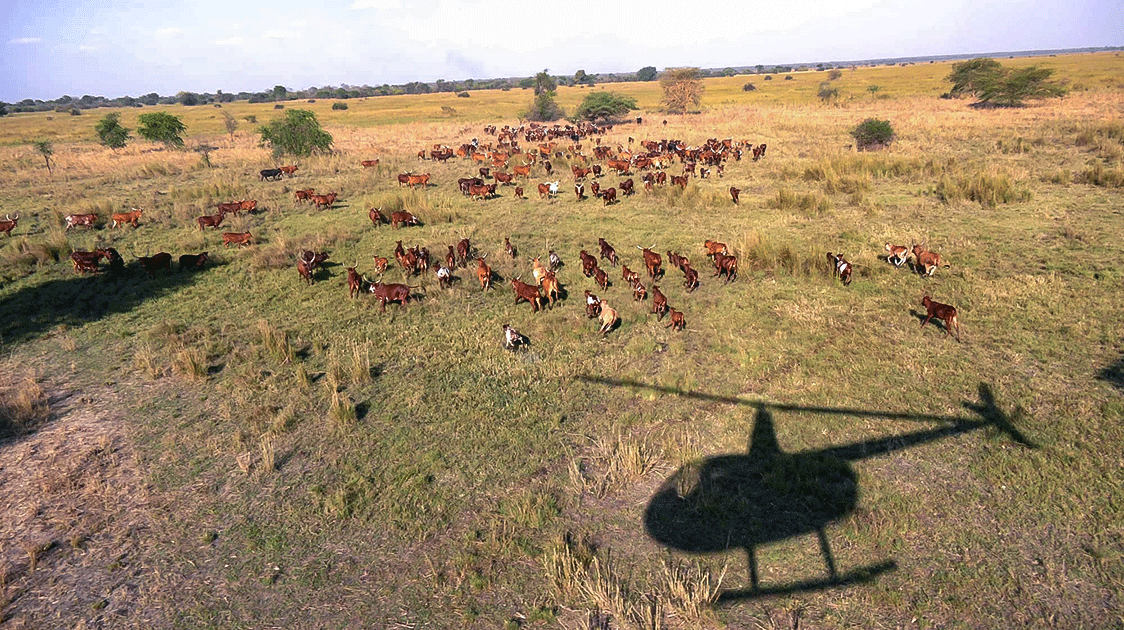
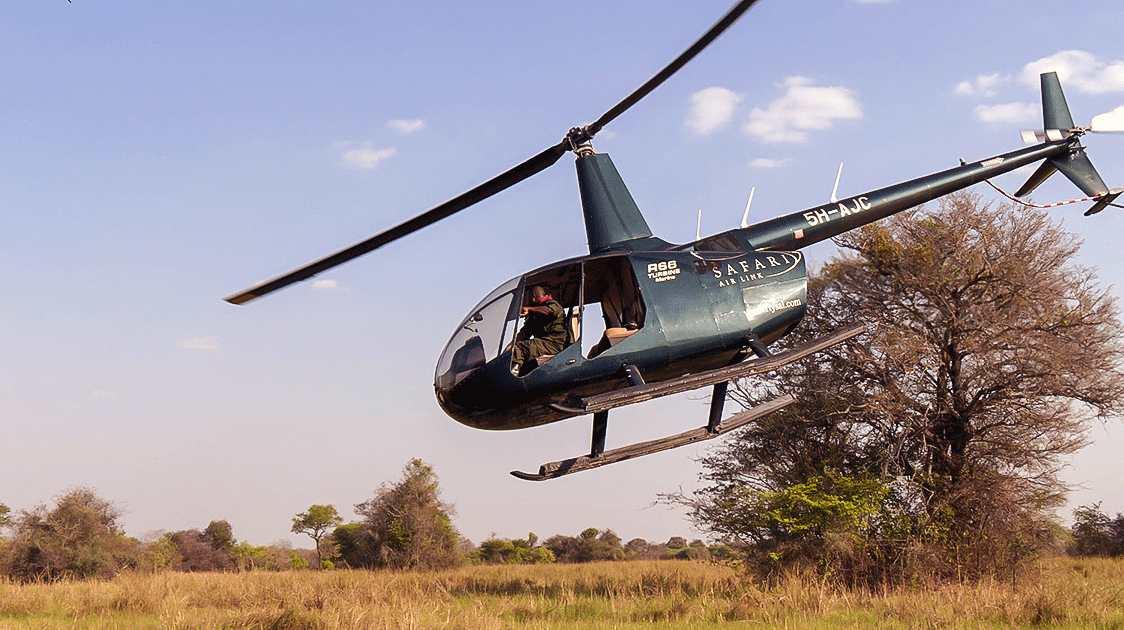
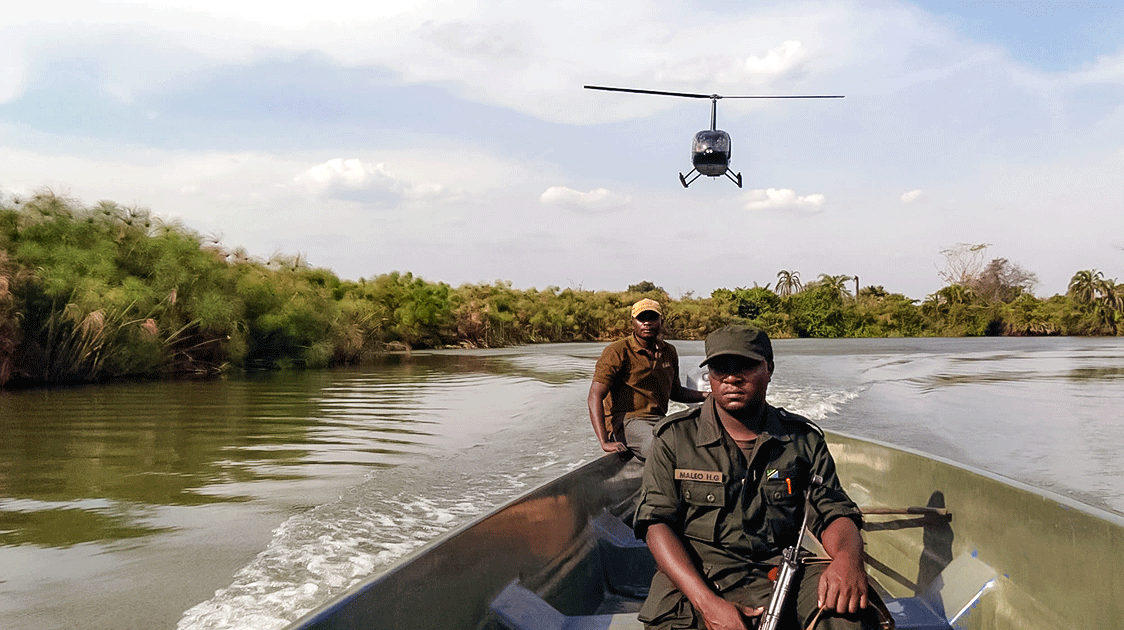
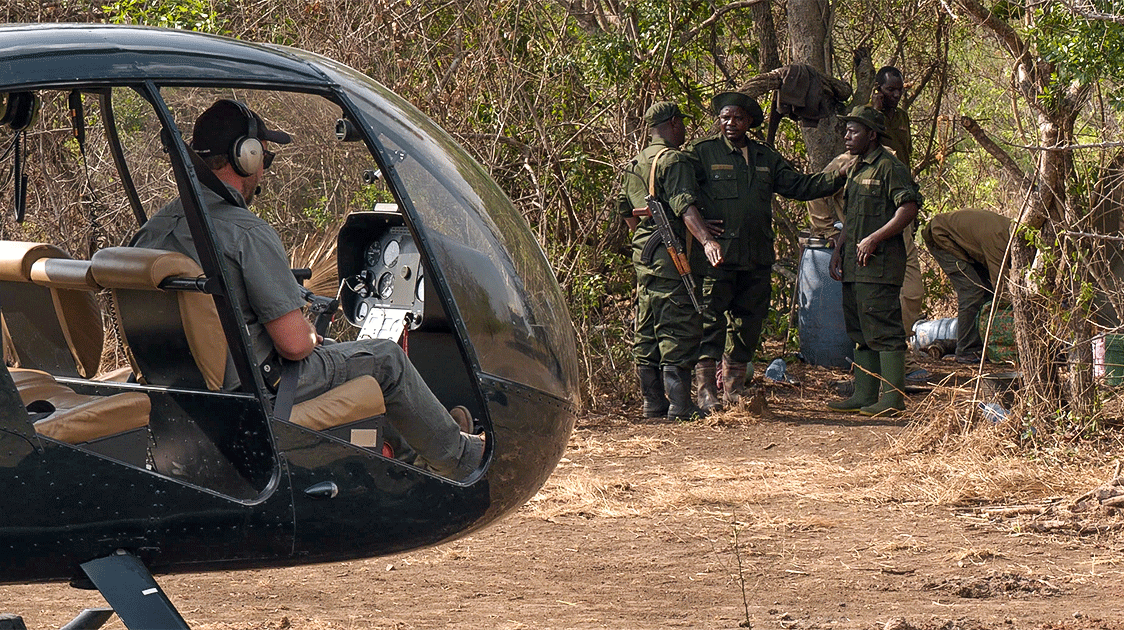
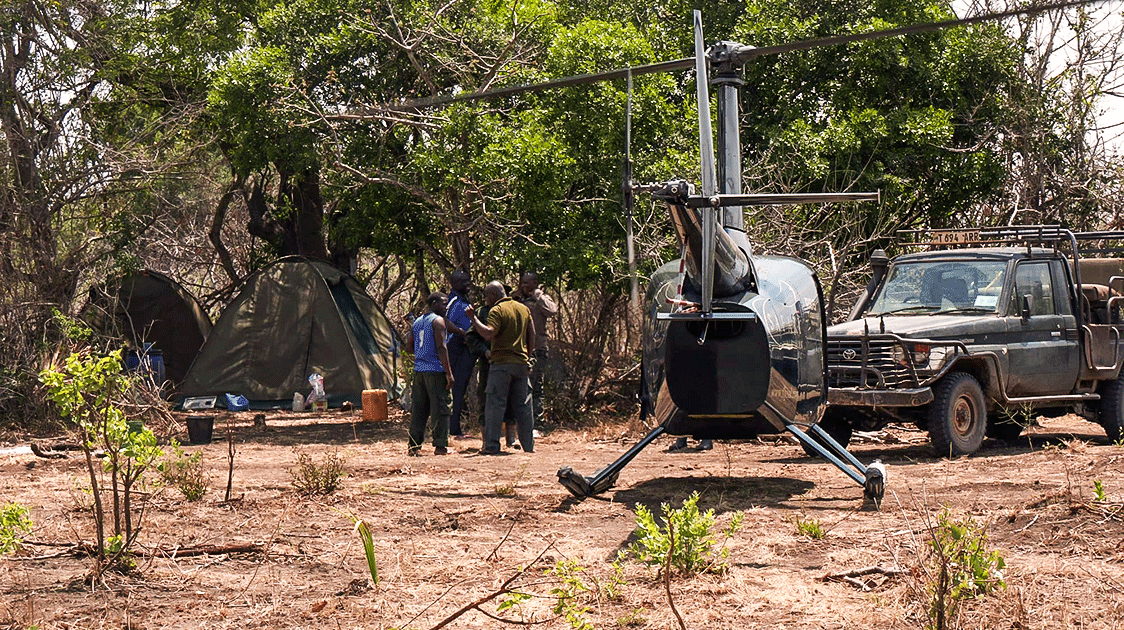
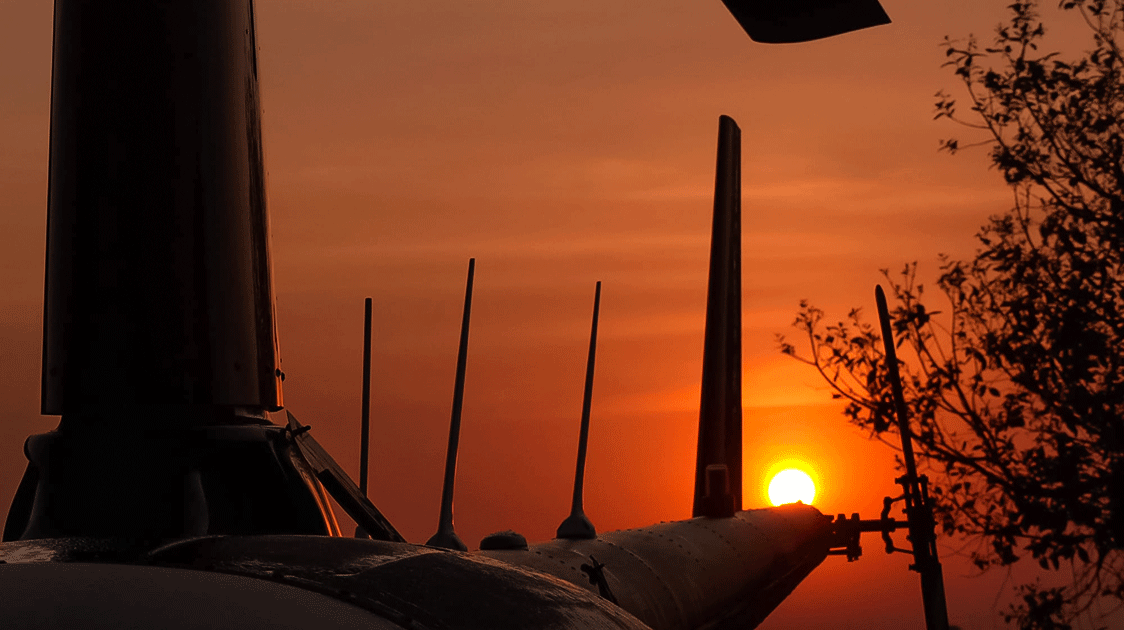
The company provides a free helicopter and pilot to safari operators and conservation agencies for anti-poaching and related activities, concentrating their efforts primarily in Western Tanzania during the wet season, precisely when the helicopter’s impact is greatest, and ground patrols are most limited.
Since 2021, the Alistair Group has provided over 450 hours of helicopter time for anti-poaching and animal collaring operations. This represents an investment of approximately $750,000 USD, with 90% of the cost covered directly by the company.
This is not philanthropy at a distance; it is active, hands-on conservation delivered in one of Africa’s most challenging environments.
In the Moyowosi, regulated trophy hunting is the primary source of revenue for conservation efforts and supports local economies.
The fees paid by hunting clients fund ranger salaries, equipment, and operations that would otherwise be unaffordable for cash-strapped government agencies.
By supporting ethical safari hunting concessions in wetland ecosystems, companies like the Alistair Group and its peers help fund on-the-ground patrols, anti-poaching teams, and community development initiatives.
Tanzania’s first Ramsar site, the world’s third largest, remains wild today not despite safari hunting but in significant part because of it.
On World Wetlands Day 2026, that conservation reality deserves recognition.