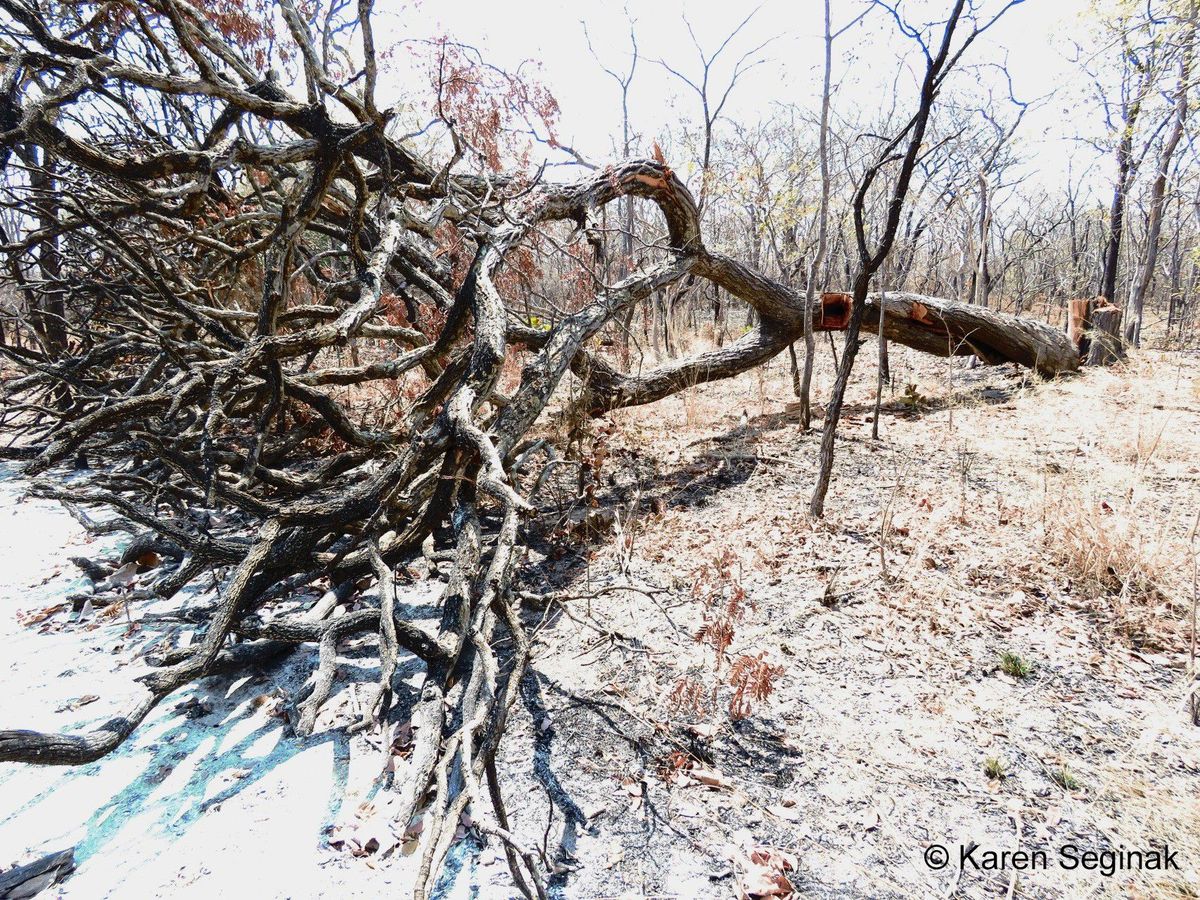
Honey for Money, But Bees Need Trees


By Prof Brian Child Exchange and specialization as the basis of wealth Published in 1776, Adam Smith wrote The Wealth of Nations. He showed that wealth is created by converting raw materials, often drawn from the environment, into goods people want. The secret to wealth creation was the productivity of
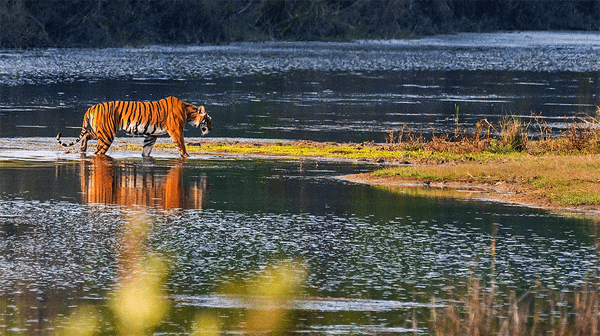
By Mathen “Rajeev” Mathew The Wildlife Economy Forum has been hosting regular webinars for several years, creating a vital platform for free and open dialogue on the complex challenges of wildlife management, sustainable resource use, and people-centric conservation. These monthly sessions bring together scientists, policymakers, community leaders, and practitioners to
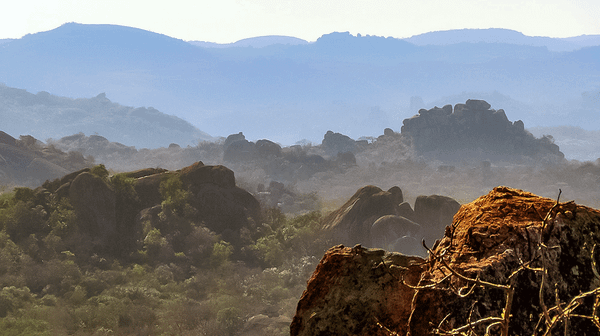
How do you bring a wilderness back from the brink? In the Matobo Hills of Zimbabwe, the Johnson brothers and the local community are proving that passion and partnership are more powerful than a million-dollar budget. From intensive anti-poaching to the installation of vital water points, see how wildlife is
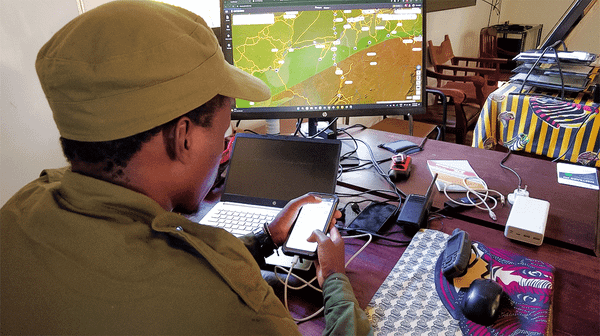
This video offers a behind-the-scenes look at a central Operations Room (Ops Room) in LUWIRE, Mozambique, dedicated to biodiversity monitoring and anti-poaching efforts. It explores how modern technology is integrated with ground-level enforcement to protect wildlife and manage ranger patrols with precision.